Ethics and Privacy in Street News Photography
Street news photography thrives on immediacy, but trust is what makes your work endure. Balancing the public’s right to know with an individual’s dignity and privacy isn’t just good practice—it’s essential to credible journalism. Use these tips to stay respectful, accurate, and safe while you work, and lean on education and resources from Unique Photo to sharpen both your craft and your ethics.
Tips for the Street
1. Know the laws—and the norms
Public spaces often allow photography, but rules vary by country, city, and situation. Some locations (hospitals, courthouses, private property) have restricted access, and you must comply with lawful orders and posted signs. Beyond law, consider community norms; what’s legal may still be insensitive. When in doubt, ask and document permissions.
2. Start with empathy and seek consent when possible
News moves fast, but a quick introduction or gesture can go a long way. If someone declines, respect it unless there’s a compelling public interest. Be extra cautious with minors and vulnerable individuals—seek a parent or guardian’s permission and avoid identifying details when it could cause harm.
3. Be invisible, not invasive
Work quietly and give people physical and psychological space. Mastering your camera controls helps you shoot accurately without hovering. A solid reference like the Nikon D850 Guide to Digital SLR Photography by David Busch can help you set custom buttons, silent modes, and exposure presets so you can work efficiently and respectfully.

4. Don’t stage news—disclose portraits
Directing subjects or re-enacting events crosses a crucial line. If you create a posed portrait for context, label it as such. Keep complete, unaltered originals and clear notes about what was directed versus observed.
5. Edit ethically: adjust tone, not truth
Keep edits limited to global exposure, color balance, and minor cropping for clarity. Avoid adding, removing, or moving elements. A class that deepens your technical editing control can actually strengthen ethical restraint—Editing and Enhancing Landscape and Nature Photography with Photoshop teaches layer discipline and color management you can apply responsibly to news work.

6. Protect the vulnerable
Blur or avoid publishing faces and identifying details of minors, victims of crime, or people in medical distress unless there’s overriding public interest. Be mindful of addresses, license plates, and badges. When harm is possible, consider wider angles, silhouettes, or holding a frame until more is known.
7. Caption with precision and context
Accurate names, dates, locations, and context prevent misinformation. Verify spellings and affiliations and avoid assumptions about motives or identities. Keep a field notebook or use voice memos to log details immediately.
8. Keep distance and don’t interfere
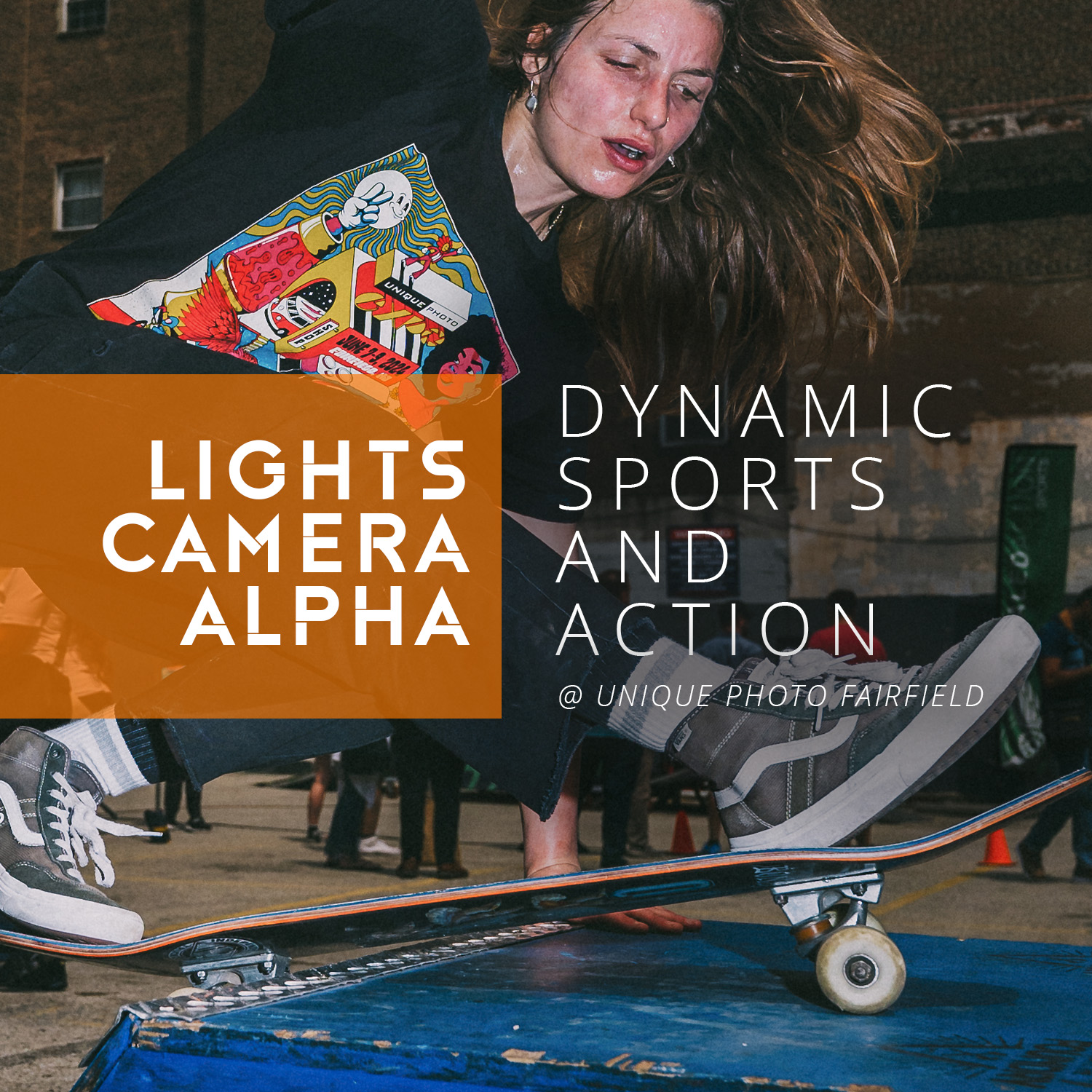
Never block emergency workers or cross safety lines. Mastering fast autofocus and anticipation lets you work from a safe, respectful distance. Training like Lights, Camera, ALPHA: Dynamic Sports and Action Photography (Sony) builds tracking and timing skills that translate directly to fast-moving news scenes.
9. Secure your files and metadata
Back up promptly and protect your storage. Preserve original files and EXIF as a chain of custody. Keep captions and release notes together with images. If you blur or otherwise redact, archive a protected original and clearly label the edited deliverable.
10. Publish responsibly and correct quickly
Differentiate editorial from commercial use—editorial news images typically don’t require releases, but commercial or promotional use does. If a caption or context is wrong, correct it publicly and promptly.
11. Slow down to make better ethical calls
Even in breaking news, a brief pause improves judgment. Practicing with slower, more deliberate processes—like film—can build that habit. Unique Photo’s Film Lovers Event: Intro to Film Photography (Philly) emphasizes intention and restraint that carry over into sensitive street situations.

12. Keep learning and seek feedback
Ethics evolve. Join workshops, read widely, and review your work with peers and editors. Classes like Product Photography and Post Production Editing with Blake Taylor may focus on studio technique, but the color accuracy and integrity principles apply everywhere—including honest news representation.
Final Frame
Respect, accuracy, and empathy are the foundations of ethical street news photography. Keep your edits honest, your captions careful, and your subjects’ dignity front and center. For skills, tools, and community that support responsible storytelling, explore classes, books, and events at Unique Photo.