Full Frame vs APS-C: An Expert FAQ to Choose Your Next Camera System
Choosing between full frame and APS-C can feel like a never-ending debate. As New Jersey’s camera superstore, we help photographers and filmmakers weigh the trade-offs every day. Here’s a clear, experience-driven FAQ to help you pick the sensor format that fits your work, budget, and goals.
What are the real-world image quality differences between full frame and APS-C?
Full frame sensors typically offer cleaner high-ISO files, stronger dynamic range, and a wider field of view with the same focal length. APS-C sensors are extremely capable—especially in good light—but when you push exposure recovery or shoot at higher ISOs, full frame usually delivers smoother gradients, less noise, and more flexibility in post. A modern full frame body like the Panasonic LUMIX S5 gives you a compact package with excellent low-light performance and robust color depth—ideal if you regularly shoot after sunset or love pulling detail out of shadows.

How does depth of field and background blur compare between formats?
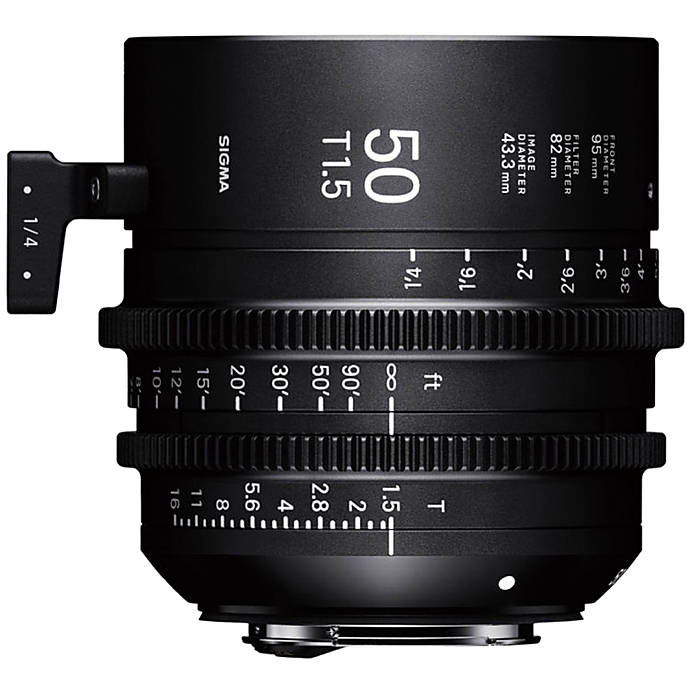
For the same framing and aperture, full frame will produce shallower depth of field than APS-C, making it easier to achieve creamy background separation. That doesn’t mean APS-C can’t blur backgrounds; you’ll simply need either a longer focal length, a closer subject distance, or a wider aperture to match the look. If subject isolation is your priority—portraits, commercial product detail, narrative film work—fast full frame glass can be a game changer. For cinema shooters, a lens like the Sigma 50mm T1.5 FF High-Speed Prime offers generous light transmission and smooth focus control for refined separation.
Is full frame always better in low light?
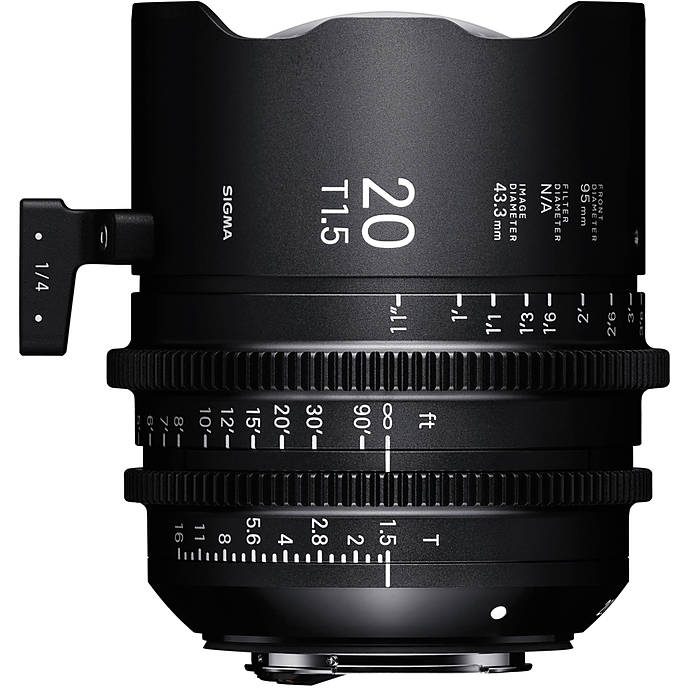
Not always, but often. Because of larger photosites (all else equal), full frame tends to suppress noise and preserve color fidelity at elevated ISOs. If your work lives in dim environments—weddings, concerts, documentary—full frame bodies and faster lenses help keep shutter speeds up and images clean. For video, pairing a full frame body with fast cine primes like the Sigma 20mm T1.5 FF (Sony E) lets you maintain wide views with luminous T-stops for night scenes or interiors without cranking gain.
What about cost and value—how do body and lens ecosystems compare?
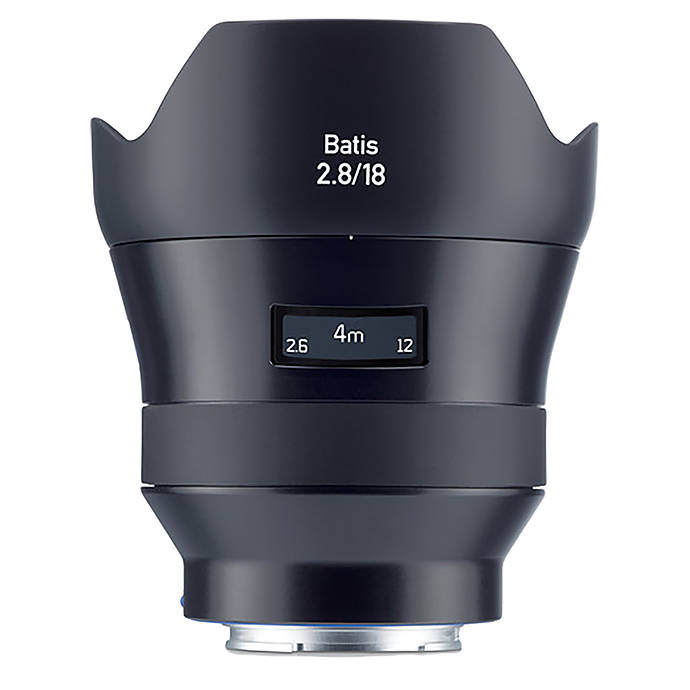
APS-C systems often win on price-to-performance, especially when you factor in smaller, lighter lenses. That said, full frame has become more accessible, and many photographers invest in full frame bodies to future-proof their kit. A good example is the Panasonic LUMIX S5, which delivers professional imaging in a compact, competitively priced platform. On the lens side, premium full frame optics like the Zeiss Batis 18mm f/2.8 (Sony E) provide edge-to-edge sharpness and a true ultra-wide field of view—advantages that are harder to match on smaller sensors without going to extremely short focal lengths.
I shoot a lot of video—should I pick full frame or APS-C/Super 35?
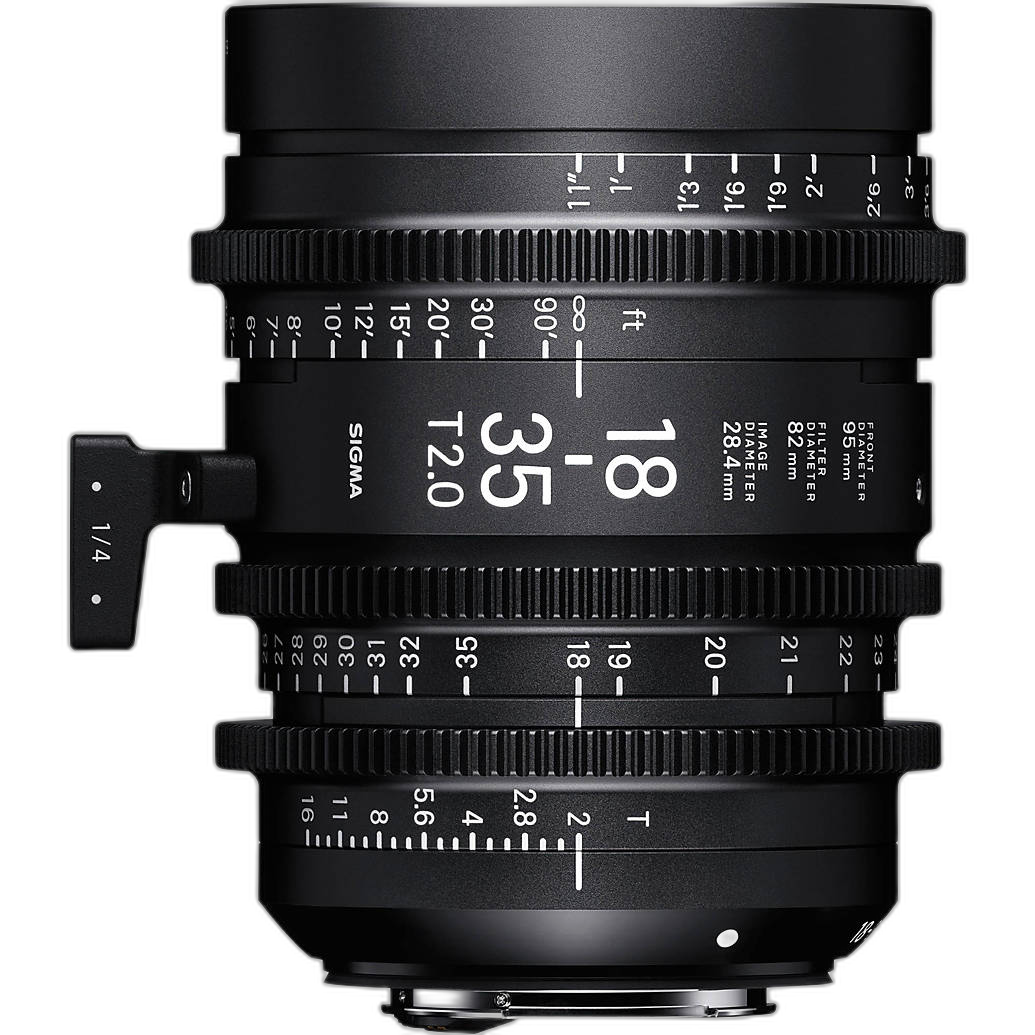
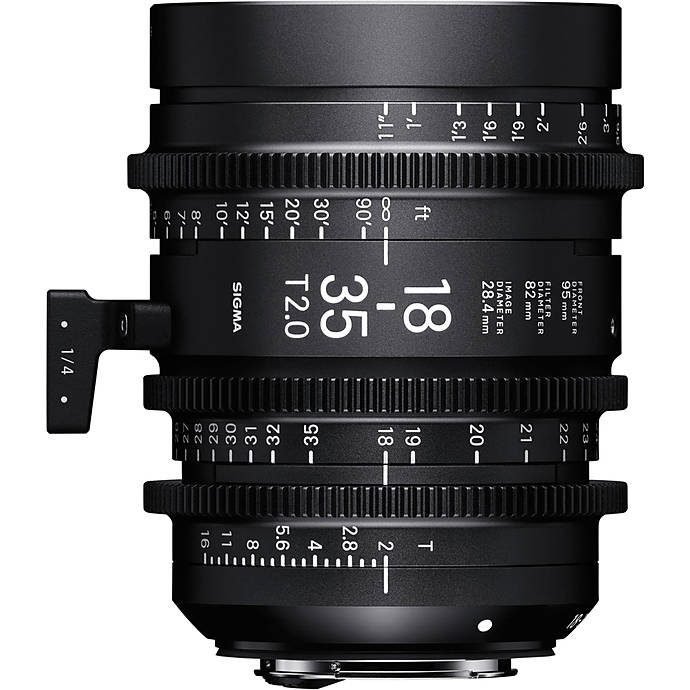
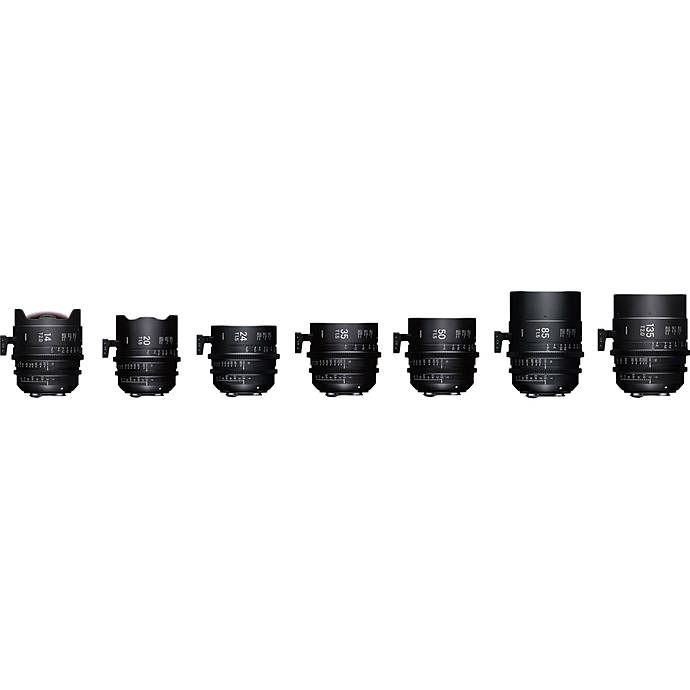
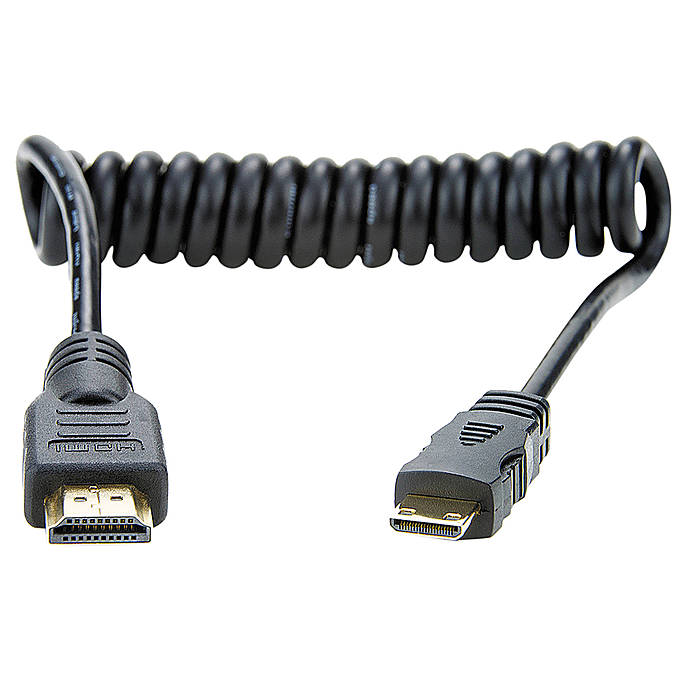
Many productions still favor Super 35 (very close to APS-C) for its lens availability, balanced depth of field, and manageable focus pulls. The Sigma 18–35mm T2 Cine (Canon EF) is a staple in that world—fast, sharp, and designed for Super 35 coverage. If you prefer full frame aesthetics for wider perspective and shallower depth, Sigma’s FF cine primes and kits deliver consistent builds, matched color, and luminous T-stops for professional sets. Whichever route you choose, basic rigging essentials—like the Atomos Coiled Mini to Full HDMI cable—keep your monitors and recorders tidy and reliable on gimbals and cages.
Do smaller sensors really give me more reach for wildlife and sports?
APS-C doesn’t magnify your lens, but its crop factor uses a smaller portion of the image circle, narrowing the field of view. The practical result is a tighter composition at the same distance—helpful when subjects are far away. This is a cost-effective way to leverage shorter, lighter lenses for distant action. If your work is mostly wildlife and daytime sports, an APS-C or Super 35 setup can be a smart, budget-friendly path.
How do size and weight compare for travel and street photography?
APS-C bodies and lenses are generally lighter, which matters when you’re carrying gear all day. Still, some full frame combos are surprisingly compact. The Panasonic LUMIX S5, for instance, packs full frame performance into a travel-friendly body, and a lightweight full frame prime like the Zeiss Batis 18mm keeps the walk-around kit nimble while delivering expansive views for cityscapes and interiors.
Which system should I choose for my needs?
Pick full frame if you frequently shoot in low light, print large, crave the shallowest depth of field, or want the broadest wide-angle options. Choose APS-C if you value smaller kits, tighter on-subject framing for wildlife or sports, and maximized budget efficiency. Hybrid creators often mix both: a full frame body for controlled shoots and night work, and an APS-C/Super 35-oriented video rig with lenses like the Sigma 18–35mm T2 for production agility.
Still unsure? Visit Unique Photo in Fairfield, NJ or chat with our team online. We’ll help you test-drive bodies and lenses—from the Panasonic LUMIX S5 and Zeiss Batis primes to Sigma’s cine lineup—so you can invest confidently in the system that fits your vision.