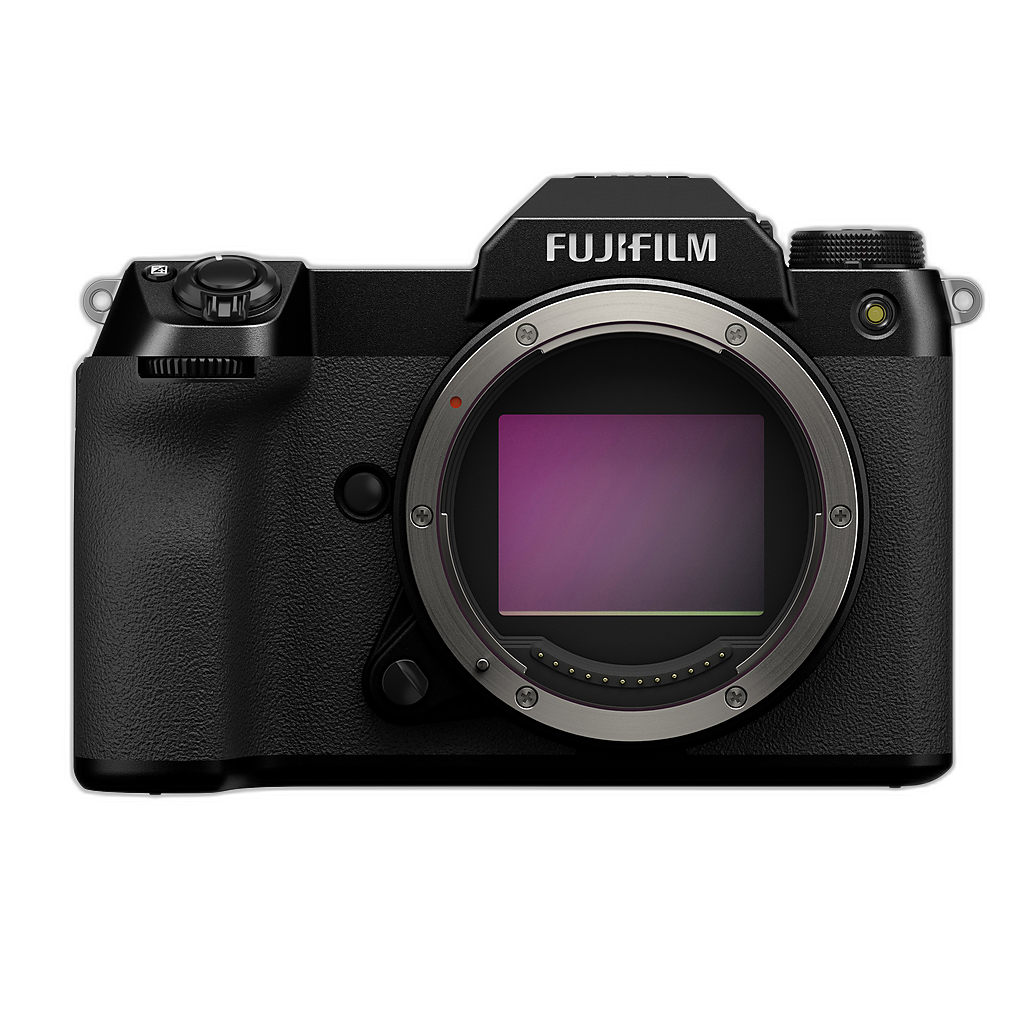
When Fujifilm introduced the first GFX camera in 2017, it did more than launch a new product line. It made a clear statement about where digital medium format could go next. For decades, medium format had largely been associated with modular studio systems, high prices, deliberate operation, and a user base centered on commercial specialists. The GFX system arrived with a different proposition: bring medium format image quality into a modern mirrorless design, build a complete lens roadmap around a new mount, and open the format to a broader range of photographers.
That first step came with the Fujifilm GFX 50S, the inaugural body for the new Fujifilm G mount. Announced in the period surrounding January 19, 2017, the GFX 50S established the core identity of the system: medium format imaging in a relatively compact, mirrorless camera body with Fujifilm’s familiar approach to handling and lens design. From there, the GFX family expanded into multiple directions, including rangefinder-style bodies, higher-resolution flagships, and models designed to make the format more portable and approachable.
This release-history hub traces the Fujifilm GFX lineage chronologically, showing how each generation built on the original concept and how the system matured from an ambitious debut into one of the most important modern medium format platforms.
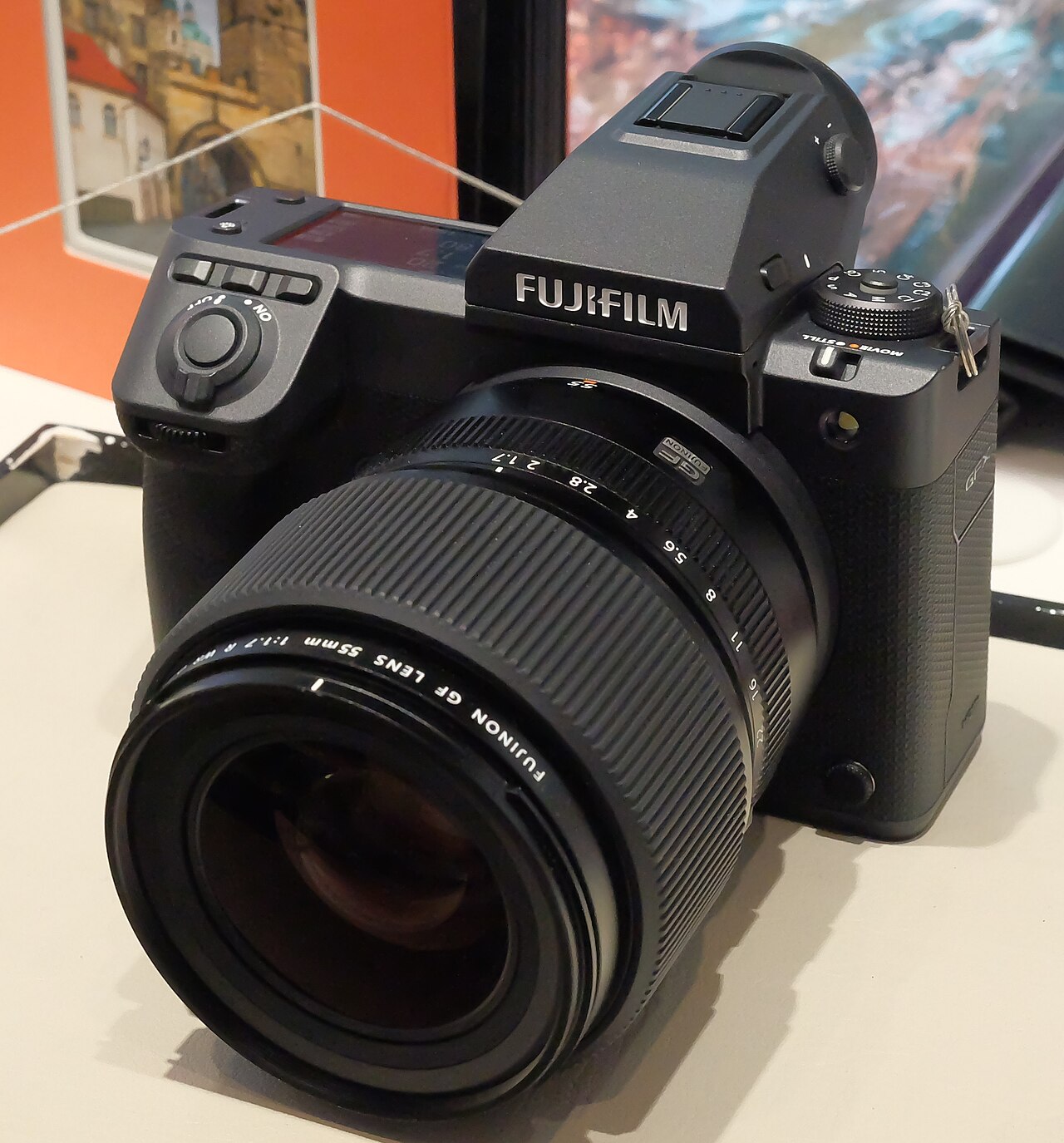
The Beginning of GFX: Why Fujifilm Entered Medium Format
Fujifilm had long been associated with photographic imaging at multiple levels, from film stocks to compact cameras to the highly regarded X Series. But the GFX line represented a distinct strategic move. Rather than simply extending the X Series upward, Fujifilm created a dedicated medium format mirrorless system built around the Fujifilm G mount. The first body, the GFX 50S, was the starting point for that ecosystem.
The importance of the GFX launch cannot be overstated in historical terms. It arrived at a moment when mirrorless cameras were increasingly proving their value in full-frame and APS-C formats, but medium format remained comparatively conservative. Fujifilm’s approach suggested that medium format did not need to remain tied to traditional SLR-style bulk or highly specialized workflows. Instead, it could become a more practical everyday tool for portrait, landscape, fashion, editorial, commercial, and fine art photographers.
Equally important was the fact that Fujifilm treated GFX not as a one-off prestige product, but as a long-term system. That meant a new mount, dedicated GF lenses, and a roadmap that gave photographers confidence that the platform would grow beyond its first body.
2017: Fujifilm GFX 50S Launches the System
The first GFX body
The Fujifilm GFX 50S, released in 2017, was the camera that introduced the GFX system to the market. As the first body in the line, it defined the character of Fujifilm medium format from the outset. It used the new Fujifilm G mount and established the operational philosophy that would shape later cameras in the family.
Historically, the GFX 50S mattered because it translated medium format into a mirrorless form that felt familiar to photographers already comfortable with contemporary digital systems. While medium format had long carried an aura of uncompromising image quality, it also had a reputation for being slower, larger, and less flexible in the field. The GFX 50S sought to preserve the quality advantage while reducing some of the operational barriers.
Its styling and ergonomics reflected Fujifilm’s broader design language, but the camera was not simply an enlarged X Series body. It was purpose-built for a larger imaging format, and it arrived as the center of a new ecosystem. In release-period context, that ecosystem was crucial: the camera’s success depended not only on body performance but also on the lenses available around it.
A mirrorless interpretation of medium format
The GFX 50S represented a meaningful break from older expectations about what a medium format digital camera had to be. Mirrorless design offered several practical advantages, including a body shape that could be more compact than traditional medium format SLRs and a shooting experience aligned with the direction of the broader camera market.
For many photographers, this made GFX feel less like an exotic specialty platform and more like a serious working system that could be integrated into real assignments. Landscape photographers could consider carrying it into the field. Portrait photographers could weigh it against established full-frame tools. Commercial shooters could look to it as a platform that balanced high-end image quality with modern digital usability.
That balance was one of the defining achievements of the original GFX 50S. It did not attempt to make medium format casual or trivial. Instead, it made it more accessible without stripping away the seriousness of the format.
The role of the G mount
The introduction of the Fujifilm G mount was just as historically important as the camera body itself. New lens mounts are major commitments. They signal not just a product launch, but a company’s willingness to invest in optics, accessories, and future bodies over many years.
In the early GFX period, photographers evaluating the system were evaluating the mount as much as the first camera. Would Fujifilm build out the lens lineup? Would the company create multiple body types? Would GFX become a lasting system rather than a niche experiment? In retrospect, the answer was yes, but at launch those were very real questions.
The strength of the GFX concept was that Fujifilm clearly presented it as a family from the start. The first body may have been the GFX 50S, but the promise behind it was bigger: a medium format system intended to evolve.
The Early Expansion: Building Confidence in the System
One of the most significant phases in any camera line’s history comes immediately after the first release. The debut model attracts attention, but the follow-up releases determine whether the system earns long-term confidence. For GFX, the years after the 50S were about proving that medium format mirrorless was not a novelty. Fujifilm expanded the family in ways that helped define the line’s identity.
Broadly speaking, the system evolved along two parallel tracks. One was accessibility and portability: making GFX more approachable in size, style, and price positioning than traditional medium format had often been. The other was capability: pushing resolution, speed, autofocus sophistication, and body design further upmarket for professionals with the highest demands.
This two-track development became one of the smartest aspects of the GFX lineage. Rather than offering only a single body concept, Fujifilm created a family with distinct personalities while maintaining a shared mount and lens ecosystem.
The Rangefinder-Style Direction: GFX 50R
A different body philosophy
One of the early landmarks in the system’s history was the introduction of the GFX 50R. This model is important because it showed that Fujifilm did not view GFX as a one-body platform. Instead, the company explored a different physical design and shooting style within the same system.
Where the GFX 50S served as the original all-around flagship for the launch period, the 50R brought a more rangefinder-inspired form factor to medium format mirrorless. That shift in body design was not merely cosmetic. It signaled a broader ambition: medium format could be more portable, more discreet, and more comfortable for photographers who preferred a flatter, less protruding body profile.
Historically, the 50R helped expand the audience for GFX. It appealed to photographers who wanted medium format quality in a body that felt more travel-friendly and more aligned with documentary, street-adjacent, environmental portrait, and location-based work. It also reinforced the idea that GFX could be a system of choices rather than a single premium statement piece.
Why the 50R mattered
The significance of the GFX 50R in the release timeline is that it broadened the cultural identity of medium format. Traditionally, medium format was often imagined in studio contexts or slow, tripod-based environments. The 50R did not erase those associations, but it introduced another possibility: medium format as a camera you might actually want to carry more often.
That was a meaningful development for the market. By making the system feel more varied and less monolithic, Fujifilm strengthened the case for GFX as a living platform.
The Compact Breakthrough: GFX 100 and GFX 100S Era
The rise of higher-resolution ambition
As the GFX family matured, Fujifilm moved decisively into higher-resolution territory with the GFX 100. In historical terms, this model represented the system’s proof of concept at the top end. It showed that GFX was not only about making medium format more accessible; it was also about making it more competitive as a flagship professional tool.
The GFX 100 era marked a major escalation in ambition. The original GFX 50S had established credibility. The GFX 100 pushed the line into a more rarefied class, aimed at photographers whose work demanded maximum detail, large print capability, and high-end commercial performance. It demonstrated that Fujifilm was prepared to compete aggressively in premium medium format, not just reinterpret it.
For the lineage as a whole, the GFX 100 was a statement camera. It conveyed confidence in the mount, confidence in the system, and confidence that there was real market demand for a modern mirrorless medium format flagship.
GFX 100S: making the concept more attainable
If the GFX 100 represented the line at full ambition, the GFX 100S became one of the most consequential bodies in the family because it translated that ambition into a more compact and approachable form. In many ways, this was one of the key moments in GFX history.
The 100S mattered because it condensed much of the appeal of the higher-resolution generation into a body that felt more practical for a wider group of photographers. This was not merely a smaller variant. It was a pivotal model in the ongoing story of medium format normalization. With the 100S, the notion that medium format could become a realistic working choice for photographers beyond the most specialized commercial tier became much easier to accept.
From a historical standpoint, the 100S may be seen as one of the cameras that most effectively advanced Fujifilm’s original thesis. The launch-period GFX 50S had asked photographers to imagine a mirrorless future for medium format. The 100S helped show what that future looked like when the concept matured.
Refinement and Successor Thinking: GFX 50S II
Returning to the 50-megapixel class
The release of the GFX 50S II was another important moment because it demonstrated that Fujifilm had no intention of allowing the original 50-series concept to become obsolete simply because the 100-series existed. Instead, the company continued to refine and reposition the 50-megapixel class as an appealing entry point into the system.
Historically, that is a smart sign in any camera system. It means the manufacturer is thinking in tiers, not just in halo products. The 50S II served as a bridge between the foundational appeal of the first GFX cameras and the broader lessons learned from later body development. It refreshed the original concept for a newer generation of buyers while preserving the core attraction of the system.
In the chronology of GFX, the 50S II is best understood as a stabilizing release. It kept the lower-resolution branch of the family alive and relevant, ensuring that the system was not defined only by its most expensive or technically aggressive models.
The New Flagship Phase: GFX 100 II
A mature professional system
By the time the GFX 100 II arrived, Fujifilm GFX was no longer a bold newcomer. It had become an established medium format system with multiple body types, a developed lens range, and a proven place in professional workflows. The significance of the 100 II lies in what it says about maturity.
Second-generation flagships reveal how a system has evolved after its foundational ideas are tested in the market. The GFX 100 II belongs to a phase in which Fujifilm was no longer trying simply to justify the existence of mirrorless medium format. Instead, it was refining performance, responsiveness, and overall capability in a line that already had credibility.
That progression matters historically because it shows the success of the original 2017 gamble. The GFX system survived the difficult early stage of any new mount, expanded its user base, and advanced into a multi-generation platform. The 100 II stands as evidence that GFX became not just viable, but durable.
How the Generations Advanced the GFX Idea
From launch concept to full family
Looking back across the release history, the central story of GFX is not simply that new bodies appeared. It is that each generation clarified a different aspect of what medium format mirrorless could be.
- GFX 50S established the system and introduced the Fujifilm G mount in 2017.
- GFX 50R broadened the concept with a different body style and a more portable, rangefinder-inspired approach.
- GFX 100 elevated the system into a higher-end flagship category, reinforcing professional confidence.
- GFX 100S made that high-resolution ambition more compact and attainable.
- GFX 50S II refreshed the more accessible branch of the lineup.
- GFX 100 II represented system maturity and second-generation flagship refinement.
That chronological progression is what makes GFX so compelling as a historical camera line. It did not remain fixed around one original idea. It evolved through interpretation, specialization, and refinement.
The importance of system thinking
Another consistent thread through GFX history is the importance of system thinking. Camera bodies may attract headlines, but mounts and lens ecosystems determine whether a platform has staying power. The GFX line’s success is inseparable from the continued development of GF lenses and Fujifilm’s willingness to support the mount over time.
For photographers reading this as a historical overview, that point is worth emphasizing. The GFX 50S was significant not only because it was first, but because it launched a credible foundation. Every later body depended on that foundation, and every new release reinforced it.
What GFX Changed in the Market
In broader industry terms, Fujifilm GFX helped normalize the idea that medium format could participate in the same modern design trends shaping the rest of digital photography. Mirrorless architecture, more compact bodies, clearer tiering between models, and a system-first mindset all contributed to that shift.
Just as importantly, GFX altered expectations. Photographers no longer had to think about medium format only as a highly specialized studio format or a prohibitively exclusive class of equipment. The line retained a premium identity, certainly, but it also became part of a more practical conversation about real-world use.
That may be the most enduring historical achievement of the GFX system. It did not merely release cameras; it changed how many photographers thought about what medium format could be in the digital era.
For Today’s Reader: Orienting Yourself in the GFX Lineage
If you are approaching the GFX family as a buyer, collector, or historian, the simplest way to understand the lineage is to start with the two main branches established over time.
The first is the 50-series branch, beginning with the GFX 50S. This branch represents the original promise of GFX: medium format image quality in a mirrorless system designed to be practical and comparatively approachable. The 50R and 50S II each interpret that idea differently, whether through body design or later refinement.
The second is the 100-series branch, where Fujifilm pushed the system further into flagship territory. The GFX 100, GFX 100S, and GFX 100 II reflect the company’s effort to expand upward in performance and capability while still carrying forward the fundamental GFX ethos.
Seen this way, the release history becomes easier to read. The GFX line is not a scattered sequence of unrelated bodies. It is a structured family built around the Fujifilm G mount, with each generation addressing a different balance of portability, price position, handling, and top-end performance.
Conclusion
From the debut of the Fujifilm GFX 50S in 2017 to the more advanced bodies that followed, the GFX line has become one of the defining stories in modern digital camera history. It brought the Fujifilm G mount to market, established a mirrorless path for medium format, and grew from a single bold debut into a mature, multi-model system.
As a historical release timeline, GFX is compelling because it documents more than product updates. It captures a shift in philosophy. Medium format, once seen by many as imposing and narrowly specialized, became more flexible, more varied, and more closely integrated with the expectations of contemporary photographers. The original GFX 50S opened that door, and every generation since has pushed it wider.
If you want to explore Fujifilm GFX cameras, compare generations, or learn more about the system’s place in photographic history, Unique Photo is a great place to buy, research, and stay informed.