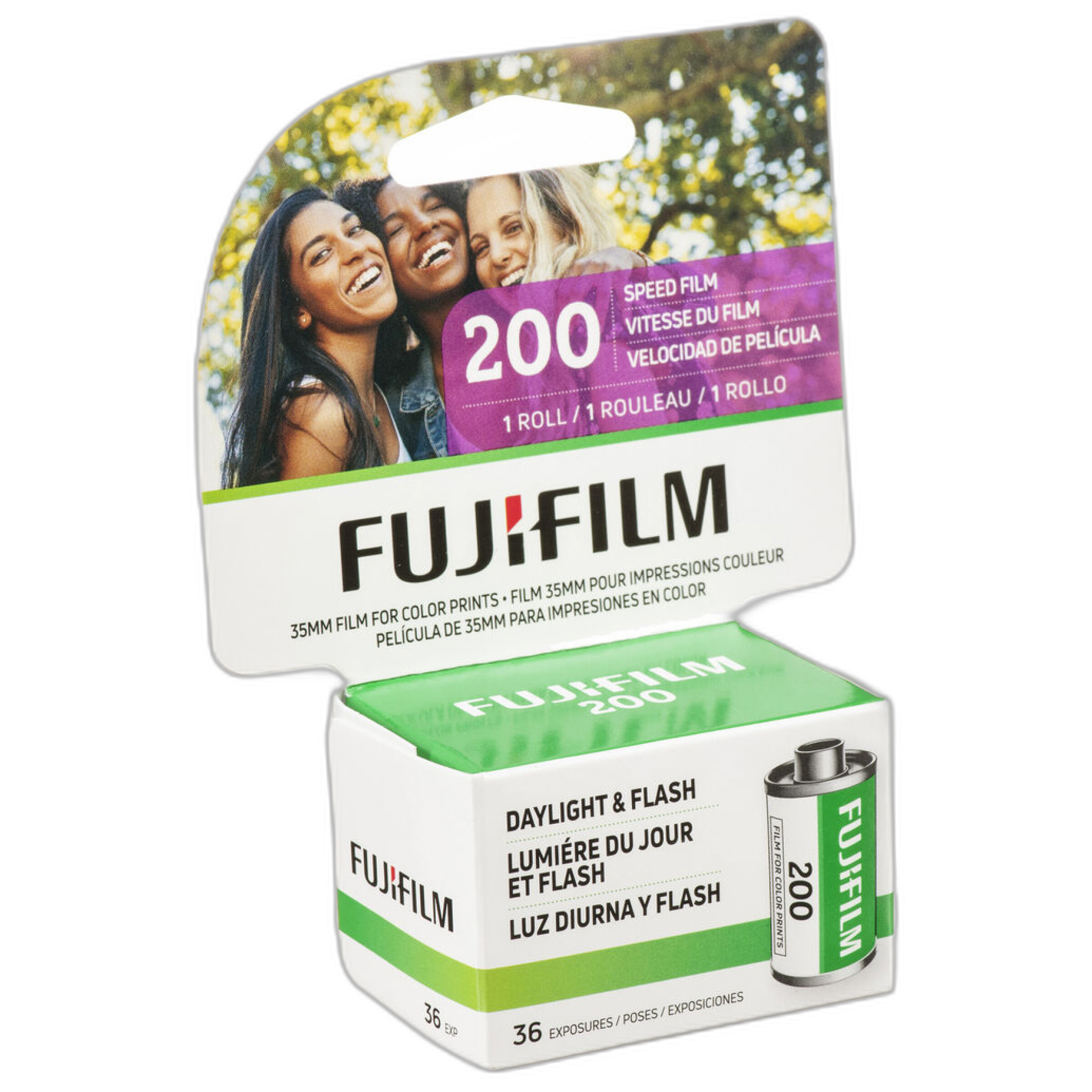
Few products in photography are as easy to understand—and as easy to overlook—as a straightforward consumer color film. That simplicity is part of the appeal. Fujifilm 200, also known as Fujicolor 200, belongs to a long tradition of practical, accessible 35mm film made for everyday picture-taking: family outings, vacations, daylight walks, point-and-shoot snapshots, and casual SLR shooting. In an era when the renewed interest in film has pushed many photographers toward both premium emulsions and experimental stocks, Fujifilm 200 continues to stand for something valuable: a dependable, widely approachable color negative film with a moderate ISO and familiar C-41 processing.
As a 35mm color negative film rated at ISO 200, Fujifilm 200 sits in a useful middle ground. It offers more flexibility than slower daylight films while retaining the broad exposure latitude and forgiving nature that have long made color negative film popular with beginners and seasoned film users alike. For photographers returning to analog capture—or discovering it for the first time—films in this class are often where habits are formed and preferences begin to take shape.

What Fujifilm 200 Is
At its core, Fujifilm 200 is a color negative (C-41) film for 35mm cameras with a sensitivity of ISO 200. Those three points tell photographers most of what they need to know about how it fits into regular use.
First, color negative film remains one of the most practical ways to shoot analog color. C-41 processing is the standard commercial color negative process, which means this film is designed for broad compatibility with labs and scanning workflows. For many people getting into film today, that matters as much as the image itself. A film that can be developed and scanned without unusual handling is often the one that gets used most consistently.
Second, the 35mm format places Fujifilm 200 in the mainstream of film photography. It is aimed at the most common class of reusable film cameras, from compact point-and-shoots to manual-focus SLRs and rangefinders. That universality helps explain why films like this have historically been so important: they meet photographers where they are, rather than asking for a specialized workflow or niche equipment.
Third, ISO 200 has long been considered a balanced speed for general daylight photography. It is fast enough for bright overcast conditions and versatile enough for outdoor shooting through much of the day, while still preserving the character many photographers associate with lower- and mid-speed consumer films: fine grain, good sharpness, and an easy-going rendering that supports casual photography well.
A Familiar Place in Fujifilm's Color Film Lineage
The Fujicolor name has a long history in consumer photography, and Fujifilm 200 fits naturally within that tradition. For decades, Fujifilm maintained a strong presence in the color negative market with films intended not only for professionals, but also for ordinary users buying film for vacations, birthdays, school events, and everyday life. That consumer role is historically important. It is easy to celebrate iconic professional emulsions, but the film industry was built just as much on accessible products that encouraged millions of people to keep cameras loaded and ready.
Fujifilm 200 represents that practical side of the medium. It is not defined by rarity or by a highly specialized look. Instead, its identity comes from consistency, affordability within the market context, and the ability to produce pleasing color images without demanding perfect technique. In that sense, it belongs to a broad family of films that have introduced generations of photographers to color negative shooting.
Seen from the perspective of the 2025 release period, that historical continuity matters. Film photography is no longer the default for consumer imaging, but the films that remain carry a different kind of significance. They are not just materials; they are active links to photographic habits that shaped family albums, travel records, and everyday visual memory for decades.
Why ISO 200 Still Makes Sense
ISO 200 may not sound dramatic in a market where digital cameras routinely reach extreme sensitivities, but that is precisely why it remains so grounded in photographic practice. For film users, ISO is not simply a technical value—it determines where and how a stock feels comfortable. Fujifilm 200 is most at home in daylight and well-lit scenes, where it can deliver the clean, flexible negatives that have made mid-speed color films a staple.
In practical terms, ISO 200 pairs well with the kinds of cameras many people use with 35mm film today. Compact cameras with modest lenses, older consumer SLRs, and all-manual bodies alike can all make sense with a film of this speed. It gives enough flexibility for hand-held shooting outdoors while encouraging the sort of deliberate attention that film often rewards. For photographers who enjoy street scenes in sunlight, suburban landscapes, outdoor portraits, roadside Americana, travel snapshots, or general day-to-day documentation, this speed remains highly relevant.
That moderate sensitivity also helps define the film's place as an everyday stock rather than a specialty tool. It is not trying to be the fastest option or the most stylized. It is built around usability.
Color Negative Film and Everyday Latitude
One of the enduring strengths of color negative film is exposure latitude, and that is central to why films like Fujifilm 200 continue to matter. Color negative stocks have historically been forgiving of slight overexposure, which is one reason they became so trusted in consumer photography. For photographers using older cameras with aging meters—or no meter at all—that forgiveness can be reassuring.
In a contemporary workflow, this also translates well to scanning. Labs and home scanners often handle color negative film with considerable flexibility, allowing photographers to shape final results during inversion and color correction. That does not mean every frame will look identical across all labs and scans, but it does mean films in this category tend to adapt well to modern hybrid workflows where negatives are developed traditionally and then digitized for editing, sharing, or printing.
For beginners, this is an especially useful characteristic. Fujifilm 200 offers an inviting entry point into the process without the additional complexity of reversal film or less common development standards. For experienced users, that same predictability can be an advantage when the goal is simply to keep a camera loaded with a film that works.
The Role of 35mm in Film's Ongoing Revival
Any discussion of Fujifilm 200 in 2025 also belongs to the wider story of 35mm film's revival. The renewed interest in analog photography has not been driven only by nostalgia. It has also come from younger photographers who appreciate the discipline, tactility, and visual distinctiveness of film. In that environment, basic 35mm color negative film serves as a bridge between eras. It is familiar enough for longtime film users and approachable enough for newcomers.
That accessibility should not be underestimated. A healthy film ecosystem depends not only on headline-grabbing premium emulsions, but also on practical films that people feel comfortable shooting regularly. An everyday film stock encourages repetition, and repetition is how photographers learn exposure, camera handling, lens behavior, and the rhythm of waiting for developed results.
Fujifilm 200 therefore occupies a culturally important place beyond its straightforward specification sheet. It supports the ordinary practice of photography—the part that turns film from a novelty into a habit.
Who Fujifilm 200 Is For
New Film Shooters
Photographers trying 35mm for the first time often need a film that is simple to understand and easy to process. Because Fujifilm 200 is a standard C-41 color negative film at a practical ISO, it suits that role well.
Casual and Everyday Photographers
Not every roll has to be a formal project. Fujifilm 200 makes the most sense when carried for day trips, family moments, neighborhood walks, and spontaneous use in available daylight.
Users of Classic Compact Cameras and SLRs
Many older 35mm cameras were designed around common consumer film speeds, and a mid-speed stock remains a natural fit for these systems. It is easy to imagine Fujifilm 200 as the kind of film one simply keeps in the bag.
Historical Perspective on an Unpretentious Film
If there is a theme that best defines Fujifilm 200, it is unpretentious usefulness. Photography history is often written around flagship cameras and legendary emulsions, but everyday film has its own legacy. It is the material of albums, shoeboxes, and memory. It is what people used when they were not trying to make a statement—only to keep a record.
That is exactly why a film like Fujifilm 200 deserves attention. It reflects a long-standing idea in photographic culture: the best film is often the one that invites you to shoot more. In 35mm, with standard C-41 processing and an ISO 200 rating, this stock carries that tradition into the present in a form that still makes immediate sense.
Final Thoughts
Fujifilm 200 (Fujicolor 200) remains a clear example of what everyday color film is supposed to be: practical, approachable, and closely tied to the ordinary pleasures of shooting 35mm. As a color negative C-41 film at ISO 200, it occupies a dependable space in the analog landscape—especially for photographers who value familiar workflow, broad compatibility, and all-purpose daylight use.
For photographers building a film kit, revisiting 35mm, or simply looking for a reliable consumer color stock, Fujifilm 200 is part of an important and ongoing chapter in film history. To buy film, explore more analog gear, or learn more about classic and current photographic materials, visit Unique Photo.