First-Time Photography Contest FAQ: How Beginners Can Enter With Confidence
Entering your first photography contest can feel exciting and intimidating at the same time. The good news is that beginners can absolutely compete successfully when they focus on the right opportunities, follow the rules carefully, and present their images professionally.
At Unique Photo, we encourage new contest participants to think strategically: choose legitimate contests, submit your strongest work, and make sure your files reflect the quality of your vision. Below, we answer some of the most common questions first-time entrants ask before hitting submit.
What are the best entry-level photography contests for beginners?
The best beginner-friendly contests are usually those with clear themes, straightforward rules, and realistic expectations for emerging photographers. Look for local camera club competitions, community arts center contests, student or amateur divisions, themed online contests, and brand-sponsored photo challenges that welcome a wide range of skill levels. These opportunities often provide a better learning environment than jumping straight into highly competitive international competitions with open professional categories.
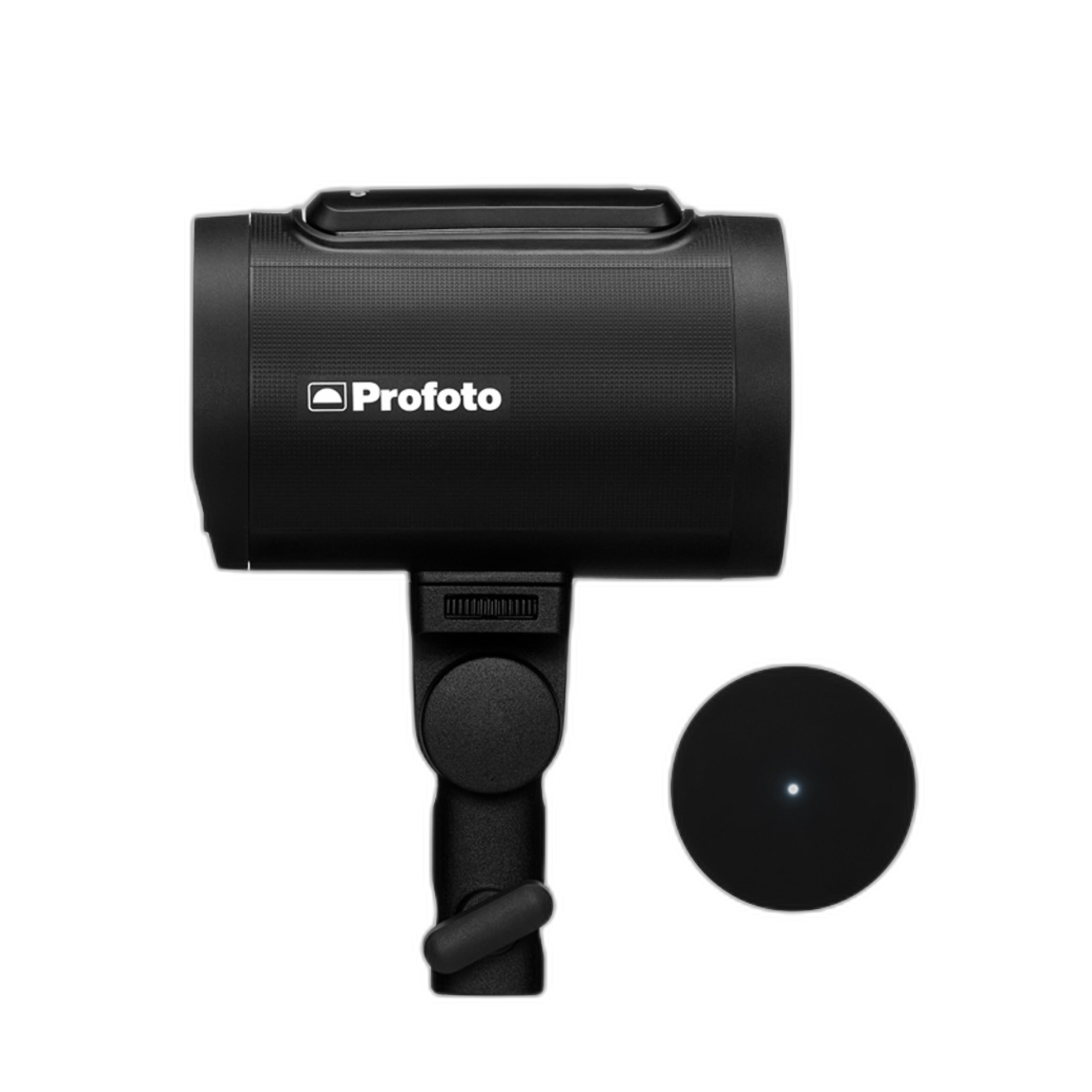
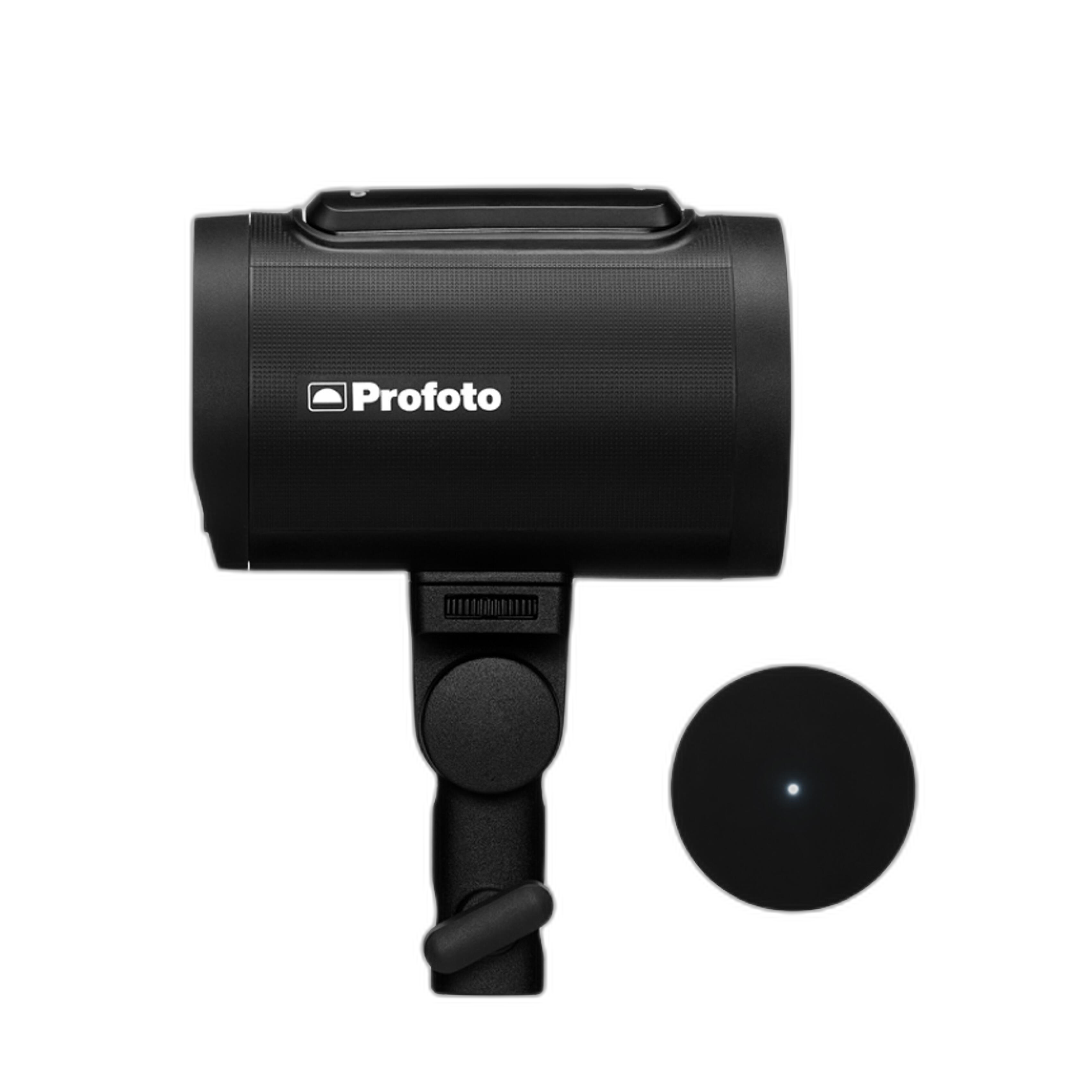
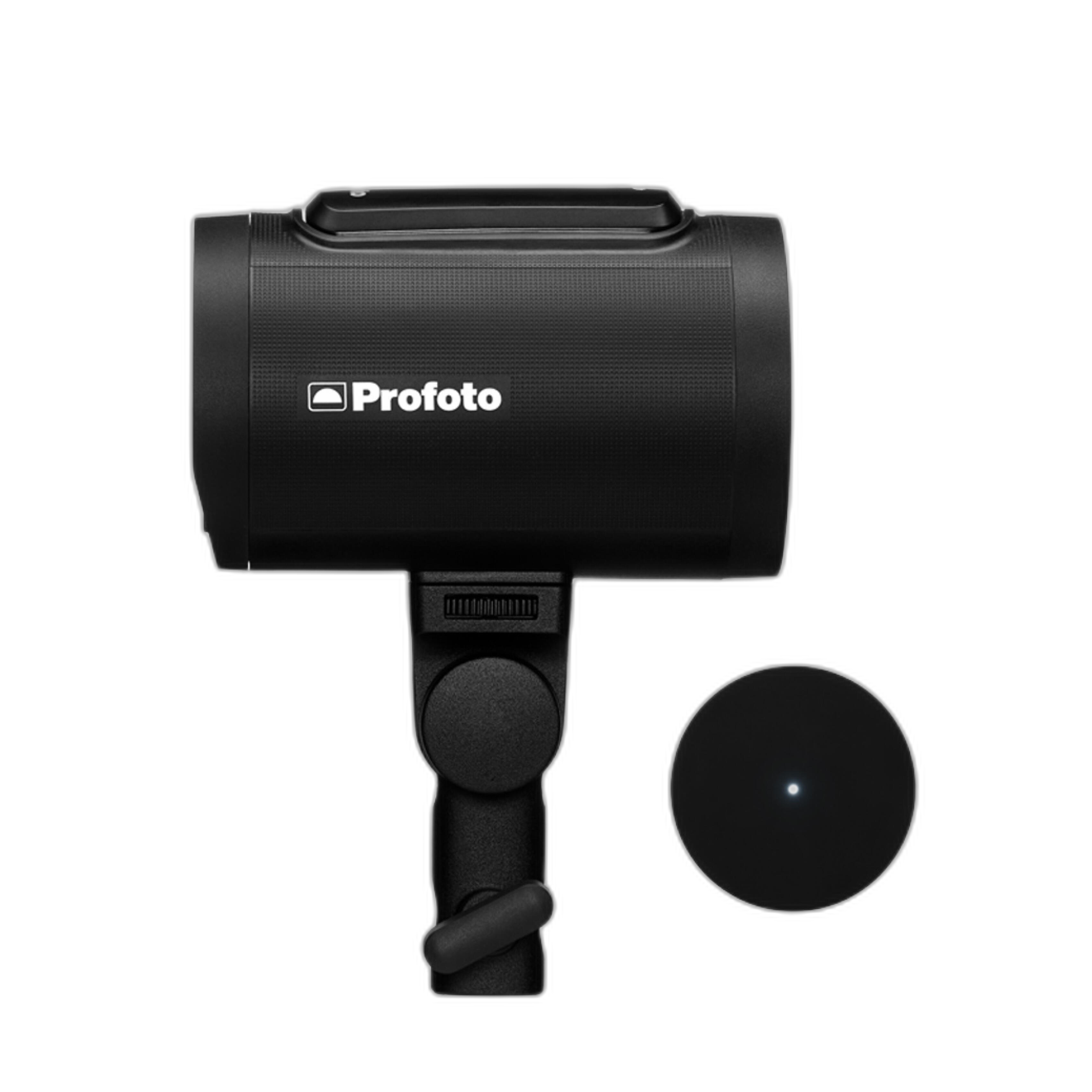
We recommend starting with contests that emphasize storytelling, creativity, or interpretation rather than highly technical niche specialties. A simple portrait, street scene, landscape, or still life with strong composition often performs better than an overly complicated idea that is not executed cleanly. If you are building portraits or environmental work for contests, adding thoughtful lighting can elevate your submission dramatically. For photographers using Canon, a portable lighting option like the Profoto A2 Connect Kit for Canon can help you create polished, contest-ready portraits on location or at home.
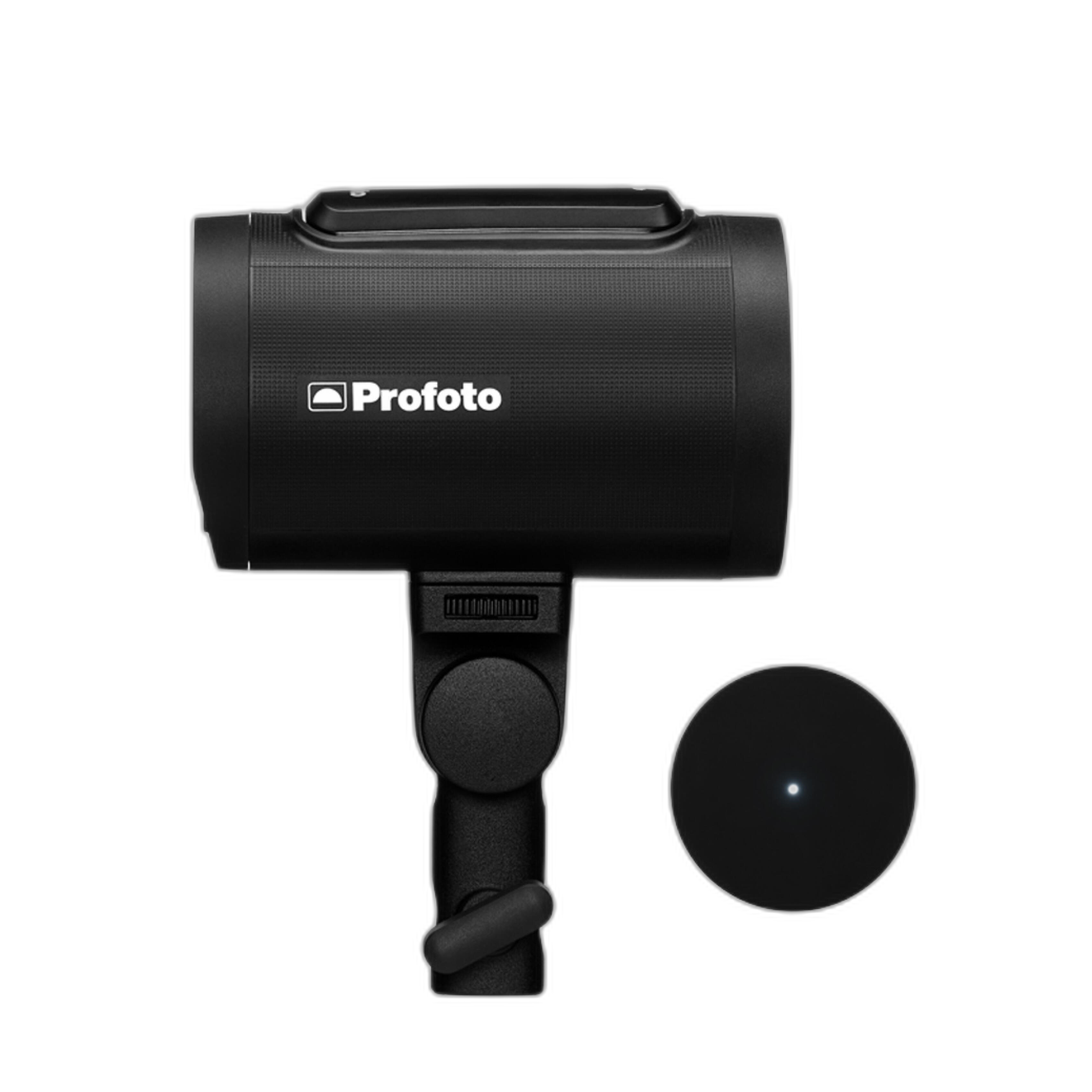
Sony shooters can benefit from the same lightweight lighting approach with the Profoto A2 Connect Kit for Sony, while Fujifilm and Nikon users have dedicated versions as well. Portable flash systems are especially useful for contest categories involving portraiture, editorial-style imagery, and creative setups where consistent light control matters.
How many photos should I enter in my first contest?
For most first-time entrants, fewer is better. If a contest allows multiple submissions, do not assume you should fill every slot unless you truly have several strong, distinct images. A tightly edited set usually makes a better impression than a larger group with inconsistent quality.
Choose images that are technically sound, emotionally engaging, and clearly aligned with the contest theme. Before entering, review each file at full size and ask yourself whether the image holds attention without explanation. If a photo needs a long backstory to work, it may not be your strongest entry. A clean, memorable image with strong composition often outperforms one that is merely complicated.
What common mistakes should first-time contest entrants avoid?
The biggest mistakes are usually avoidable. One of the most common is ignoring the rules. File dimensions, naming conventions, capture dates, editing restrictions, and category definitions all matter. Entering a great photo in the wrong category can hurt your chances just as much as poor image quality.
Another frequent mistake is over-editing. Excessive HDR effects, unnatural skin tones, oversharpening, heavy noise reduction, and aggressive color grading can make an image feel dated or distracting. Judges typically respond better to an edit that supports the subject rather than calls attention to itself.
Beginners also sometimes submit images without considering presentation. Dust spots, crooked horizons, clipped highlights, and awkward crops are easy to miss if you rush. Build time into your workflow to step away and review your images with fresh eyes before submitting.
Finally, avoid entering contests without reading the usage rights and eligibility details. A reputable contest should explain exactly how submitted images may be used and whether you retain ownership. If the terms are vague or overly broad, think carefully before participating.
Should I watermark my photos when entering a contest?
In most cases, no. Many contests specifically prohibit visible watermarks because they can interfere with judging or reveal the entrant's identity in blind review processes. Even when watermarks are allowed, they usually reduce the visual impact of the image.
Instead of adding a watermark, focus on entering contests with fair, clearly written terms. You should retain copyright to your image unless you explicitly agree otherwise. Many legitimate contests request only limited permission to display or promote winning and shortlisted work. That is very different from signing away broad commercial rights.
If you are concerned about unauthorized use, keep your original high-resolution files, metadata, and editing history. You can also submit the exact file size requested rather than a much larger version. The best protection is careful contest selection and good recordkeeping, not a distracting watermark across the frame.
How do I protect my copyright when entering a contest?
Copyright protection starts with understanding the contest rules before submission. Read the official terms and look for language covering ownership, licensing, promotional use, exclusivity, and third-party rights. A photographer-friendly contest should state that you retain copyright and grant only a limited license for contest-related promotion.
You should also make sure your metadata is intact where permitted, keep organized archives of your RAW files and exported versions, and save copies of the contest rules as they appeared when you entered. If the image includes recognizable people, private property, artwork, or branded elements, consider whether model or property releases may be required depending on the contest and intended use.
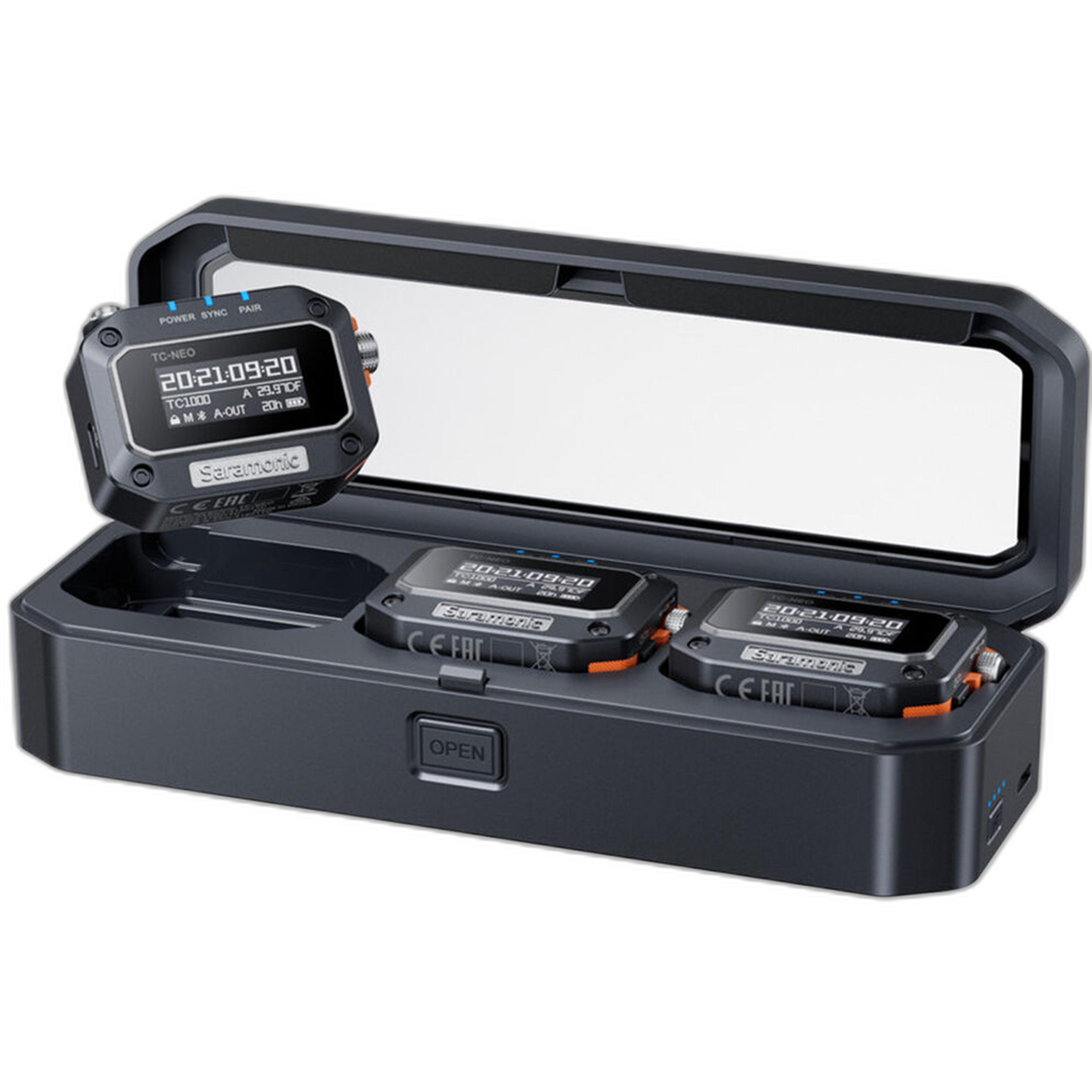
Professional organization protects your work just as much as legal awareness. If you are creating more advanced multimedia contest entries or behind-the-scenes content and need accurate synchronization, the Saramonic TC-NEO Kit Time Code Generator can help maintain an efficient, well-documented production workflow.
How can I tell if a photography contest is legitimate?
A legitimate contest is transparent. It should list the organizer, deadlines, entry fees if any, judging criteria, prize details, image rights terms, and contact information. Reputable contests also present their rules in plain language and do not hide important licensing terms in confusing fine print.
Be cautious if a contest seems designed primarily to collect entry fees, claims every entrant is a winner, or demands unusually broad rights to use all submissions for commercial purposes. Another warning sign is a lack of verifiable history, judges, sponsors, or prior winners. If you cannot confirm who is running the contest and how images will be used, it is best to move on.
One simple test is to ask whether the opportunity helps your growth as a photographer. Good contests offer exposure, feedback, recognition, publication, prizes, or networking value. If the value is unclear and the rights grab is obvious, it is probably not worth your image.
Where can beginners find good photography contests?
Start with organizations you already recognize and trust. Camera clubs, local arts groups, museums, photography schools, community publications, nonprofit arts organizations, and established photo brands often host worthwhile contests. These can be especially good for beginners because the themes and expectations are usually easier to understand.
You can also monitor photography event calendars, newsletters from respected industry groups, and educational communities that curate opportunities rather than simply listing them. When you do find a contest online, verify it independently by reviewing the host organization's website and checking whether the contest has a consistent history.
We also encourage photographers to build the skills behind strong submissions through workshops, classes, and shooting practice before chasing every contest deadline. A better-prepared portfolio will give you more confidence and better results over time.
Do I need special gear to succeed in photo contests?
No. A compelling photograph matters far more than owning the most expensive equipment. Strong timing, light, subject choice, and editing discipline are what usually separate memorable entries from forgettable ones. That said, the right tools can absolutely help you execute your ideas more effectively.
For portrait and creative category entries, a compact professional flash can add polish and control. The Profoto A2 Connect Kits for Canon, Sony, Fujifilm, and Nikon are great examples of lightweight lighting systems that can help beginners create more intentional work without carrying a large studio setup. If your idea involves controlled light, cleaner skin tones, or shaping the mood of a scene, adding flash may improve your final image significantly.
For photographers working across both stills and motion-based contest formats, accessories that improve workflow, synchronization, and production reliability can also make a difference. The key is to buy gear that supports your vision, not to assume gear alone wins competitions.
What should I do after I enter my first contest?
Once you submit, document what you entered and move on to the next project. Save the final files, submission confirmation, and the contest rules for your records. Then review your own process: Did you choose the right image? Did you edit enough time into your schedule? Did the category fit your work?
Whether you place or not, your first contest should be treated as a learning experience. Over time, you will get better at selecting images, reading judges' preferences, and identifying the contests that align with your strengths. If feedback is available, use it. If not, keep shooting, refining, and entering selectively.
Ready to strengthen your contest portfolio? Unique Photo offers lighting tools, accessories, and expert support to help you create polished images with confidence. Explore our gear selection and resources to prepare for your next submission.