Getting a cinematic look on a budget is less about chasing the most expensive camera body and more about choosing the right lenses, support gear, lighting control, and shooting techniques. At Unique Photo, one of the biggest questions filmmakers ask is: what actually makes footage look cinematic? The answer usually starts with lens choice, controlled lighting, stable camera movement, and thoughtful framing—not just resolution or headline specs.
If you're building a cost-conscious cinema setup, your money should go first toward the tools that visibly affect the image. That means prioritizing lenses, filtration, support accessories, and audio/lighting basics before overspending on a flagship body. Below, we break down the gear categories that matter most and how to allocate your budget for the best cinematic results.
What creates a cinematic look on a budget?
When people search for how to make video look cinematic, they often think of shallow depth of field, soft highlight roll-off, natural skin tones, and smooth camera movement. Those qualities are influenced by several factors working together:
- Lenses: focal length, maximum aperture, contrast, flare behavior, and rendering
- Lighting: shape, direction, softness, and consistency
- Camera movement: tripod, slider, monopod, or controlled handheld technique
- Filtration: ND filters for exposure control and diffusion for highlight bloom
- Production design: wardrobe, background separation, and color palette
- Color grading: consistent exposure and log workflow when available
In other words, cinematic footage comes from a system, not a single purchase. Still, if you want the biggest visual upgrade per dollar, lenses and exposure control usually have the most immediate impact.
Are lenses more important than the camera body for cinematic video?
For budget-conscious filmmakers, yes—lenses often matter more than the camera body. A strong lens can improve subject separation, produce more pleasing focus falloff, control distortion, and give footage a more polished feel. Meanwhile, many affordable or older cinema cameras are still capable of beautiful images when paired with good glass and careful lighting.
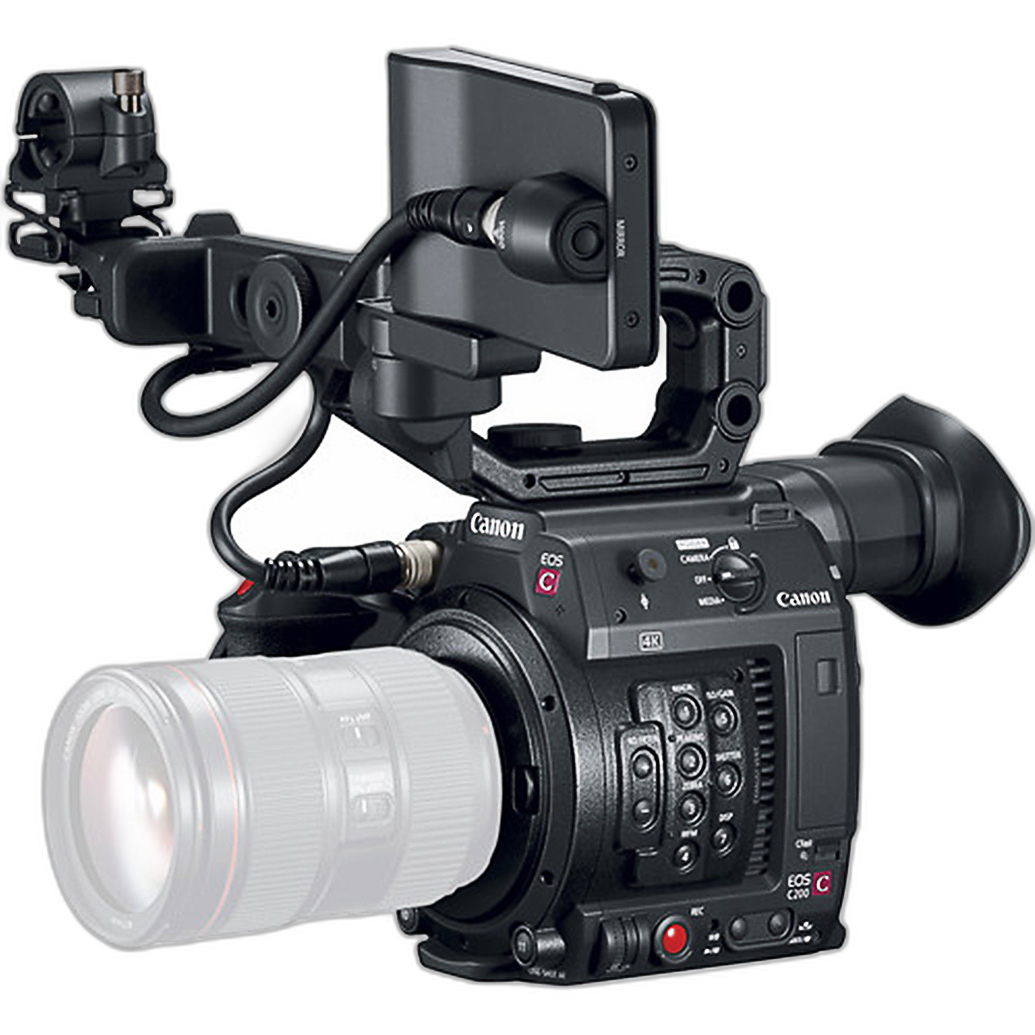
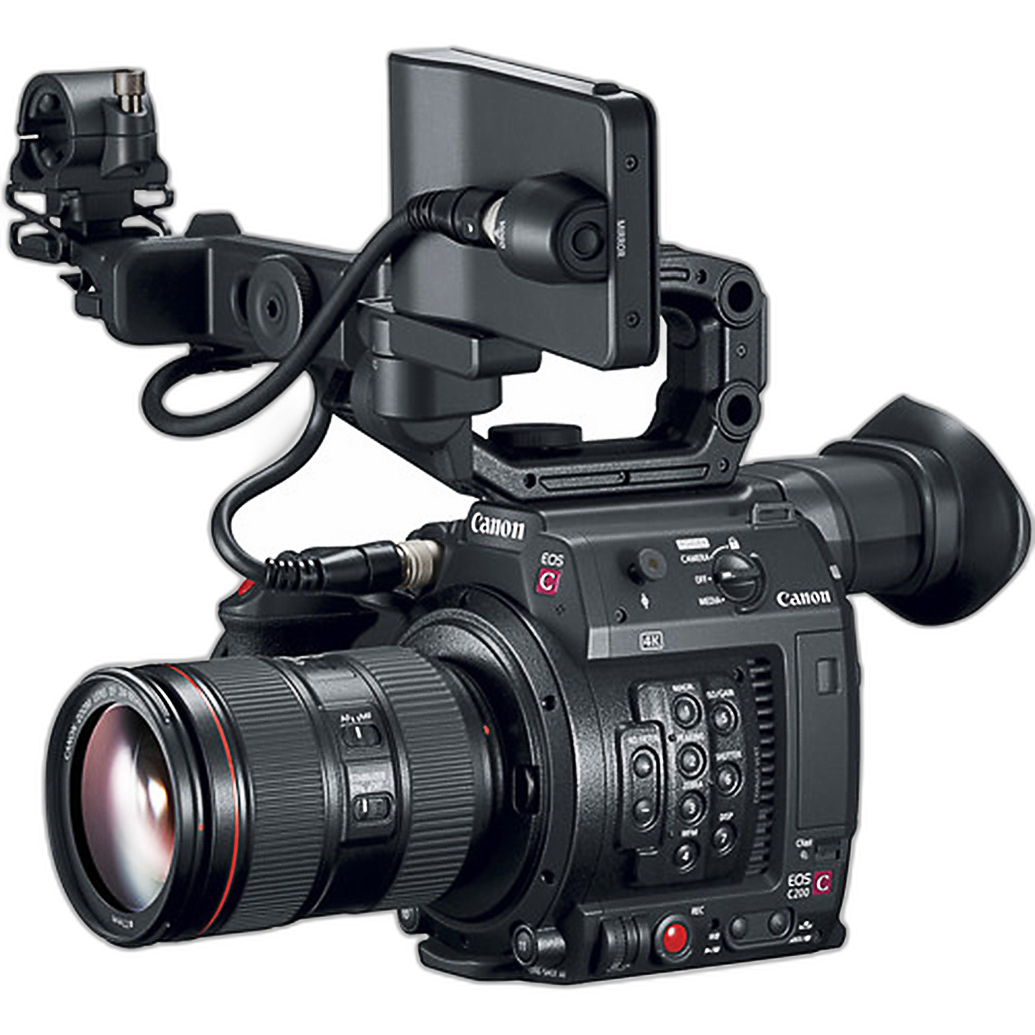
A practical example from Unique Photo's cinema selection is the Canon EOS C200 Cinema Camera (EF-Mount). It remains a compelling option for filmmakers who want professional ergonomics, internal cinema-focused features, and compatibility with a wide range of EF lenses. Pairing a capable body like the C200 with dedicated cine lenses can often deliver more cinematic results than buying a newer body and settling for mediocre optics.
Best lenses for a cinematic look on a budget
If you can only invest heavily in one part of your kit, make it your lens lineup. The best budget path is often to build around one or two strong focal lengths that cover your most common shots.
1. A fast portrait lens for subject separation
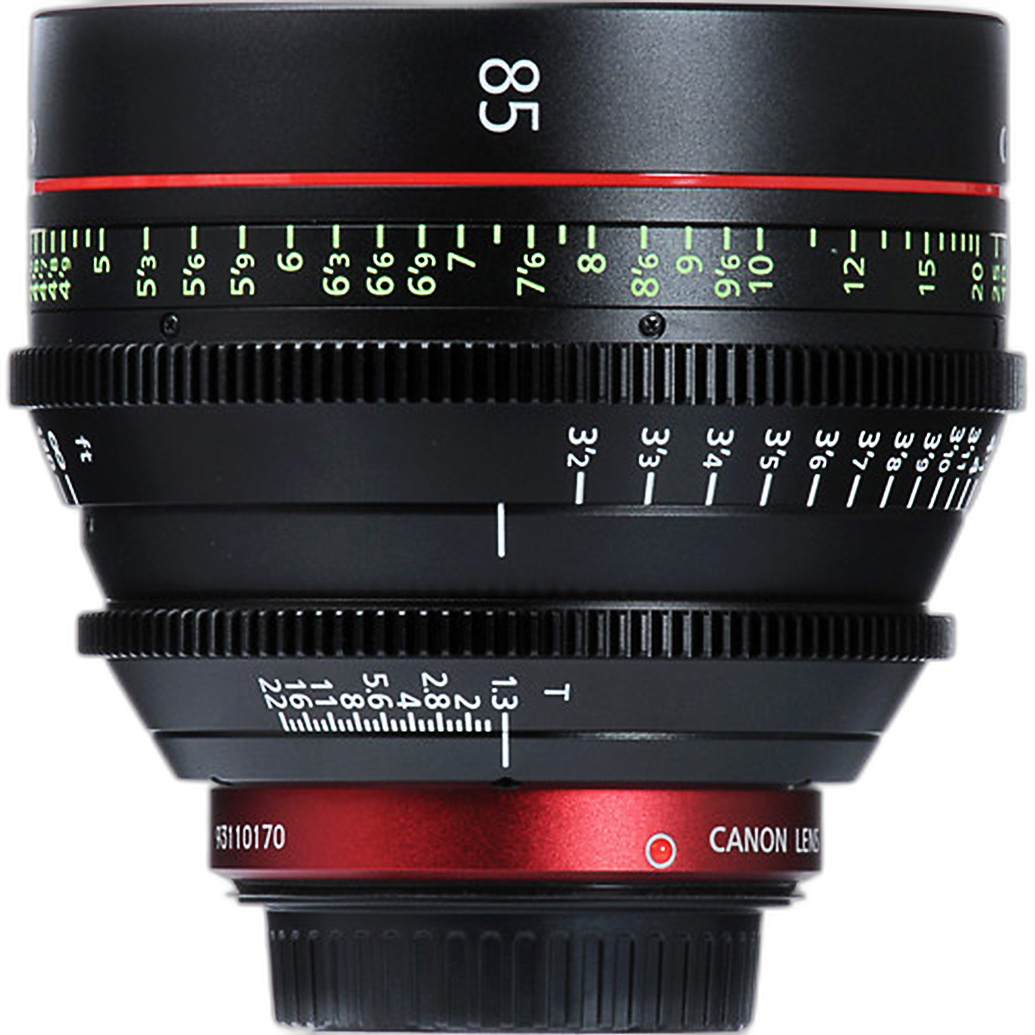
A short telephoto lens is one of the easiest ways to create a cinematic image. It compresses the background, flatters faces, and helps isolate your subject. The Canon CN-E 85mm T1.3 L F Cine Lens is a classic example of a cinema-ready portrait lens that can produce rich separation and polished character for interviews, narrative close-ups, and beauty work.
If buying new cine glass stretches your budget, used gear can be a smart move. A listing like the Used Canon CN-E 85mm T1.3 L F Cine Lens - Good shows how filmmakers can step into professional optics more affordably. For many shooters, buying one great used cine prime is better than buying several lower-end lenses that don't match well.
2. A versatile wide or normal prime
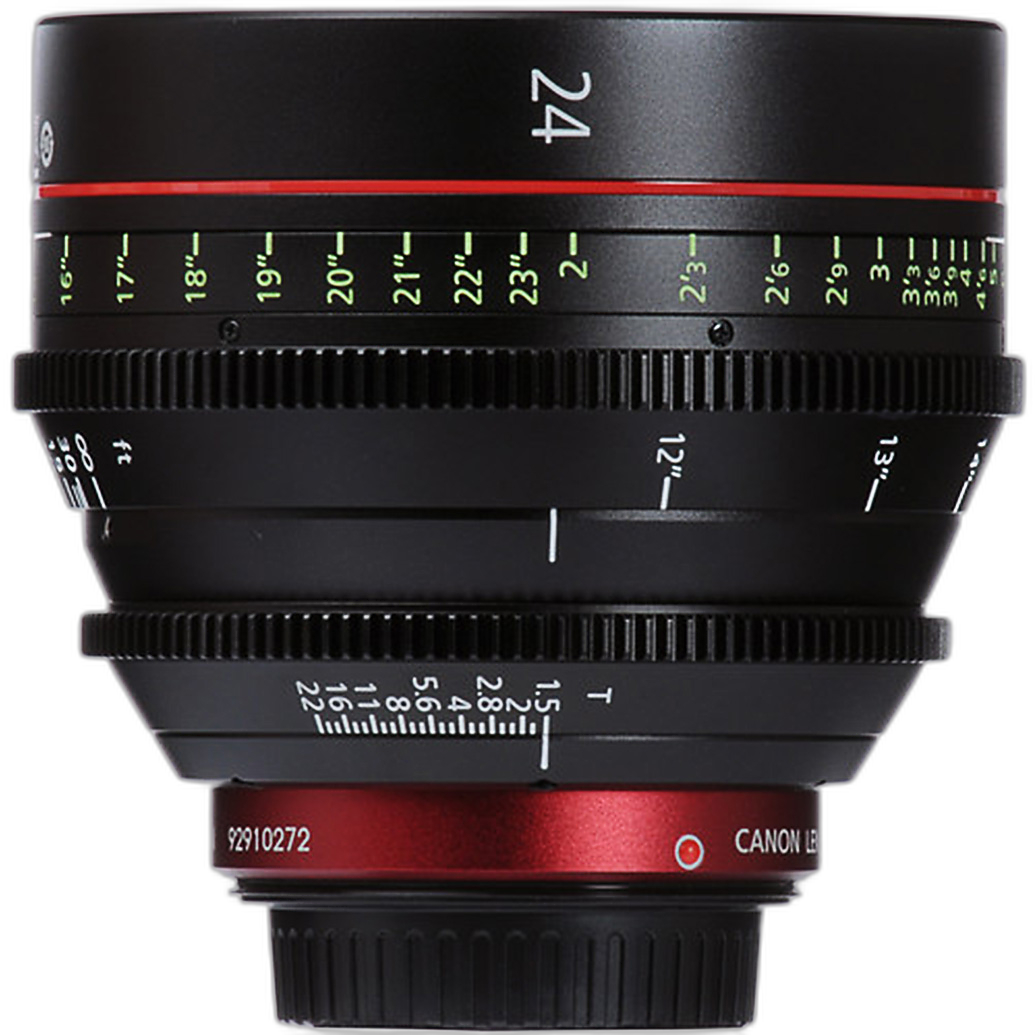
You also need a lens for establishing shots, gimbal work, and environmental compositions. The Canon CN-E 24mm T1.5 L F Cinema Prime Lens is especially useful here. A 24mm prime is wide enough for context but still cinematic when composed carefully. It works well for interiors, walk-and-talk scenes, documentary work, and music videos.
3. An ultra-wide lens for controlled stylization
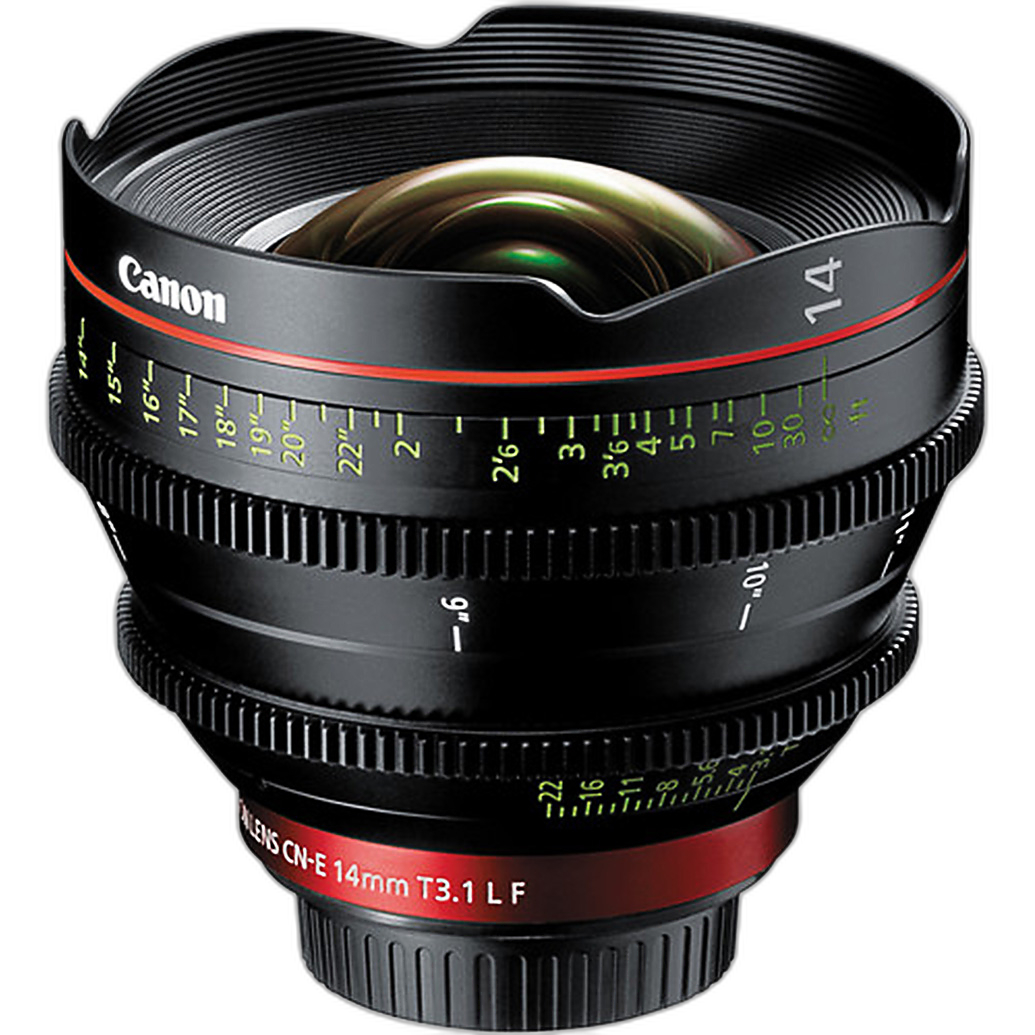
Ultra-wide lenses are not the first purchase for everyone, but they can be incredibly useful in tight interiors, architecture, and dramatic perspective shots. The Canon CN-E 14mm T3.1 L F Cinema Prime Lens gives filmmakers a specialized look that can elevate production value when used intentionally. For budget buyers, an open box Canon CN-E 14mm T3.1 L F can be an especially smart way to access premium cine optics at a lower cost.
The key takeaway: start with one lens that fits your typical projects. If you shoot interviews and narrative scenes, an 85mm is often transformative. If you need flexibility for run-and-gun storytelling, a 24mm or a camera-and-lens kit may make more sense.
Should you choose cine primes or a zoom lens kit?
One of the most common budget questions is whether to buy a set of cine primes or start with a versatile zoom. The answer depends on how you shoot.
If you need to cover a lot of focal lengths quickly, a camera package like the Canon EOS C200 EF Cinema Camera with 24-105mm II Lens Kit can be a practical entry point. It gives you an immediately usable range for events, corporate work, documentary production, and general video shooting. This kind of setup is ideal when budget and speed matter more than building a matched prime set from day one.
On the other hand, cine primes usually offer:
- Faster apertures for low light and shallower depth of field
- More consistent image character
- Better manual focus control
- Geared focus rings for follow focus systems
- Matched color and mechanical design across focal lengths
For many filmmakers shopping at Unique Photo, the best compromise is to start with a workhorse zoom or kit lens for paid jobs, then gradually add cine primes for higher-end projects and more deliberate visual storytelling.
Which accessories matter most for cinematic video?
Accessories are often underestimated, but they can dramatically improve production value. If your goal is cinematic video on a budget, these categories deserve attention.
1. ND filters
Neutral density filters are one of the most important video accessories you can buy. They let you maintain a cinematic shutter speed and wider aperture in bright conditions. Without ND, you'll often be forced to stop down, losing the shallow depth of field many filmmakers want.
2. Diffusion filters
Black mist and similar diffusion filters can soften digital sharpness, bloom highlights, and create a gentler texture. Used subtly, they can help footage feel more organic and less clinical.
3. A sturdy tripod
Stable shots still look expensive. A good tripod improves interviews, locked-off scenes, product videos, and slow, deliberate pans. It's one of the fastest ways to make footage look more professional.
4. A follow focus or improved manual focus workflow
Pulling focus smoothly is part of the cinematic language. Cine lenses such as Canon CN-E primes are built with manual focus operation in mind, making them especially valuable for narrative and commercial production.
5. Lighting modifiers
You do not need an enormous lighting package to look cinematic. A small softbox, bounce, flag, or negative fill can shape light far more effectively than simply adding another bright source.
6. External audio essentials
Great-looking footage can still feel low-budget if the audio is weak. Even if your priority is visuals, reserve part of your budget for a microphone, recorder, or wireless solution.
How to build a budget cinema kit in stages
If you're not ready to buy everything at once, build your kit in this order:
- Camera body with strong video features — for example, the Canon EOS C200 if it fits your workflow
- One excellent lens — a 24mm or 85mm depending on your subject matter
- ND filters — essential for outdoor cinematic shooting
- Tripod and support — to improve composition and movement
- Basic lighting kit — even one controlled light source helps
- Additional lenses — expand as your projects demand
This staged approach prevents overspending on gear that doesn't immediately improve your image. It also gives you time to learn what focal lengths and accessories actually suit your shooting style.
Can a high-end cinema camera help if you're on a budget?
For most filmmakers, a flagship cinema camera is aspirational rather than necessary. The RED DIGITAL CINEMA V-RAPTOR XL 8K VV Cinema Camera represents the top end of cinema production and is designed for demanding professional workflows. It's an incredible tool, but it's not the starting point for a budget cinematic setup.
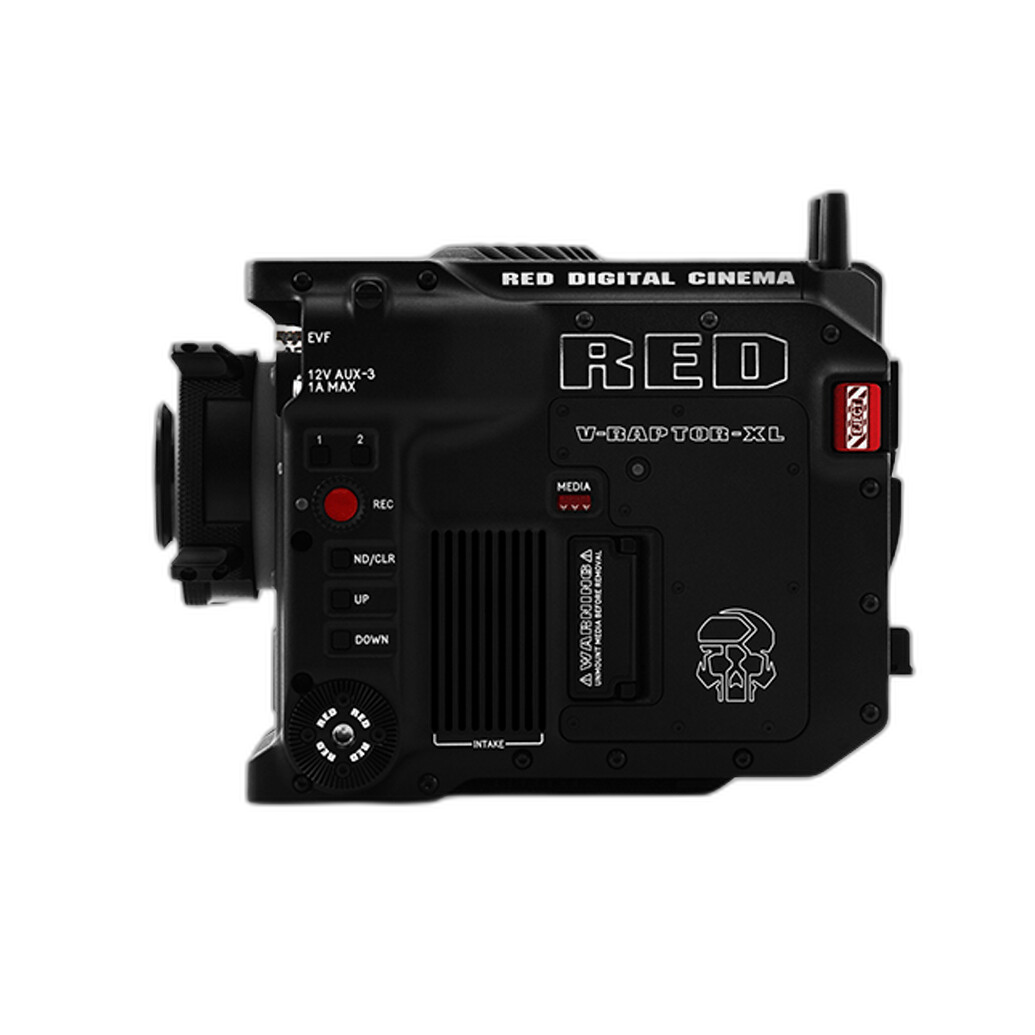
The useful lesson is that even high-end productions still rely heavily on the same fundamentals: excellent lenses, light control, movement, and art direction. Whether you're shooting on a RED system or a more accessible cinema body, those core decisions shape the cinematic result.
Best budget strategy for achieving a cinematic look
If you want the short version, here's the smartest path:
- Buy a capable cinema or video-focused camera body, not necessarily the newest one
- Invest in one or two strong lenses before buying extra accessories you won't use
- Use ND filters to preserve shallow depth of field outdoors
- Prioritize lighting control and camera stability
- Consider used and open box cine gear to stretch your budget
That last point is especially important. Unique Photo offers new, used, and open box opportunities that can make professional cine tools more attainable. For filmmakers trying to maximize image quality per dollar, shopping strategically often matters as much as the gear list itself.
Final thoughts: what matters most for a cinematic look?
The cinematic look comes from intentional choices, not just expensive equipment. On a budget, the biggest gains usually come from better lenses, exposure control, stable support, and shaped light. A body like the Canon EOS C200 paired with a lens such as the Canon CN-E 24mm T1.5 L F or Canon CN-E 85mm T1.3 L F can go a long way toward giving your work a more polished, filmic character.
If you're planning your next upgrade, Unique Photo is a strong place to compare cinema cameras, cine lenses, used lens options, and open box gear for filmmakers who want professional results without overspending.
For internal linking, consider directing readers to related Unique Photo pages on cinema cameras, cine lenses, used camera gear, open box deals, and video accessories so they can build a complete budget-friendly filmmaking kit.