If you're buying your first lens beyond the kit option, the biggest question is usually simple: should you start with a portrait lens or a landscape lens? The answer depends on what you love photographing most, but beginners usually benefit from choosing a lens that makes one style easier right away. For portraits, that often means a lens with flattering focal lengths and stronger background blur. For landscapes, it usually means going wider so you can fit more of the scene into the frame.
This guide is for new photographers who want a practical first upgrade without getting lost in technical jargon. Below, we break down what to look for, which focal lengths make the most sense, and which products stand out for getting started with portraits versus landscapes.
Portraits vs. Landscapes: What Your First Lens Should Do
A beginner-friendly portrait lens should help you isolate your subject, render faces naturally, and work well in available light. That usually points to a standard-to-short-telephoto focal length and, ideally, a brighter maximum aperture.
A beginner-friendly landscape lens should give you a wider field of view, good edge-to-edge sharpness, and flexibility for travel or outdoor shooting. Zoom lenses are often the easiest entry point because they let you experiment with composition without changing lenses constantly.
Sigma 28-70mm f/2.8 Contemporary DG DN Lens for L-Mount is the best all-around first lens in this lineup for most beginners. It covers environmental portraits, tighter portraits, travel scenes, and everyday landscapes, while the f/2.8 aperture gives you more creative flexibility than slower zooms.
Quick Comparison Table
| Product | Best For | Why Beginners May Like It | Considerations |
|---|---|---|---|
| Sigma 28-70mm f/2.8 Contemporary DG DN Lens for L-Mount | Portraits and everyday shooting | Flexible zoom range, bright f/2.8 aperture, great first upgrade | Not as wide as a dedicated landscape zoom |
| Panasonic LUMIX S 18-40mm F4.5-6.3 | Landscapes and travel | Wide-angle coverage makes scenic shooting easier | Slower aperture limits background blur and low-light performance |
| Used Panasonic 14-140mm F/3.5-5.6 - Fair | One-lens convenience | Huge zoom range for experimenting with different styles on a budget | Used condition and slower aperture |
| Fujifilm FUJINON GF 55mm f/1.7 R WR Lens | Portraits | Fast aperture and beautiful subject separation | Premium medium format option, less beginner-budget friendly |
| Fujifilm FUJINON GF 30mm f/5.6 T/S Lens | Architecture and landscapes | Specialized control for perspective | Very advanced and specialized for a first lens |
| Fujifilm FUJINON GF 110mm f/5.6 T/S Macro Lens | Product, macro, controlled portrait work | Exceptional specialty capability | Not the easiest or most practical first lens |
Best First Lenses for Portrait Beginners
Sigma 28-70mm f/2.8 Contemporary DG DN Lens for L-Mount
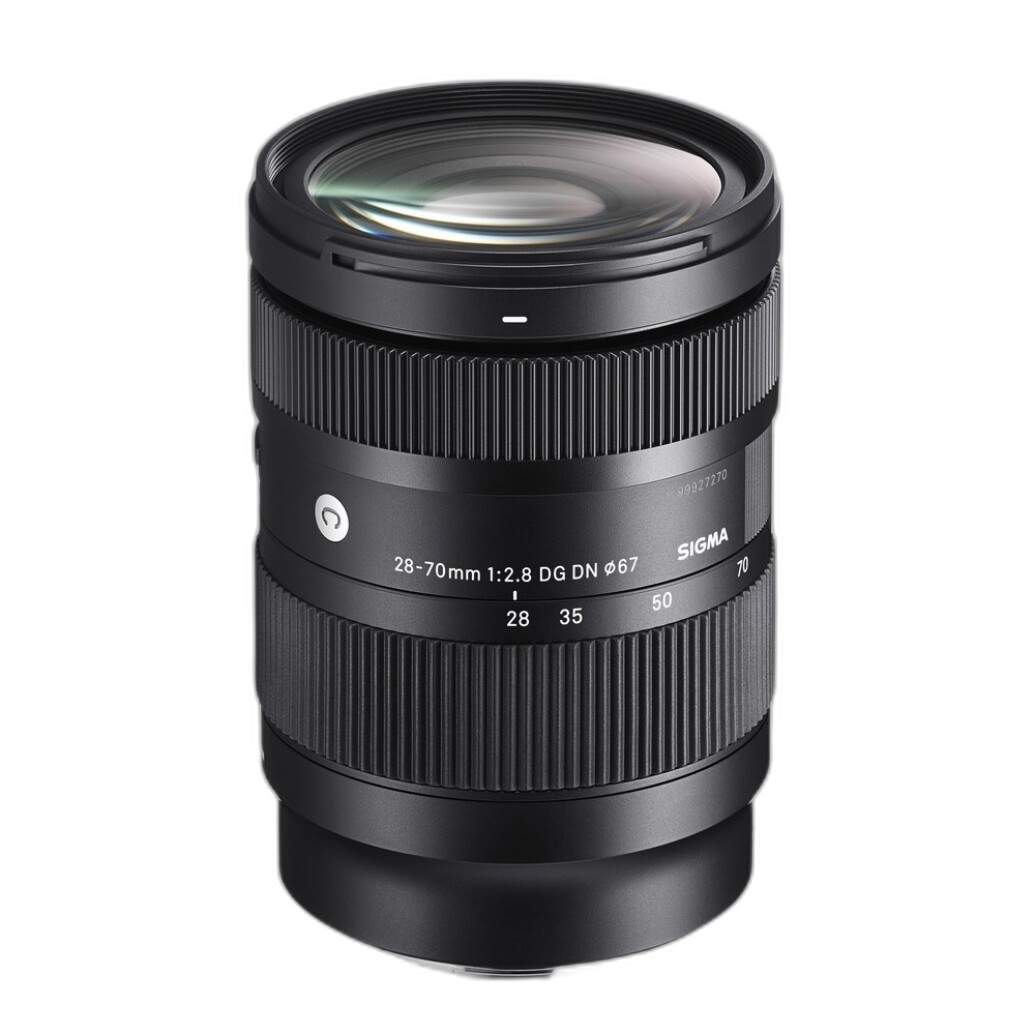
If you're new to portraits and want one lens that can also handle everyday photography, this Sigma is the most approachable place to start. The 28-70mm range gives you room to shoot wider environmental portraits at the short end and more flattering head-and-shoulders shots as you zoom in. The constant f/2.8 aperture is a major advantage for beginners because it helps create softer backgrounds and keeps shutter speeds more manageable indoors.
It's also an excellent lens for someone who hasn't fully decided between portraiture and general photography. You can use it for family photos, events, travel, street shooting, and even casual landscapes. That versatility makes it an especially smart first purchase.
Best for: Beginners who want one high-value lens for portraits, daily shooting, and some landscape use.
Fujifilm FUJINON GF 55mm f/1.7 R WR Lens
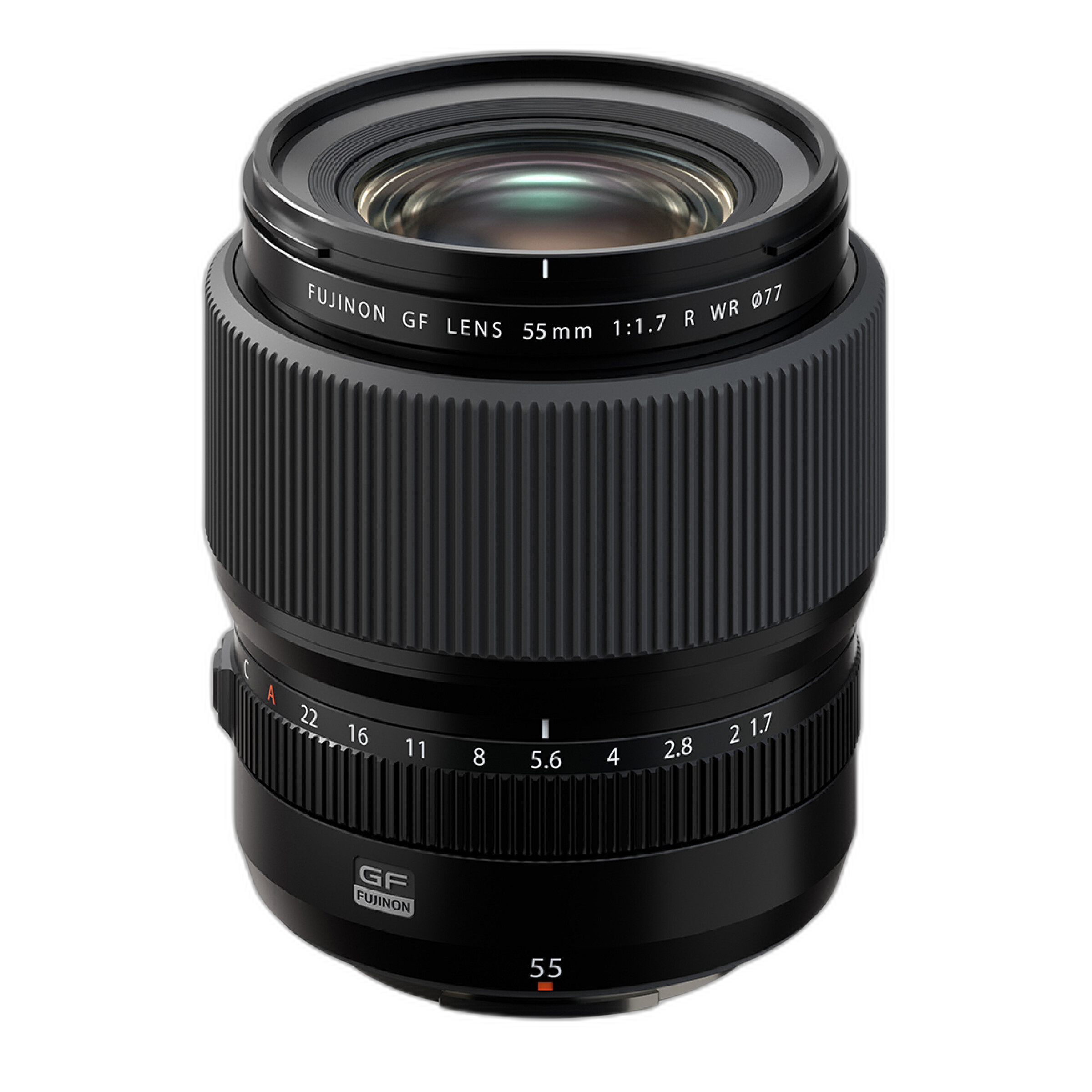
For photographers shooting on Fujifilm GFX medium format, the GF 55mm f/1.7 is the standout portrait-friendly choice here. A fast f/1.7 aperture gives you strong subject separation and a premium look that portrait photographers love. The focal length is also highly versatile, making it useful for portraits, editorial work, and natural-light shooting.
That said, this is more of a premium first lens than a typical beginner-budget recommendation. If you're already invested in the GFX system and want a first serious portrait lens, it's a compelling option. If you're just entering photography in general, it's likely more lens than you need to start.
Best for: GFX users who want a premium portrait-first lens with beautiful depth and rendering.
Best First Lenses for Landscape Beginners
Panasonic LUMIX S 18-40mm F4.5-6.3
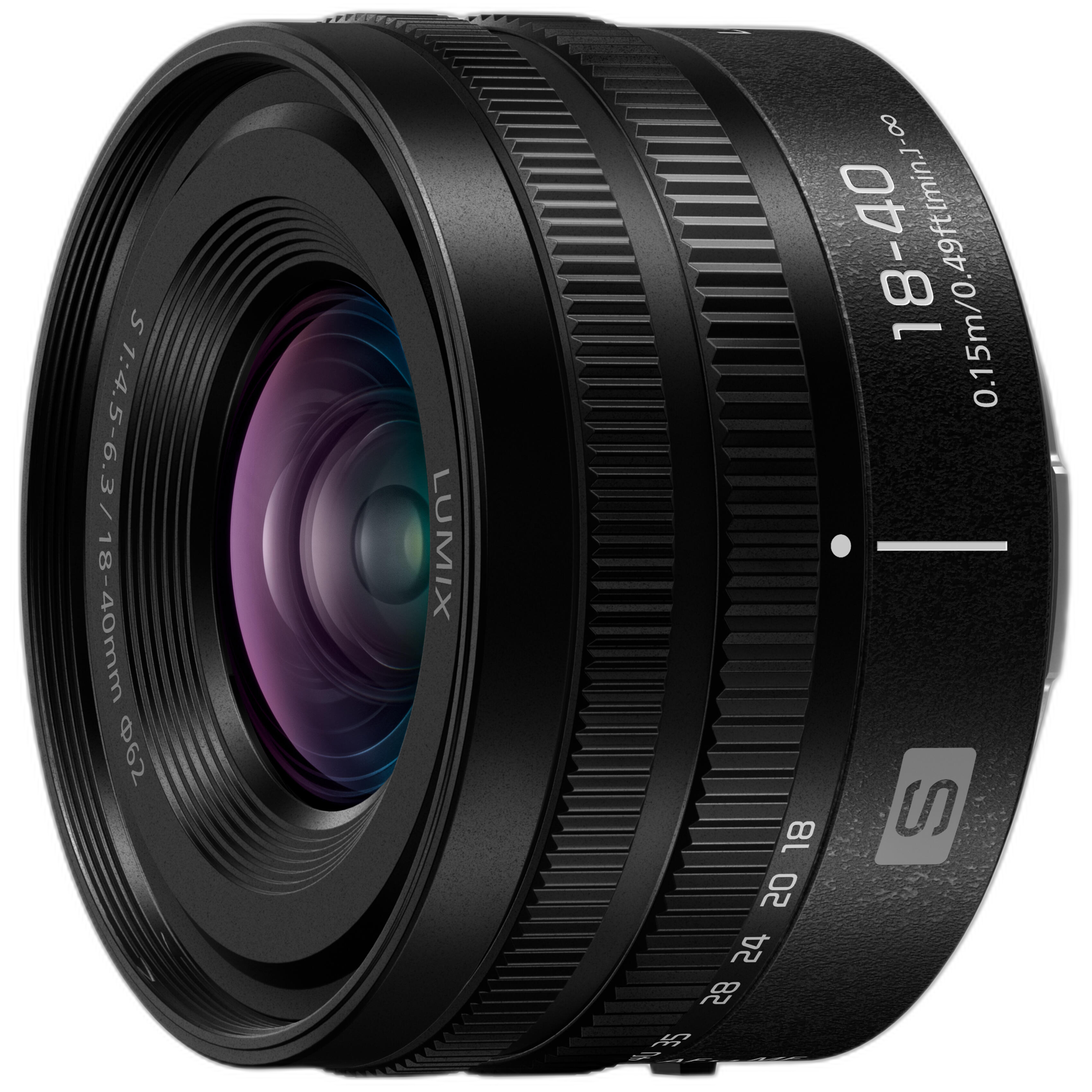
If landscapes are your main priority, this Panasonic is one of the clearest first buys in the group. The wide end makes it easier to capture sweeping views, dramatic foregrounds, and travel scenes in tighter spaces. For beginners, going wide often makes landscape composition more intuitive because you can include more of the environment while learning how to organize the frame.
The tradeoff is the slower aperture, but for landscape work that's often less of a problem since many scenic images are shot stopped down for depth of field anyway. If your goal is hiking, travel, cityscapes, or scenic photography, this is a very sensible place to begin.
Best for: New photographers who mainly want to shoot landscapes, travel, and wide scenes.
Used Panasonic 14-140mm F/3.5-5.6 - Fair
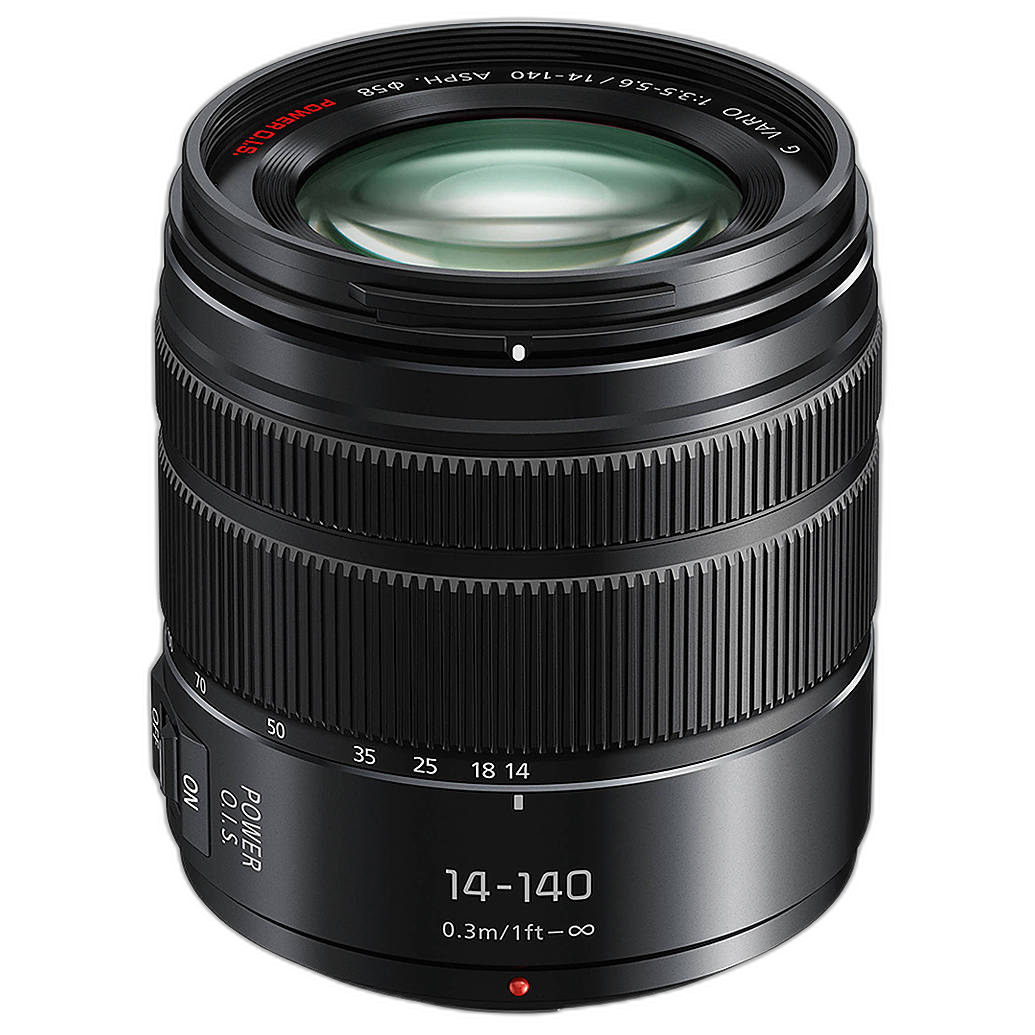
If you don't yet know whether you'll prefer portraits, landscapes, wildlife, or travel images, an all-in-one zoom can be a smart learning tool. This used Panasonic offers a very broad zoom range, letting beginners experiment with wide compositions, normal perspectives, and telephoto framing without buying multiple lenses.
It's especially practical for budget-conscious shoppers who care more about versatility than having the brightest aperture. Since this is listed in fair used condition, it's best for photographers who want maximum value and understand that cosmetic wear may be part of the package.
Best for: Beginners who want one affordable lens to explore multiple styles before specializing.
Advanced Options That Are Better Later Than First
Fujifilm FUJINON GF 30mm f/5.6 T/S Lens
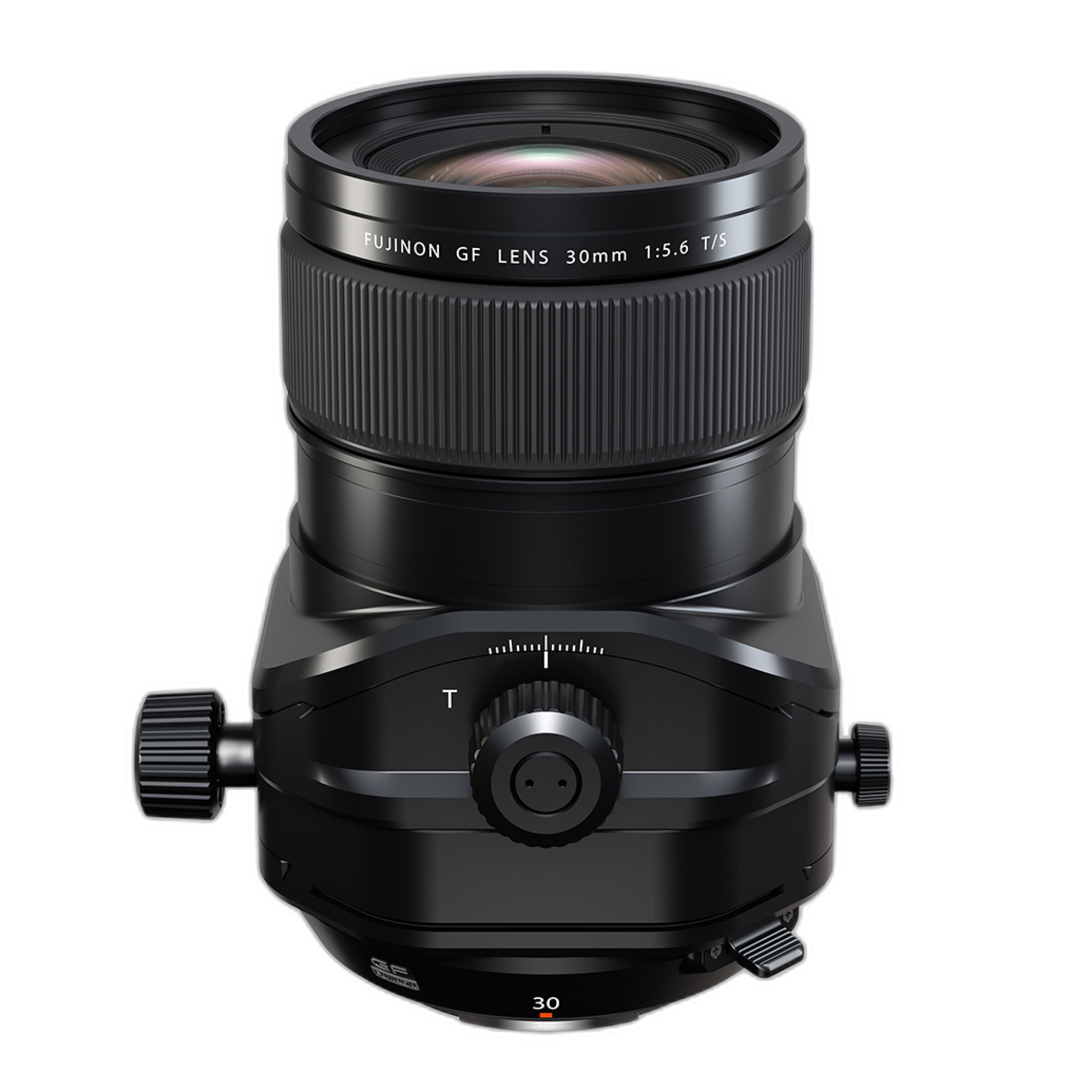
This is an impressive technical lens for architecture, interiors, and carefully controlled landscape work. Tilt-shift functionality allows perspective correction and selective plane control, but that same complexity makes it hard to recommend as a true first lens for most beginners. It's better suited to photographers who already know they need these specialized movements.
Fujifilm FUJINON GF 110mm f/5.6 T/S Macro Lens
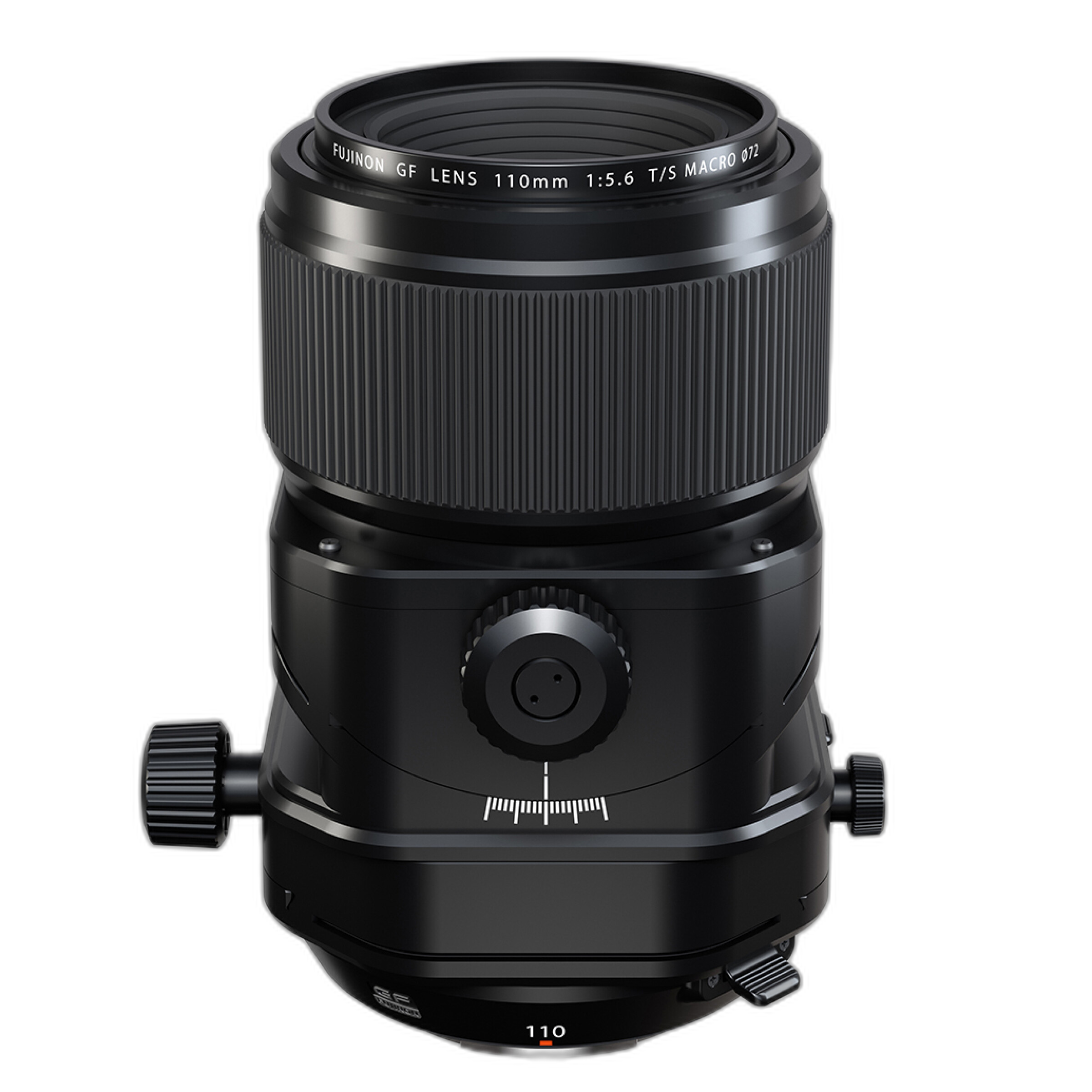
Like the GF 30mm T/S, this is a specialty optic rather than a beginner general-purpose choice. Its macro and tilt-shift capabilities are powerful for product, close-up, and studio work, but most first-time lens buyers will get more immediate value from a flexible zoom or a fast standard prime.
Helpful Add-Ons for Portrait and Landscape Beginners
Tiffen 72mm Wedding Portrait
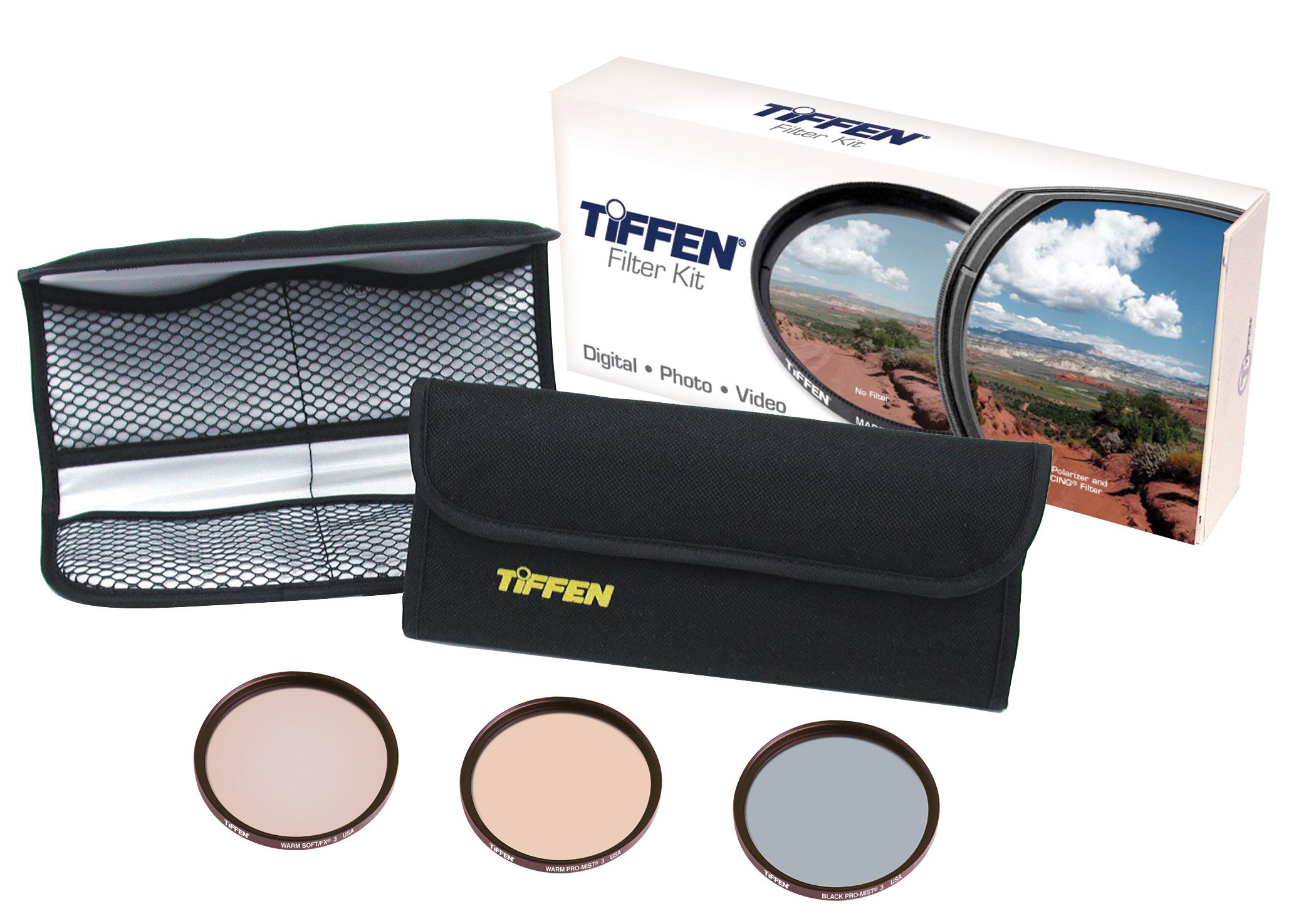
This isn't a lens, but portrait beginners may appreciate a creative filter like this once they have a solid lens in place. It can help create a stylized portrait look, but it should be considered an accessory rather than your first investment. Get the lens first, then experiment with filters later.
LEE Filters LEE100 Landscape Kit
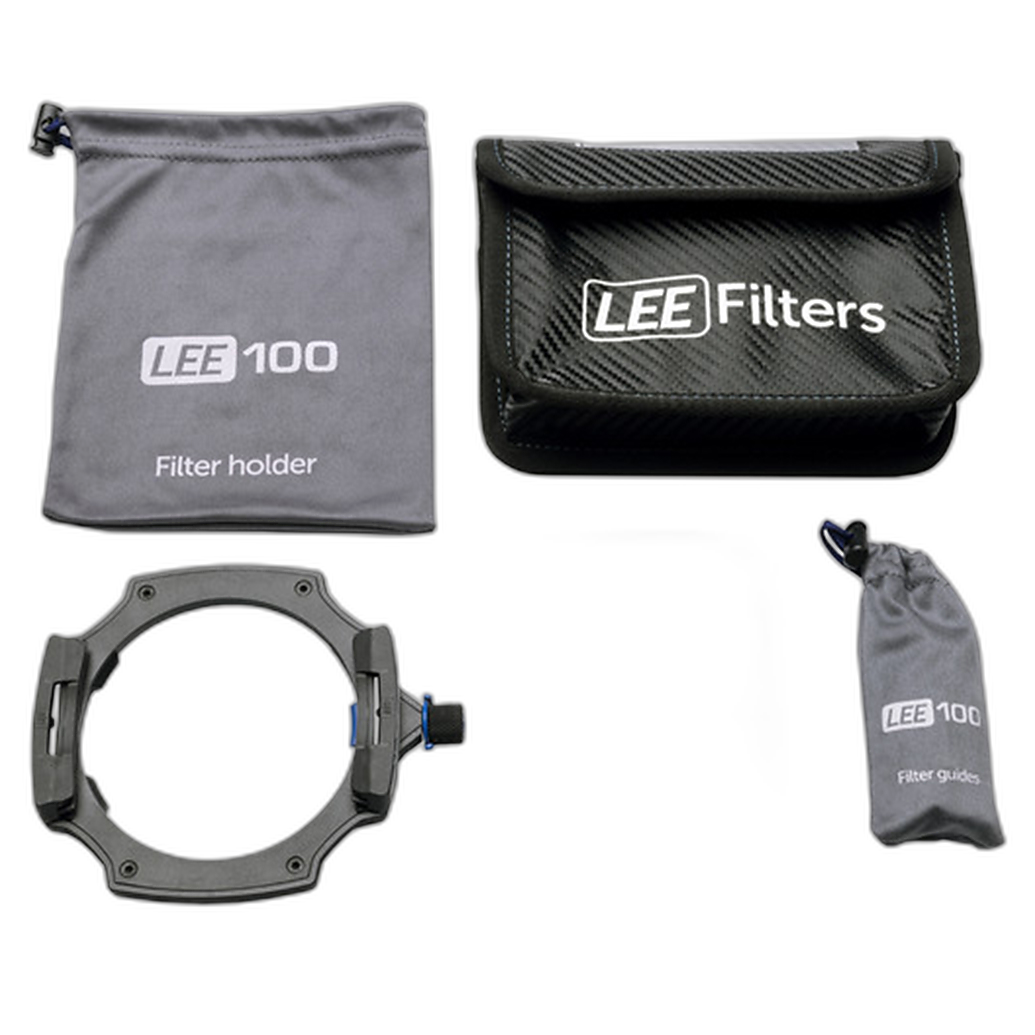
For landscape photographers, filters can be just as educational as lenses once you've got the right focal length. A landscape filter kit can help manage bright skies, reflections, and long-exposure effects. Still, beginners should prioritize getting a good wide or versatile lens first, then add filters to expand creative options.
How to Choose Your First Lens
Choose a portrait-first lens if: you mostly photograph people, want blurred backgrounds, shoot indoors, or care about subject separation.
Choose a landscape-first lens if: you travel often, shoot outdoors, love nature or cityscapes, or want dramatic wide-angle compositions.
Choose a versatile zoom if: you're still discovering your style and want one lens that can do a little of everything.
Conclusion
For most beginners, the best first lens is the one that matches the subjects you actually shoot. If portraits are your priority, the Sigma 28-70mm f/2.8 Contemporary DG DN Lens for L-Mount is the strongest overall recommendation here thanks to its flexibility, bright aperture, and beginner-friendly range. If landscapes come first, the Panasonic LUMIX S 18-40mm F4.5-6.3 is the more natural starting point. And if you're still figuring things out, the Used Panasonic 14-140mm F/3.5-5.6 is a practical one-lens option for learning what you like.
Whichever direction you go, shopping with Unique Photo makes it easier to compare lens options, explore accessories, and find the right first upgrade for your camera system.