Entering your first photography contest can be exciting, motivating, and a little intimidating. Whether you shoot portraits, landscapes, street photography, events, or short-form visual stories, contests can help you sharpen your vision and get your work in front of new audiences. But first-time entrants often make the same avoidable mistakes.
If you are wondering what to avoid when entering a photography contest for the first time, this guide covers the most common errors—from submitting the wrong image to ignoring file specs, over-editing, or misunderstanding licensing terms. At Unique Photo, we regularly help photographers of all experience levels prepare their gear, refine their workflow, and make smarter creative decisions before important submissions.
Don’t Enter a Contest Before Reading the Rules Carefully
One of the biggest first-time photography contest mistakes is assuming all contests work the same way. They do not. Every competition has its own entry requirements, subject matter restrictions, deadlines, file size limits, and usage terms.
Before you upload anything, verify:
- Eligibility requirements, including age, location, and amateur or professional status
- Whether AI-generated or composited imagery is allowed
- Accepted file types and dimensions
- Theme or category definitions
- Submission deadlines and time zones
- Model release or property release requirements
- Licensing and reproduction clauses
Many contest entries are disqualified for technical reasons long before judges review creativity. If the contest asks for a 3000-pixel JPEG in sRGB, do not submit a different size or color space. If it asks for a single image, do not submit a collage. Following rules is part of the competition.
Avoid Submitting Your “Favorite” Photo Without Asking If It Fits the Theme
A common beginner error is choosing your most emotionally meaningful image instead of your most appropriate one. A strong image that does not fit the contest brief is still a weak entry for that specific competition.
Ask yourself:
- Does this photo clearly match the category?
- Will a judge understand the subject immediately?
- Is the story obvious without extra explanation?
- Does it stand out while still belonging in the theme?
For example, a beautifully lit portrait may not perform well in a travel category unless the sense of place is unmistakable. Likewise, an abstract close-up may be artistically compelling but may miss the mark in a documentary contest if context is absent.
At Unique Photo, we often recommend creating a short list of 5 to 10 possible entries and comparing them specifically against the contest language—not just against your personal attachment to the image.
Don’t Ignore Technical Quality
Judges may forgive small imperfections if an image is extraordinary, but obvious technical problems can quickly hurt your chances. First-time contest entrants should avoid submitting images with:
- Missed focus on the primary subject
- Distracting highlights or blocked shadows
- Visible compression artifacts
- Poor color balance
- Dust spots, sensor marks, or sloppy retouching
- Weak cropping or awkward framing
Before submitting, zoom in at 100% and inspect the file carefully. What looks good on a phone screen may fall apart on a larger display.
If you are building a more polished portrait or editorial contest workflow, reliable lighting can make a huge difference. A compact system like the Profoto A2 Connect Kit can help create cleaner, more intentional light on location or in controlled environments.
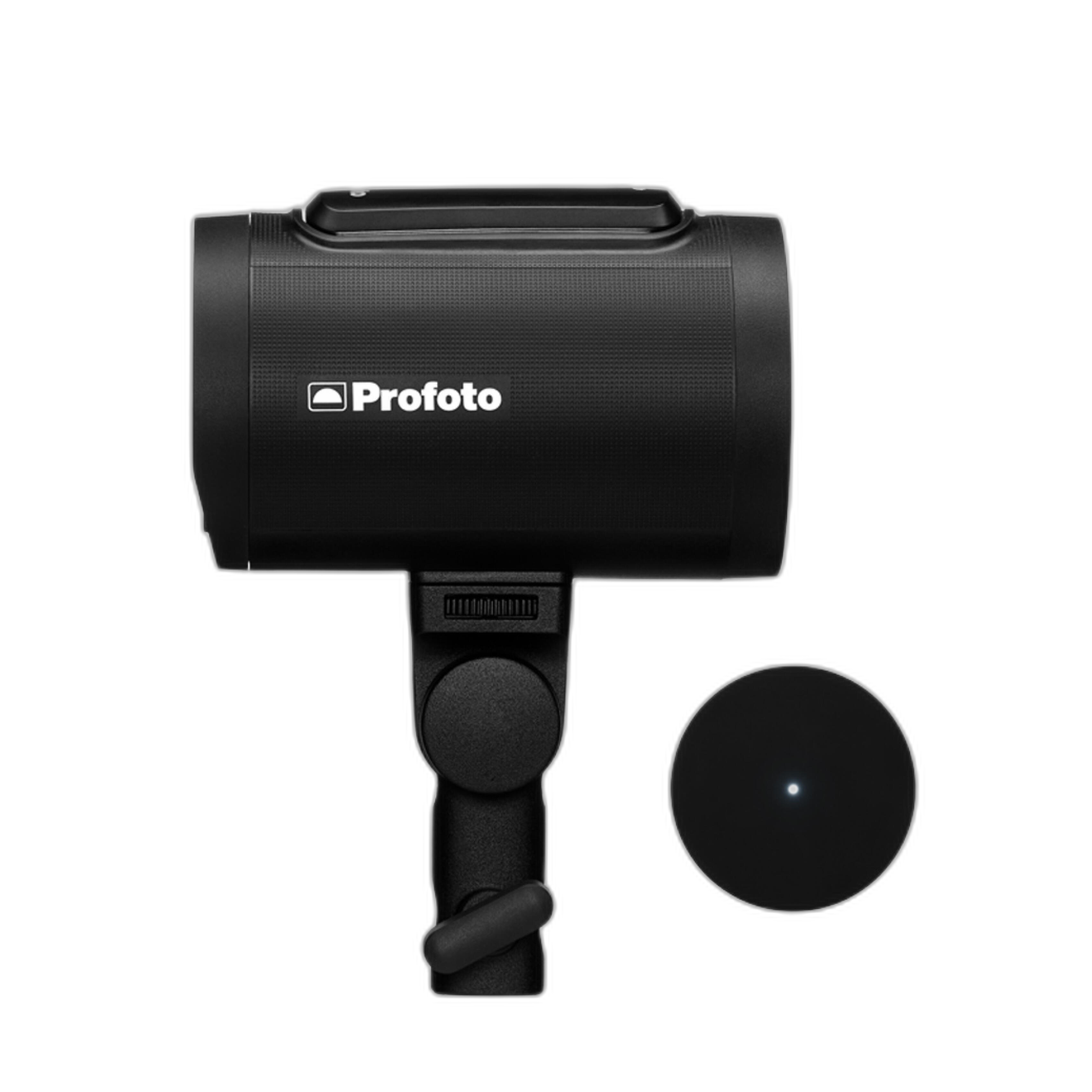
Unique Photo carries lighting tools and accessories that can help you improve image consistency before contest season, especially if you are refining portrait, fashion, or still life entries.
Avoid Over-Editing Your Images
Another major mistake in photography contests is pushing edits too far. Heavy-handed processing can make images look unnatural, dated, or distracting. Oversaturated colors, extreme clarity, harsh HDR effects, aggressive skin smoothing, and unrealistic skies often weaken an otherwise strong photograph.
Instead, focus on edits that support the image:
- Accurate color correction
- Natural contrast
- Clean tonal separation
- Subtle retouching
- Thoughtful cropping
- Output sharpening suited to the final file size
If the contest is documentary, photojournalism, or nature-oriented, editing restrictions may be even tighter. In those cases, excessive manipulation can lead to disqualification. Always keep an original file and review the allowed post-processing rules before exporting your final version.
Don’t Submit Without Reviewing the Caption, Title, or Artist Statement
Some contests judge images alone. Others consider the title, caption, or short written description as part of the submission. A weak or confusing text field can undermine a strong image.
Avoid:
- Overexplaining obvious details
- Writing vague, generic titles
- Using dramatic language that the image does not support
- Misspelling names, places, or technical terms
- Leaving required fields blank
If a statement is required, keep it concise and relevant. Explain the context, intention, or significance without trying to force emotional impact. Let the image do most of the work.
Avoid Entering Too Many Categories With the Same Image
It can be tempting to maximize your chances by entering one photo in multiple categories, but this strategy can backfire. If the image feels like a stretch in several categories, judges may see it as unfocused. It is usually better to place each image where it belongs most naturally.
For first-time entrants, a more effective approach is to:
- Select your best two or three images
- Match each image to its strongest category
- Submit only where there is a clear fit
Quality of placement matters more than quantity of entries.
Don’t Forget About Presentation and File Preparation
Good contest submissions are not only about photography—they are also about presentation. Avoid sloppy export settings, random filenames, and missing metadata when required.
Before uploading, check:
- Correct file naming format
- Proper resolution and dimensions
- sRGB conversion if requested for web submission
- No watermarks unless explicitly allowed
- No borders unless the contest permits them
- Accurate EXIF or capture information if needed
Presentation also applies to motion and multimedia categories. If you are entering hybrid or video-based contests, synchronized audio and organized production workflow matter. Tools like the Saramonic TC-NEO Kit Time Code Generator can help streamline multi-camera or sound-sync setups for polished visual storytelling.
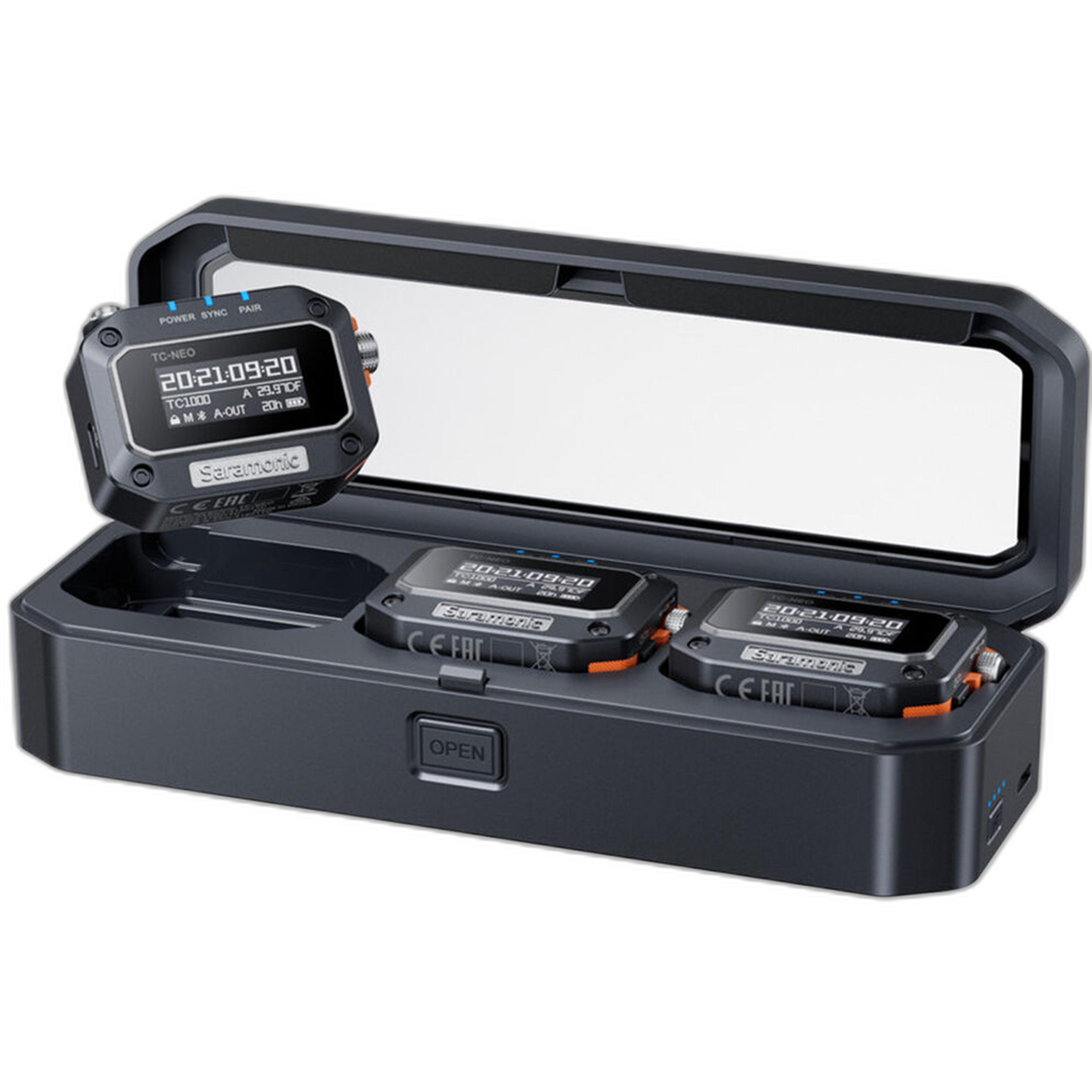
Unique Photo offers practical accessories that can support creators working beyond still photography, especially as more contests expand into video and multimedia storytelling.
Avoid Ignoring Licensing Terms and Rights Agreements
This is one of the most important things to avoid when entering a contest. Some competitions are excellent opportunities. Others ask for overly broad rights to use your images indefinitely, without fair limits or credit protections.
Read the fine print and watch for language that gives the organizer:
- Perpetual unrestricted usage
- The right to sublicense your photo freely
- Commercial usage without compensation
- Ownership transfer instead of limited promotional use
Many reputable contests do request limited rights to promote the contest and showcase winners. That is normal. The key is understanding exactly what you are agreeing to before you submit. If the rights grab seems excessive, it may be wise to skip that competition.
Don’t Wait Until the Last Minute
Rushed entries lead to preventable mistakes. Upload errors, payment issues, file corruption, and forgotten releases happen most often near deadlines. Give yourself time to step away and review your submission with fresh eyes.
A better timeline is:
- Choose candidate images several days early
- Edit and export final versions ahead of time
- Review rules one more time
- Upload before the final day if possible
- Confirm receipt or save submission records
Last-minute stress can also affect decision-making, causing you to submit weaker work than you would have chosen with more time.
Avoid Comparing Your Beginning to Everyone Else’s Highlight Reel
Many first-time entrants hesitate because they assume they are not “ready.” But contests can be valuable learning experiences even if you do not win. The mistake to avoid here is judging your progress only against the most established photographers in the field.
Instead, use your first contest as a benchmark. Ask:
- Did I follow the brief successfully?
- Was my image selection strong?
- Did my file preparation meet professional standards?
- What would I improve next time?
Growth often comes from entering, reflecting, and trying again.
Don’t Overlook the Importance of Reliable Gear and Backup Planning
While contests are mostly won through vision rather than equipment alone, dependable gear still matters. Missed shots, corrupted files, or inconsistent lighting can cost you an entry before editing even begins. That is why many photographers shop with Unique Photo not just for cameras and lenses, but for workflow-supporting tools, lighting, accessories, and long-term gear protection.
For professionals or high-end cinema shooters preparing major submissions, service protection can also matter. Products like the RED Extended Warranty - V-RAPTOR XL are relevant for creators who rely on advanced production equipment and want continuity in demanding workflows.

Even if your current contest entry is simpler, the broader lesson is clear: avoid preventable technical setbacks by maintaining your gear, backing up files, and testing equipment before important shoots.
What Should First-Time Contest Entrants Do Instead?
If you want a quick checklist, here is the better path:
- Read the rules carefully
- Choose images that clearly fit the category
- Prioritize technical quality
- Edit with restraint
- Review captions and titles
- Export files exactly as requested
- Understand the rights agreement
- Submit early
- Treat the experience as part of your growth
The best contest entries usually combine strong storytelling, technical control, and thoughtful presentation. You do not need to be perfect—you just need to avoid the most common mistakes and submit your strongest, most relevant work.
Conclusion: Enter With Confidence, Not Guesswork
If this is your first time entering a photography contest, the biggest things to avoid are simple: not reading the rules, choosing the wrong image, over-editing, ignoring technical details, and rushing the process. A careful, well-prepared submission instantly gives you a better chance of making a strong impression.
Unique Photo is a great resource when you are getting contest-ready, whether you need lighting for portraits, accessories for multimedia production, or dependable gear support before an important shoot. As a next step, consider exploring internal resources and product categories such as camera lighting kits, photo contest preparation tips, camera accessories, and educational content for improving portrait, documentary, and travel photography workflows.
With the right preparation, your first contest entry can be more than just a submission—it can be the start of a smarter creative process.