Best Travel Camera FAQ: Compact vs Mirrorless for 2024 Trips
Choosing a travel camera is all about balancing image quality, portability, flexibility, and how you actually like to shoot on the road. At Unique Photo, we regularly help travelers decide whether a compact camera, a fixed-lens premium option, or a small interchangeable-lens system makes the most sense for everything from city breaks to international adventures.
If you are comparing pocketable convenience with the creative control of a mirrorless kit, this FAQ breaks down the tradeoffs and highlights a few practical options available from Unique Photo.
Should I choose a compact camera or a small mirrorless camera for travel?
The best choice depends on how much gear you are willing to carry and how much flexibility you want. A compact camera is ideal if your priority is convenience. It is easier to keep with you all day, quicker to pull out for spontaneous moments, and less likely to feel like a burden during long walking days. That makes a compact especially attractive for sightseeing, casual street photography, family travel, and trips where packing light matters most.
A small mirrorless camera is the better fit if you want lens options, stronger low-light potential, and more room to grow creatively. Interchangeable-lens systems are especially useful if your itinerary includes landscapes, portraits, food photography, museums, or short video clips and you want a more specialized setup for each situation.
For travelers who want a simple all-in-one compact, the Panasonic Lumix L10 offers an easy-to-carry approach in either silver or black. It is the kind of camera that fits naturally into a light travel kit.
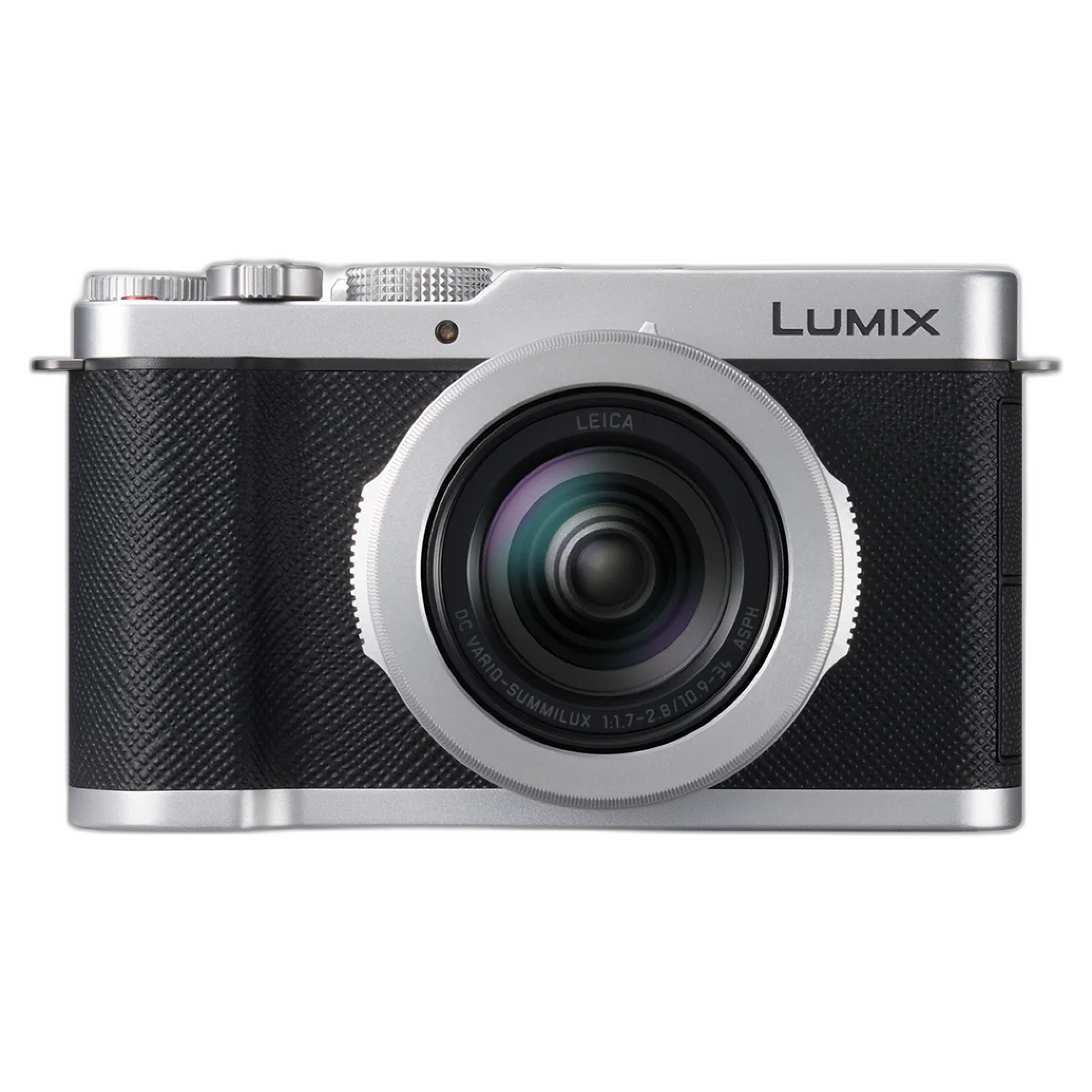
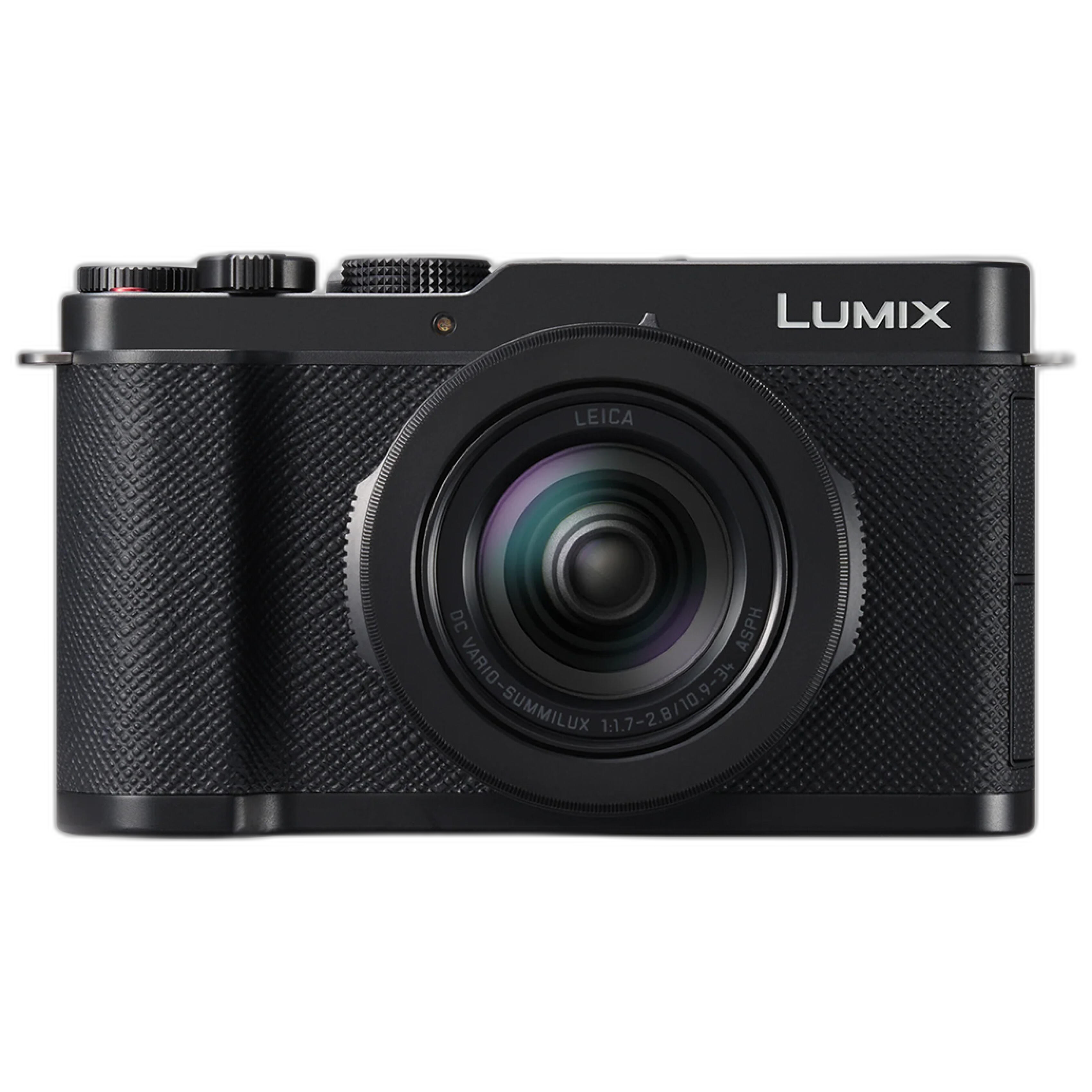
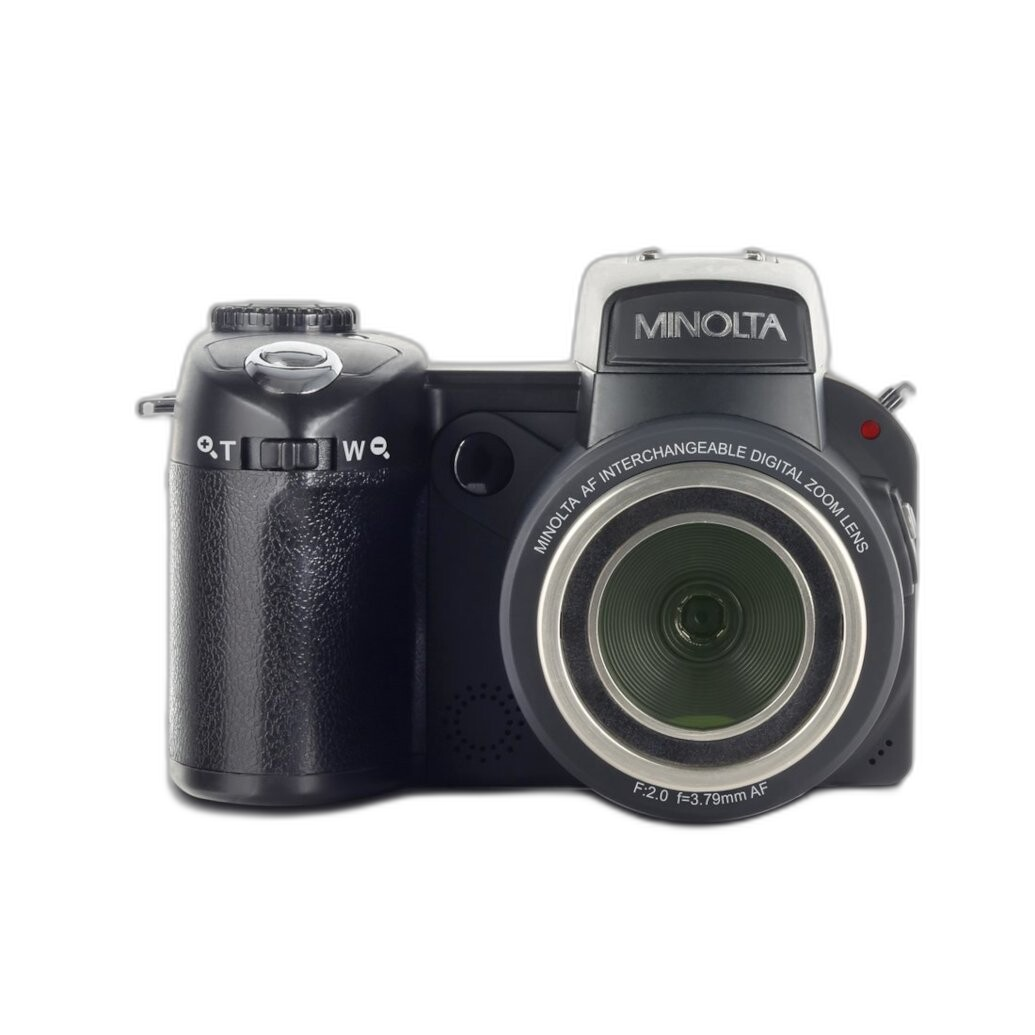
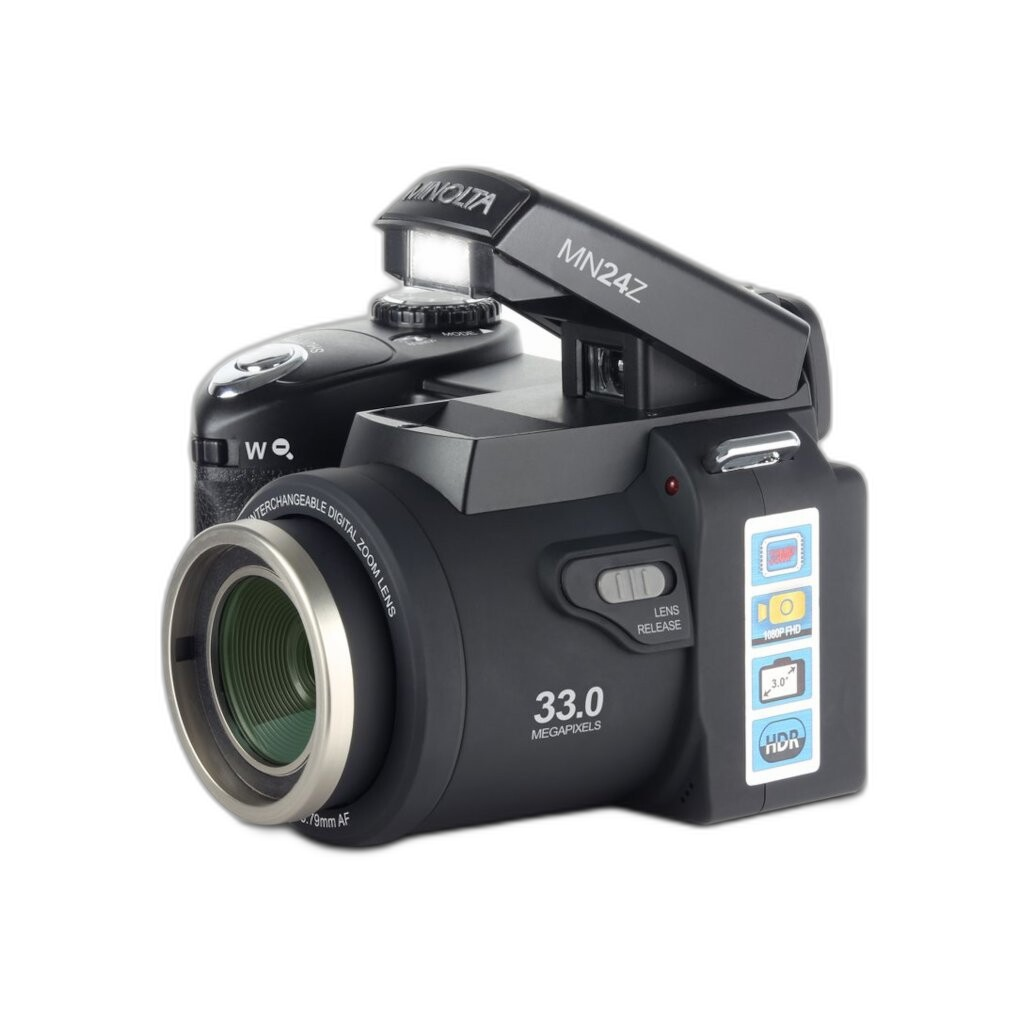
If you prefer the flexibility of changing lenses without committing to a large system, a used Panasonic GX85 with 12-32mm lens is a smart travel-oriented mirrorless option to consider through Unique Photo's used selection. Travelers shopping value can also look at an opened-box interchangeable-lens kit like the Minolta MN24Z.
What features matter most in a travel camera?
The most important travel camera features are usually size, weight, battery life, autofocus reliability, lens versatility, and durability. Weather resistance can also be valuable if you expect rain, dust, or changing conditions. For some travelers, USB charging or easy battery replacement becomes just as important as pure image quality because it simplifies life on the move.
Here is a useful way to prioritize features:
Size and weight: If a camera is too bulky, you may leave it in the hotel. Smaller kits often result in more photos because they are easier to carry all day.
Lens range: A versatile zoom can be more practical than switching lenses while traveling.
Battery life: Long sightseeing days make battery endurance important, and spare batteries are always a good idea.
Stabilization: Helpful for handheld shooting indoors, at night, or while walking around cities.
Weather resistance: Worth prioritizing for hiking, coastal trips, or unpredictable climates.
Video features: Important if your travel content includes vlogging or high-quality clips for social media.
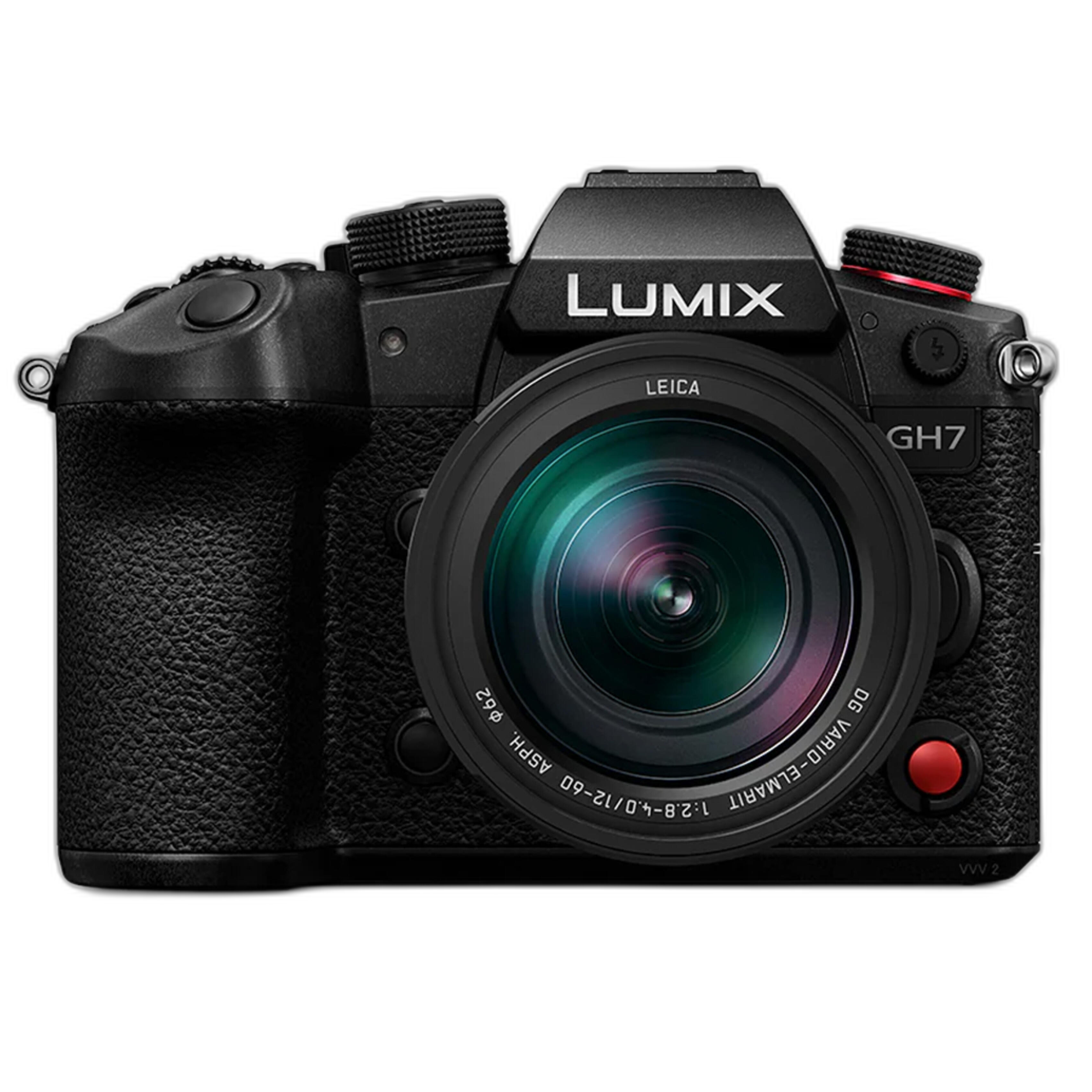
If your travel style leans toward hybrid shooting, the Panasonic LUMIX GH7 with 12-60mm lens is a much more advanced solution that gives you serious stills and video performance in one kit.
Is a fixed-lens camera a good travel choice?
Yes, for many travelers a fixed-lens camera is actually the most enjoyable option. A built-in or non-interchangeable lens means fewer decisions, less gear to pack, and no need to expose your sensor while changing lenses outdoors. That simplicity can make travel photography feel more spontaneous and less technical.
Fixed-lens cameras are particularly appealing if you like to work within one focal length or one zoom range and want a consistent, streamlined shooting experience. Premium fixed-lens models are often favored by travelers who care about image quality but do not want to carry a full camera bag.
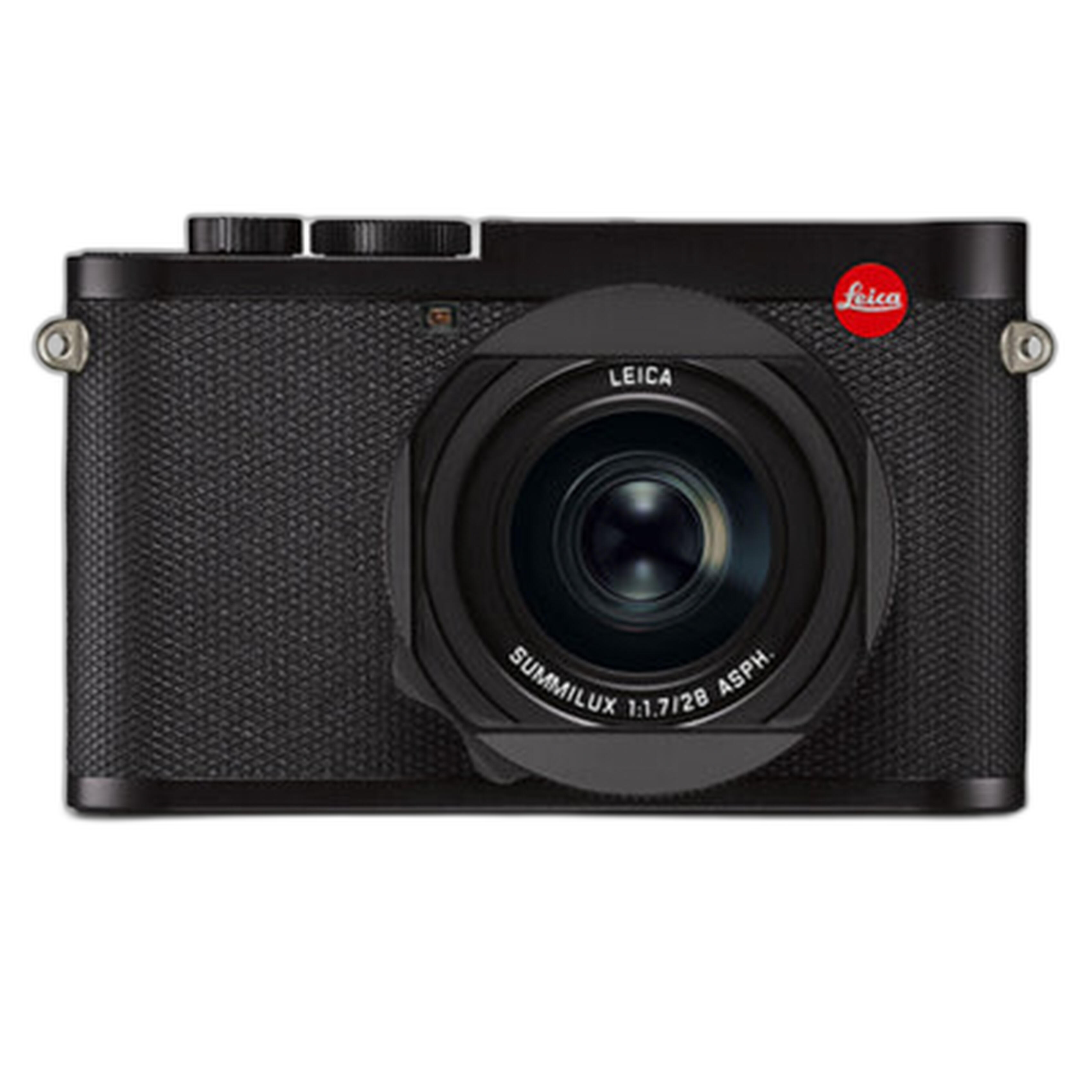
A great example from Unique Photo's used inventory is the Leica Q2 Traveler Kit, which combines a premium fixed-lens concept with an all-in-one travel-ready approach. For travelers who value beautiful image quality and a minimalist setup, this style of camera can be very compelling.
When does a mirrorless travel kit make more sense than a compact?
A mirrorless kit makes more sense when your trip includes a wider variety of subjects or when photography is a major part of the trip itself. If you know you want wide scenic shots one moment, tighter framing the next, and maybe shallow-depth portraits later in the day, interchangeable lenses give you more control.
Mirrorless systems are also a better fit for travelers who shoot in low light, want more advanced autofocus, or plan to create more polished video. The tradeoff is that you need to think more carefully about which lens or lenses to bring.
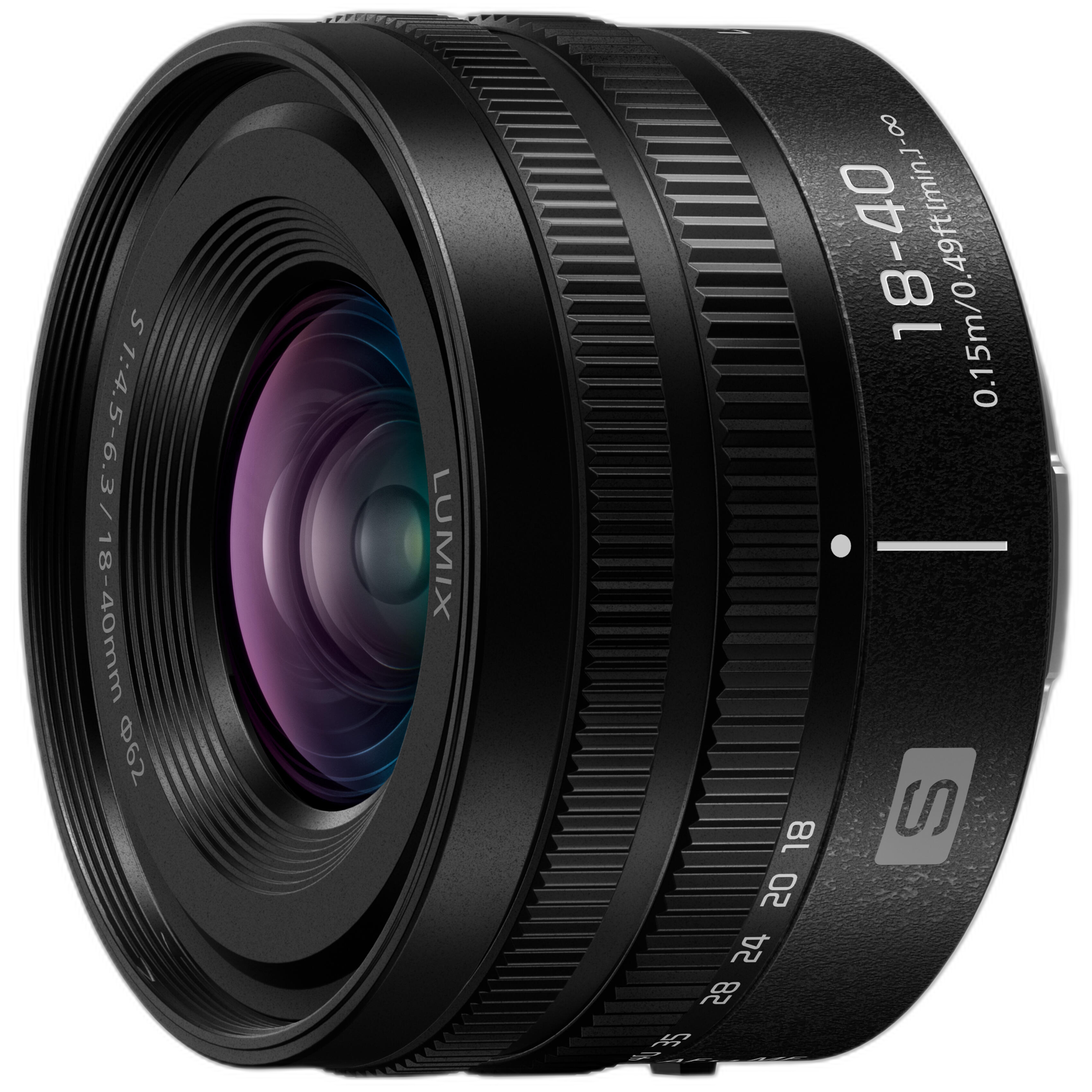
For example, pairing a compact zoom lens with a mirrorless body can create a highly capable but still manageable travel setup. The Panasonic LUMIX S 18-40mm F4.5-6.3 is the kind of lens that appeals to travelers who want a flexible everyday range in a relatively compact package.
What if I want one camera mainly for walking around cities and sightseeing?
For city travel, small size and fast usability usually matter more than extreme specifications. You will likely be carrying the camera for hours, moving in and out of restaurants, museums, public transit, and crowded streets. In those situations, a lightweight compact or a very small mirrorless kit is usually the easiest recommendation.
A compact option like the Panasonic Lumix L10 keeps things simple and portable for daily sightseeing. If you want a little more creative flexibility while staying reasonably small, a used Panasonic GX85 with a compact standard zoom can be a very practical urban travel setup. It can handle architecture, street scenes, food, and casual portraits without requiring a large bag.
How important is weather sealing and durability for travel photography?
Weather sealing is not essential for every traveler, but it becomes more important the more adventurous your itinerary is. If your trip involves hiking, beaches, mountain viewpoints, boat rides, or unpredictable weather, durability can make a real difference. Even in cities, travel often means shooting in drizzle, dust, or humid conditions.
That said, durability should be balanced against size and convenience. Some travelers over-prioritize ruggedness and end up bringing a camera that feels too heavy to carry. A slightly less robust camera that you bring everywhere is often more useful than a tougher camera left behind in the room.
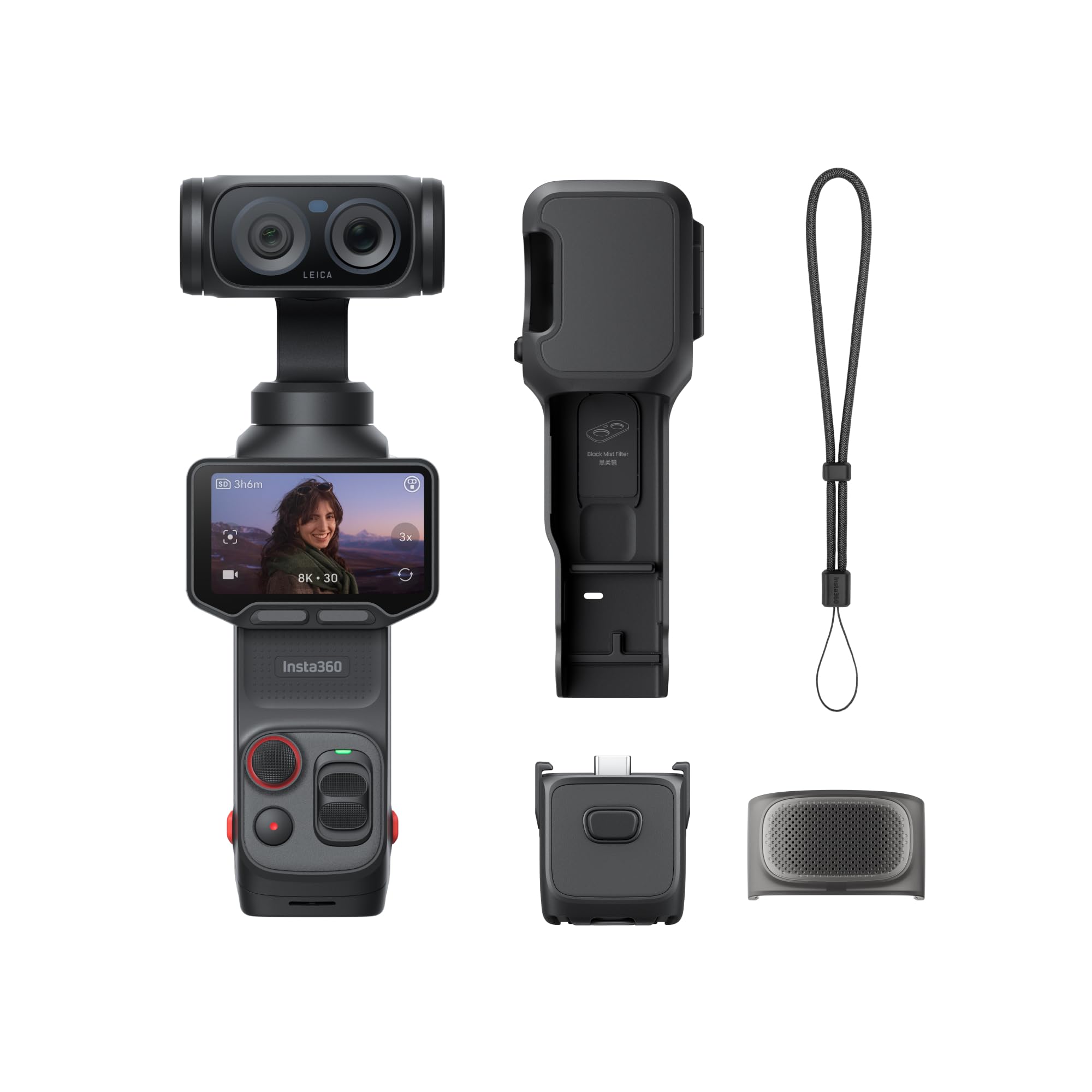
If your travel plans are more action-focused than traditional photography-focused, an ultra-portable option like the Insta360 Luna Ultra Standard Bundle can be worth considering for creative perspectives, quick clips, and easy on-the-go capture.
What about battery life and charging while traveling?
Battery planning is one of the most overlooked parts of building a travel camera kit. Even an excellent camera can become frustrating if you are constantly worried about running out of power halfway through the day. Cold weather, heavy autofocus use, image review, and video recording can all reduce battery life.
Our advice is simple: always travel with at least one spare battery, and ideally two if photography is a priority. Also think about how you will charge on the road. USB charging, compact chargers, and power bank compatibility can make a big difference when outlets are limited or when you are moving between locations frequently.
If you are buying a used or open-box camera for travel, check what is included in the kit. For instance, the Leica Q2 Traveler Kit available through Unique Photo includes accessories that are especially useful when traveling, and that kind of bundle can add real convenience.
Is the Fujifilm X100VI style of camera a good idea for travel?
Cameras in the premium fixed-lens, rangefinder-inspired category are popular for travel because they encourage a lightweight, intentional way of shooting. This type of camera is especially appealing to photographers who enjoy street photography, documentary-style images, and a more minimalist approach. The biggest advantage is that you get a highly portable system with a premium shooting experience and no temptation to overpack lenses.
The tradeoff is less flexibility. If your only lens or fixed focal length does not suit your subject, you have to adapt with your feet or simply accept the limitation. Some photographers love that discipline; others quickly miss having zoom or lens options.
If that concept appeals to you, a premium fixed-lens alternative like the used Leica Q2 Traveler Kit at Unique Photo offers a similar travel-friendly philosophy: high image quality, elegant portability, and an uncomplicated shooting experience.
What is the best travel camera if I want to keep costs under control?
Used and open-box gear can be one of the smartest ways to build a travel kit on a budget. Travel photography often benefits more from portability and practicality than from buying the newest possible body. A well-chosen used mirrorless camera or a value-focused compact can deliver excellent results while leaving room in your budget for memory cards, extra batteries, or even a second lens.
Unique Photo's used and open-box selection is worth exploring if value matters. The opened-box Minolta MN24Z interchangeable-lens kit is one accessible route into lens-based travel photography, while used bodies like the Panasonic GX85 can offer a very strong balance of price, size, and capability.
There is no single best travel camera for everyone. The right choice depends on whether you value maximum portability, lens flexibility, premium fixed-lens simplicity, or advanced hybrid photo and video performance. If you are still deciding between a compact and a mirrorless setup, Unique Photo can help you compare options, shop used and open-box gear, and build a travel kit that matches the way you actually shoot.