If you’re buying your first fast prime lens, the biggest question is usually simple: 35mm or 50mm? Both are classic focal lengths, both can be incredibly sharp, and both are available in bright apertures like f/1.8, f/1.4, or even faster. But they do not shoot the same way. Choosing the right one can make a huge difference in how quickly you grow as a photographer.
At Unique Photo, many photographers shopping for their first prime lens are really trying to answer a few practical questions: Which lens is better for portraits? Which lens is better for street photography? Which feels more natural for everyday use? And which one will actually stay on the camera most often?
This guide breaks down the real-world differences between a 35mm vs 50mm lens, so you can decide which first fast prime lens makes the most sense for your shooting style.
35mm vs 50mm: What’s the Main Difference?
The core difference between 35mm and 50mm is field of view. A 35mm lens shows more of the scene, while a 50mm lens gives you a tighter, more selective composition.
On a full-frame camera:
- 35mm feels wider and more environmental
- 50mm feels more natural to slightly tight, depending on your style
If you shoot APS-C, the effective field of view changes because of crop factor:
- 35mm behaves more like roughly 50mm equivalent
- 50mm behaves more like roughly 75mm equivalent
That matters a lot. For full-frame users, 35mm is often seen as the more flexible everyday lens. For APS-C users, a 35mm lens often becomes the “normal” lens many people want first.
If you’re still narrowing down your first lens purchase, Unique Photo carries options for a wide range of camera systems, and it’s always worth thinking about your sensor size before choosing a focal length.
Is 35mm the Best First Fast Prime Lens?
For many photographers, 35mm is the best first fast prime lens because it is so versatile. It’s wide enough for everyday scenes, travel, street photography, casual portraits, food, interiors, and documentary-style shooting, but not so wide that it distorts the scene dramatically.
A fast 35mm lens is especially useful if you:
- Like showing a subject in context
- Shoot indoors where space is limited
- Want one lens for travel and daily photography
- Prefer a more immersive, storytelling perspective
Many photographers find 35mm easier to use in small rooms, busy city streets, coffee shops, events, and family situations. You can step in close for intimacy, but still include enough background to tell the story.
This is why 35mm is often recommended as the best prime lens for street photography and environmental portraits. It encourages you to move your feet, get closer, and engage with the scene.
Is 50mm Better for Your First Prime Lens?
A 50mm lens is the classic recommendation for a reason. It offers a tighter field of view than 35mm, which can make composition easier when you want to isolate your subject and reduce distractions. If you like clean framing and flattering portraits, 50mm often feels more intuitive.
A fast 50mm prime is a strong first choice if you:
- Shoot portraits more than street or travel
- Want stronger background blur
- Prefer a more compressed look
- Don’t mind stepping back to frame your shot
Because 50mm is tighter, it can be easier to simplify your image. That makes it especially appealing for beginners who want to focus on subject separation, low-light shooting, and portrait basics.
On full frame, 50mm is often considered the “nifty fifty” focal length. On APS-C, though, it becomes more portrait-oriented, so it may feel too tight for general walkaround use.
35mm vs 50mm for Portraits
If your main interest is people photography, the 35mm vs 50mm for portraits question comes up immediately.
Choose 35mm for portraits if:
- You want environmental portraits
- You like showing location and atmosphere
- You shoot in tight indoor spaces
- You prefer a candid, documentary feel
Choose 50mm for portraits if:
- You want more flattering facial proportions
- You like stronger subject-background separation
- You prefer head-and-shoulders portraits
- You want a more traditional portrait perspective
The main caution with 35mm is that if you get too close to a face, perspective distortion becomes more noticeable. Features near the edge of the frame can look stretched. A 50mm gives you a little more working distance, which generally produces a more flattering result for classic portraits.
That said, some of the most compelling modern portraits are made with 35mm because they feel personal, cinematic, and grounded in a real place.
35mm vs 50mm for Street Photography and Everyday Use
When photographers ask about 35mm vs 50mm for street photography, 35mm usually gets the edge. It captures more of the surroundings, making it easier to create layered images and tell a fuller story. It also works better when you’re close to your subject in crowded environments.
35mm is often preferred for:
- Street photography
- Travel photography
- Events
- Family moments
- Day-in-the-life documentary work
Meanwhile, 50mm is often preferred for:
- Intentional single-subject compositions
- Portrait-heavy walkaround shooting
- Low-light work with creamy background blur
- Photographers who like a tighter frame
If you want one lens to live on your camera every day, 35mm usually wins on flexibility. If you want a lens that helps you simplify and isolate, 50mm may be more satisfying.
Which Lens Gives Better Background Blur: 35mm or 50mm?
If shallow depth of field is a major reason you want your first fast prime, 50mm generally makes blur easier to achieve. At the same aperture and framing style, 50mm tends to provide stronger subject isolation than 35mm.
Why? Because:
- The longer focal length compresses the background more
- You’re typically farther from the subject
- Out-of-focus areas often appear more pronounced
That doesn’t mean 35mm can’t blur backgrounds beautifully. A fast 35mm at f/1.4 or f/1.8 can still create excellent separation, especially for half-body portraits or close-up detail shots. But if your dream image is a classic portrait with creamy bokeh, 50mm usually gets there more easily.
Which Is Better in Low Light?
If both lenses have the same maximum aperture, such as f/1.8 vs f/1.8, neither has a true exposure advantage. They let in the same amount of light. But in real use, 35mm can feel easier in low light because the wider angle is more forgiving of camera shake at slower shutter speeds.
For example:
- A 35mm lens may be easier to handhold sharply at slower speeds
- A 50mm lens may reveal motion blur sooner if your shutter speed drops too low
So if you shoot indoors, at dinners, at family gatherings, or while traveling at night, a fast 35mm can be a very practical choice. If your low-light work centers on portraits and detail shots, a 50mm still performs beautifully.
35mm vs 50mm on Full Frame vs APS-C
This is one of the most important buying considerations and one that new photographers often overlook.
On full frame:
- 35mm = versatile everyday wide-normal
- 50mm = classic normal lens with portrait potential
On APS-C:
- 35mm = close to a standard 50mm equivalent
- 50mm = short telephoto, better for portraits than general use
If you shoot APS-C and want an everyday first prime, 35mm is often the safer buy. If you shoot full frame and want a portrait-friendly prime that still works for general photography, 50mm becomes more compelling.
This is why the “best first prime lens” answer depends so much on camera format. At Unique Photo, shoppers comparing lenses across systems often realize the same focal length behaves differently depending on the camera body they already own.
How 35mm and 50mm Influence Your Photography Style
Your first fast prime lens doesn’t just affect your framing. It affects how you see.
A 35mm lens teaches you to:
- Work closer to subjects
- Pay attention to the background
- Tell stories with context
- Compose with layers
A 50mm lens teaches you to:
- Be selective with framing
- Isolate subjects
- Control distractions
- Focus on portrait-friendly composition
Neither is better universally. They simply encourage different habits. If you want to become a more observational, documentary-style shooter, 35mm may feel natural. If you’re drawn to portraits, details, and separation, 50mm may fit you better.
Can You Start with Both 35mm and 50mm?
If your budget allows, many photographers eventually own both. They complement each other extremely well. In fact, hybrid kits and focal-length sets often pair 35mm and 50mm because they cover two essential visual perspectives.
For example, filmmakers and creators often look at matched lens kits such as the Viltrox 35/50/75mm T2.0 1.33X sets for PL, L-Mount, or Sony E when they want consistent rendering across multiple focal lengths. Those kits show just how foundational 35mm and 50mm are in visual storytelling. Likewise, broader systems such as the Viltrox 24/35/50/16/28/85 for DL-Mount include both focal lengths because each serves a distinct purpose.
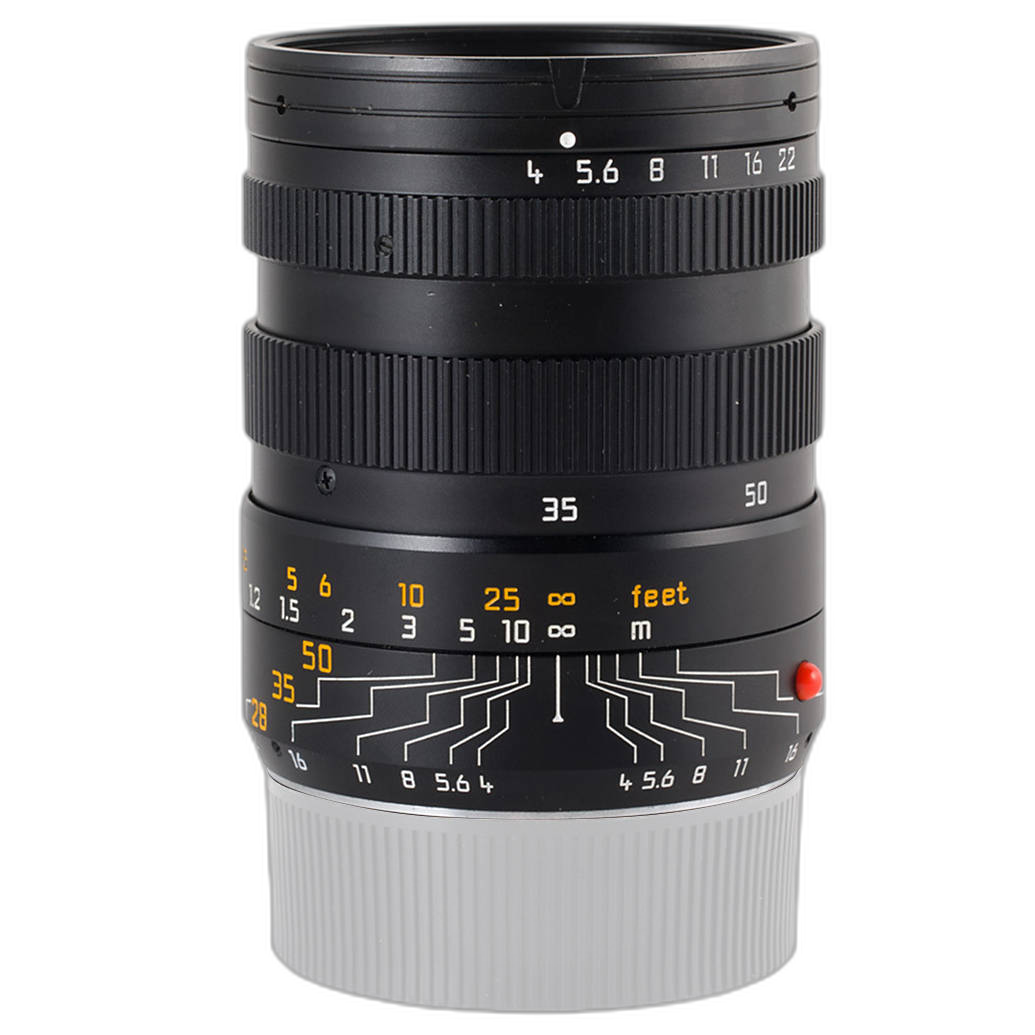
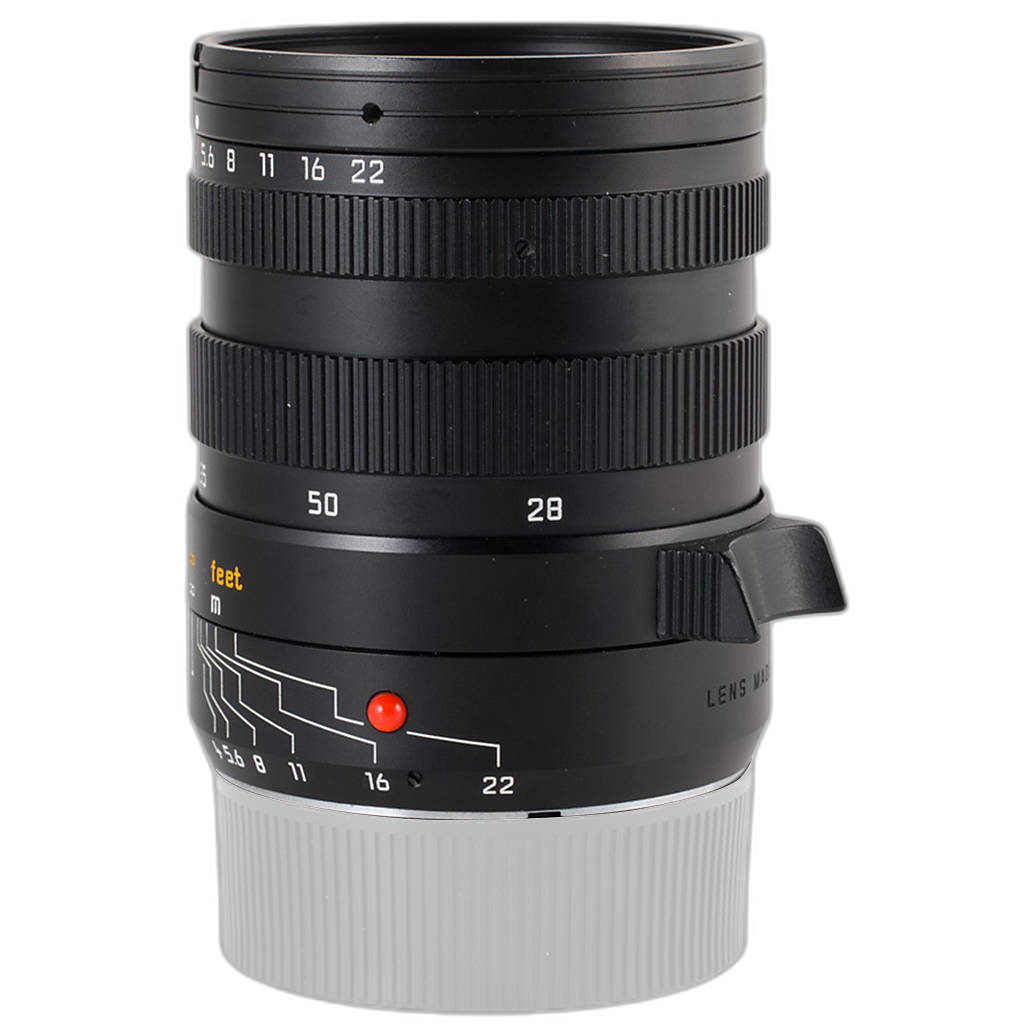
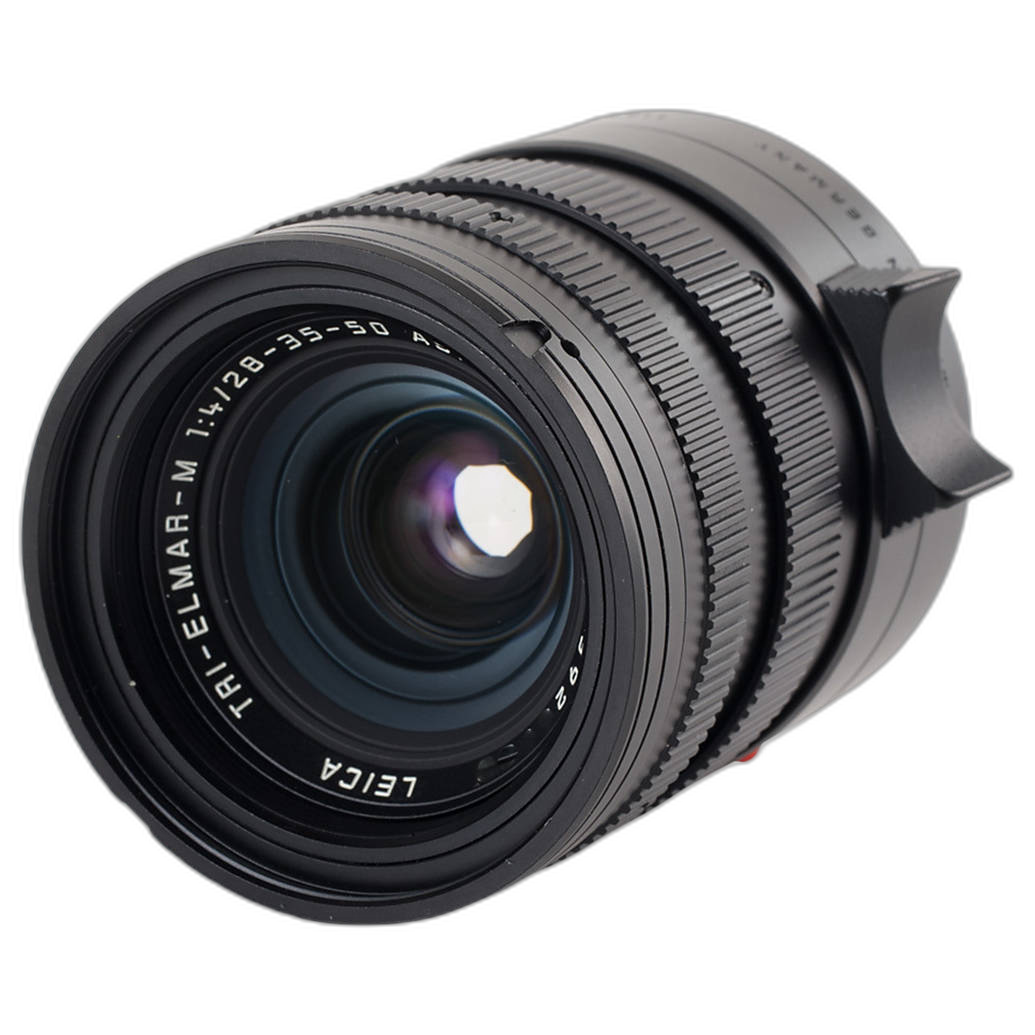
For photographers interested in classic focal-length flexibility, even a product like the used Leica M 28-35-50 Tri-Elmar f/4 highlights how often 35mm and 50mm are grouped together as essential choices in one system.
What About Film Cameras and Classic 50mm Lenses?
If you’re exploring film photography, you’ll notice that many classic rangefinders came bundled with a 50mm lens. That’s one reason 50mm feels so traditional. Cameras like the Used Henso Reporter 35MM Rangefinder w/ 50mm f/1.9 or the Used Steinheil Casca II 35MM Rangefinder w/ 50mm f/2.8 reflect that long-standing standard.
Historically, 50mm became the familiar baseline for many photographers, but modern digital shooters often find 35mm more adaptable for daily life. Looking at both film and digital options through Unique Photo can help put that history into perspective when deciding what feels right for your own work.
So, Should You Buy a 35mm or 50mm First?
If you want the shortest answer:
- Buy 35mm first if you want one lens for everyday photography, travel, street, family moments, and environmental portraits.
- Buy 50mm first if you care most about portraits, subject isolation, classic framing, and stronger background blur.
A good rule of thumb:
- Full-frame users: 35mm for versatility, 50mm for portraits and classic normal perspective
- APS-C users: 35mm for general use, 50mm if portraits are your priority
If you’re still unsure, think about your recent photos. Are you always backing up to fit more in the frame? Go with 35mm. Are you always cropping tighter to emphasize your subject? Go with 50mm.
Final Thoughts: The Best First Fast Prime Lens Is the One You’ll Actually Use
The best first fast prime lens is not the one the internet debates most. It’s the one that matches how you naturally shoot. Both 35mm and 50mm can be outstanding first primes, and both are capable of professional-level images in the right hands.
At Unique Photo, the smartest way to shop for your first prime is to connect focal length to real shooting situations rather than just specs. Think about your camera format, your favorite subjects, your typical working distance, and whether you want context or isolation. That decision will point you in the right direction much faster than any blanket recommendation.
If you’re ready to keep researching, good internal next steps for readers would include browsing lenses, exploring used equipment, checking out cinema lenses, or reading more buying guides on portrait lenses, street photography gear, and the best first lens for mirrorless cameras at Unique Photo.