Photography contests can be exciting career boosters. They offer exposure, publication, cash prizes, gallery opportunities, and sometimes genuine industry recognition. But like any product or service photographers invest time, money, and creative energy into, contests deserve to be reviewed critically. The biggest mistake photographers make is treating every competition as a harmless opportunity. In reality, some contests are excellent platforms, while others are little more than entry-fee machines, rights grabs, or vague marketing funnels.
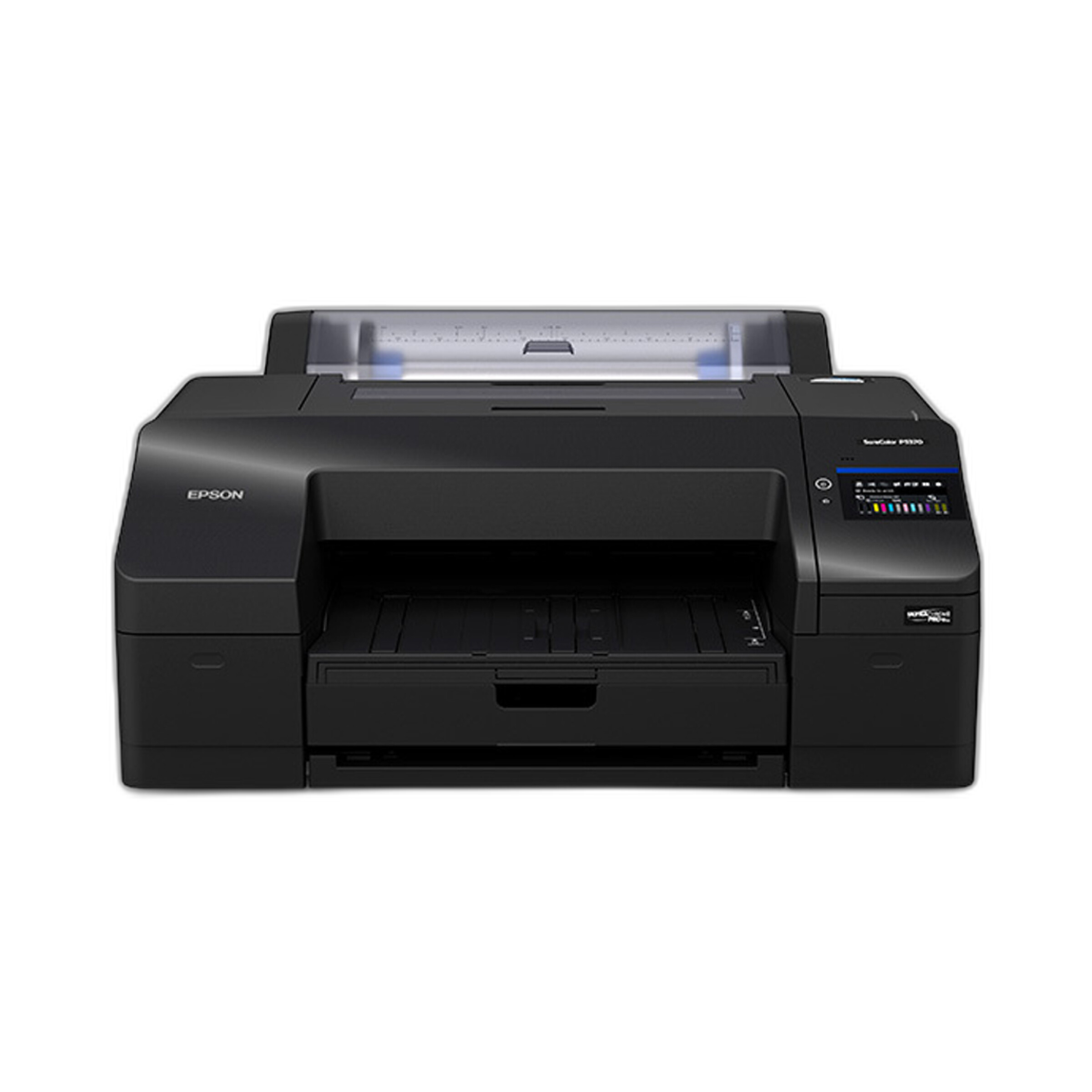
In that sense, entering a photography contest should be approached like evaluating gear: look at the specifications, understand the fine print, compare value, and decide whether the return justifies the cost. For photographers preparing competition prints, books, or portfolio materials, it also helps to think about output quality and presentation. Tools like the Epson SureColor P5370 17-Inch Professional Photographic Printer can be especially relevant when contests require exhibition-quality prints or portfolio submissions.
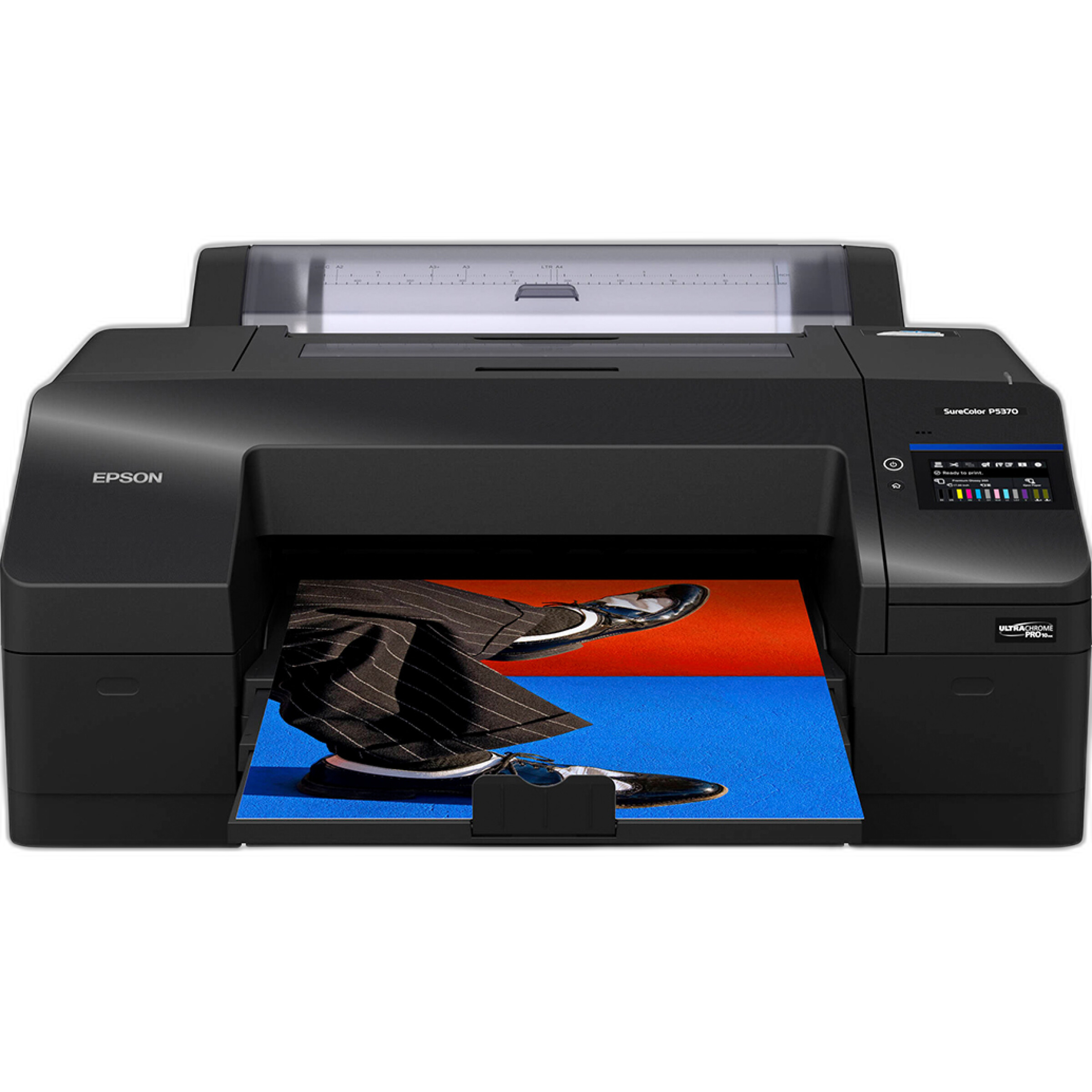
This review-style guide breaks down the most common contest red flags, where legitimate competitions differ, and how to protect both your images and your reputation before you submit. If you need reliable printing tools, presentation gear, or photography books to sharpen your eye, Unique Photo is a strong place to buy and compare the right products.
Why Photography Contests Deserve a Critical Review
On the surface, contests seem simple: submit images, pay a fee, wait for results. But the real value lies in the structure behind the submission form. Who is judging? What rights are you giving up? Are the winners respected? Does the contest have a clear mission, transparent selection criteria, and a verifiable history?
A strong contest helps photographers build credibility. A weak one can cost money, bury your work in legal overreach, or attach your name to something unserious. The pitfall is not entering contests in general; it is entering them without evaluating the organizer the way you would evaluate a major purchase.
Key Red Flags to Watch For
Overreaching Usage Rights and Copyright Language
The single biggest red flag is abusive rights language. Some contests ask for a broad, perpetual, worldwide, royalty-free license to use all submitted images for virtually any purpose. That means even if you do not win, your photograph could be used in promotion, advertising, or future materials without additional payment.
Reasonable contests usually request limited rights tied to promotion of the contest itself, the exhibition, winner announcements, catalogs, or press coverage. Unreasonable contests often include phrases like:
- Perpetual commercial usage
- Irrevocable rights for all submitted images
- The right to sublicense your work to third parties
- Use in advertising unrelated to the contest
If the legal language is broader than the award value, that is a clear warning sign.
High Entry Fees with Weak Benefits
Entry fees are not automatically bad. Juried review, exhibition administration, staffing, and print handling all cost money. But there should be a believable relationship between the fee and the outcome. If a contest charges aggressively and offers little more than a digital badge, questionable exposure, or an unclear judging process, it may be monetizing hopeful entrants rather than celebrating good photography.
Compare the fee to:
- Prize value
- Prestige of judges
- Quality of exhibition or publication
- Transparency of past winners
- Industry reputation of the organizer
Vague or Anonymous Judging
Any serious contest should identify judges, curators, or at least the reviewing institution. If there is no information about who selects winners, how categories are judged, or whether the judging panel has real experience, proceed carefully.
Good contests are usually proud of their panel. Weak contests hide behind generic claims like "industry experts" or "professional judges" without naming names.
Fake Prestige and Inflated Awards Language
Another common pitfall is prestige theater. A contest may market itself with dramatic language like "internationally acclaimed" or "world-renowned" while having little evidence of impact. Check whether past winners gained meaningful exposure, publication, exhibitions, or portfolio advancement. If the contest looks polished but has no footprint beyond its own website and social posts, that recognition may not carry much weight.
Submission Rules That Invite Disqualification
Some contests are legitimate but still easy to fail because of technical requirements. File size, color space, metadata rules, naming conventions, manipulation limits, AI restrictions, and capture dates can all matter. A photographer can lose simply by overlooking formatting.
This is especially important in documentary, wildlife, and photojournalism competitions, where editing standards are often stricter than many entrants expect.
Category Creep and Poor Fit
One pitfall that is less obvious: entering the wrong contest entirely. A beautifully printed fine art landscape may not belong in a contest focused on social documentary work. A heavily composited fantasy image may struggle in a natural-world competition. Even excellent images underperform when they are mismatched to the jury's intent.
How Print Quality and Presentation Can Affect Contest Outcomes
Not every contest requires prints, but for exhibitions, portfolio reviews, and physical submissions, output quality matters. A weak print can undermine a strong image through poor tonal transitions, inaccurate color, or underwhelming paper choice. This is where professional printing equipment becomes part of the contest-preparation conversation.
The Epson SureColor P5370 17-Inch Professional Photographic Printer is well positioned for photographers who need refined exhibition prints, portfolio pieces, or competition-ready output without stepping into the footprint of a much larger production printer.
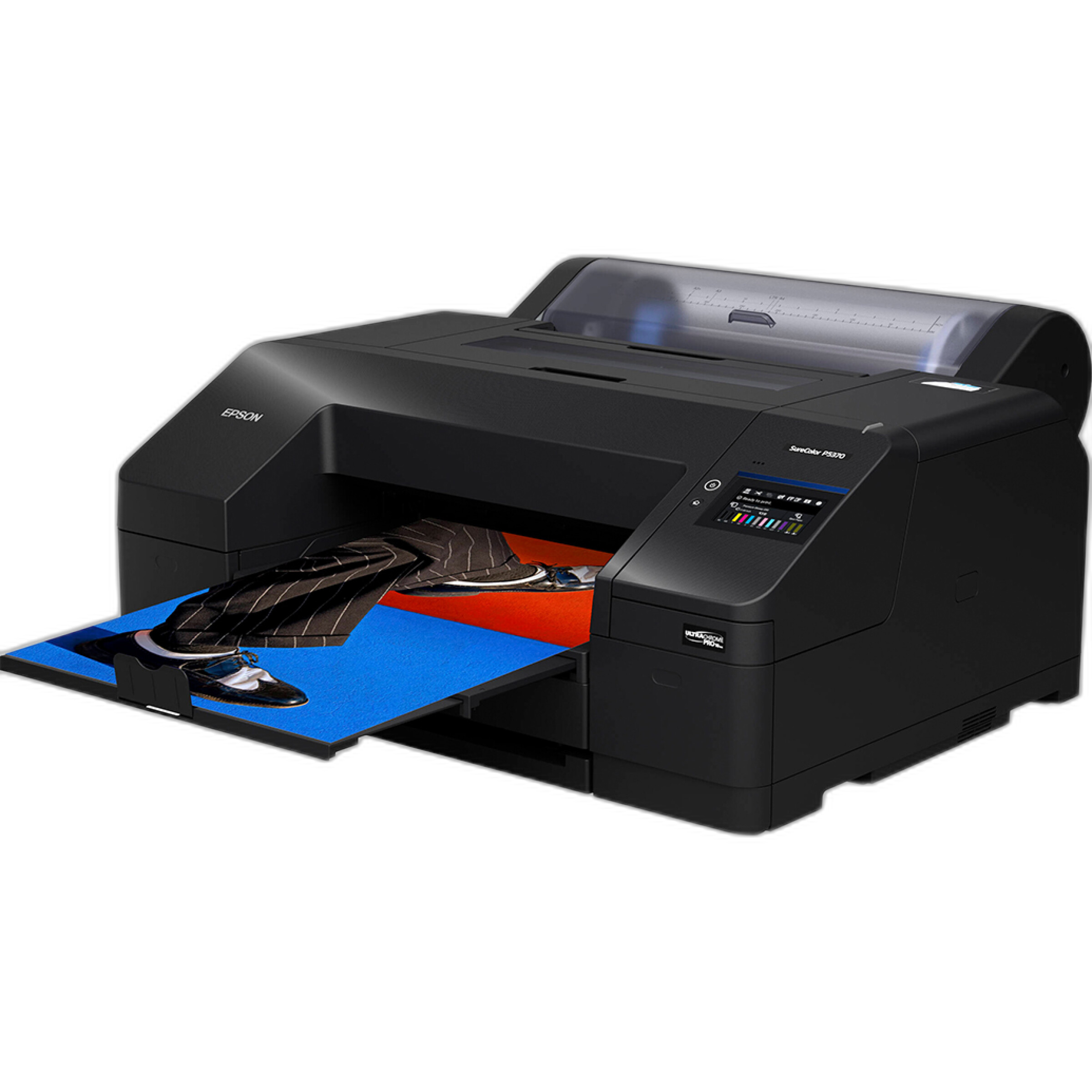
Epson SureColor P5370 as a Contest-Prep Tool
This printer stands out because it is purpose-built for photographers who care about color fidelity, black-and-white nuance, and professional presentation. If a contest includes gallery display, juried print review, or physical finals, dependable print quality can be a meaningful advantage.
Its 17-inch format is practical for photographers producing:
- Competition prints
- Matted portfolio pieces
- Limited-edition presentation prints
- Juried exhibition submissions
Rather than outsourcing every test print, owning a dedicated photo printer gives you more control over sharpening, density, shadow detail, and paper matching before the final submission.
When Larger Printers Matter
For photographers or studios preparing large exhibition runs, the Canon imagePROGRAF TM-300 and larger-format Canon and Epson models become more relevant. They are less about casual printing and more about serious output, especially when contests lead into shows, installations, or public display.
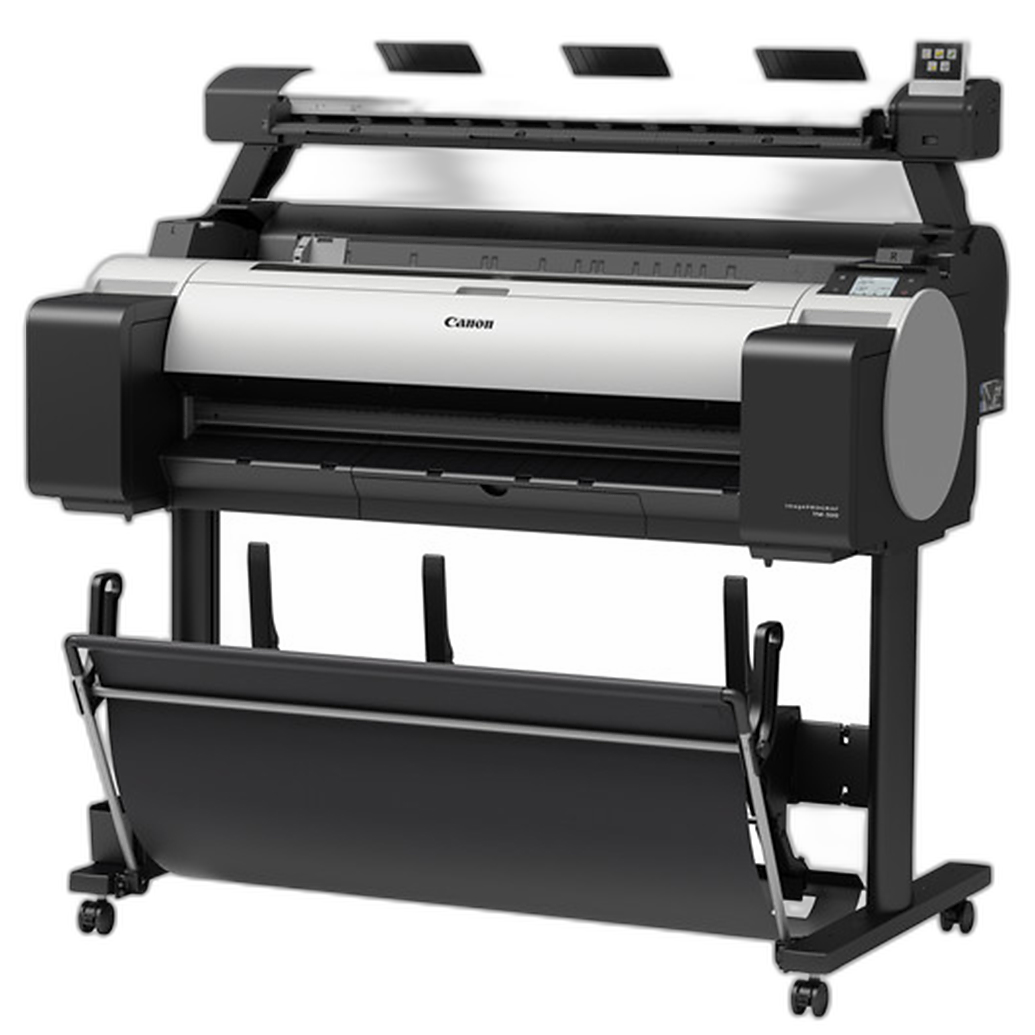
If your contest strategy includes creating oversized presentation prints or preparing multiple finalists for display, stepping up to large-format capability can make sense. But for many individual photographers, the Epson P5370 hits a more practical sweet spot between print quality, footprint, and photographic intent.
Research Tools That Help You Avoid Contest Mistakes
Developing Better Judgment Before You Submit
One underrated way to avoid contest pitfalls is to sharpen your own editorial instincts. Strong competitions reward more than technical skill; they reward selection, restraint, and clarity of vision. Books that challenge photographers to think critically can be surprisingly useful here.
Photo No-Nos: Meditations on What Not to Photograph by Jason Fulford is not a legal guide to contests, but it is relevant in a more creative sense. It encourages photographers to think beyond clichés, obvious visual habits, and predictable image-making. That matters in contests, where juries often review hundreds or thousands of entries that repeat familiar ideas.
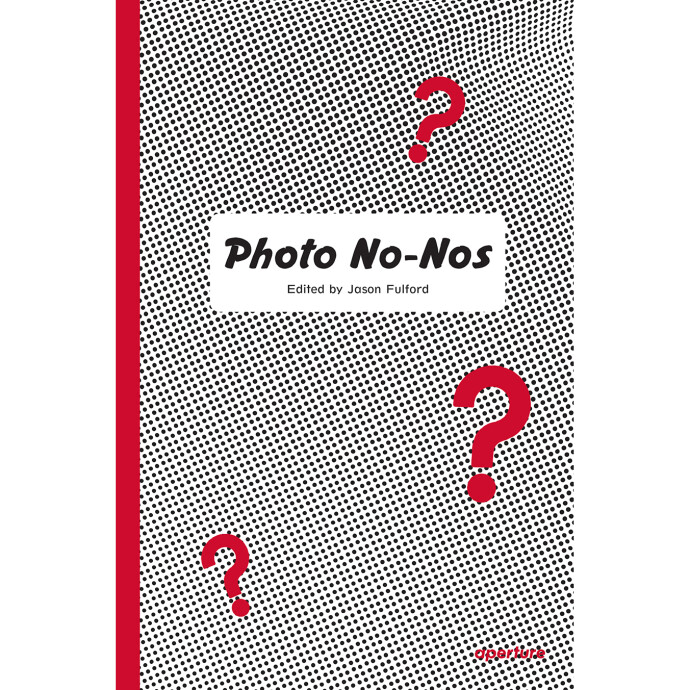
If your submissions feel derivative, overprocessed, or too eager to imitate trends, even a fair contest may not reward them. The photographers who do well often pair craft with a distinct point of view.
Pros and Cons of Entering Photography Contests
Pros
- Can provide exposure, recognition, and resume value
- May lead to publication, exhibition, or networking opportunities
- Offers deadlines that can motivate editing and portfolio refinement
- Can help photographers benchmark their work against peers
- Useful for building confidence when the contest is reputable
Cons
- Entry fees can add up quickly
- Some contests use broad rights language that disadvantages creators
- Recognition from low-quality contests may have little career value
- Rules can be restrictive and disqualification is sometimes easy
- Repeated entering can become a poor substitute for long-term project development
Best Practices Before You Enter
Read the Terms, Then Read Them Again
Do not skim. Check copyright, licensing, eligibility, AI language, model release requirements, and whether non-winning work can be used.
Research the Organizer
Look for real-world credibility. Search past winners, press coverage, judge bios, and whether respected photographers actually reference the award.
Evaluate Return on Investment
Ask whether the fee, time, and rights exchange are worth it. If the answer is fuzzy, skip it.
Submit Your Best-Edited Work
Many photographers sabotage themselves by submitting too many similar images or leading with technically polished but emotionally thin work. Edit harder.
Prepare Output Carefully
If the contest involves prints, test your workflow in advance. Use dependable tools and make sure the final presentation reflects the quality of the image. Unique Photo carries printers and accessories that can help photographers produce strong, contest-ready results.
Verdict
Yes, there are absolutely red flags and pitfalls to avoid in photography contests, and the biggest ones are rights grabs, inflated fees, weak transparency, and prestige without substance. The best contests are selective, clear, fairly judged, and respectful of photographers' ownership. The worst ones rely on vague promises and broad legal claims.
As a practical review, the takeaway is simple: treat contests as investments, not lottery tickets. Vet the organizer, read the terms carefully, match your work to the category, and present your images professionally. For photographers preparing physical submissions or exhibition-quality work, tools like the Epson SureColor P5370 are especially compelling because they support the one area many entrants underestimate: presentation.
If you are building a serious competition workflow, whether through high-quality printing, portfolio development, or educational resources, Unique Photo is an excellent place to buy the gear and books that support stronger submissions.
Recommendation
Enter fewer contests, enter better ones, and invest more energy in preparation. If your contest path includes print-based judging or gallery-quality output, the Epson SureColor P5370 17-Inch Professional Photographic Printer is the most relevant product in this group for photographers who want control, consistency, and professional presentation without moving into a much larger print setup.