Introduction: Better Contest Entries Start Before You Press Submit
If you are wondering how to make your contest entries stand out to judges, the answer is rarely just sharper gear, louder editing, or more dramatic subject matter. Strong contest work usually comes from clearer intent, stronger sequencing, better emotional intelligence, and a more disciplined understanding of what makes an image memorable. In that sense, some of the best tools for improving your submissions are not cameras or lenses at all, but photography books that reshape how you see.
For photographers preparing portfolio reviews, single-image competitions, documentary submissions, or storytelling-based contests, three standout titles available from Unique Photo deserve serious attention: You Are What You Do by Daniel Arnold, Eugene Richards- Do I Know You?, and I Cant Stand To See You Cry by Rahim Fortune. These are not “how-to-win” manuals in the traditional sense. Instead, they function as deeper creative references, helping photographers understand what judges often respond to: authenticity, consistency, point of view, vulnerability, and visual conviction.
Taken together, these books offer an unusually useful review set for anyone trying to elevate contest submissions from technically competent to emotionally and conceptually resonant.
Why Books Matter for Contest Success
Judges see an enormous number of images. Technical proficiency is expected. What stands out is work that feels intentional and complete. A great contest image often suggests a larger world beyond the frame, while a great series demonstrates rhythm, restraint, and a coherent voice. Photography books are one of the best ways to study those qualities in a concentrated format.
These titles are especially valuable because they do not teach formulas. Instead, they help photographers refine instinct. That matters in contests, where predictable images often disappear into the pile while personal, specific work rises to the top.
Product Review: Three Books That Can Improve Your Contest Entries
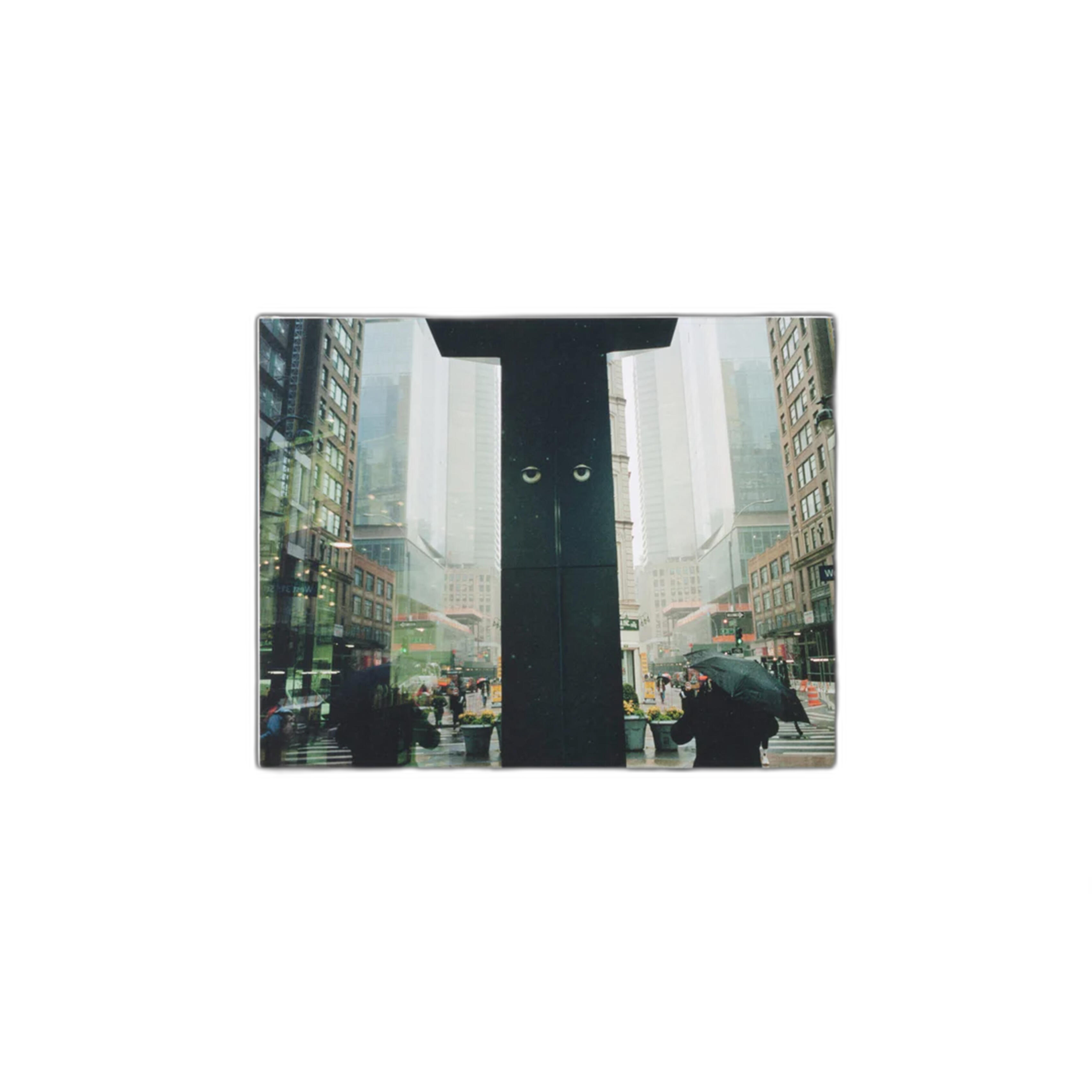
You Are What You Do - Daniel Arnold
You Are What You Do is an excellent book for photographers who want to understand immediacy, timing, and personality in contemporary image-making. Daniel Arnold is known for finding layered, strange, funny, and deeply human moments in everyday life. For contest shooters, that is a major lesson: judges often remember images that feel discovered rather than manufactured.
This book is particularly helpful for street, lifestyle, editorial, and observational photographers. It reinforces the idea that standout entries do not need grand spectacle. They need awareness, confidence, and a point of view. Arnold’s pictures show how gesture, coincidence, framing, and emotional tension can transform ordinary situations into compelling photographs.
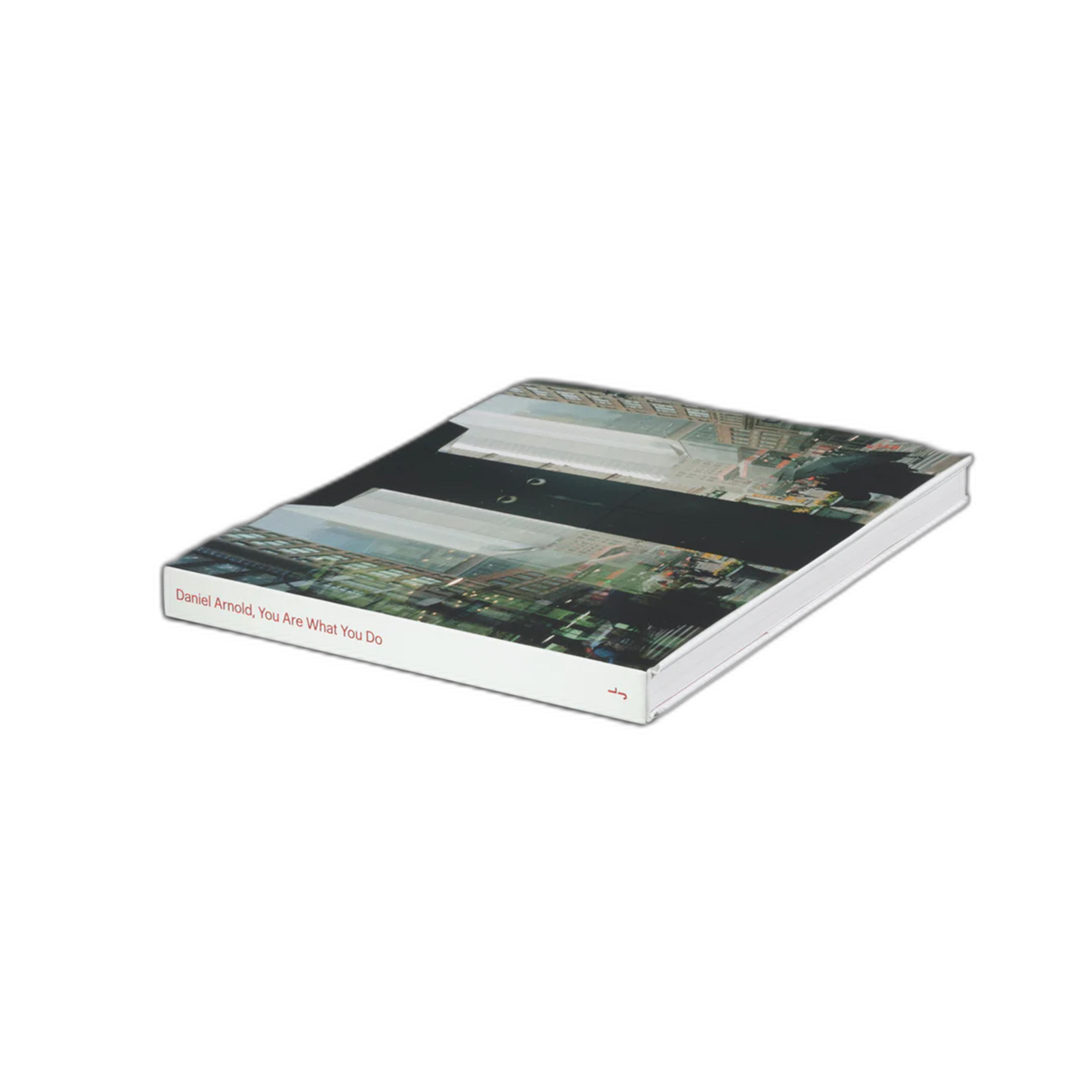
For contest preparation, this title encourages photographers to edit more ruthlessly. If your image does not contain energy, surprise, or visual wit, it may not survive first-round judging. Arnold’s work is a strong reminder that photographs need to do something, not just look polished.
Best takeaway for contests: seek moments with tension and specificity, and avoid images that feel generic even if they are technically excellent.
Eugene Richards- Do I Know You?
If Daniel Arnold’s work sharpens your sense of spontaneity, Eugene Richards- Do I Know You? deepens your understanding of emotional gravity and narrative depth. This is the kind of book that can change how a photographer thinks about intimacy, subject connection, and long-form meaning.
For documentary, portrait, fine art, and human-interest contests, Richards’ work is especially instructive. Judges frequently respond to photographs that feel lived rather than merely observed. This book demonstrates how seriousness of intent can elevate an image beyond surface appeal. It is not about visual tricks; it is about presence, empathy, and commitment.
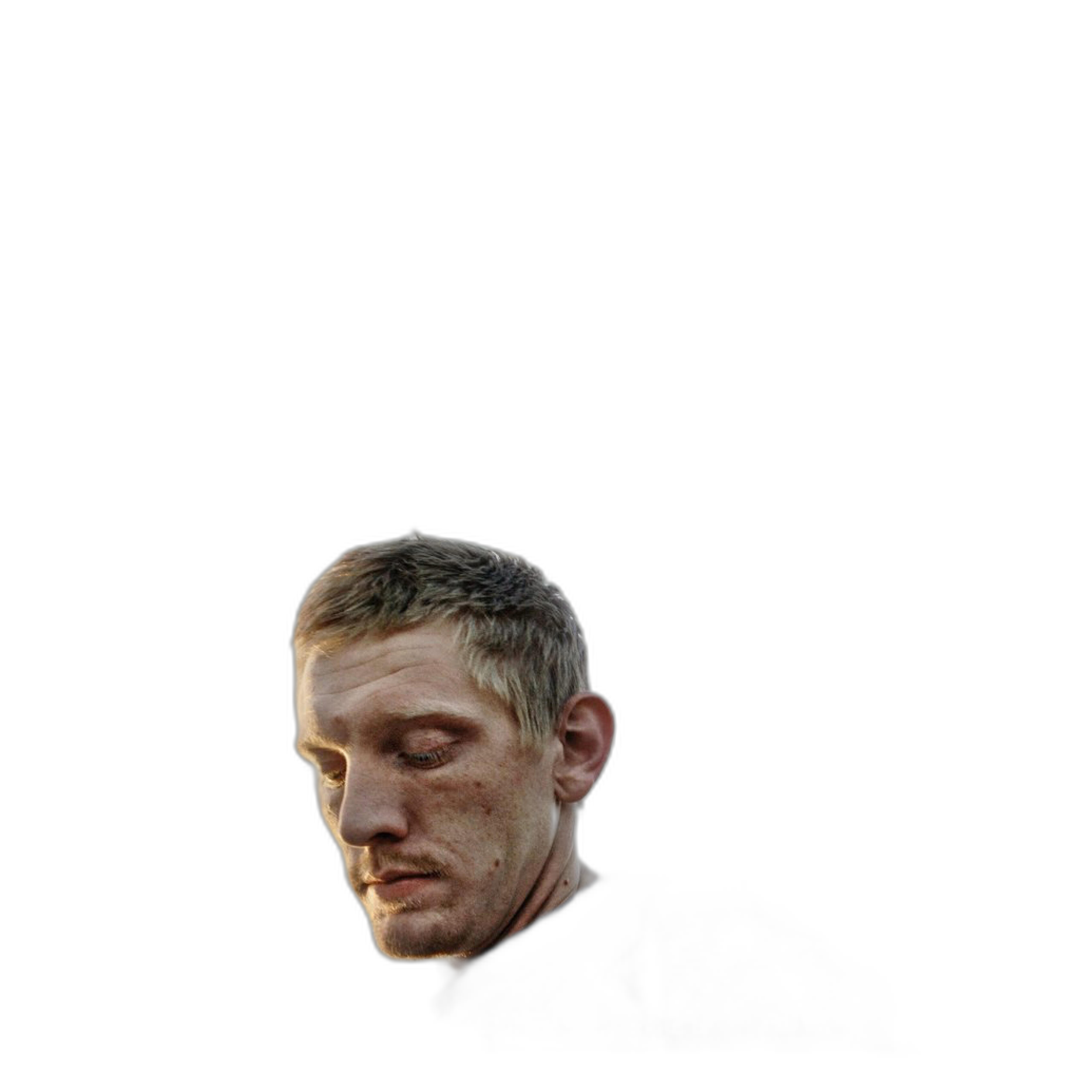
What makes this title so useful for contest entrants is its reminder that strong photographs often come from sustained attention. A judge can sense when an image is built on trust, context, and real engagement. If you are submitting a project or essay, this book is a masterclass in how coherence and emotional consistency can define a memorable body of work.
Best takeaway for contests: prioritize depth over novelty and make sure your images communicate care, not just access.
I Cant Stand To See You Cry - Rahim Fortune (2nd Printing)
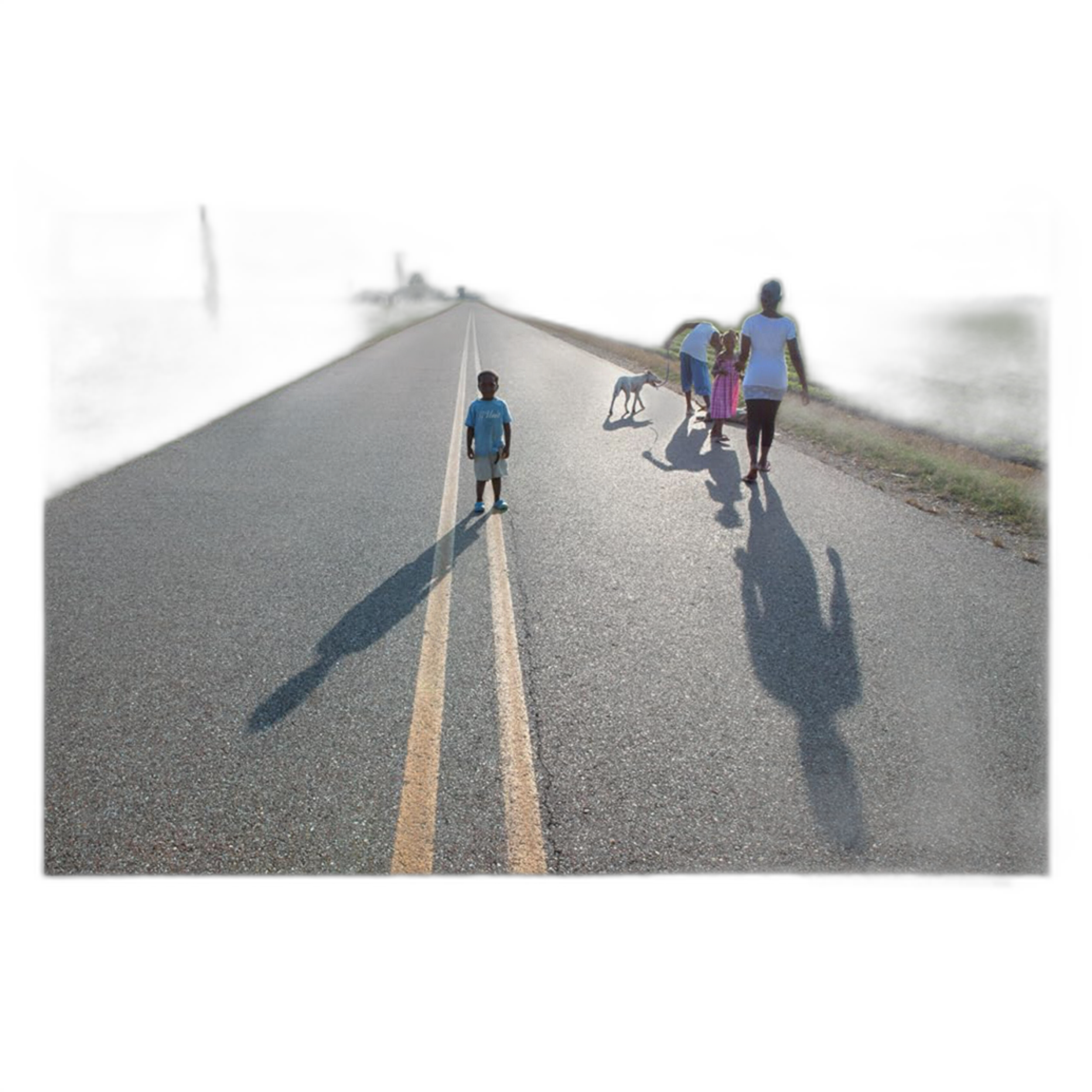
I Cant Stand To See You Cry by Rahim Fortune brings a different but equally valuable lesson: personal vision matters. Contest judges often encounter countless entries that imitate prevailing styles. Fortune’s work stands apart because it feels rooted in identity, memory, and a distinct emotional atmosphere.
This book is highly relevant for photographers trying to make their submissions more original. It demonstrates that resonance often comes from making work that is personal but not closed off, specific but still universal. Fortune’s imagery suggests that vulnerability, cultural texture, and thoughtful pacing can create a stronger impression than overt attempts to shock or impress.
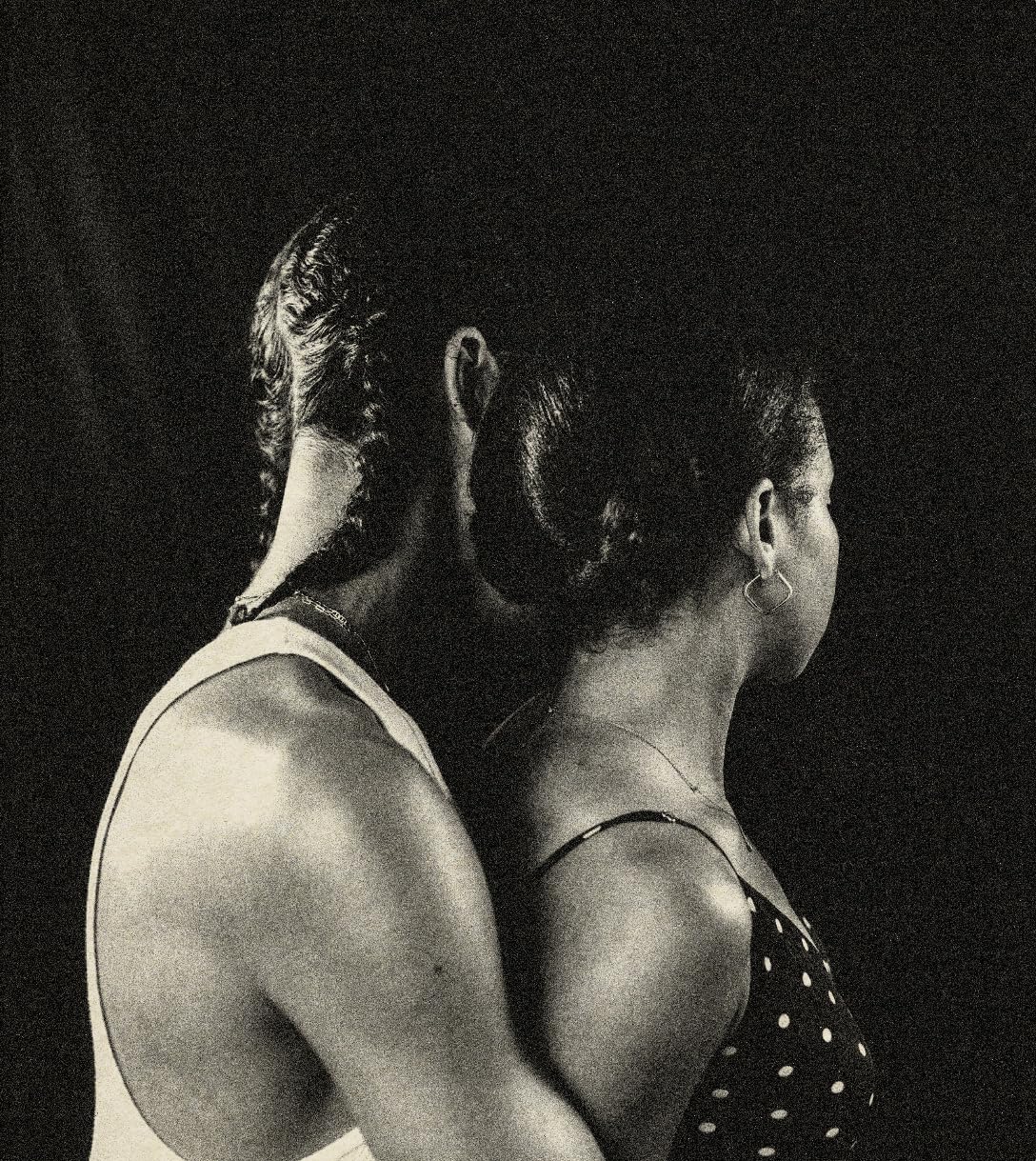
For portrait, documentary, and fine art contests, this title is a strong example of how visual tone can unify a project. It also underscores an important truth for entrants: your best submission may not be your loudest image. It may be the one that carries the clearest emotional afterimage.
Best takeaway for contests: submit work that feels genuinely yours, because judges notice when a voice is emerging instead of merely borrowing trends.
How These Books Help Your Entries Stand Out
Each of these books supports a different competitive strength:
- Daniel Arnold helps you recognize timing, surprise, and visual character.
- Eugene Richards teaches emotional seriousness, narrative commitment, and human connection.
- Rahim Fortune reinforces voice, atmosphere, and personal authenticity.
If you apply these lessons while selecting contest entries, your submissions are more likely to stand out because they will feel less interchangeable. Judges regularly respond to images that are not just well made, but truly felt.
In practical terms, these books may help you ask better questions before submitting:
- Does this image reveal a point of view?
- Is there emotional or visual tension in the frame?
- Would this stand out among hundreds of polished but familiar entries?
- Does my series hold together with a clear rhythm and voice?
- Am I submitting what is most impressive, or what is most meaningful?
Pros and Cons
Pros
- Excellent creative references for photographers entering contests
- Offer real-world lessons in voice, editing, sequencing, and emotional impact
- Useful across documentary, street, portrait, and fine art categories
- High inspiration value without relying on cliché advice
- Available from Unique Photo, making them easy to add to a serious photography library
Cons
- Not traditional instructional books with step-by-step contest strategies
- Lessons are interpretive and require thoughtful study
- May be more valuable to photographers interested in authorship than purely technical competition categories
Verdict: A Smart Creative Investment for Serious Contest Entrants
If your goal is to make contest entries stand out to judges, these books are a surprisingly strong place to invest. Rather than teaching formulaic tricks, they help you refine the qualities that actually differentiate memorable photography: timing, empathy, authorship, and intention.
You Are What You Do is the best choice for sharpening your instinct for compelling moments. Eugene Richards- Do I Know You? is essential for understanding emotional depth and narrative seriousness. I Cant Stand To See You Cry is the standout pick for photographers seeking a stronger personal voice.
For photographers who want to improve not just one contest entry, but their overall level of seeing and editing, these titles are easy to recommend. You can find them at Unique Photo, a reliable place to buy photography books and build a more thoughtful creative toolkit.