If you shoot film, few topics spark more discussion than metering. Some photographers trust a camera’s built-in meter, others carry a handheld meter everywhere, and many rely on experience, sunny-16 judgment, or a quick phone check when light gets tricky. This guide is for film photographers who want a more consistent exposure workflow—whether you shoot negative film, slide film, or medium format—and want to better understand how to evaluate light, improve reliability, and refine results from scene to print.
Because metering is as much about technique as gear, the best recommendations here focus on practical tools and education that support stronger exposure decisions. If you are building a film workflow and want to improve how you read light, the products below can help round out your process.
Why Metering Matters in Film Photography
Film rewards careful exposure, but different film stocks respond differently. Color negative film is generally forgiving and often benefits from a little extra exposure. Black-and-white can be flexible too, depending on the emulsion and development. Slide film is far less forgiving and usually demands precise metering, especially in high-contrast scenes.
That is why photographers debate metering methods so often. Common approaches include:
- Built-in reflected metering: Fast and convenient, but can be fooled by bright snow, dark clothing, backlighting, or strongly contrasted scenes.
- Handheld incident metering: Excellent for consistency because it measures the light falling on the subject rather than the scene’s reflectance.
- Spot metering: Ideal when you want deliberate placement of shadows and highlights.
- Sunny 16 and experience-based estimation: Great for speed and simplicity once you understand light patterns.
A good metering workflow is not just about the meter itself. It is also about learning lighting behavior, testing your films, and evaluating results in print or scan.
Best Products to Support a Better Film Exposure Workflow
Our Pick: CS: Key Lighting Methods with Mark Raker (Nanlite)
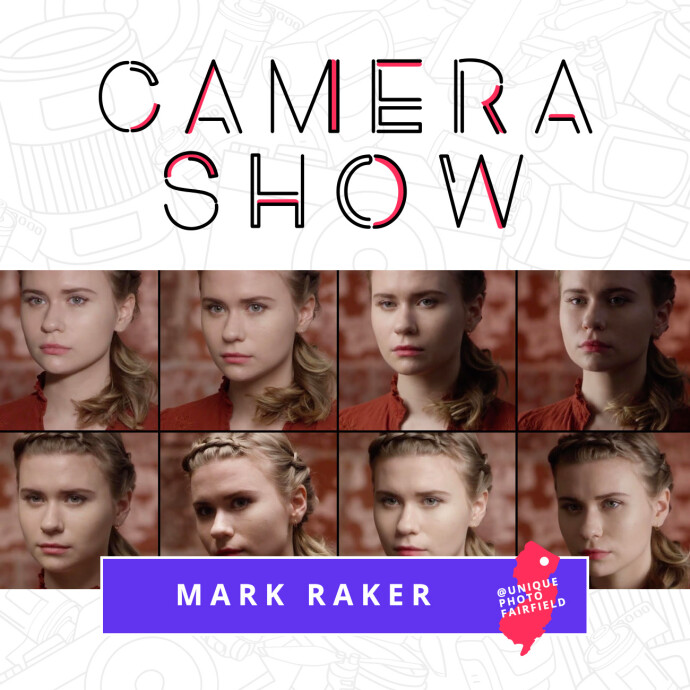
Why it stands out: If you want better film exposures, understanding light is the real upgrade. This class is the strongest fit for photographers trying to improve metering decisions because it helps build the foundation behind every exposure choice: how light behaves, how to recognize quality and direction, and how to make more informed judgments before pressing the shutter.
For most film photographers, better metering starts with better light reading. This course is a smart investment for anyone who wants more confidence across portraits, mixed light, and contrast-heavy scenes.
Meter reliability often becomes less of a mystery once you understand the lighting pattern in front of you. If your exposures vary from roll to roll, or if you struggle in backlit or indoor situations, education can be more valuable than another accessory.
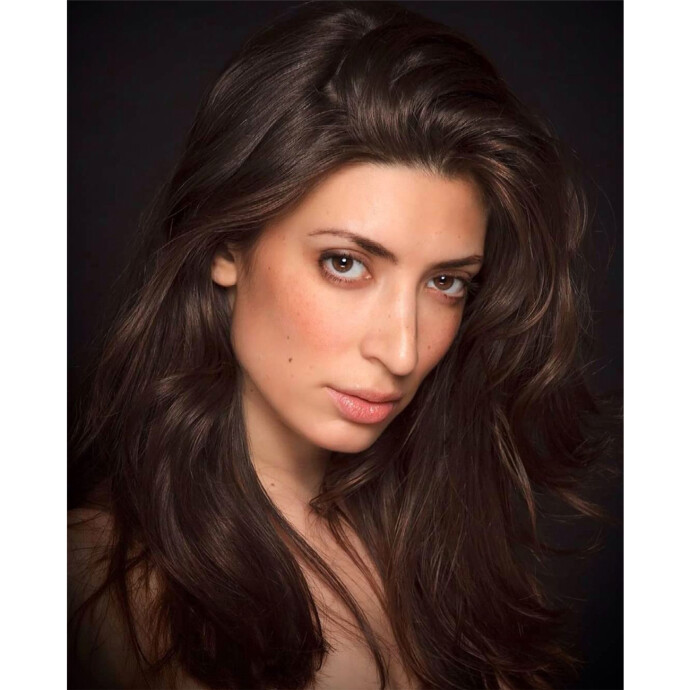
Best for: Film shooters learning to judge difficult light, portrait photographers, and anyone trying to develop a repeatable exposure workflow.
Fujifilm DIGITAL PRO 12X354 GLOSSY
One of the best ways to judge exposure is to see your work in final form. Printing reveals density, highlight retention, shadow detail, and color balance in a way that screens sometimes hide. For photographers who want to compare metering methods—say, camera meter versus handheld meter versus exposure compensation—paper can become part of the testing process.
This Fujifilm glossy paper is a practical choice for photographers and labs producing reference prints. If you are fine-tuning how you expose color negative film, making side-by-side prints can quickly show which workflow gives you the most pleasing results.
Best for: Photographers evaluating exposure consistency through prints and lab workflows.
Fujifilm Paper Super Type Cn 4x610 NBP Matte
Matte paper is another useful option when assessing tonal transitions and subtle highlight roll-off. For film shooters, especially portrait and black-and-white enthusiasts, matte output can make it easier to study gentle tonal differences without the punchy reflectivity of gloss.
If your metering discussions often revolve around protecting highlights or opening shadows, a matte paper workflow can be especially helpful for analyzing nuance.
Best for: Film photographers comparing tonal subtlety and exposure latitude in finished prints.
Used Voigtlander Perkeo I 6x6 120 Film Camera - Good
Many classic medium format cameras, including folding models like the Perkeo I, encourage a slower and more deliberate shooting style. Cameras like this often push photographers toward external metering, estimation, or a disciplined workflow built around lighting awareness rather than automation.
For anyone inspired by the metering discussions around older film cameras, this kind of camera can be a compelling way to sharpen your technique. You will likely think more carefully about scene brightness, dynamic range, and exposure choice with every frame.
Best for: Medium format film photographers who want a more intentional approach to exposure.
Fujifilm BC-T125 Battery Charger for GFX 50S 50R GFX100
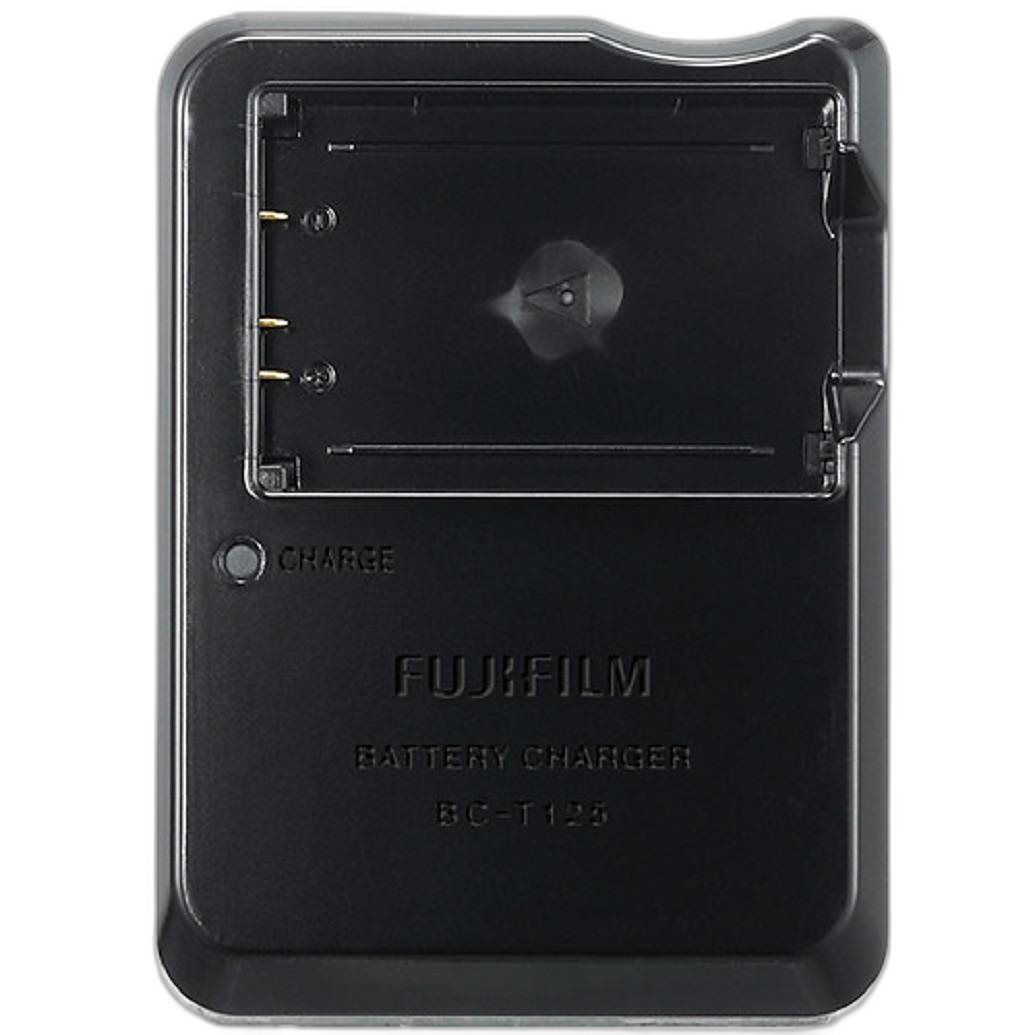
While not a film accessory, a charger like this can still fit a hybrid workflow. Many film photographers use a digital camera to preview lighting ratios, evaluate challenging scenes, or test exposure before committing to a film frame—especially in studio or controlled portrait setups. If you work this way, keeping your digital support gear powered matters.
Best for: Hybrid shooters who use digital as a lighting and exposure reference alongside film.
Tamron RMC-FUJI Rear Lens Cap for Fujifilm X Mount
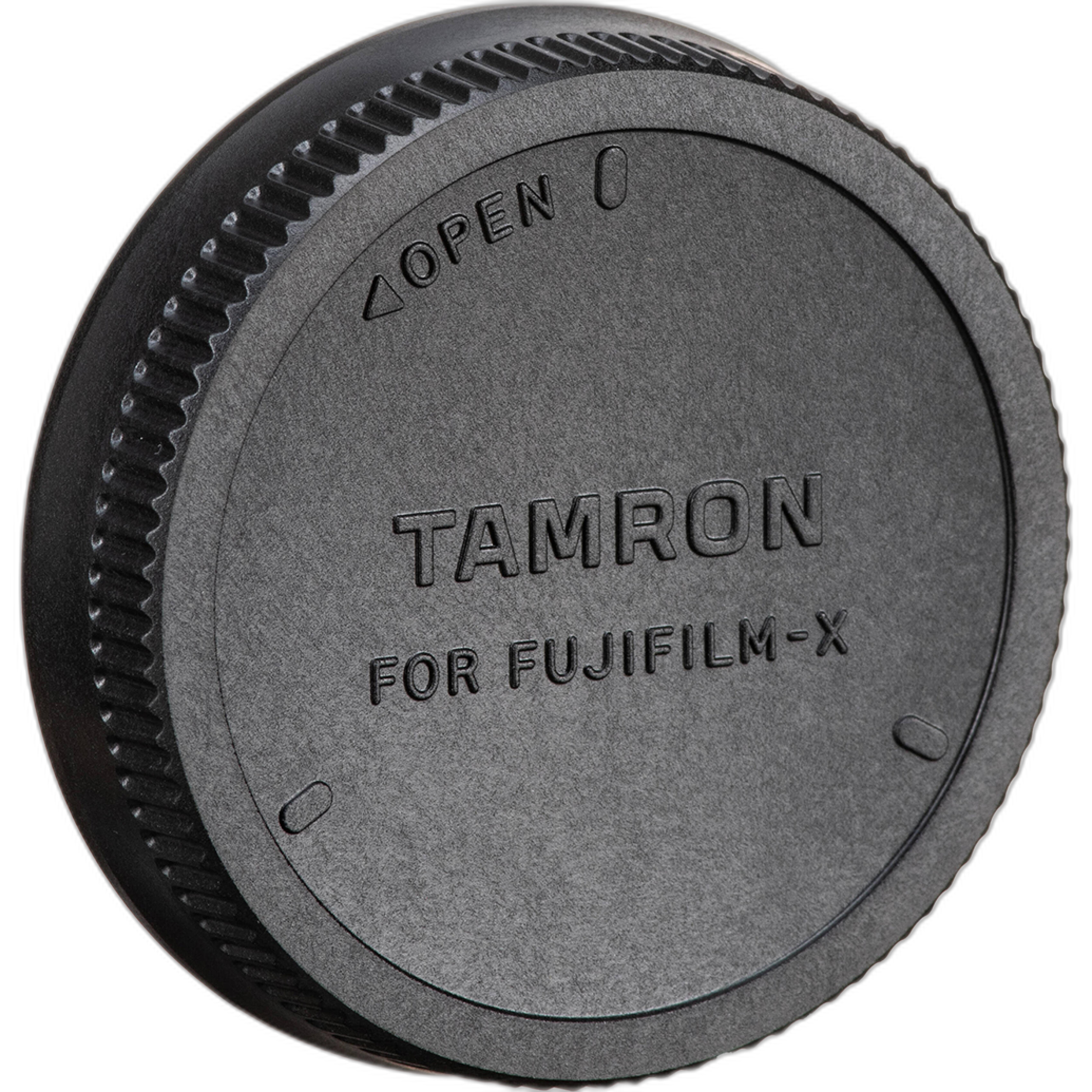
Accessories may seem unrelated to metering, but reliable workflow is built on preparation. If your film process includes carrying a Fujifilm X-series camera as a digital meter substitute, backup body, or reference tool, protecting your lenses and keeping your kit organized helps you stay efficient on location.
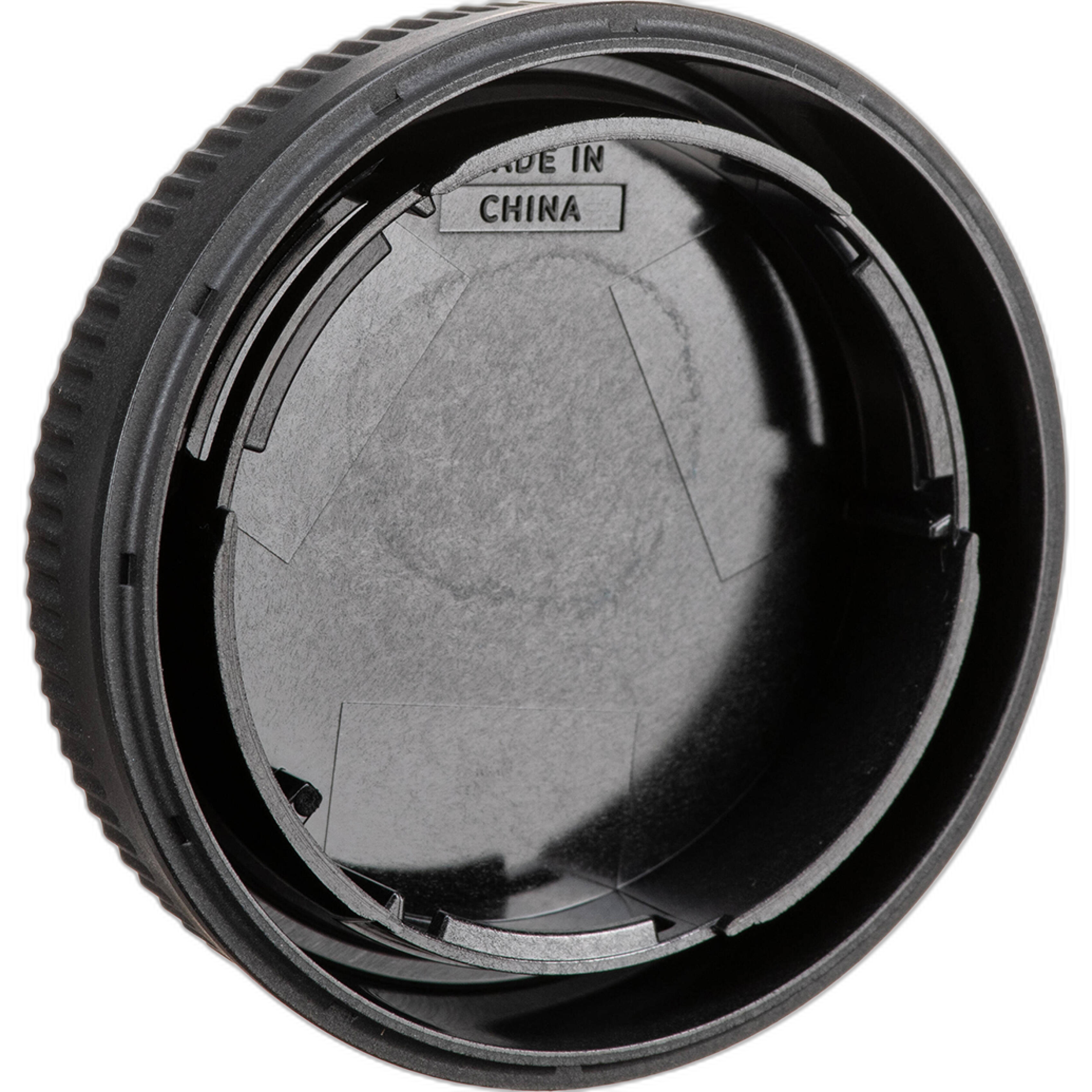
Best for: Hybrid photographers maintaining a clean, ready-to-shoot support kit.
Comparison Table
| Product | Best Use | Why It Helps with Metering Workflow |
|---|---|---|
| CS: Key Lighting Methods with Mark Raker | Learning light | Builds practical understanding of lighting so you can make smarter exposure decisions in any condition. |
| Fujifilm DIGITAL PRO 12X354 GLOSSY | Reference printing | Lets you compare exposure tests and evaluate final tonal and color results. |
| Fujifilm Paper Super Type Cn Matte | Tonal evaluation | Useful for studying subtle highlight and shadow transitions from different metering approaches. |
| Used Voigtlander Perkeo I 6x6 | Intentional film shooting | Encourages a careful, meter-aware workflow common to classic film photography. |
| Fujifilm BC-T125 Charger | Hybrid support | Keeps digital reference gear powered if you use a digital body to check light before shooting film. |
| Tamron RMC-FUJI Rear Lens Cap | Kit organization | Supports a tidy, dependable hybrid setup for field work. |
Film Metering Tips for Better Results
Whatever your preferred method, a few habits can dramatically improve consistency:
- Rate your film intentionally: Many photographers expose color negative film slightly generously for richer shadows.
- Watch high-contrast scenes: If highlights are critical, meter carefully and know your film’s latitude.
- Use consistency when testing: Stick to one lab, one development method, and one scanning approach while you evaluate meter accuracy.
- Bracket when the shot matters: Especially with slide film or unfamiliar lighting.
- Print your work: Prints often reveal whether your meter choice is helping or hurting your final images.
- Learn the light, not just the numbers: A meter is only part of the process; interpretation matters just as much.
Which Option Should You Choose?
If your main goal is better film exposures, the best place to start is with education and evaluation. The CS: Key Lighting Methods with Mark Raker course is our top recommendation because it addresses the underlying skill behind every successful metering workflow: understanding light. Pair that with a print-based review process using Fujifilm paper if you want to test and refine your results over time.
For photographers embracing a slower, classic approach, a camera like the Used Voigtlander Perkeo I 6x6 can be a rewarding way to put metering knowledge into practice. And if your workflow includes digital support gear, practical accessories like the Fujifilm charger and Tamron rear lens cap help keep your setup dependable.
Conclusion
There is no single perfect film metering method for every photographer or every scene. The best workflow is the one that gives you repeatable results with your preferred film stocks and shooting style. For most photographers, the smartest investment is learning to read light more confidently, then reviewing results through prints or a consistent output process. If you are ready to improve your film exposures, Unique Photo offers helpful classes, accessories, and workflow tools to support your next step.