Shopping for a mirrorless camera in 2024 can feel overwhelming. Today’s models are faster, smarter, and more specialized than ever, so the best choice really depends on what you shoot. Whether you’re creating travel content, vlogging, photographing landscapes, or building a lightweight full-frame kit, the right mirrorless camera is the one that fits your style, budget, and long-term goals. Below are practical tips to help narrow down your decision and build a setup that actually works in the real world.
Start by Matching the Camera to What You Shoot
1. Choose your camera based on your main subject
Before comparing specs, think about what you photograph most often. If you shoot travel, street, or everyday moments, a compact mirrorless body with reliable autofocus and strong battery life usually makes the most sense. If landscapes, architecture, or interiors are your focus, lens choice can matter just as much as the camera body.
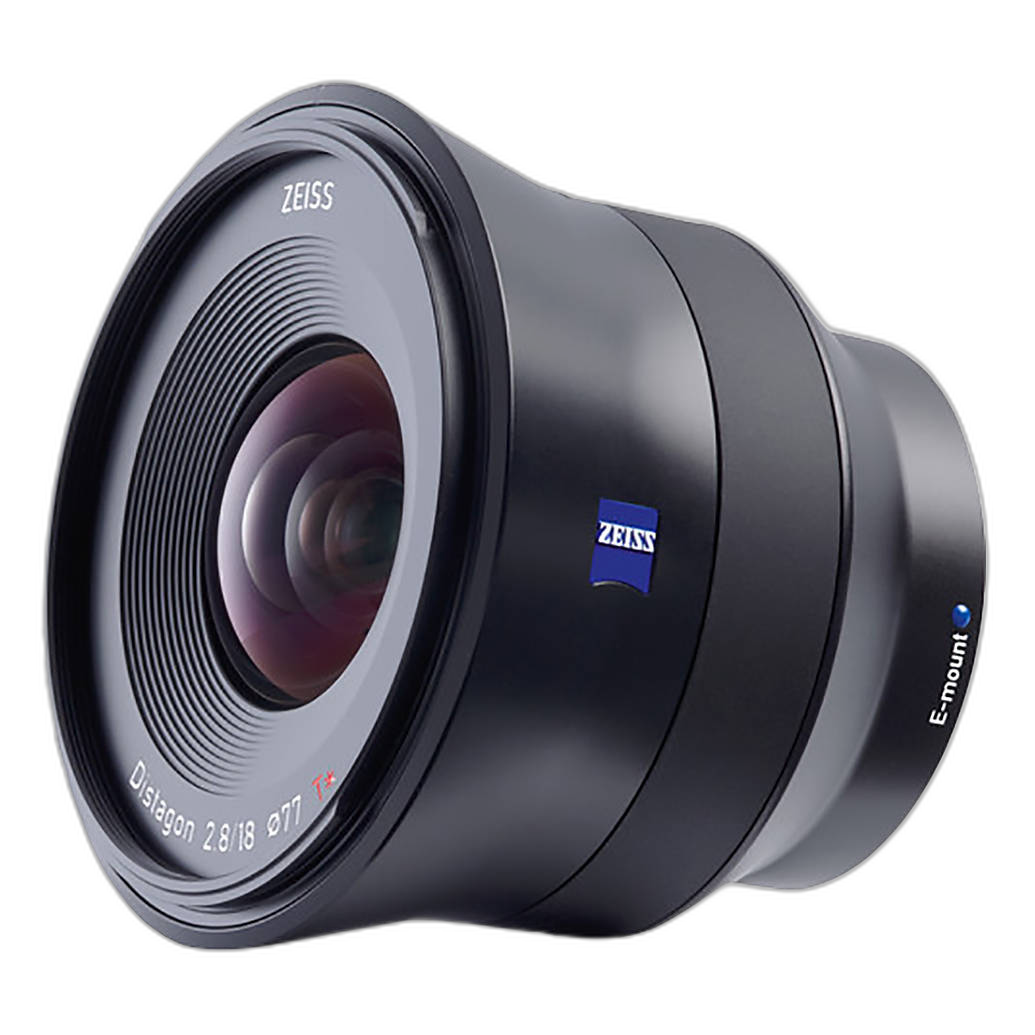
For example, Sony shooters building a landscape or travel kit may want to prioritize lens options like the Zeiss Batis 18mm f/2.8 AF lens for Sony Full Frame E-Mount Cameras, which gives you an ultra-wide perspective without adding too much bulk to your bag.
Think Beyond the Body: Lenses Shape Your Experience
2. A great lens can influence your camera decision
Many buyers start with the camera body, but mirrorless systems are really ecosystems. If one brand offers the lenses you know you’ll use, that’s often the better investment. Wide-angle photographers, for instance, may lean toward Sony E-mount because of options like the Zeiss Batis 18mm f/2.8, which is especially appealing for environmental portraits, city scenes, and dramatic landscapes.
Prioritize Size and Comfort for Everyday Carry
3. The best mirrorless camera is the one you’ll actually bring with you
One of the biggest reasons photographers switch to mirrorless is portability. But even a compact body can become inconvenient if your carrying setup isn’t comfortable. Pairing your camera with a supportive bag can make all the difference for commuting, travel, or all-day shooting.
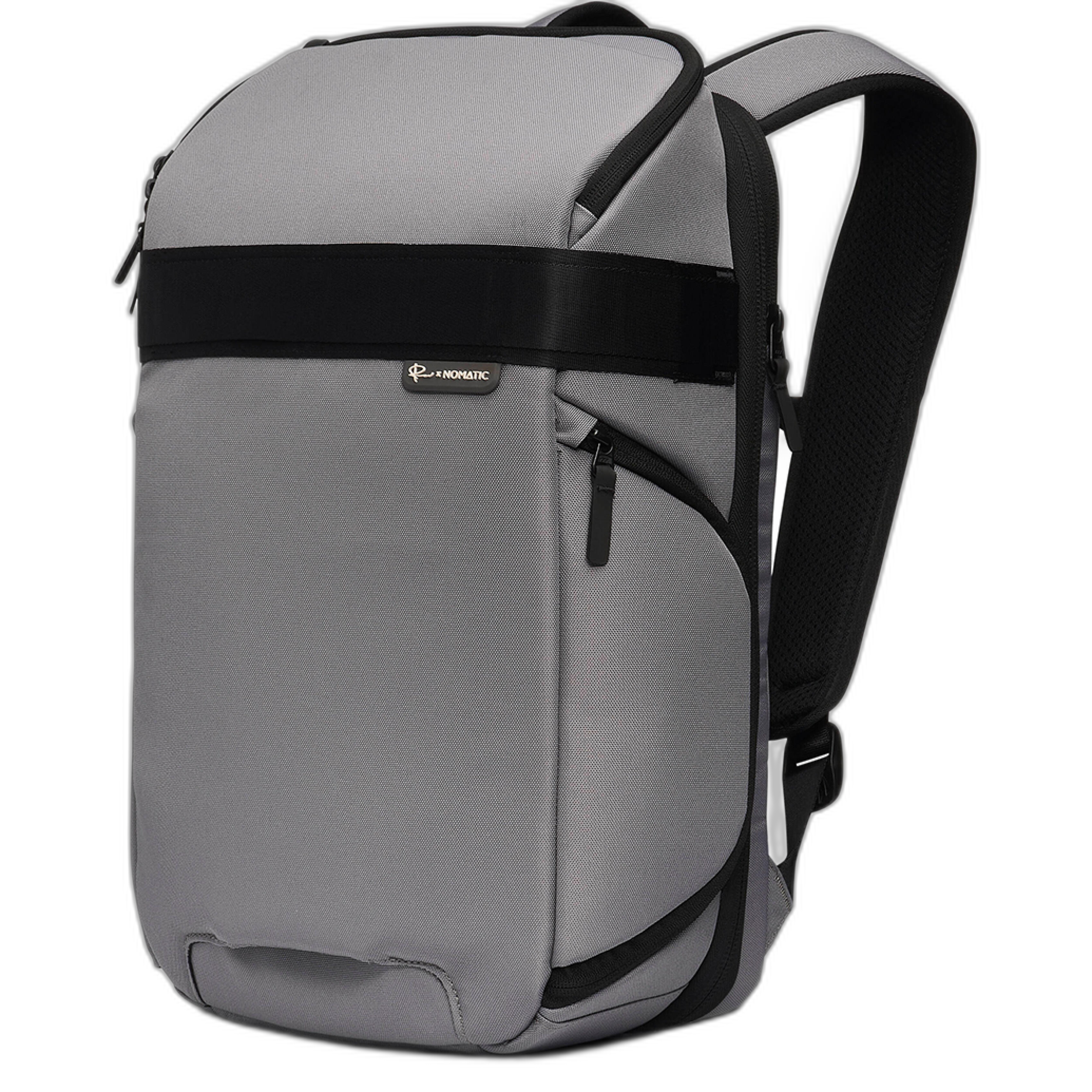
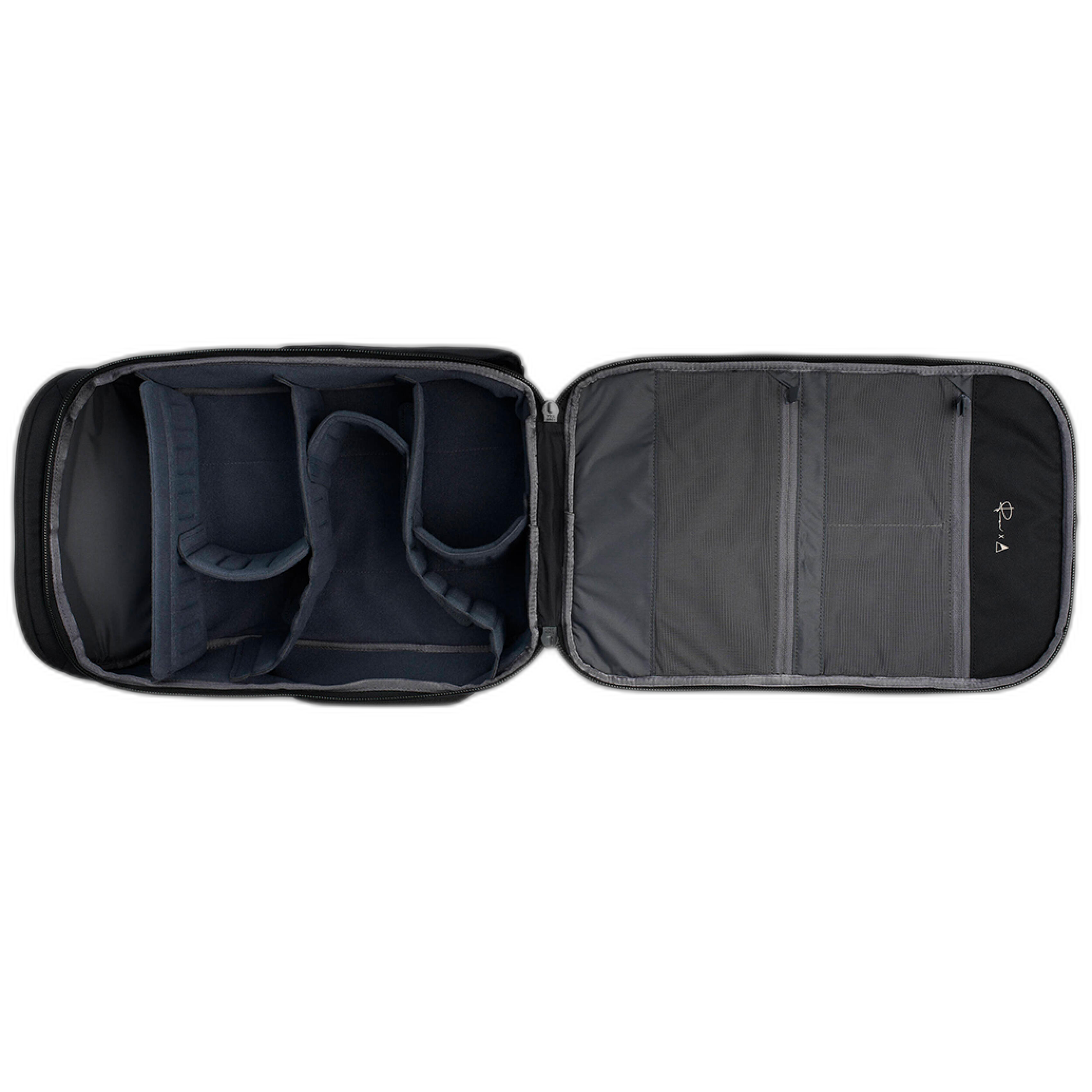
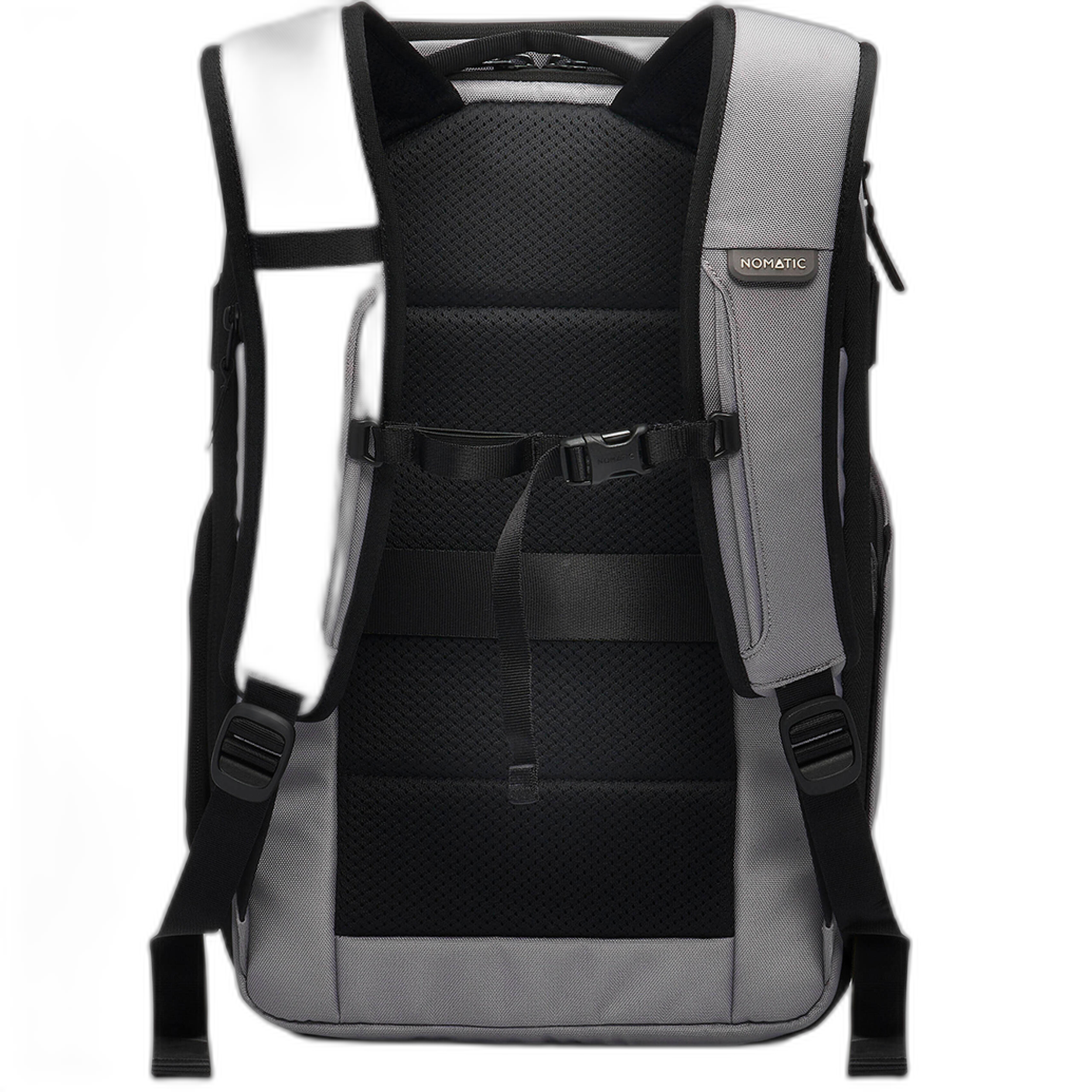
The Nomatic Luma Camera Pack 18L - Stone is a smart option for photographers who want a clean, modern bag that can handle a mirrorless body, a couple of lenses, and daily essentials without feeling oversized.
Don’t Overlook the Importance of Carrying Comfort
4. A slim strap can make a lightweight setup feel even better
If you’re choosing mirrorless for its smaller footprint, keep your accessories equally streamlined. A low-profile strap is ideal for street photography, travel, and walkaround shooting. The PGYTECH Camera Strap Slim - Vintage-Olive Green is the kind of accessory that complements a compact mirrorless kit without adding unnecessary bulk.
It’s a small upgrade, but comfort matters when you’re carrying your camera for hours at a time.
Consider Video Features If You Create Content
5. Hybrid shooters should think about power and reliability
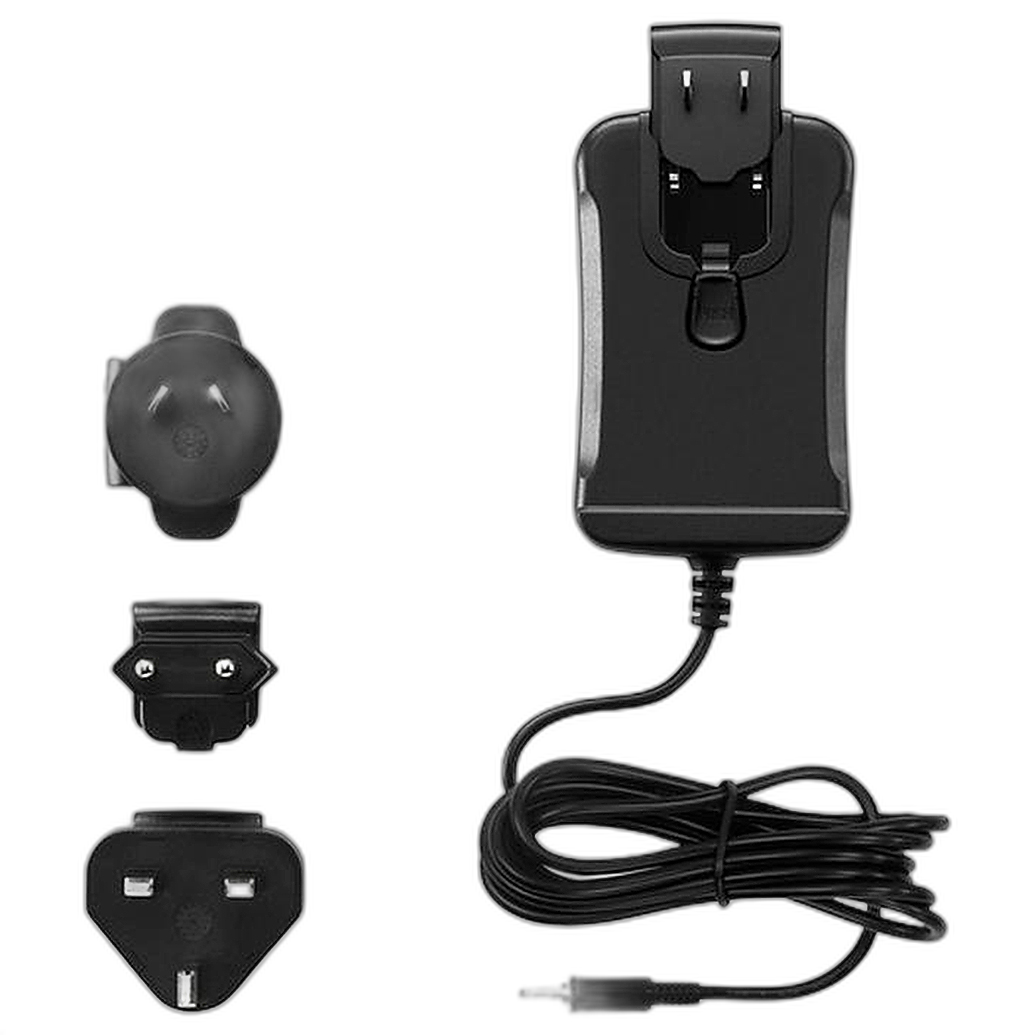
If your mirrorless camera will be used for video as much as stills, look closely at recording limits, heat management, ports, stabilization, and power options. For creators using Blackmagic gear alongside a mirrorless setup, dependable accessories such as the Blackmagic Design Power Supply for Pocket Cinema Camera help keep production days running smoothly.
Even if you’re shopping for a traditional mirrorless stills camera, thinking like a hybrid shooter can help future-proof your purchase.
Protect Your Investment from Day One
6. A warranty can be worth factoring into your budget
Mirrorless cameras are serious investments, especially once you add lenses and accessories. If you’re buying into a premium system, budgeting for protection is a smart move. Depending on your brand and gear level, an extended coverage plan can add peace of mind.
For example, higher-end cinema and video users may appreciate something like the RED Extended Warranty - KOMODO-X, while Nikon buyers looking at more expensive bodies may want to consider options such as a Nikon Care 2-Year Camera Warranty when available for their purchase range.

Build a Kit, Not Just a Purchase
7. Think in terms of a complete mirrorless setup
When deciding which mirrorless camera to buy in 2024, imagine the full kit you want six months from now. A practical setup might include a versatile camera body, one strong everyday lens, a specialized lens for your favorite genre, a comfortable strap, and a protective bag.
- A travel or street shooter may want a compact body, slim strap, and small daypack.
- A landscape photographer may prioritize a full-frame body and an ultra-wide option like the Zeiss Batis 18mm f/2.8.
- A hybrid creator may place more value on power accessories, support gear, and warranty coverage.
Keep Your Future Growth in Mind
8. Buy for the next step, not just today
The best mirrorless recommendation is often the one that leaves room to grow. If you know you want to expand into landscapes, video, or commercial work, choose a system with lens depth and accessory support. Investing in quality support gear now, like a dependable everyday bag such as the Nomatic Luma Camera Pack 18L, can make it easier to grow your kit over time.
Conclusion
So, which mirrorless camera should you buy in 2024? Start with your shooting style, then work outward: lens options, portability, comfort, video needs, and long-term system growth. A smart camera choice becomes even better when paired with practical accessories and protection that support how you actually shoot. If you’re ready to compare gear and build the right mirrorless setup, Unique Photo is a great place to explore cameras, lenses, bags, and accessories for every level of photographer.