Film Exposure FAQ: Metering Strategies for Better Negatives and Slides
Getting consistent results on film starts with understanding how your meter sees a scene. Whether you shoot black-and-white negative film, color negative film, or slide film, the right exposure strategy can help you protect highlights, open up shadows, and make scanning or darkroom printing much easier.
At Unique Photo, we regularly help film photographers choose the right metering approach for their cameras, shooting style, and preferred film stocks. This FAQ covers the most common questions about incident, reflective, and spot metering so you can expose with more confidence.
What is the best metering method for film photography?
The best metering method depends on both your subject and the type of film you are using. Incident metering is often the most straightforward choice because it measures the light falling on the subject rather than the light reflecting off it. That makes it especially useful for portraits, controlled lighting, and scenes where bright or dark subjects might fool an in-camera reflective meter.
Reflective metering, including many built-in camera meters, reads the light bouncing back from the scene. It can work very well, but it requires more interpretation. A bright snowy landscape or a dark interior can lead to underexposure or overexposure if you simply trust the reading without compensation.
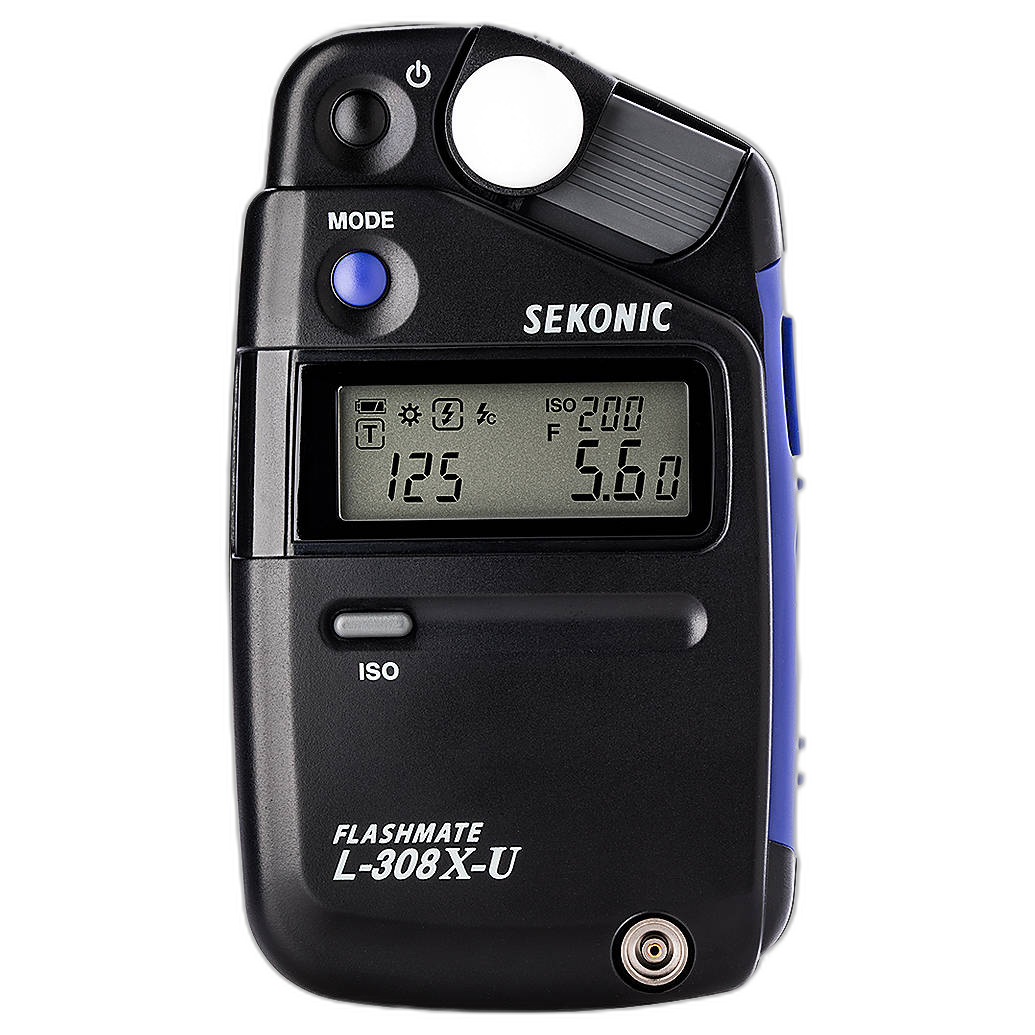
Spot metering gives the most control because you can meter specific parts of the scene and decide exactly where to place tones. If you are shooting landscapes, high-contrast scenes, or slide film, a dedicated spot meter can be a major advantage. For photographers who want a compact all-around handheld meter, the Sekonic L-308X-U Flashmate Light Meter is a great starting point for incident and reflected readings.
How should I expose black-and-white negative film?
Black-and-white negative film is generally forgiving, especially in the highlights, so many photographers prefer to meter for the shadows and allow brighter values to fall where they may. The goal is usually to preserve enough shadow detail without worrying too much about slight overexposure. In practical terms, that often means giving the film a little more exposure than a basic reflective reading might suggest.
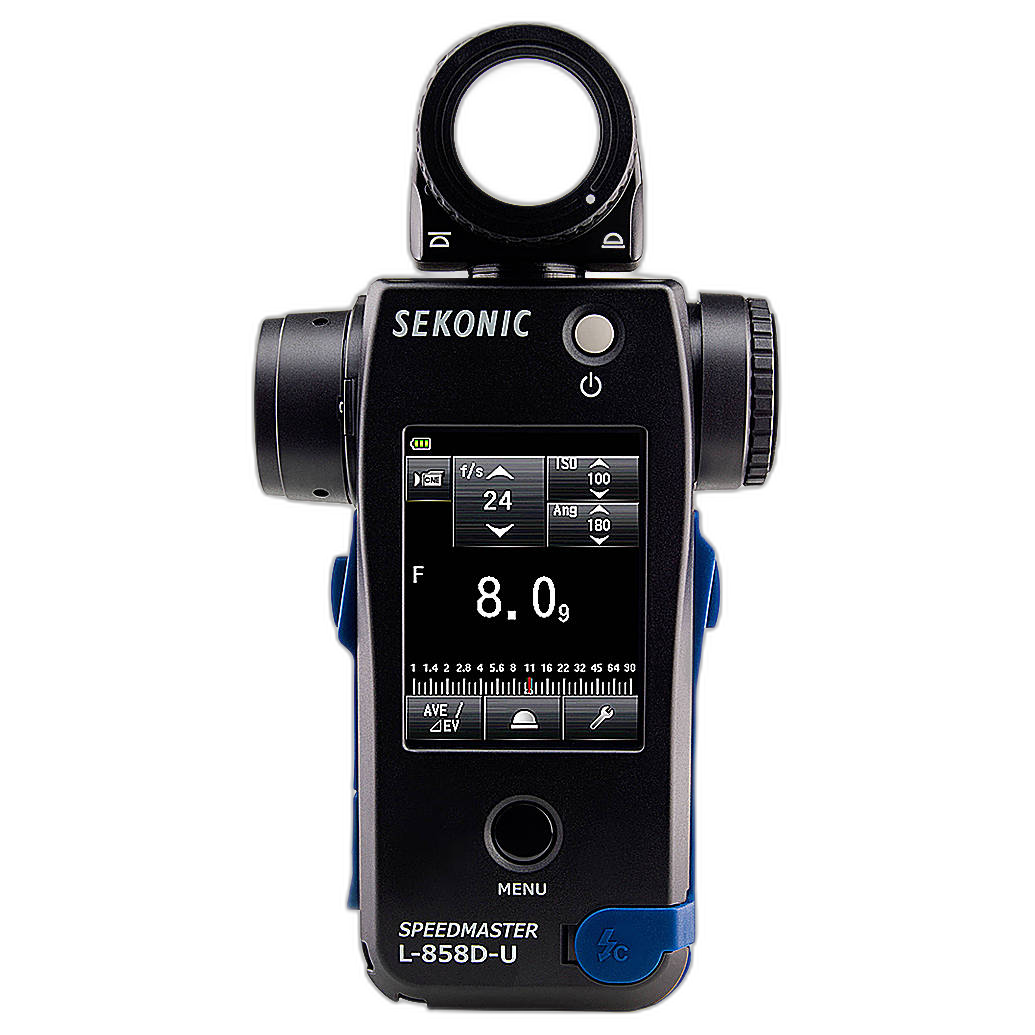
If you are working in changing light, incident metering can simplify the process. If you want more precision, spot metering the darkest area where you still want texture is a classic approach. Black-and-white film responds especially well to a deliberate exposure placement strategy, making tools like a spot meter valuable for landscape and fine art work. A high-end option like the Sekonic L-858D-U Speedmaster Light Meter offers advanced metering control for photographers who want precision across both ambient and flash shooting.
How should I expose color negative film?
Color negative film also tends to tolerate overexposure better than underexposure, which is why many film photographers lean toward giving it a bit of extra light. Doing so can improve shadow detail and create smoother scans, particularly in scenes with deep contrast. Many shooters rate their film slightly slower than the box speed for this reason, though the exact amount depends on the film stock, the lab, and your preferred look.
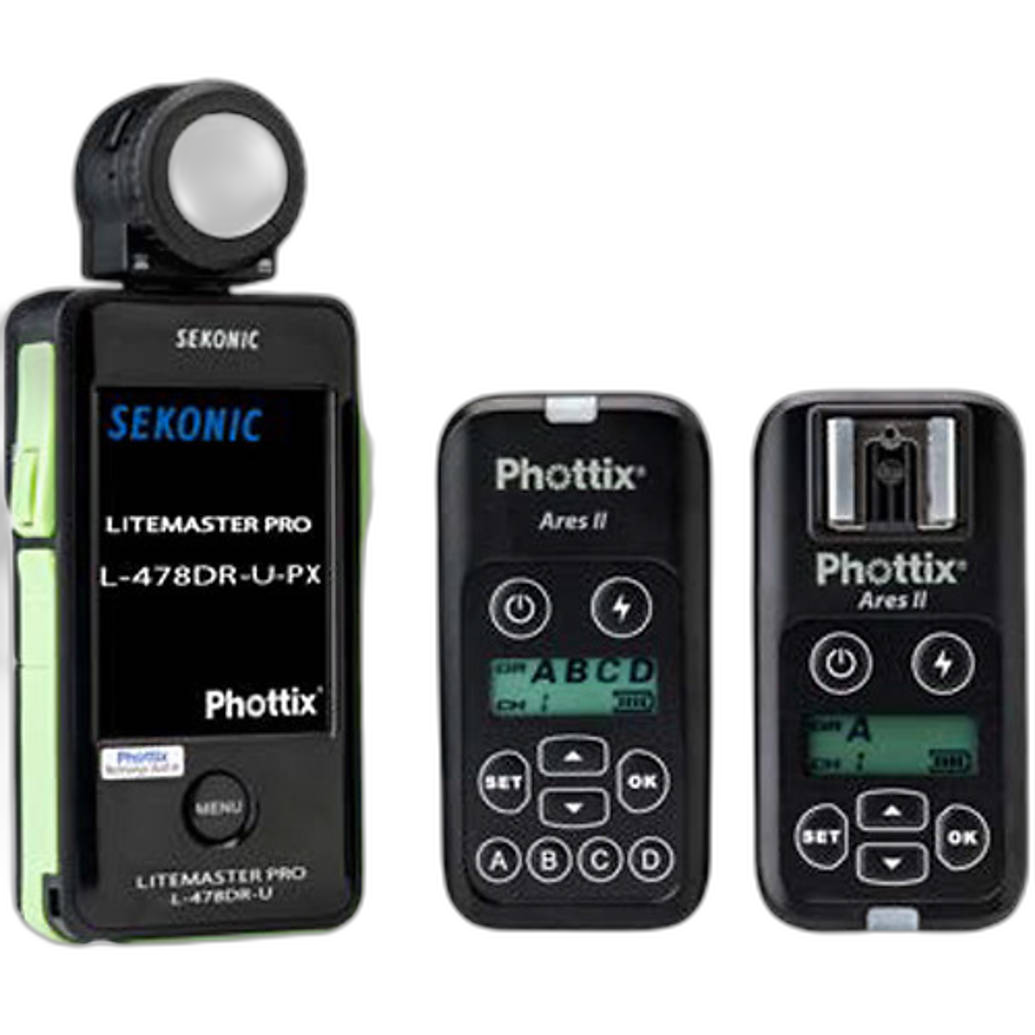
An incident meter is particularly helpful with color negative film because it removes the guesswork caused by scenes with mixed tones. If you are photographing people outdoors, using a handheld meter can lead to more consistent skin tones from frame to frame. The Sekonic L-478DR-U-PX Meter is a strong choice for photographers who want an easy-to-read interface and reliable handheld metering for both continuous and flash light.
Why is slide film less forgiving than negative film?
Slide film has much narrower exposure latitude than most negative films, especially in the highlights. That means small exposure errors are easier to see, and blown highlights are much harder to recover. Because of this, many slide film photographers prioritize highlight retention and meter very carefully in contrasty scenes.
Spot metering is especially useful here because it allows you to evaluate the brightest important areas of the scene and avoid pushing them beyond the film's range. If you regularly shoot transparency film, a meter with precise spot capability can be one of the best upgrades you can make. A dedicated handheld meter also reduces the risk of relying on an aging in-camera meter that may no longer be perfectly calibrated.
When should I use a spot meter instead of an incident meter?
Use an incident meter when you can stand in the same light as your subject and want a quick, dependable reading. This works beautifully for portraits, studio work, and evenly lit outdoor scenes. Use a spot meter when the scene has extreme contrast, when the subject is far away, or when you want to make exposure decisions based on specific tonal areas.
Landscape photographers often favor spot metering because the light can vary dramatically across the frame. Architectural and street photographers also benefit when they need to read a highlight, a midtone, and a shadow separately before choosing an exposure. If you are looking at used gear to add that capability, a used spot meter can be an excellent value for serious film work.
Can I trust the meter built into my film camera?
Sometimes yes, but it depends on the age and condition of the camera. Built-in meters can drift over time, and older film bodies may not read accurately if their electronics have aged or if the battery voltage differs from the original design. Even when the meter is functioning, it is still a reflective meter, so bright or dark subjects can mislead it.
This matters even more when using vintage film cameras. For example, if you are considering older bodies with known meter issues, a separate handheld meter can be the best way to keep shooting confidently. Pairing a classic film camera with a modern handheld meter gives you more consistency and often better results than relying on a questionable internal meter.
How do I handle scenes with bright highlights and deep shadows?
Start by deciding what matters most in the image. With negative film, you usually have more flexibility to give additional exposure and hold onto the shadows. With slide film, preserving highlights is usually the first priority. In either case, comparing readings from the brightest important area and the darkest important area can show you whether the scene fits within the film's usable range.
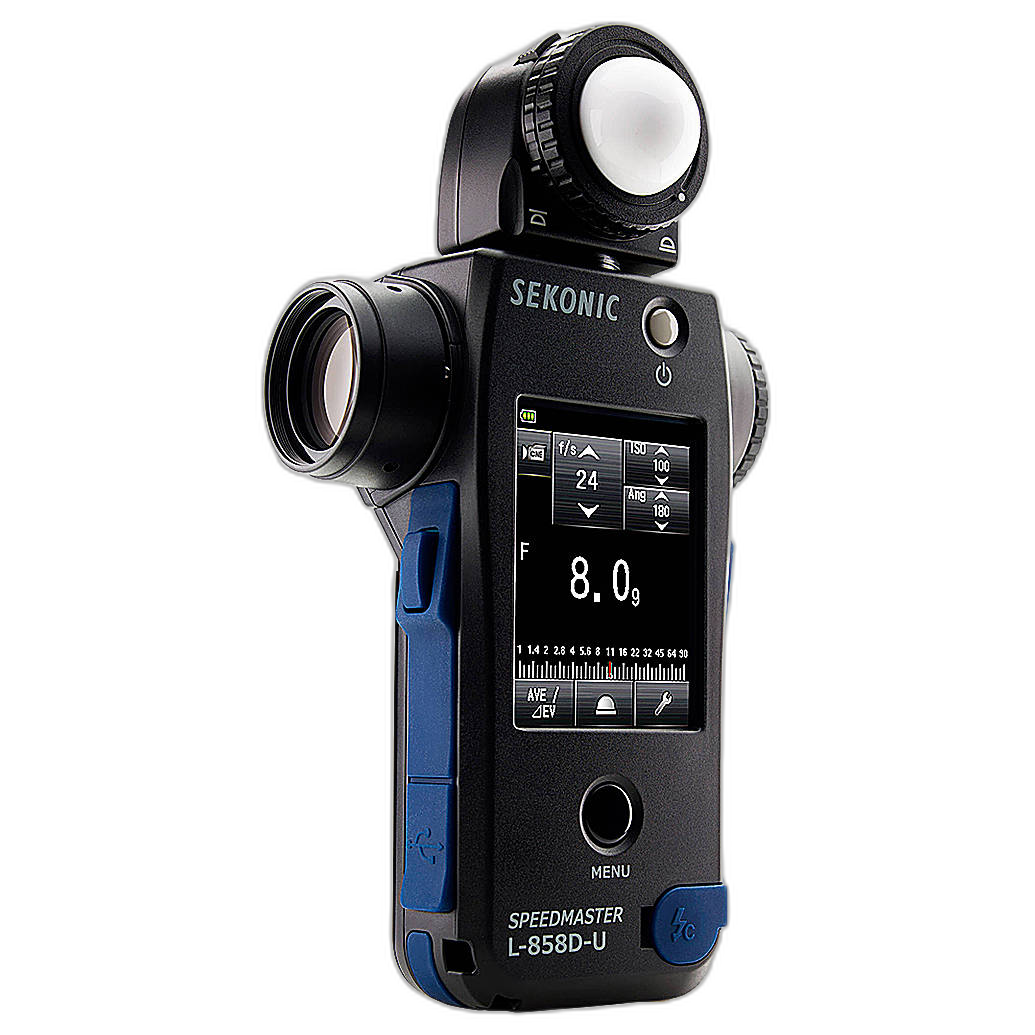
In difficult light, a meter with more advanced features can help you work faster and with more confidence. The Sekonic L-858D-U Speedmaster Light Meter is especially useful for photographers who move between natural light, studio lighting, and complex scenes where precision matters.
Is a basic handheld meter enough, or should I buy a more advanced model?
If you are just starting with handheld metering, a simple and compact model is often enough. The Sekonic L-308X-U Flashmate Light Meter is a smart choice for photographers who want reliable incident and reflected readings in a lightweight package. It is especially appealing for portrait, studio, and general film use.
If you need more advanced features, such as deeper control over ambient and flash measurements, expanded functionality, or a more sophisticated workflow, stepping up to the Sekonic L-478DR-U-PX Meter or the Sekonic L-858D-U Speedmaster Light Meter makes sense. These options are well suited to photographers who shoot a mix of film formats, use off-camera lighting, or want a meter that can grow with their technique.
Should film photographers consider used light meters?
Absolutely. A used light meter can be a practical way to get professional-level metering performance while keeping your budget focused on film, processing, and lenses. For many film photographers, especially those building a kit around classic cameras, used accessories are a smart match.
At Unique Photo, used gear can be a great option for photographers who want to expand into spot metering or step up to a premium handheld meter without buying new. Availability changes, but checking our used selection is a worthwhile move if you want more metering control at a lower cost.
Choosing the right metering method can dramatically improve your results on film, especially when you match your approach to the latitude and behavior of the stock you are shooting. If you are ready to upgrade your workflow, shop light meters and film photography gear at Unique Photo to find the right tool for your camera, your subjects, and your style of shooting.