If you’re looking for the best budget portrait lens for Sony E-mount, the good news is that you don’t need to spend a fortune to get flattering focal lengths, soft background blur, and sharp subject detail. The trick is knowing which lens features matter most for portraits and where it makes sense to save. Below are practical tips to help you choose the right portrait lens, along with a few standout options worth considering from Unique Photo.
Start With the Classic 50mm Portrait Look
1. Choose 50mm if you want the most versatile budget-friendly portrait focal length
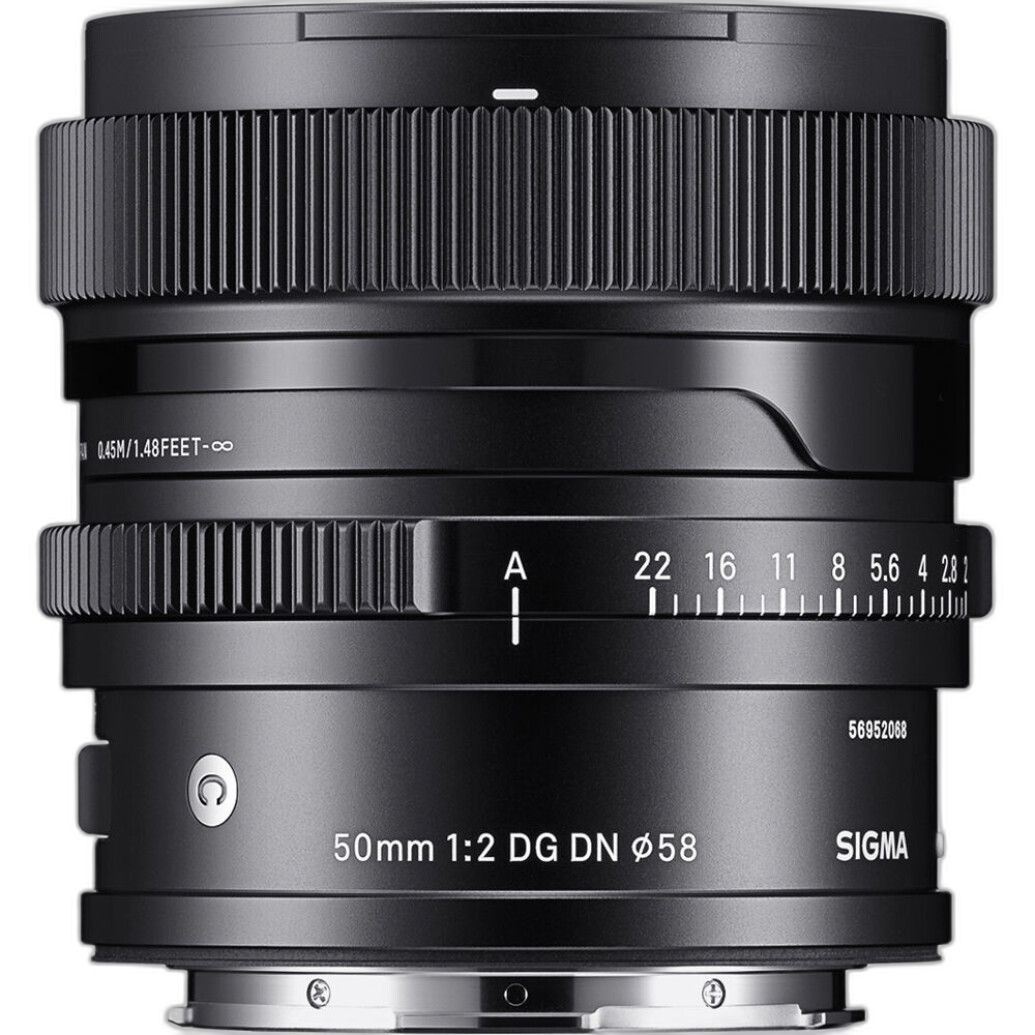
For many Sony shooters, a 50mm lens is the easiest place to start. It’s natural-looking, flexible for headshots and half-body portraits, and usually more affordable than premium short-telephoto options. A great example is the Used Sigma 50mm f/2 DG DN Contemporary Lens for Sony E Mount - Excellent, which offers a compact build and a bright-enough aperture for background separation without pushing the price into luxury territory.
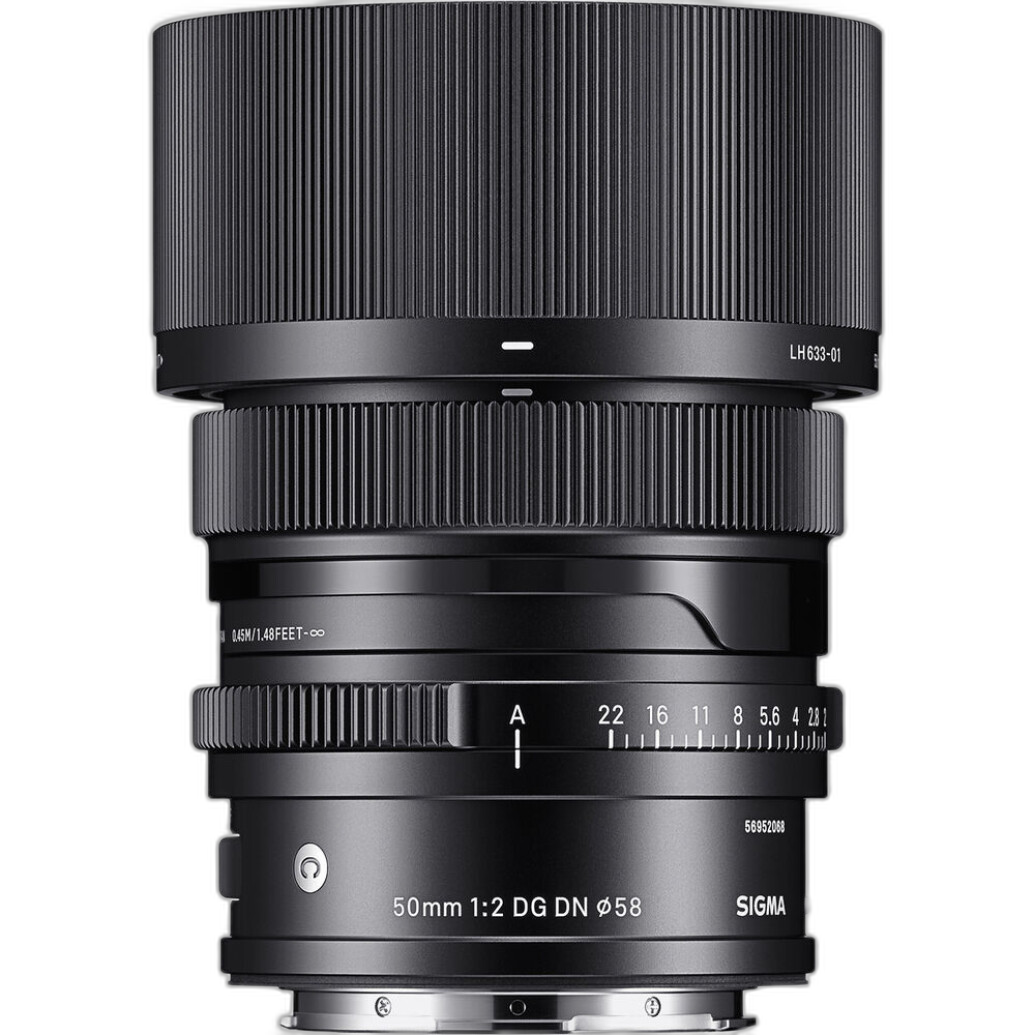
If you want something that balances sharpness, size, and value, a used 50mm like this can be one of the smartest buys in the system. It’s especially appealing for photographers who want a single lens for portraits, everyday shooting, and low-light work.
Decide Whether You Want Maximum Blur or Maximum Value
2. Go for f/1.4 if shallow depth of field is your top priority
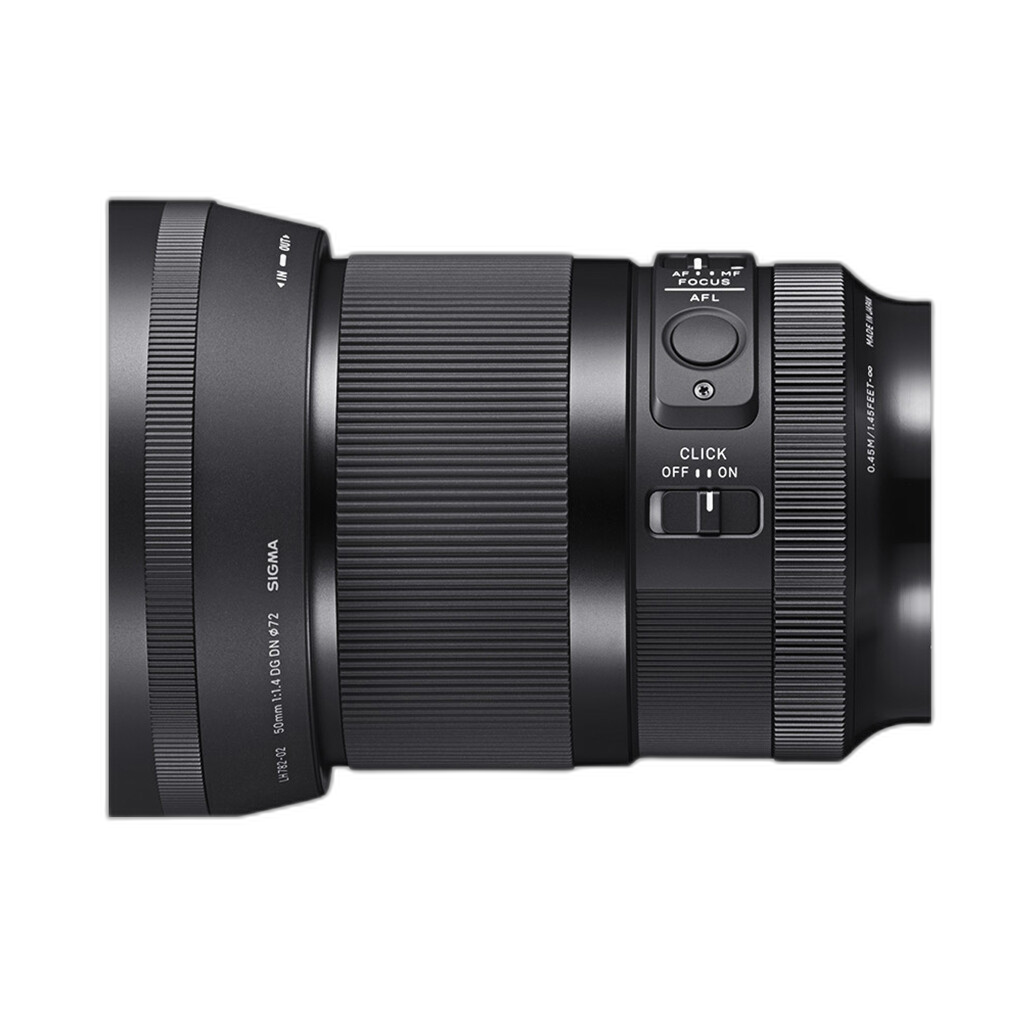
If creamy bokeh and low-light capability matter most, stepping up to a faster aperture can make a visible difference. The Sigma 50mm f/1.4 DG DN Art Lens (Sony E) - Excellent is a strong option for portrait shooters who want richer subject isolation while still shopping carefully through used gear.
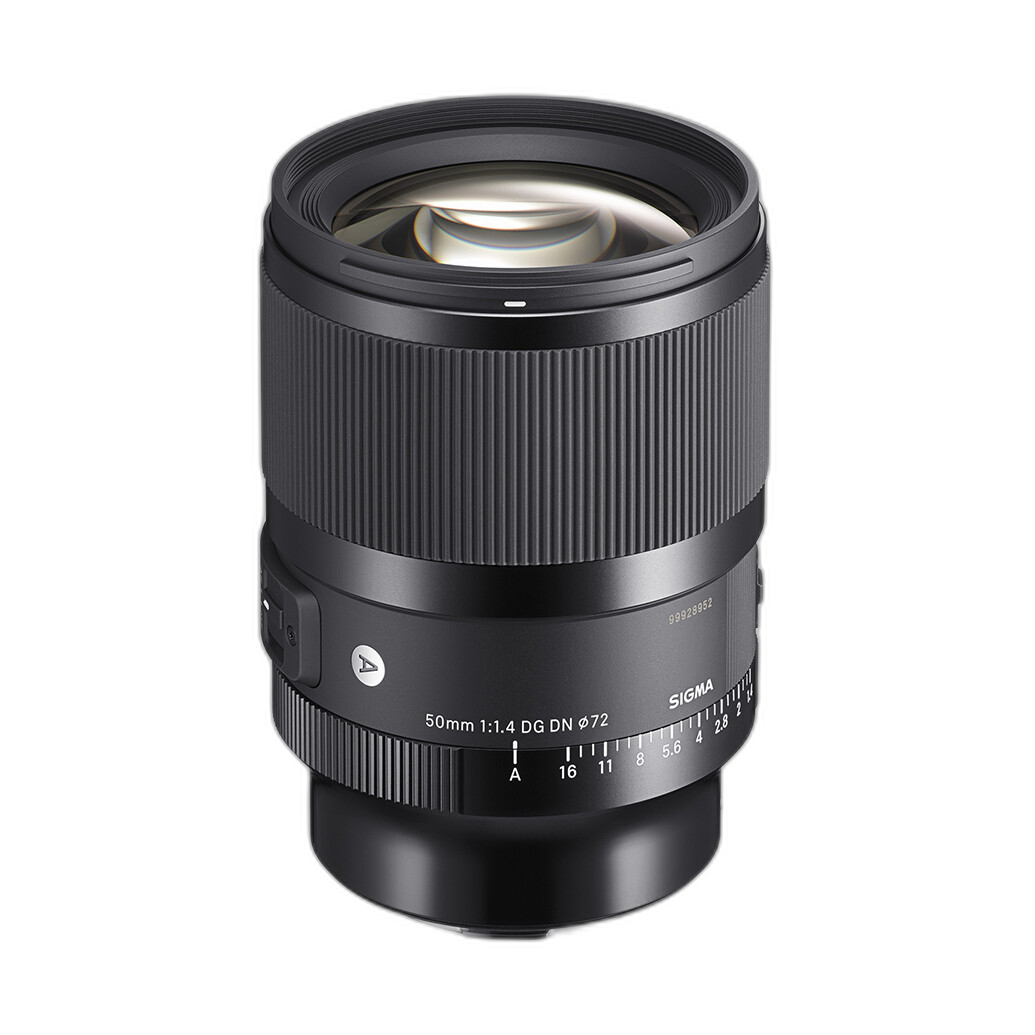
Compared to an f/2 lens, f/1.4 gives you more flexibility in dim light and a softer background. The tradeoff is usually more size, more weight, and a higher cost. If your portrait work is a bigger priority than travel convenience, that trade can be well worth it.
Think Beyond 50mm for More Flattering Compression
3. Consider 75mm or 85mm-style framing if you prefer tighter portraits
Many photographers love a slightly longer focal length for portraits because it gives more flattering facial proportions and stronger background compression. While traditional 85mm options are often the default recommendation, lenses like the Viltrox AF 75mm 1.2 E For Sony E can deliver a similar portrait-friendly feel with striking subject separation.
If your goal is dreamy headshots or upper-body portraits, this kind of focal length can look more specialized than a 50mm. It’s not always the cheapest option up front, but if portraits are your main focus, it may be a better long-term value than buying a general-purpose lens first and replacing it later.
Used Lenses Can Be the Real Budget Sweet Spot
4. Shop used if you want premium portrait results without paying full retail
One of the best strategies for budget-conscious Sony photographers is shopping used lenses in excellent condition. Instead of settling for an entry-level optic, you may be able to move into a more refined portrait lens for similar money. Both the Used Sigma 50mm f/2 DG DN Contemporary and the Sigma 50mm f/1.4 DG DN Art Lens (Sony E) - Excellent show how the used market can stretch your budget further.
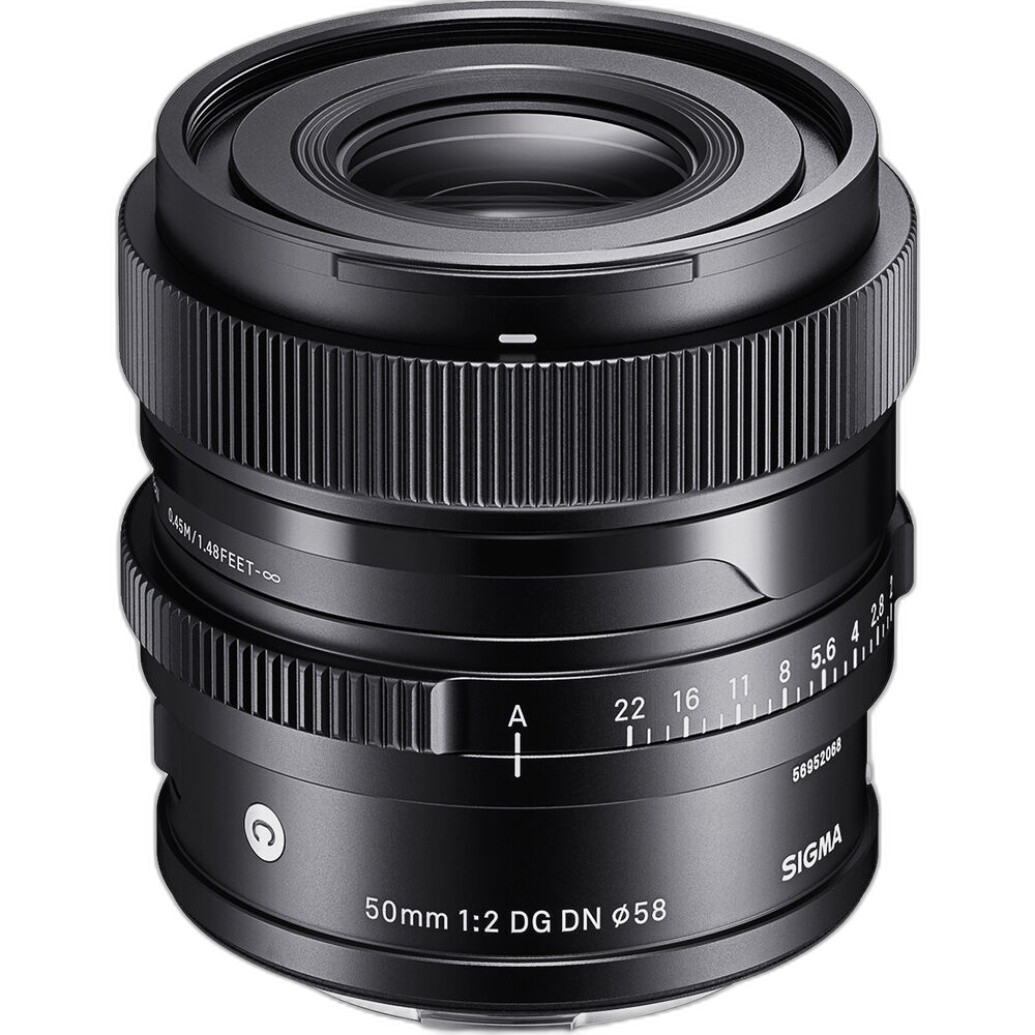
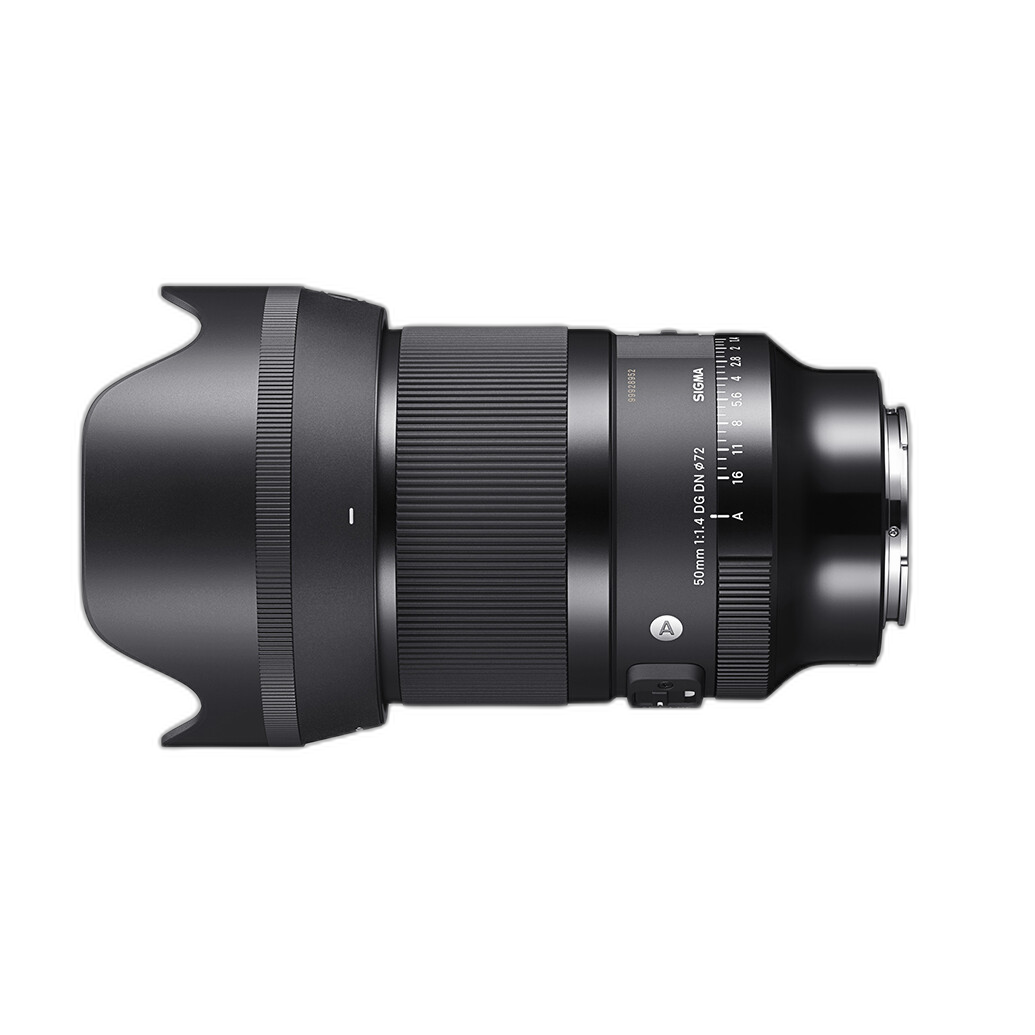
For portrait work, this can be especially helpful because optical quality, rendering, and autofocus performance matter more than simply buying the least expensive lens available.
Don’t Buy Too Wide for Traditional Portraits
5. Avoid ultra-wide lenses unless you want environmental or stylized portraits
It can be tempting to look at any fast lens and assume it will work well for portraits, but focal length matters. For example, the Sigma 14mm f/1.8 DG HSM Art Lens for Sony E is a very fast and creative lens, yet it’s better suited for dramatic environmental portraits, astrophotography, or highly stylized work than for flattering classic portraiture.
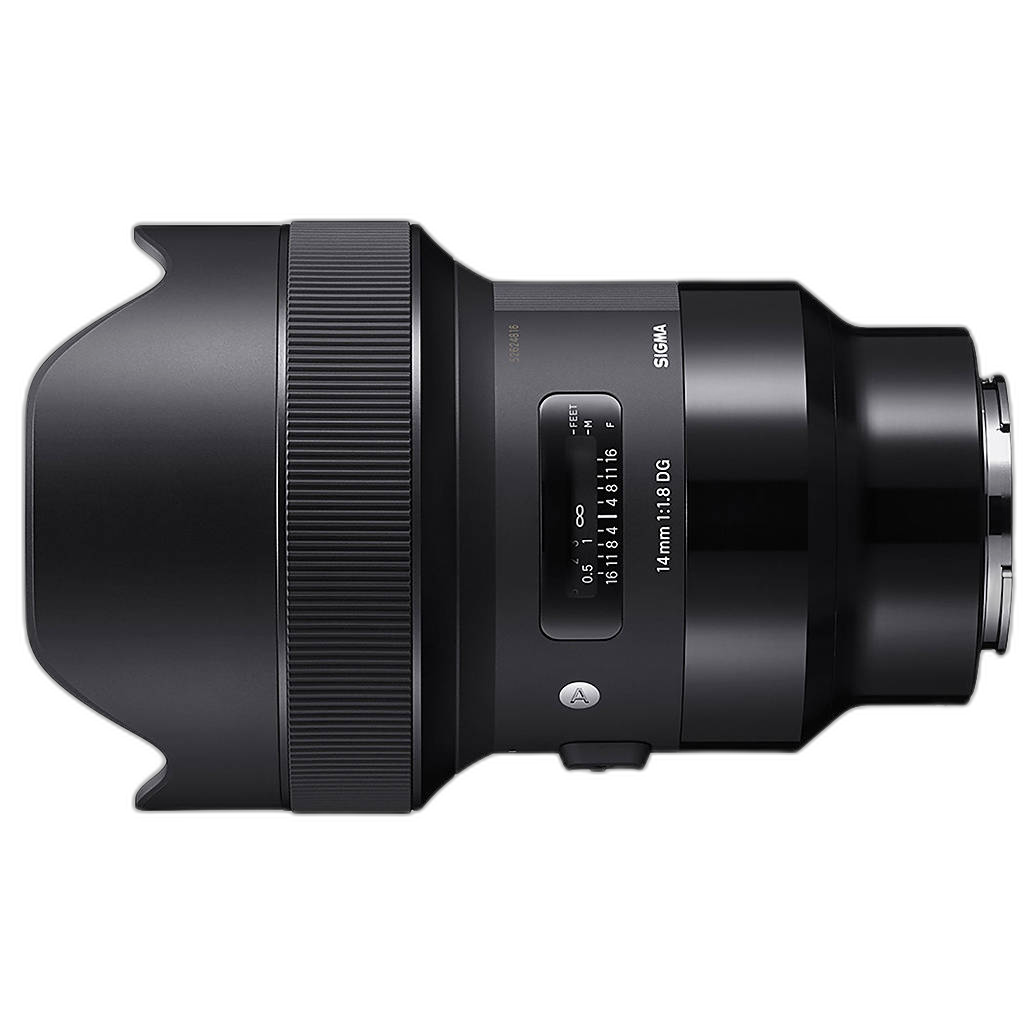
Wide lenses can exaggerate facial features when used up close. That doesn’t make them bad lenses, but if your question is strictly about the best budget portrait lens, a 50mm or 75mm-style option is a much safer place to begin.
Long Telephoto Portrait Lenses Are Amazing, but Not Always Budget Picks
6. Treat 135mm lenses as specialty portrait tools, not starter budget options
A 135mm portrait lens can create gorgeous compression and stunning background blur, but this category is usually less beginner-friendly in both price and working distance. The Sigma 135mm f/1.8 DG HSM Art Lens for Sony E is a fantastic portrait lens for outdoor sessions and dramatic subject isolation, but it typically makes more sense as an upgrade than as a first budget portrait purchase.
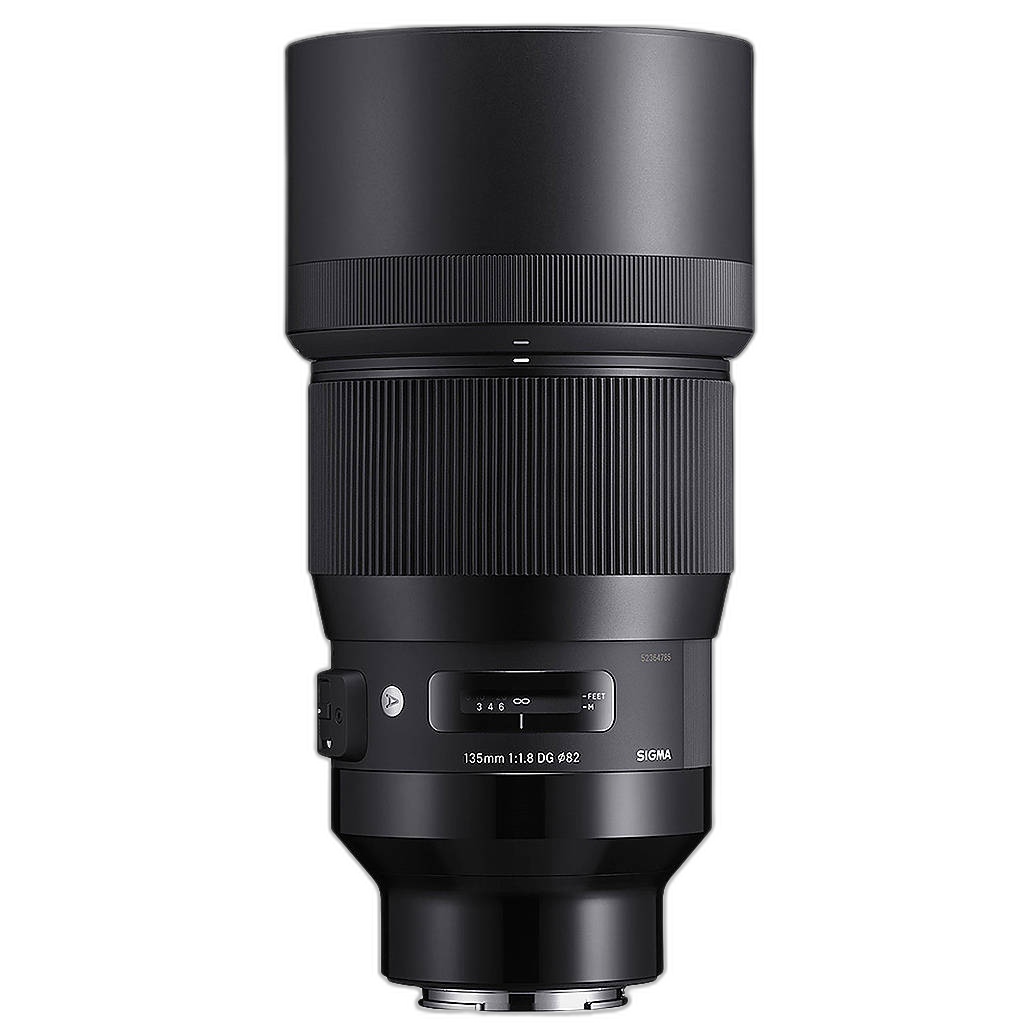
The same thinking applies to lenses like the Viltrox AF 135mm 1.8 FE For Sony E. These can be excellent for photographers who already know they love tight framing and have enough room to shoot, but they’re usually not the most economical all-around portrait choice.
Match the Lens to Your Shooting Style
7. Pick a lens based on where and how you shoot portraits
- Indoor portraits or small home studios: A 50mm option is often easiest to use.
- Outdoor portraits with strong background blur: A 75mm or 135mm lens can shine.
- Environmental portraits: A 35mm lens like the Viltrox AF 35mm 1.2 FE For Sony E may be a creative fit if you want to include more of the scene.
- APS-C Sony users wanting a tighter portrait angle: A lens such as the Viltrox AF 27mm 1.2 E For Sony E may appeal more for a normal-to-portrait perspective depending on your camera and style.
The best budget portrait lens isn’t just about price. It’s about buying the lens you’ll actually enjoy using in the spaces and situations you shoot most often.
Best Budget Sony E-Mount Portrait Recommendation
8. If you want the best balance of price, quality, and flexibility, start with a used 50mm
For most photographers, the Used Sigma 50mm f/2 DG DN Contemporary Lens for Sony E Mount - Excellent is one of the smartest budget portrait recommendations here. It gives you a classic portrait focal length, manageable size, strong everyday versatility, and the savings advantage of buying used.
If your budget can stretch and you know you want more blur, the Sigma 50mm f/1.4 DG DN Art Lens (Sony E) - Excellent is a compelling step up. Either way, 50mm remains one of the safest and most rewarding portrait lens choices for Sony E-mount shooters.
Conclusion
If you’re shopping for the best budget portrait lens for Sony E-mount, start simple: prioritize a flattering focal length, a bright enough aperture, and real-world value over specs alone. For most users, a used 50mm is the sweet spot, while longer lenses make sense once your portrait style becomes more specialized. If you’re ready to compare options and find a portrait lens that fits both your creative goals and your budget, Unique Photo is a great place to start.