Field Monitor vs EVF for Run-and-Gun Video: What Should You Choose?
For fast-paced video work, the choice between a field monitor and an electronic viewfinder can have a major impact on how confidently you shoot. Whether you are building a lightweight gimbal rig, covering events outdoors, or trying to improve focus and framing on location, the right viewing tool depends on your camera setup, shooting style, and environment.
At Unique Photo, we help creators match their rigs to real-world production needs. Below, we answer the most common questions about field monitors versus EVFs for run-and-gun shooting, including brightness, resolution, weight, and which options make the most sense for mobile filmmaking.
What is the main difference between a field monitor and an EVF?
A field monitor gives you a larger on-camera display, which makes it easier to judge composition, exposure tools, waveforms, false color, and focus with a quick glance. This is especially helpful when multiple people need to see the image or when your camera's built-in screen is too small for accurate monitoring.
An EVF, by contrast, places the image directly in front of your eye and blocks out ambient light. That makes it a strong choice for bright outdoor conditions, handheld shooting, and situations where stability matters. Many shooters also prefer an EVF when they want a more immersive, distraction-free view of the frame.
In practical terms, a field monitor often offers more flexibility for rigging and collaboration, while an EVF usually excels when visibility and precision are the top priorities.
Which is better for run-and-gun shooting: a field monitor or an EVF?
There is no one-size-fits-all answer, but there is a clear pattern. If your work involves moving quickly between shots, shooting outdoors, and relying on handheld support, an EVF can be the better investment because it stays visible in harsh light and gives you a stable point of contact with the camera.
If your run-and-gun workflow includes interviews, documentary work, or solo operation where you frequently reposition the camera, a lightweight field monitor may be more versatile. A 7-inch class monitor like the Portkeys BM7II DS 7in High Bright Monitor gives you a much larger image for checking focus and exposure tools on the fly.
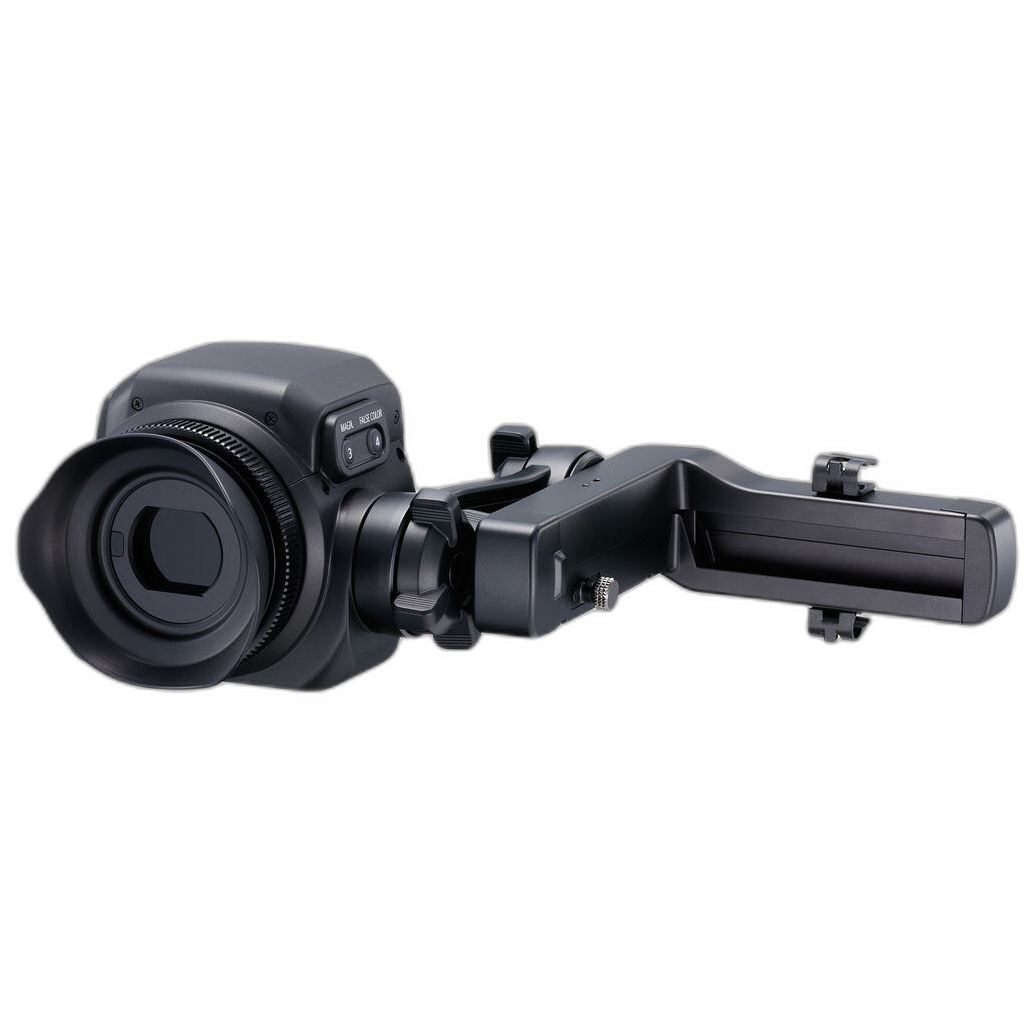
For cinema-focused operators using compatible systems, the Canon EVF-V70 OLED Viewfinder is a professional option when bright-light visibility and eye-level shooting are critical. If you are working in a Blackmagic ecosystem, the Blackmagic Design URSA Cine EVF is another compelling solution for shooters who want a dedicated viewfinder experience.
Which brands and models are reliable for outdoor use?
For outdoor production, brightness and build quality matter more than almost any spec on paper. A monitor may look excellent indoors but become difficult to use in direct sun if it does not have enough brightness. High-bright options from established monitor makers are usually the safest choice for exterior work.
The Portkeys BM7II DS 7in High Bright Monitor is a strong candidate for creators who need a daylight-friendly display with professional monitoring features. The Viltrox DC-L2 7in HDMI/SDI On-Camera Touchscreen Monitor is also worth considering for shooters who want a large screen, touchscreen control, and flexible HDMI/SDI connectivity in a relatively compact package.
For budget-conscious filmmakers, used gear can be an excellent value. Unique Photo also offers options like the Used Excellent Aputure VS-5 Monitor and other used Aputure VS-5 variants for creators who want an affordable external monitor for general production use. While older monitors may not match newer high-bright models in sunlight performance, they can still be very useful for controlled environments, indoor work, and cost-effective rig builds.
Is an EVF better than a field monitor for gimbal work?
In many gimbal setups, a field monitor is the more practical choice. A monitor can be positioned where it is easy to glance at while balancing the rig, operating low-angle shots, or keeping the camera away from your face. Because gimbal work often requires you to hold the camera in positions that are not comfortable for eye-level operation, a traditional EVF may be less convenient.
That said, weight is always a concern on a gimbal. A large monitor can reduce battery life and affect balance, especially on smaller stabilizers. If you plan to use a monitor on a gimbal, look for a model that offers a good balance of brightness, low power draw, and mounting flexibility. The Viltrox DC-L2 7in HDMI/SDI On-Camera Touchscreen Monitor is attractive for operators who need clear monitoring with broad signal compatibility.
For shoulder, handheld, or cine-style setups rather than gimbals, a dedicated EVF often becomes more appealing because it supports stable shooting posture and better outdoor visibility.
How much resolution do I really need for focus pulling?
Resolution matters, but it is only part of the story. For focus pulling, the combination of screen size, pixel density, sharpness processing, and reliable focus assist tools is more important than chasing the highest possible number. A quality 7-inch monitor with effective peaking, zoom-in assist, and good brightness will often improve focus confidence more than a technically higher-resolution display with weak usability.
In general, if you are shooting interviews, documentary coverage, or narrative work with shallow depth of field, you want enough screen clarity to confirm fine detail quickly. A larger monitor can make that easier simply because you are viewing the image at a more comfortable size. This is why many solo shooters prefer a dedicated monitor for manual focus work.
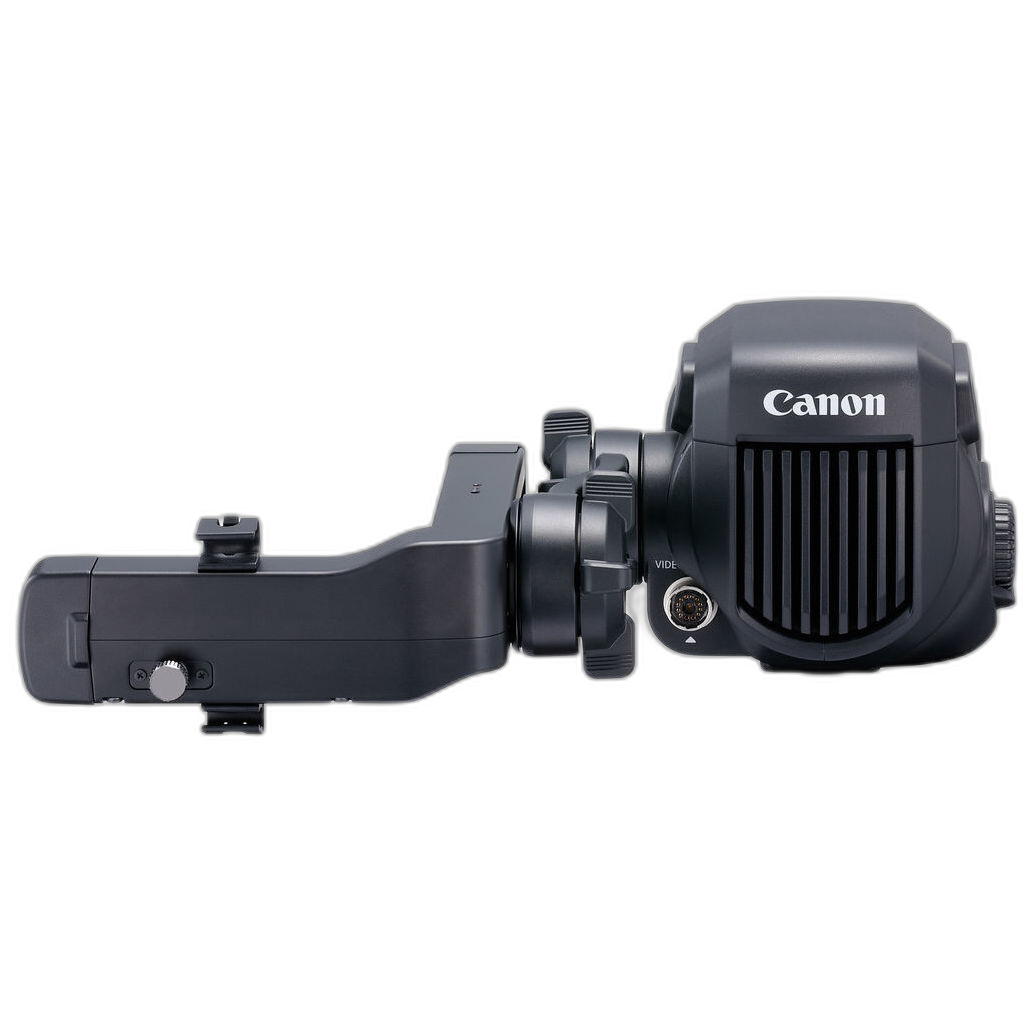
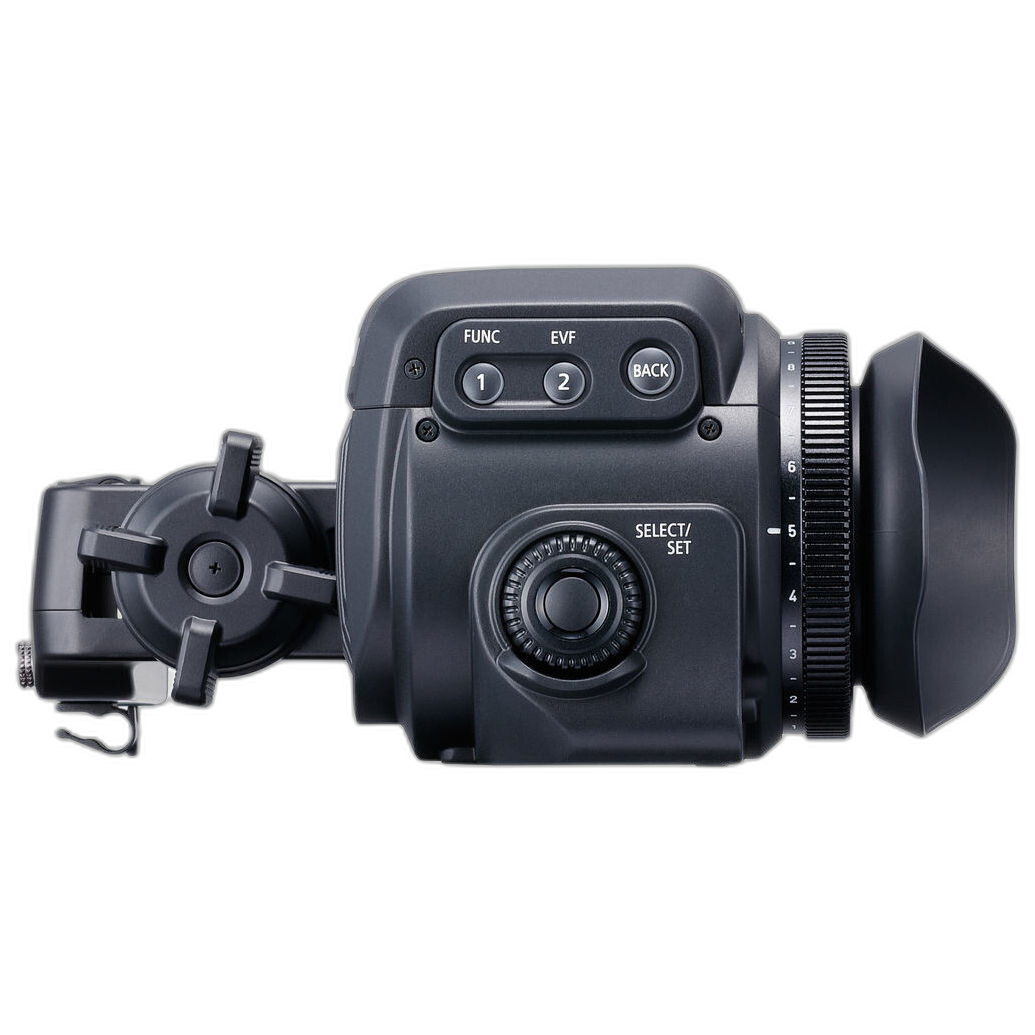
If critical focus in daylight is your biggest challenge, however, a high-quality EVF may outperform a monitor because it eliminates glare and lets you judge sharpness without environmental distractions. The Canon EVF-V70 OLED Viewfinder is a good example of a tool designed for shooters who need dependable focus viewing in demanding conditions.
What should I prioritize: brightness, size, or battery efficiency?
For run-and-gun shooters, brightness usually comes first. A monitor you cannot see clearly outdoors will slow you down no matter how sharp or feature-rich it is. Once brightness is covered, think about size and power consumption based on your shooting style.
A 7-inch monitor gives you more room for judging composition and using exposure tools, but it adds weight and can drain batteries faster than smaller options. If you are on a compact rig for hours at a time, battery efficiency becomes a key factor. In those situations, some operators accept a slightly smaller or less power-hungry monitor to keep their kit manageable.
EVFs are often efficient in bright conditions because they do not need to overpower the sun on an open display. If you regularly work outdoors and want to preserve battery while maintaining visibility, an EVF can be a smart long-term choice.
Are lightweight, budget-friendly monitor options still worth buying?
Absolutely. If you are building your first video rig, adding an external monitor can be one of the most noticeable workflow upgrades. Even a more affordable or used monitor can improve framing, exposure judgment, and manual focus over a small built-in LCD.
Unique Photo's used inventory can be especially valuable here. The Used Excellent Aputure VS-5 Monitor, Used Fair Aputure VS-5 Monitor, and Used Aputure VS-5 V-Screen 7 PRO Multifunctional Monitor - Good are examples of cost-conscious options for filmmakers who want to expand their monitoring setup without jumping straight to a premium purchase. These can be ideal for students, indie creators, or anyone assembling a backup kit.
The tradeoff is that older or entry-level displays may not offer the same brightness, touchscreen responsiveness, or advanced assist tools as newer models. If you work primarily indoors or on controlled productions, that compromise may be perfectly reasonable.
When does it make sense to step up to a professional EVF?
A professional EVF makes sense when your work demands precise viewing in difficult conditions and your camera system is built around cine-style operation. If you shoot long days outside, pull focus at shallow depth of field, or operate from the shoulder, a premium EVF can improve both speed and confidence.
The Canon EVF-V70 OLED Viewfinder is designed for operators who need a serious monitoring solution that complements a cinema camera workflow. Likewise, the Blackmagic Design URSA Cine EVF is aimed at filmmakers who want an integrated viewfinder solution within the URSA ecosystem. These are not casual accessories; they are purpose-built tools for productions where visibility and accuracy directly affect the result.
So which one should most solo shooters buy first?
For most solo creators, a field monitor is the more approachable first purchase because it improves visibility, helps with focus and exposure, and adapts well to many camera bodies and rigs. A model like the Portkeys BM7II DS 7in High Bright Monitor or Viltrox DC-L2 7in HDMI/SDI On-Camera Touchscreen Monitor can make an immediate difference for interviews, commercial work, events, and hybrid video production.
If your priority is outdoor handheld shooting, documentary coverage in bright conditions, or a cinema setup where eye-level viewing is central to your workflow, starting with an EVF may be the better move. The right answer comes down to how you actually shoot, not just the specs list.
If you are still deciding between a monitor and an EVF, Unique Photo can help you compare options for your camera, rig, and budget. Explore our monitor and viewfinder selection, including new and used gear, and build a setup that keeps you fast, accurate, and ready for the next shoot.