Documentary Filmmaking Audio FAQ: Choosing the Right Mics, Recorders, and Outdoor Audio Gear
Great documentary footage can still feel unusable if the dialogue is noisy, distant, or distorted. For filmmakers covering interviews, vérité scenes, and fast-moving field work, the right audio setup matters just as much as the camera.
At Unique Photo, we help creators build practical sound kits for real-world productions. Below, we answer some of the most common questions about shotgun microphones, wireless systems, external recorders, and managing wind when shooting outdoors.
What makes a good audio setup for documentary filmmaking?
A strong documentary audio kit is usually built around your shooting style rather than a single product. If you are primarily filming sit-down interviews, you may want a wireless clip-on system for clean dialogue plus a recorder for backup. If you are capturing observational footage, a shotgun microphone mounted on a boom or camera can help you isolate speech and environmental detail more effectively.
Many filmmakers start with three essentials: a directional microphone, a reliable recording path, and wind protection. As your productions become more complex, adding timecode-capable field recorders or two-person wireless kits can make post-production much easier.
What are good shotgun microphone options for documentary work on a budget?
If you are looking for a practical shotgun mic for documentary production, the Sony ECM-VG1 Short Shotgun Microphone is a strong option for focused dialogue capture in interviews, run-and-gun shooting, and boom use. A short shotgun design is often easier to manage on compact rigs while still giving you more directionality than an onboard camera mic.
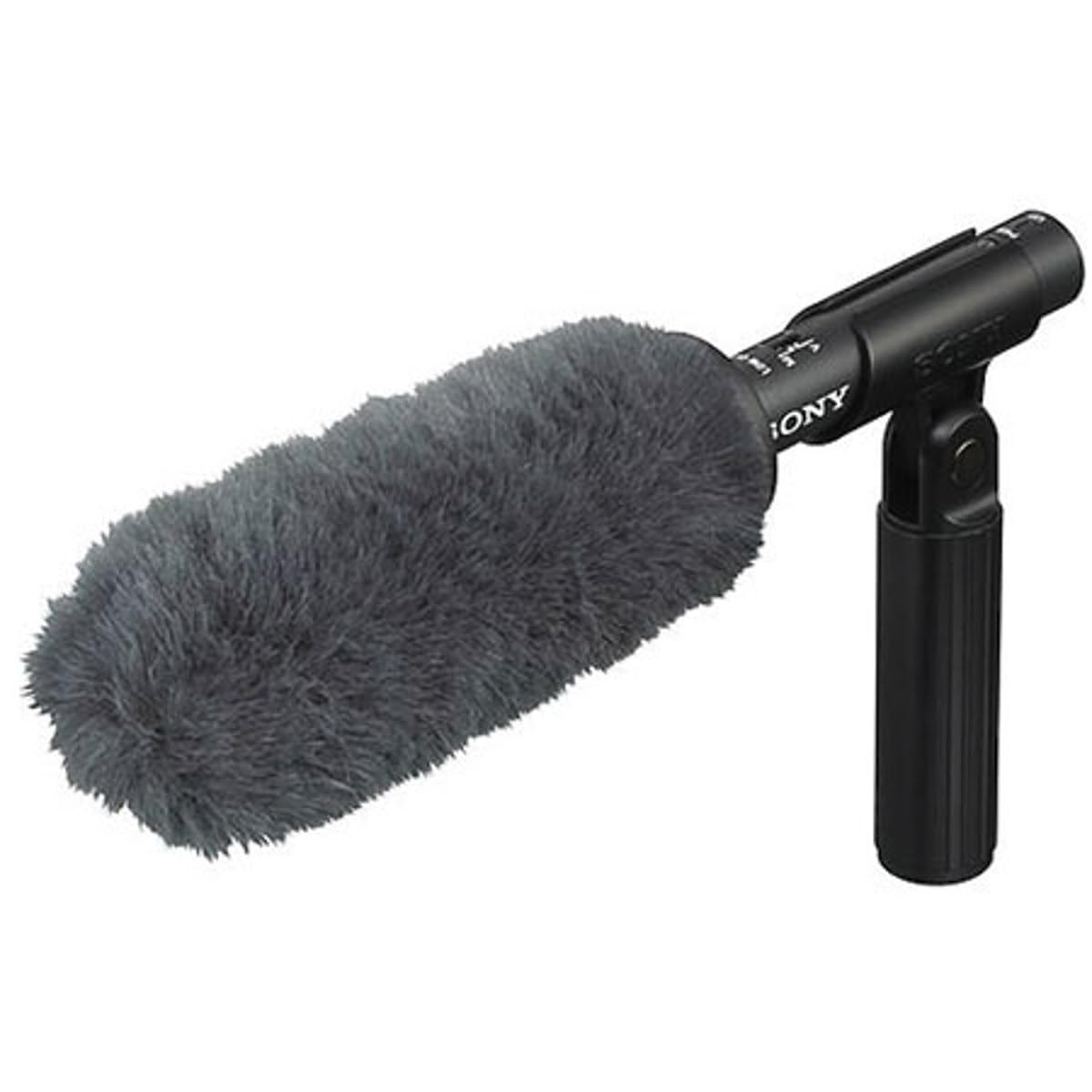
For filmmakers trying to stay within a tighter budget, used audio gear can also be a smart way to stretch your dollars. A Used Sennheiser Shotgun Microphone System - Good may offer an affordable path into higher-quality directional audio, especially for interview-heavy projects where intelligibility matters more than having the newest model.
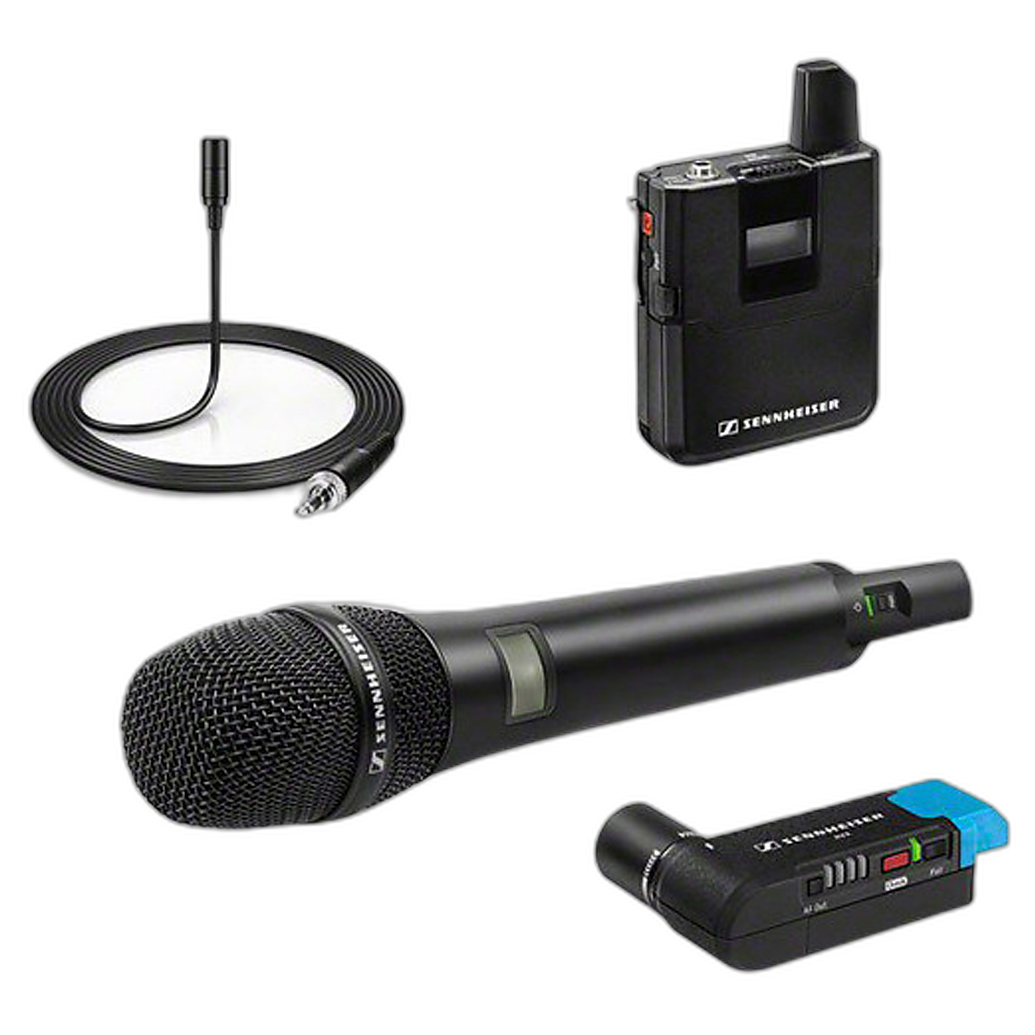
When evaluating shotgun mics, pay attention to pickup pattern, handling noise, connector type, and whether you plan to mount it on-camera or use it on a boom. In most documentary situations, getting the mic physically closer to your subject will improve your sound more than simply buying a more expensive microphone.
Should I choose wireless lavaliers or a handheld mic for interviews?
For most documentary interviews, wireless lavaliers are the more flexible choice. They allow your subject to speak naturally, keep the microphone discreetly attached to clothing, and preserve a clean frame. This is especially useful when you are filming one or two people at a time and want consistent audio without someone holding a mic.
The Sennheiser Profile 2-Person Clip-On Wireless Audio System is particularly useful for two-subject interviews, documentary conversations, and creator-style productions where speed matters. A two-person kit simplifies setup and can help solo operators work more efficiently in the field.
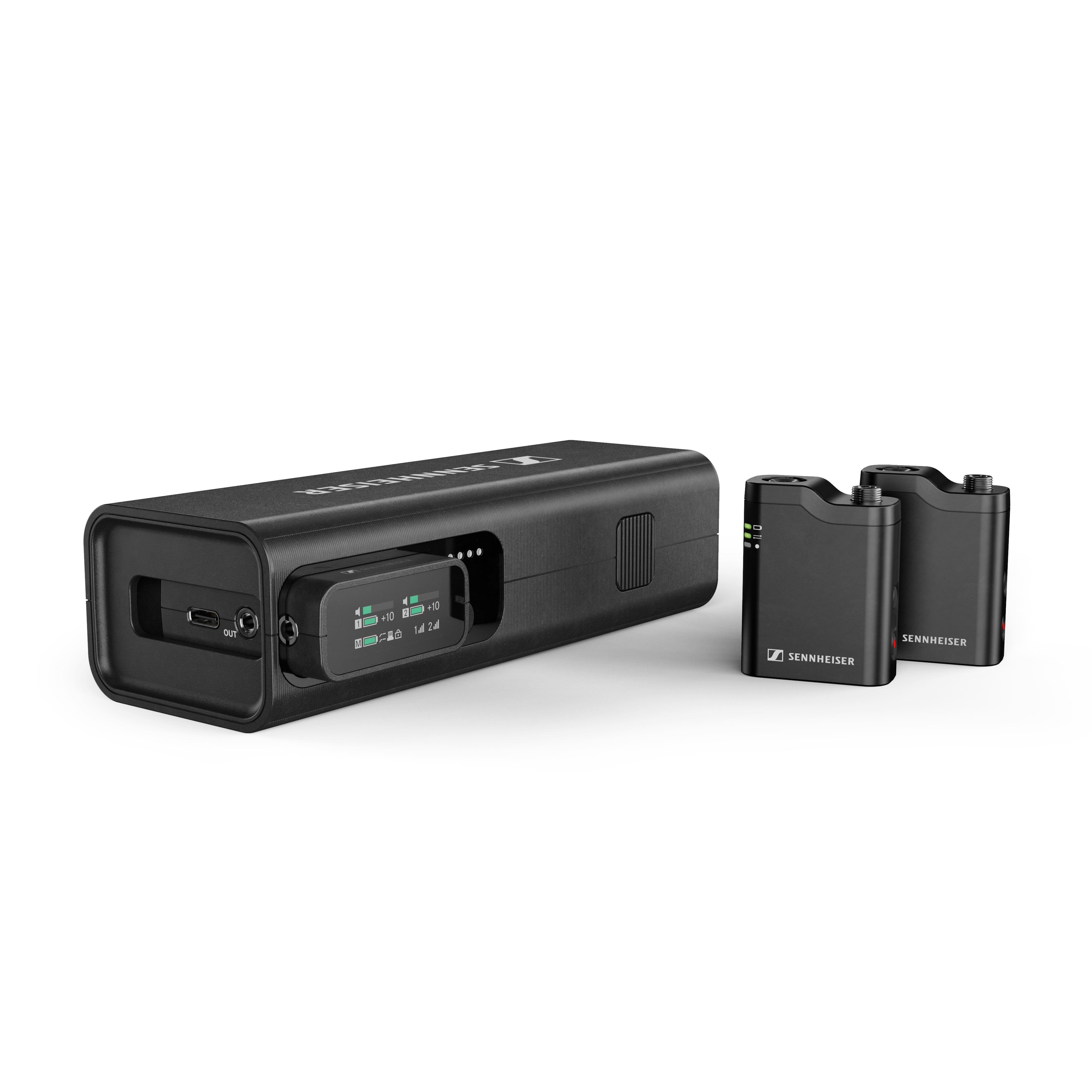
Handheld microphones still have a place. They are useful for street interviews, news-style standups, and situations where you want the microphone visible as part of the visual language. They can also reduce rustling from clothing compared with lavs. That said, for documentary storytelling and formal interviews, clip-on wireless systems usually provide a more polished and less distracting result.
Do I really need an external audio recorder, or can I record directly into my camera?
You can record directly into your camera, and for simple productions that may be enough. If your camera has a clean mic preamp, manual level control, and a headphone jack for monitoring, a basic one-mic setup can work well for quick interviews or small crews.
However, an external recorder gives you major advantages: better preamps, more input options, easier level control, redundancy, and in some models, 32-bit float recording for extra protection against clipping. For documentary work where reshoots are impossible, those benefits are significant.
The Tascam DR-70D 4-Channel Audio Recording Device for DSLR and Video Cameras is a practical choice for DSLR and mirrorless filmmakers who want dedicated audio recording with multiple inputs. It fits well into interview setups and allows more room to grow than relying solely on a camera input.
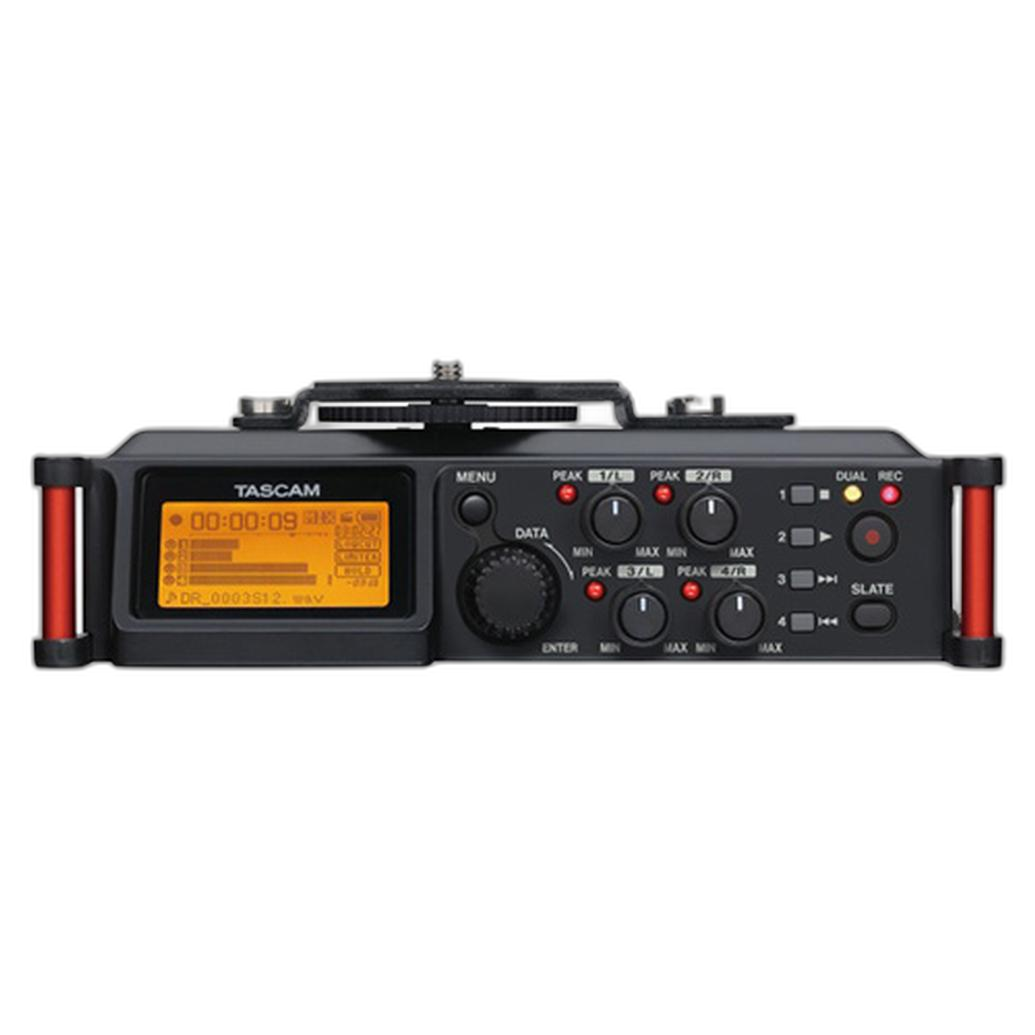
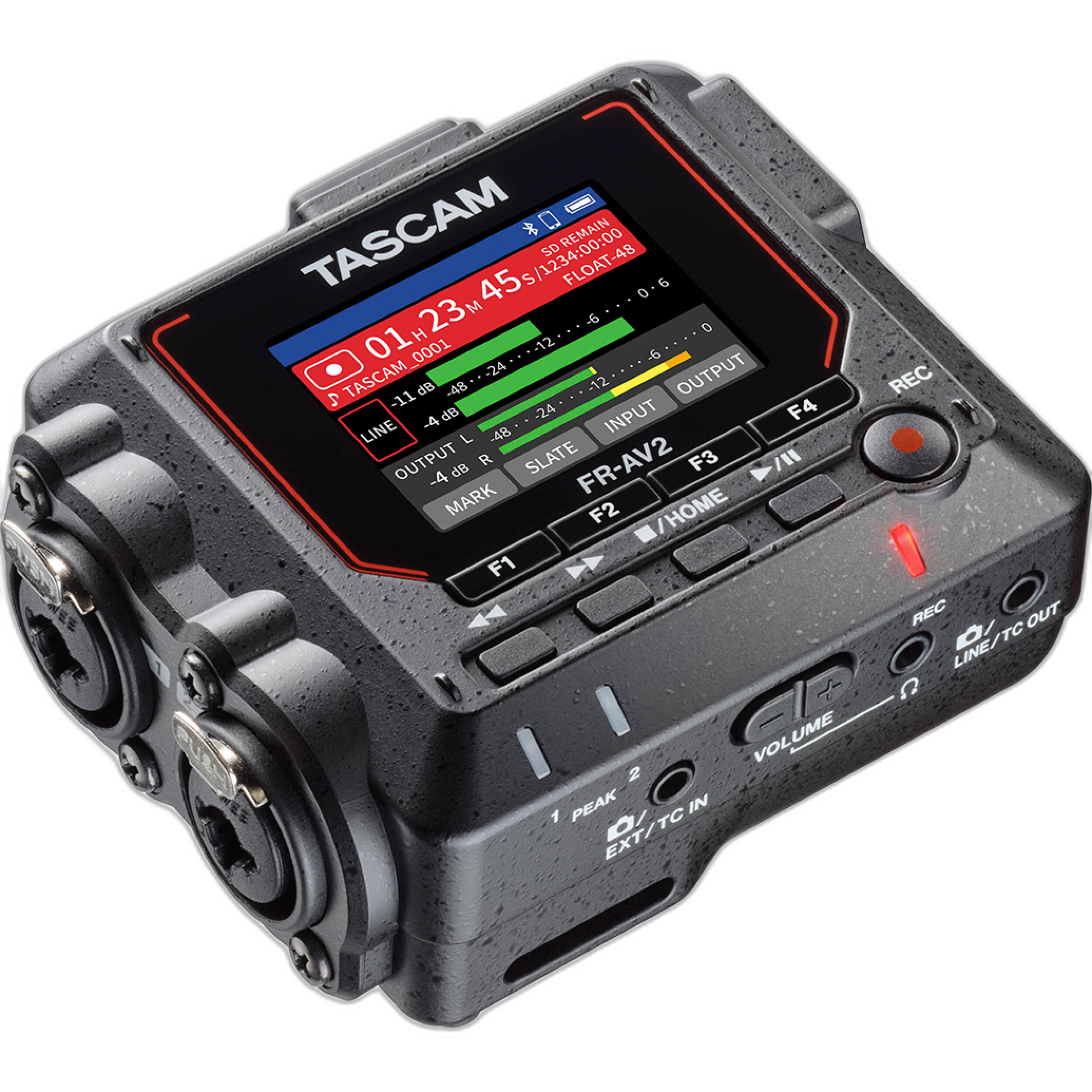
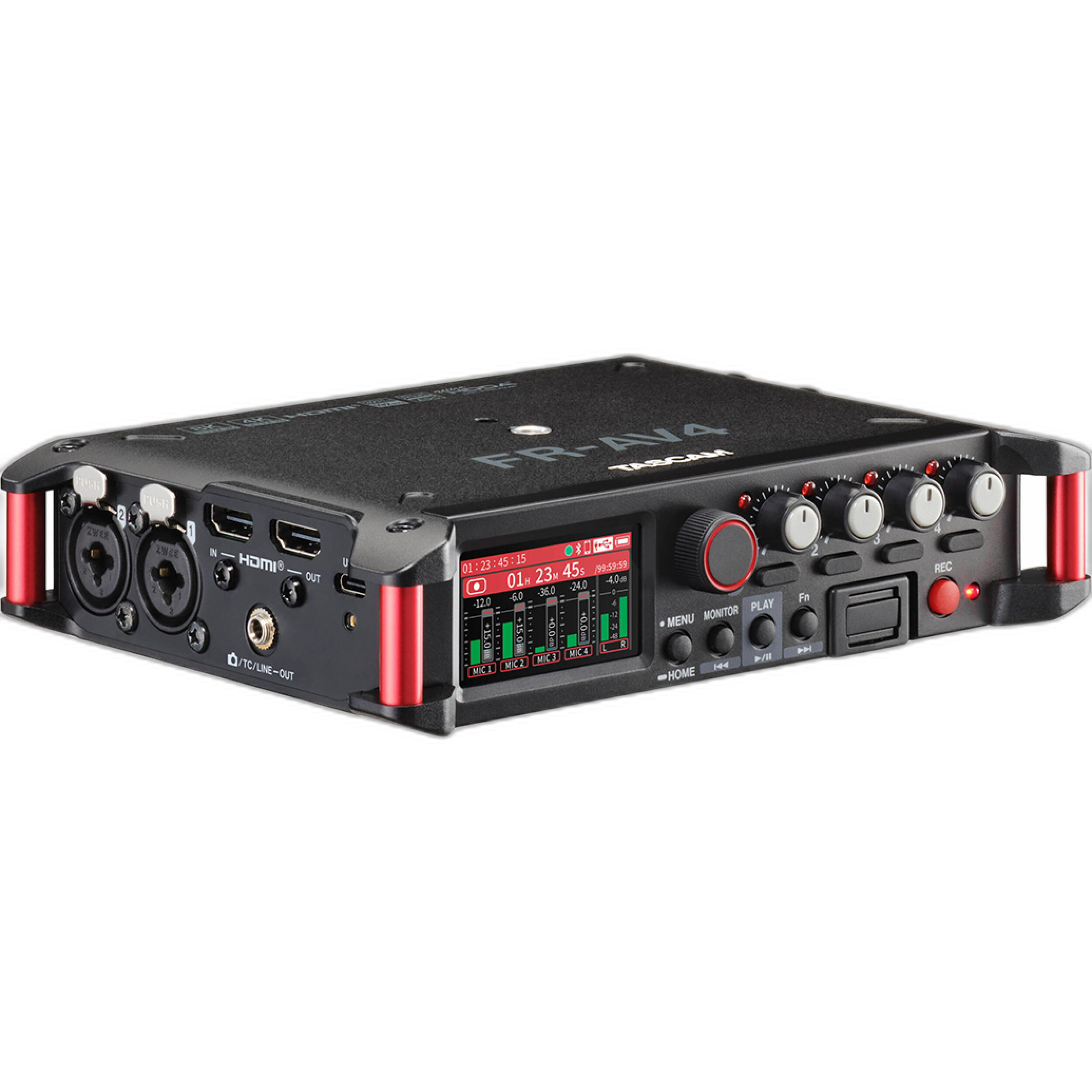
If you need more advanced features, the Tascam FR-AV2 32-Bit Float Field Recorder with Timecode Generator and Tascam FR-AV4 4-Channel 32-Bit Float Field Recorder with Timecode Generator are excellent solutions for documentary shooters who want better headroom, flexible input management, and easier sync workflows.
What are the benefits of 32-bit float recording for documentary filmmakers?
32-bit float recording is especially useful when sound levels are unpredictable. In documentary production, your subject may suddenly laugh, whisper, turn away, or start speaking over ambient noise. Traditional recording requires more careful gain staging to avoid clipping or overly quiet files. With 32-bit float, you have much more latitude to recover usable audio in post.
That does not mean technique no longer matters. You still need good mic placement and monitoring. But a recorder like the Tascam FR-AV2 or Tascam FR-AV4 can give solo shooters and small crews more peace of mind when filming in uncontrolled environments.
How do I handle wind noise when shooting outside?
Wind is one of the biggest threats to usable location audio, and even a mild breeze can ruin dialogue. The first line of defense is proper wind protection on every mic you use. Foam covers help indoors or in very light air movement, but for exterior documentary work, you will usually need more substantial wind protection designed for shotgun or lavalier microphones.
Mic placement also matters. Whenever possible, position a shotgun mic slightly off-axis and sheltered from direct gusts. For lavaliers, concealment under clothing can help, but it must be done carefully to avoid fabric rustle. You should also monitor with headphones while recording, because wind damage is often easier to hear in real time than to fix later.
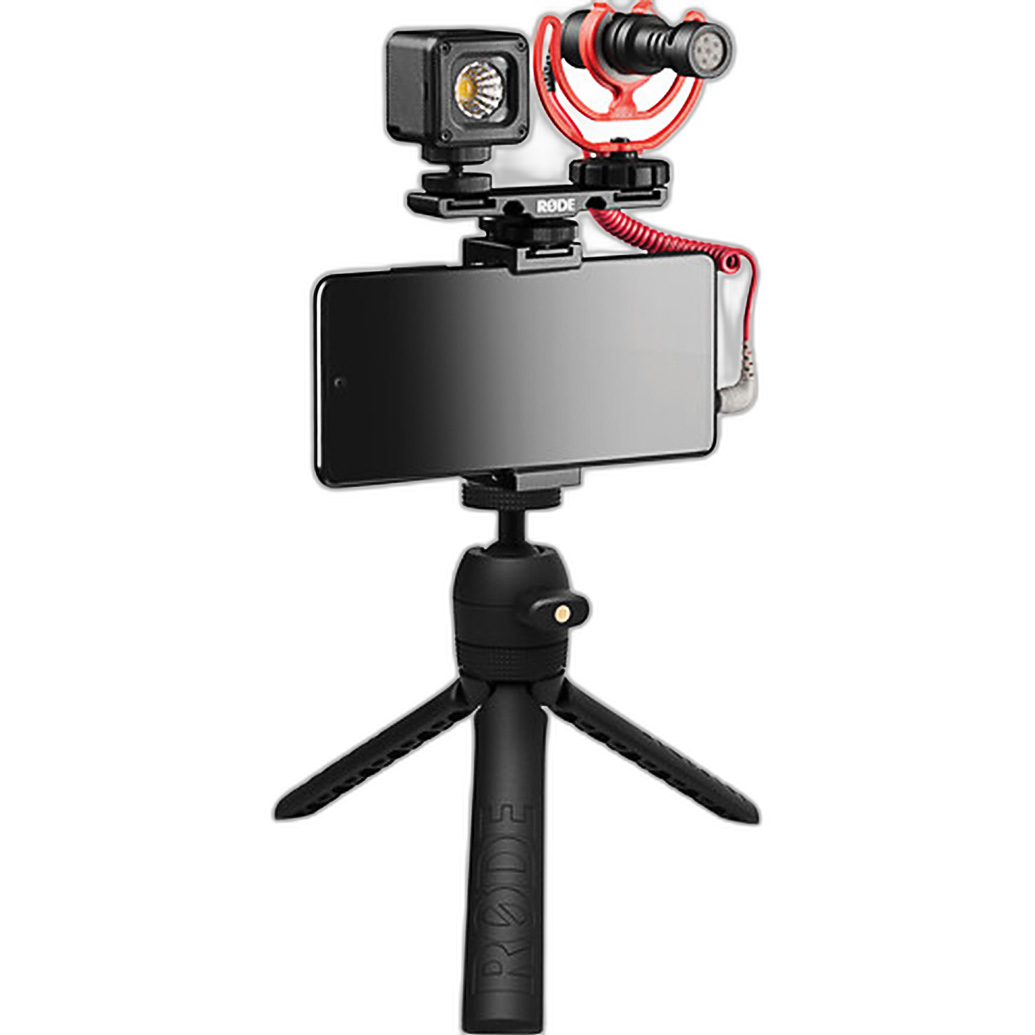
If you are building a compact mobile setup for outdoor creator-style footage or quick documentary clips with a phone, the Rode Vlogger Kit Universal Filmmaking Kit for Smartphones with 3.5mm Ports offers a simple all-in-one starting point for better audio than a built-in phone mic can provide.
What is the best audio setup for a two-person documentary interview?
For two seated subjects, one of the most efficient setups is a dual wireless system paired with an external recorder or direct camera input. This keeps each speaker on a separate channel, giving you better control in the edit. The Sennheiser Profile 2-Person Clip-On Wireless Audio System is a natural fit for this kind of production.
If you want a stronger backup plan, pair wireless lavs with a field recorder such as the Tascam DR-70D or Tascam FR-AV4. Some crews also add a shotgun mic overhead as a safety track. That layered approach is common when interviews are important and cannot be repeated.
Is used audio gear a smart choice for documentary filmmakers?
Yes, used audio gear can be a very smart purchase, especially for filmmakers building a kit on a budget. Unlike some camera bodies that age quickly, well-maintained microphones and recorders can remain useful for years. Buying used may allow you to step into better-quality equipment sooner.
A Used Tascam DR-701D 6-Track Field Recorder - Excellent can be a compelling option for filmmakers who want expanded recording capability without stretching to a brand-new unit. Likewise, a used shotgun system can be a practical upgrade from consumer-level onboard audio.
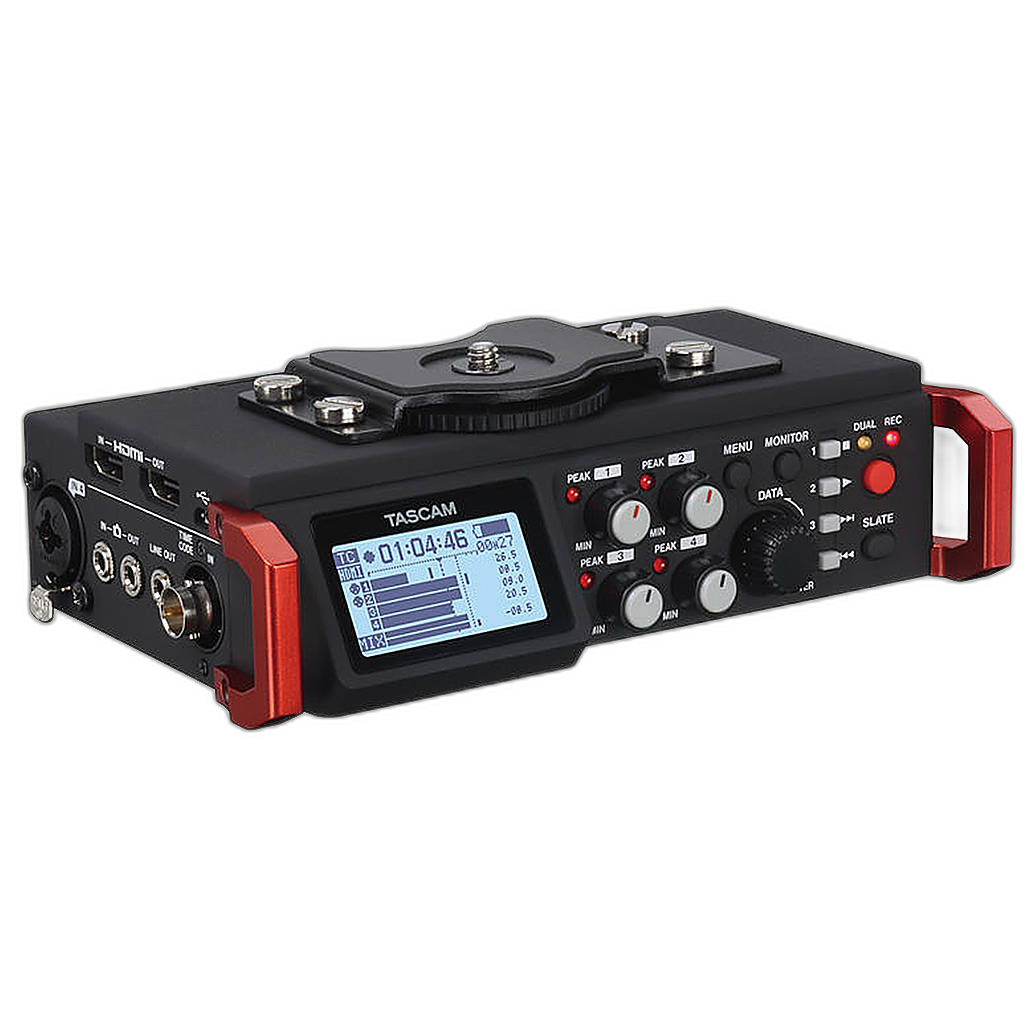
When shopping used, consider connector condition, battery compartment health, display brightness, included accessories, and overall physical wear. At Unique Photo, used gear can be a strong value for creators who want dependable tools at a more accessible price point.
What is the simplest beginner audio kit for documentary shooting?
If you are just starting out, keep the kit simple and reliable. A basic documentary package might include one directional microphone, one wireless system for interviews, and a recorder if your camera audio controls are limited. The exact combination depends on whether you shoot with a dedicated camera, a hybrid mirrorless body, or even a smartphone.
For smartphone-based creators, the Rode Vlogger Kit Universal Filmmaking Kit is a straightforward way to improve production value. For camera-based interview work, a combination of the Sony ECM-VG1 plus the Sennheiser Profile 2-Person Clip-On Wireless Audio System covers a wide range of documentary needs. Add a Tascam recorder when you want more control, backup, or multi-source capture.
Good documentary audio does not require the most complex kit. It requires the right tools for your workflow, careful monitoring, and smart preparation before you hit record.
If you are ready to upgrade your documentary sound, Unique Photo offers microphones, wireless systems, field recorders, and used audio gear to help you build a setup that matches your budget and production style. Explore our audio selection to find the right tools for cleaner interviews, more reliable location sound, and a smoother edit.