Make Every Feature Count: How Pros Choose Lenses
Feature assignments rarely play by the rules—one minute you’re chasing fast, unscripted action, the next you’re crafting quiet, layered portraits. Photographers who consistently deliver under pressure lean on lens choices that balance versatility, image quality, and durability. Use these field-tested tips to shape a kit that keeps pace with your story and the conditions you’ll face.
Pro Tips for Balancing Versatility, Image Quality, and Durability
1) Build a flexible core kit with constant aperture glass
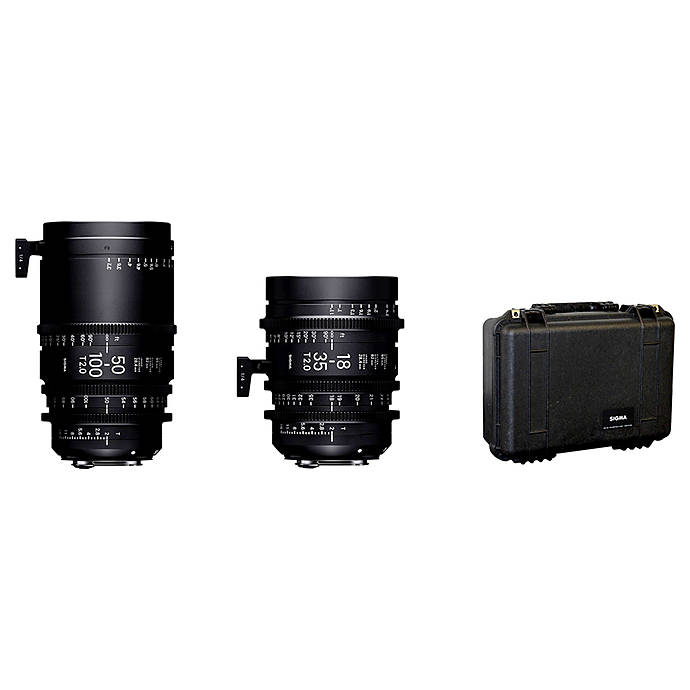
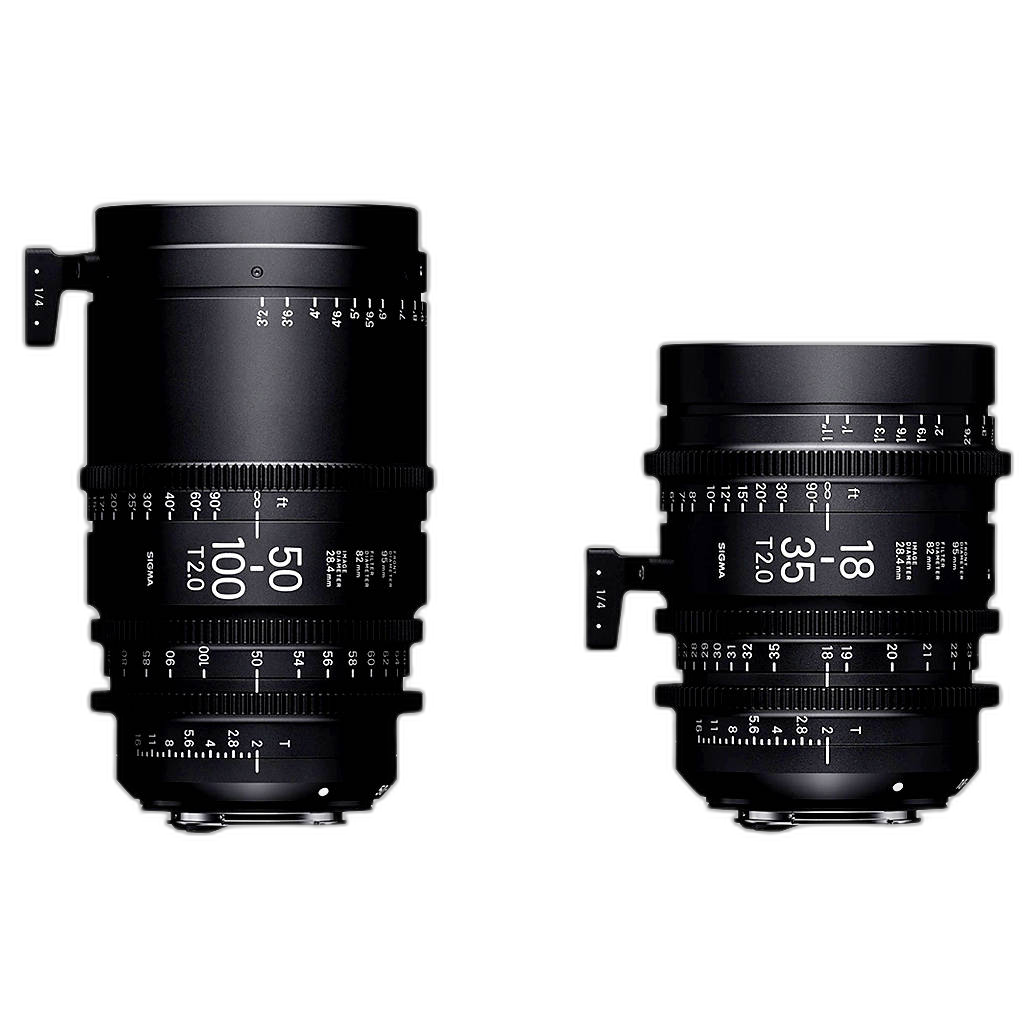
Most pros anchor their bag with a fast midrange zoom for quick coverage and predictable exposure. For hybrid storytellers and video-centric features, matched zooms with constant T-stops simplify lighting and continuity. A two-lens cine set like Sigma’s 18–35mm T2 and 50–100mm T2 (Canon EF) covers establishing frames through intimate portraits with consistent handling and color across the range.
2) Add primes selectively for signature looks
When you need shallow depth, low-light performance, or a distinct rendering for portraits, a compact prime or two (35mm for environment, 85mm for compression) can elevate a feature’s emotional tone. If you’re mapping out focal lengths, coatings, and budget, start with a solid overview to match lenses to your shooting style.
3) Plan your mount strategy and adapt wisely
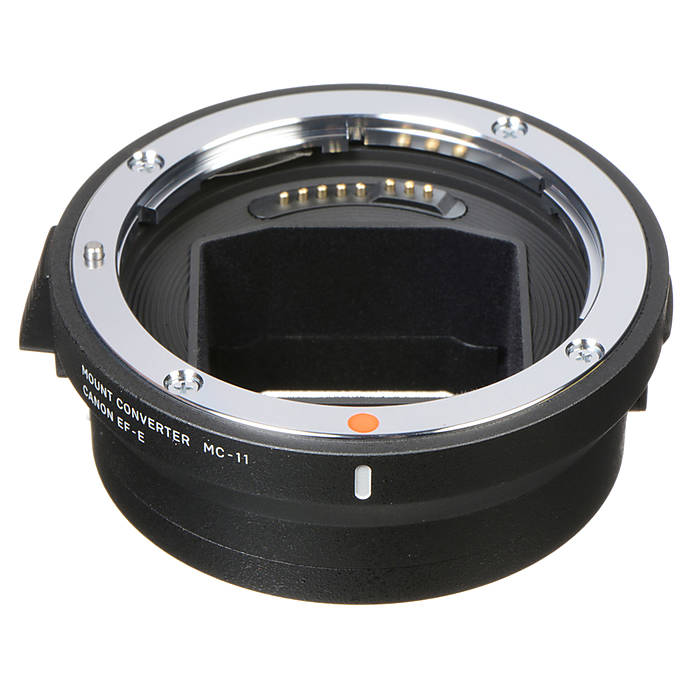
Shooting on multiple bodies? Adapters can keep your favorite glass in play while you switch between systems. For Sony E users with Canon EF lenses, a Sigma MC-11 Mount Adapter can provide a reliable bridge—ideal when you’re committed to an EF cine set but need an E-mount camera for a specific job or gimbal.
4) Prioritize flare control and physical protection
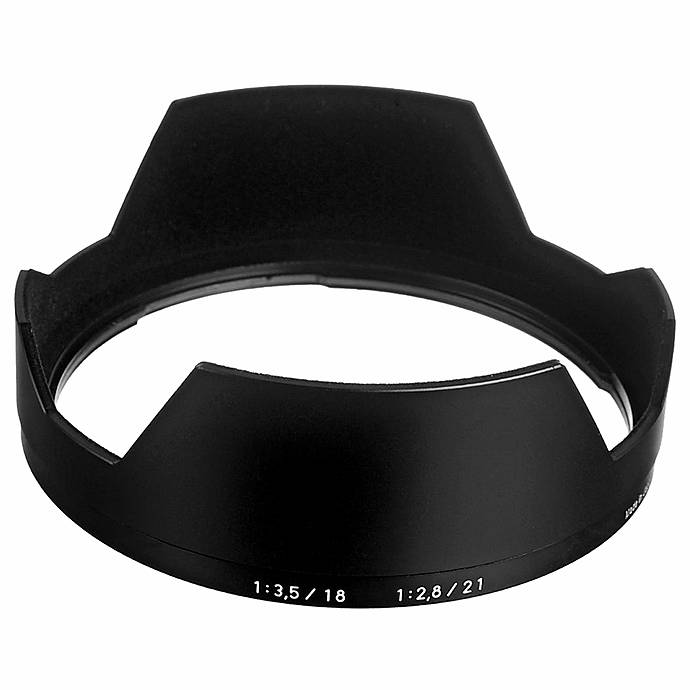
Backlight is a storytelling tool—but uncontrolled flare can kill contrast. A good hood preserves micro-contrast and shields the front element from bumps. If you’re running ultra-wides, use the hood designed for the focal length to prevent vignetting. Example: a dedicated Zeiss Lens Shade for 18mm/21mm primes maintains edge-to-edge cleanliness when you’re working in harsh light.
5) Keep optics spotless in the field
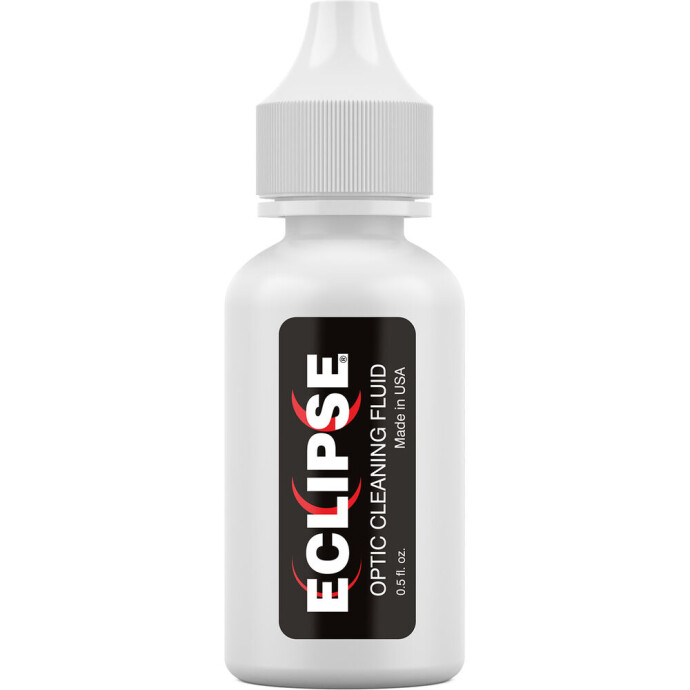
Dust and fingerprints sap contrast and can cause flare—especially against point light sources in night features. Travel with a sensor-safe, fast-evaporating cleaner and proper swabs for front and rear elements (never spray directly onto the lens on assignment). A small bottle like Photographic Solutions Eclipse 0.5 oz. is easy to stash and dries quickly.
6) Update lens firmware before you roll
Modern lenses rely on firmware for AF behavior, stabilization, and compatibility. Before a long shoot, update your RF, EF, or E-mount lenses so you’re not troubleshooting on set. Tools like a Samyang Lens Station for Canon RF can fine-tune and update supported lenses in advance—one less variable when the schedule gets tight.
7) Match color and contrast for cohesive edits
Mixed lens sets can introduce subtle color shifts and contrast differences that slow grading. When possible, keep your primary coverage within the same family, or choose dedicated cinema zoom pairs with matched coatings so intercut shots feel seamless across the story.
8) Pack for impact and weather
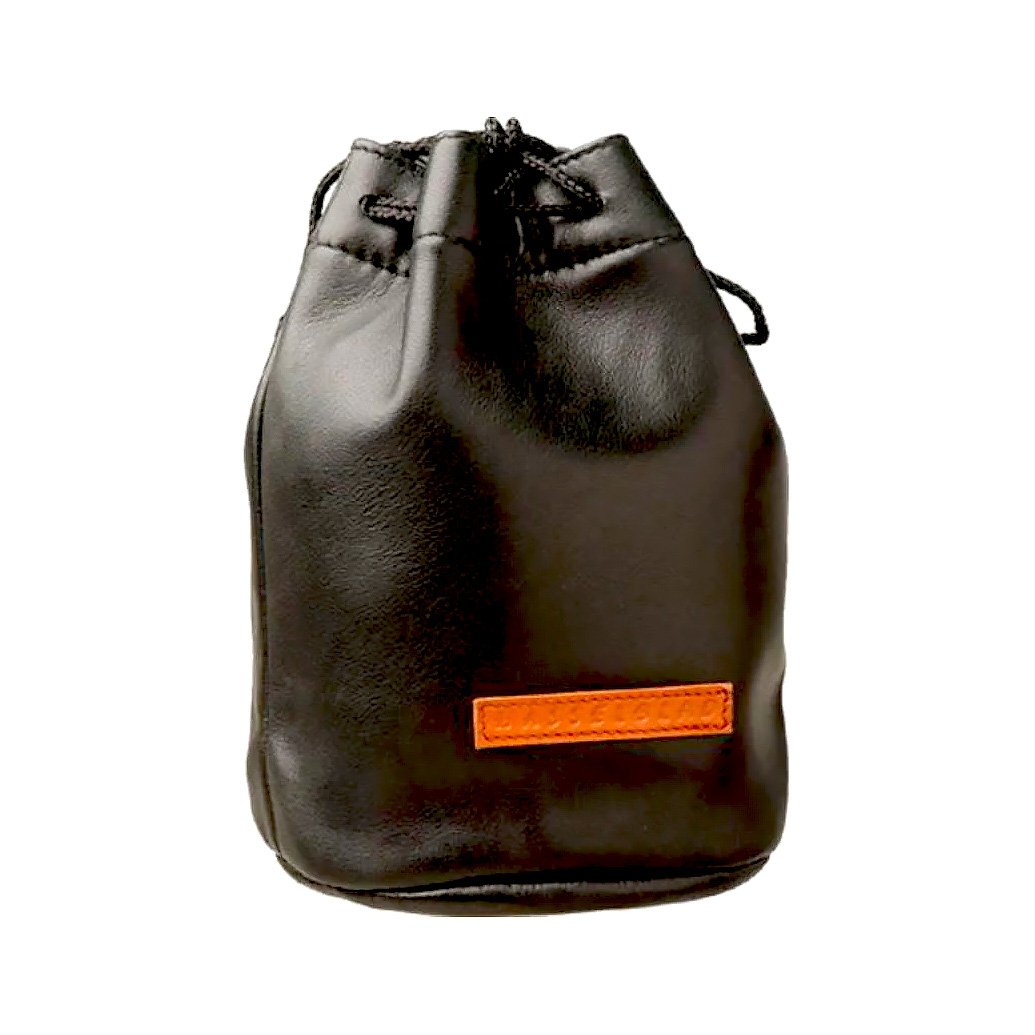
Feature work is hard on gear—rain, dust, and quick company moves happen. Beyond weather-sealed lenses, add padded pouches to protect in-transit glass inside shoulder bags or cases. A dedicated pouch like the Hasselblad Lens Pouch HC/2 keeps a backup lens ready and safe between scenes.
9) Test for breathing, focus throw, and stabilization
Preproduction tests reveal if a lens’ focus breathing distracts during racks, whether the focus throw is long enough for precise pulls, and how stabilization behaves during walking shots. Note any quirks and decide where primes or cine zooms will keep your visuals consistent.
10) Sharpen your hybrid chops
If your feature straddles stills and motion, refine lens choices and technique for both mediums. A focused class can shorten the learning curve and help you plan coverage and lens changes that support the narrative.
Wrap-Up
Choose lenses that let you react fast, render beautifully, and survive long days—then test them until they disappear in your hands. When you’re ready to refine your kit, stop by Unique Photo or browse online for guidance, hands-on demos, and accessories that keep you shooting through every scene.