Best Lens Choices for Feature Photography in Challenging Environments
Feature photography lives where the story is: cramped apartments, windswept streets, dim auditoriums, and fast-moving scenes. The right lens choice can be the difference between a missed moment and a front-page frame. Below are field-proven tips—focused on versatile, durable glass and smart accessories—that help you work faster and more confidently when conditions get tough.
Field-Proven Lens Tips
1) Start wide to establish context
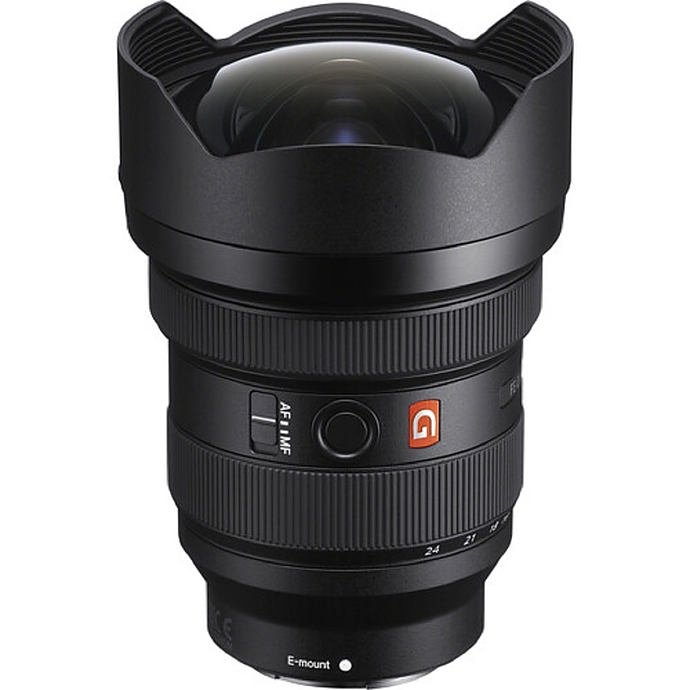
An ultra-wide zoom lets you tell a complete story in tight spaces, capture dynamic leading lines, and keep viewers in the scene. The Sony FE 12-24mm f/2.8 GM delivers a fast constant aperture for low light and excellent edge-to-edge sharpness—ideal for environmental portraits, interiors, and dramatic scene setters.
- Use 12–16mm for establishing shots that place subjects within their environment.
- Mind your edges—tilt slightly to avoid converging lines overwhelming the subject.
- Work close: exaggerate foreground elements to add depth without losing context.
2) Carry a do-it-all standard zoom for fast pivots
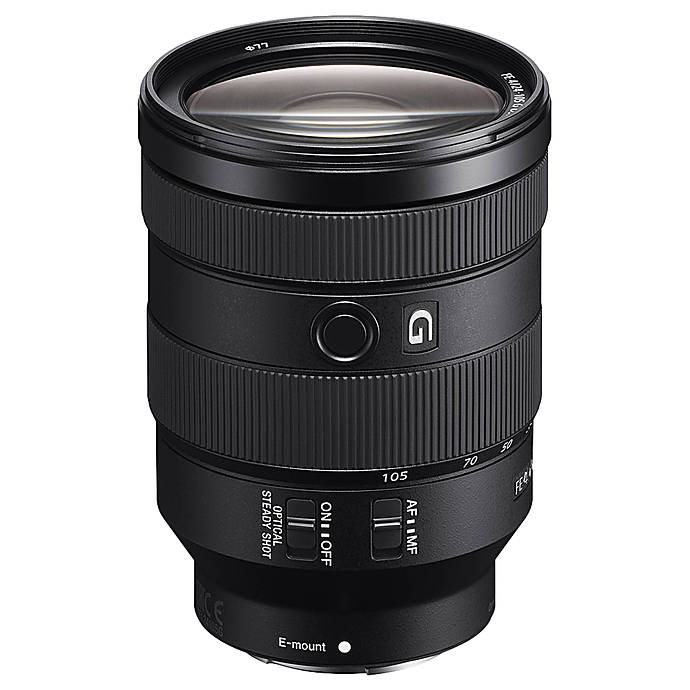
When moments unfold quickly, a flexible midrange is your best friend. The Sony FE 24-105mm f/4 G OSS covers portraits, details, and quick reaction shots without constant lens changes. Optical stabilization helps keep frames sharp when light dips or you’re shooting on the move.
- Live at 35–70mm for natural perspectives; jump to 105mm for tighter storytelling.
- Lean on stabilization for handheld work in dim venues—embrace slower shutter speeds when subjects are relatively static.
- Minimize swaps in dust, rain, or crowds to protect your sensor and save time.
3) Pack a fast normal for low light and character
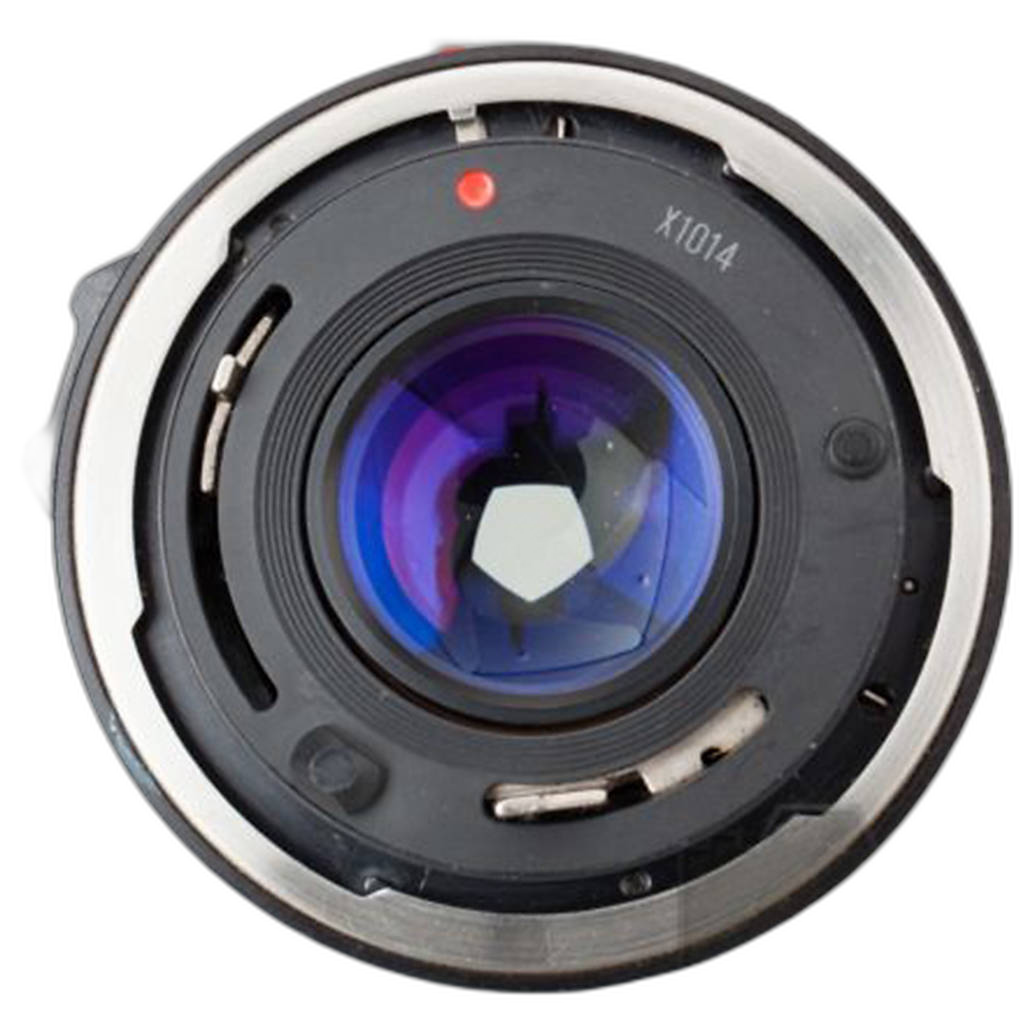
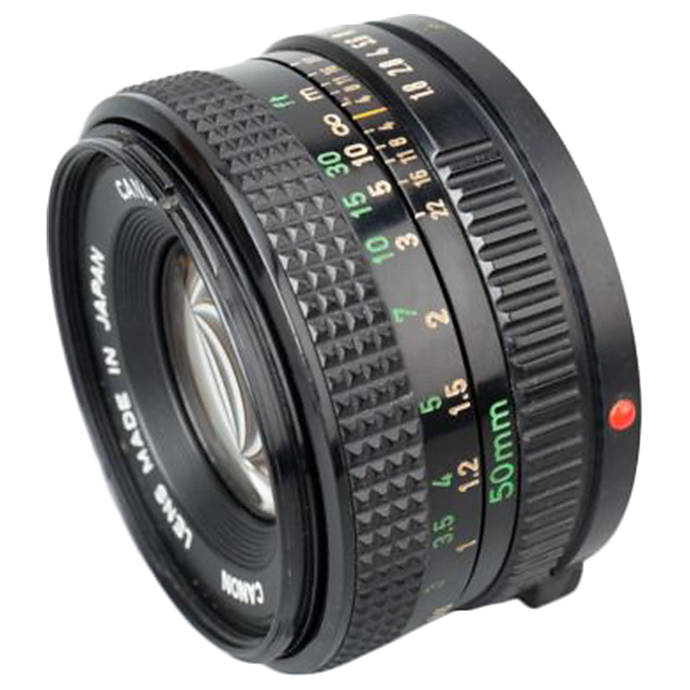
A small, fast prime gives you speed, discretion, and a classic look. The Used Canon FD 50mm f/1.8 is a budget-friendly way to add a fast normal; with a simple adapter on many mirrorless bodies, you get a compact, manual-focus tool that excels in low light and lends a nostalgic rendering for portraits and quiet moments.
- Focus manually and pre-focus for decisive moments; practice zone focusing to work faster.
- Use f/1.8–f/2.8 to isolate subjects while keeping enough depth for storytelling context.
- Confirm adapter compatibility for your camera mount before the assignment.
4) When you can’t change lenses, go superzoom
Some stories unfold where weather, dust, or movement make lens swaps risky. A travel-ready superzoom like the OM SYSTEM M.Zuiko Digital ED 12-200mm f/3.5-6.3 (24–400mm equivalent on Micro Four Thirds) covers everything from wide scenes to distant details in a single, compact package—perfect for remote work or unpredictable access.
- Keep the lens on and your bag closed—reduce downtime and exposure to the elements.
- At longer focal lengths, stabilize your stance or brace support to maintain sharpness.
- Stop down a bit at the tele end for extra crispness when light allows.
5) Fight flare and protect the front element with a hood
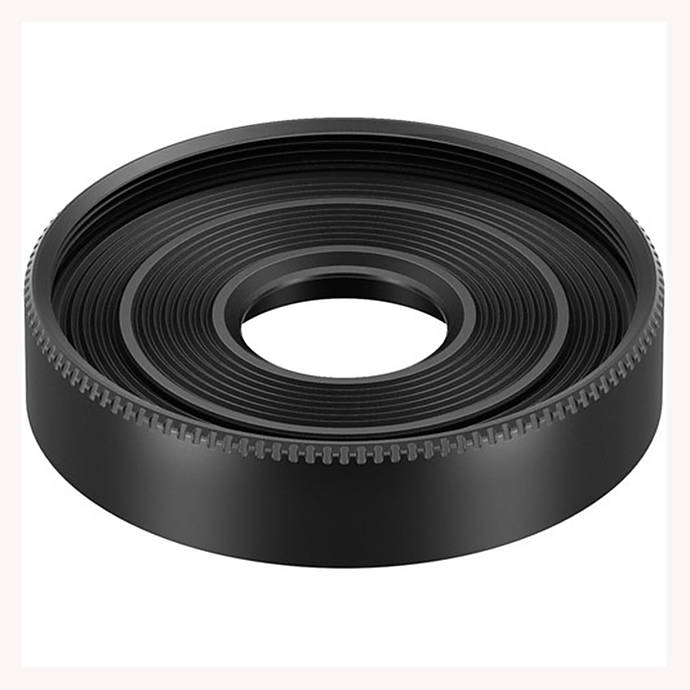
A lens hood cuts veiling flare and raises contrast in harsh or side light, while adding physical protection in tight crowds. As an example, the Canon ES-22 Lens Hood for EF-M 28mm Macro IS STM shows how a simple hood can be mission-critical, especially when you’re working close and fast.
- Use the hood even indoors—overhead lights can reduce contrast and clarity.
- In rain, a hood helps shield the front element from droplets between frames.
- Store it mounted in reverse for quick deployment.
6) Control skies and reflections with filter systems that fit
Graduated and neutral-density filters remain essential for balancing extreme contrast at sunrise/sunset or smoothing water in feature landscapes. For specialty primes and ultrawides, a dedicated holder like the NiSi 100mm Filter Holder for Sony FE 14mm f/1.8 GM ensures you can still mount square filters when screw-in options won’t fit.
- Pre-assemble filter holders before you step into blowing sand, salt spray, or crowds.
- Stack cautiously; use the minimal filter set needed to avoid vignetting.
- Carry a microfiber cloth in a sealed bag for quick, grit-free cleaning.
7) Bring a compact backup that keeps you shooting
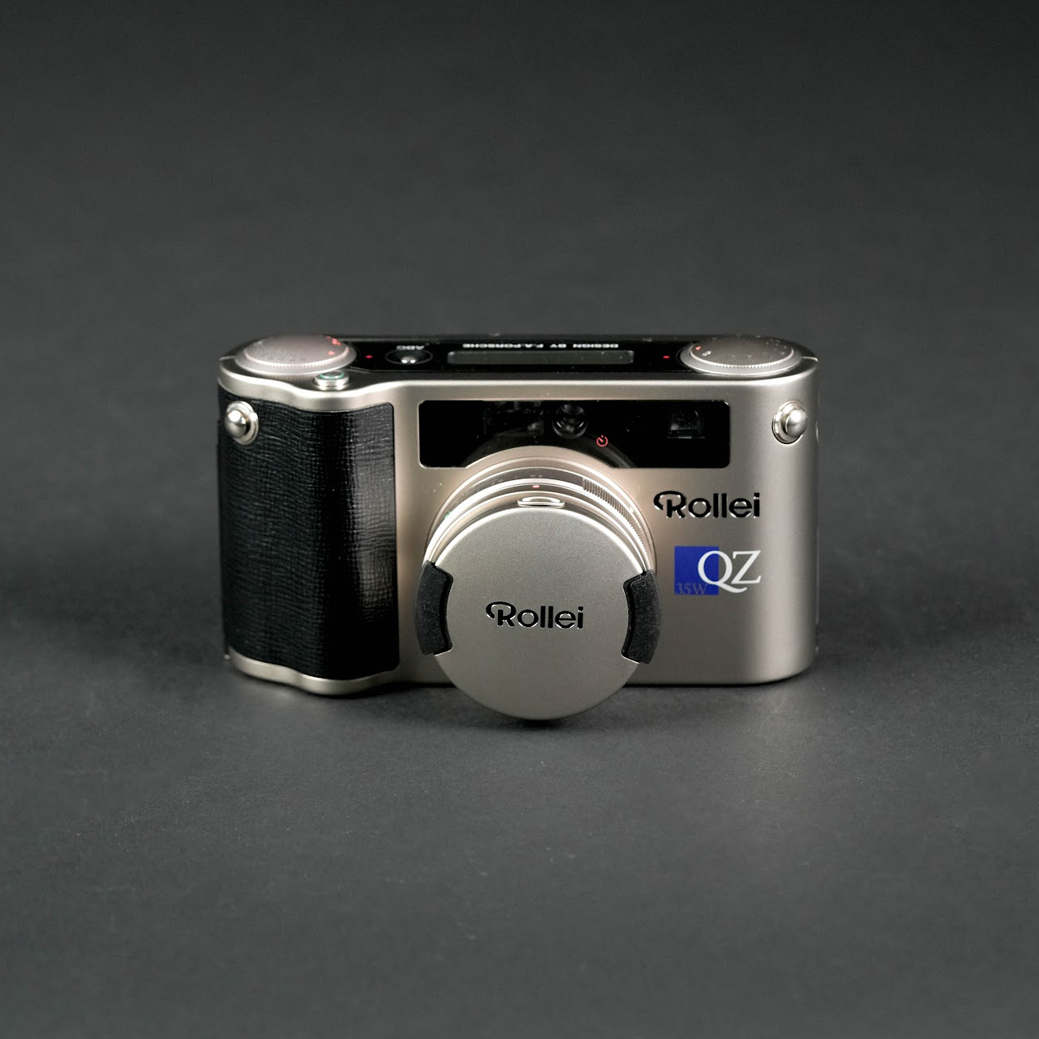
Backups aren’t just for critical events; they’re for critical moments. A compact film option like the Used Rollei 35QZ W with 28–60mm lens and included flash gives you a secondary storytelling tool if batteries die, weather turns, or you want a different aesthetic for a sidebar or opener.
- Keep it preloaded and metered; it’s your insurance policy when the main kit rests.
- Leverage the different look to separate main features from supporting vignettes.
- Log frame numbers and subjects for easy captioning later.
8) Pressure-test your technique before the story
Practice under real-world constraints to build speed and confidence. Workshops like Macro and Landscape Photography at Duke Farms with Michael Downey test your handling in varied light and conditions—skills that translate directly to fast, unpredictable features.

- Drill rapid exposure decisions and manual focusing in challenging light.
- Refine body and lens ergonomics so adjustments are second nature.
- Develop a packing checklist that prioritizes reach, speed, and protection.
Final Thoughts
In challenging environments, the best lens is the one that lets you work fast, protect your gear, and keep telling the story. Build a core kit around a fast ultra‑wide, a flexible standard zoom, and a compact fast prime; add a superzoom and the right accessories when conditions demand. When you’re ready to refine your kit, explore options and expert guidance at Unique Photo—your one-stop resource for gear, education, and inspiration.