Canon EOS R5 C vs Sony a7S III: High‑End Hybrid Cameras for Professional Video Work
Two of the most discussed high-end hybrids for pro video are Canon’s EOS R5 C and Sony’s a7S III. Both deliver cinema-grade results in compact bodies, yet they take very different paths: Canon leans into cinema tools and 8K RAW while Sony optimizes for low-light, stabilization, and reliability on set. Below, we break down specs, real-world workflow, and lens choices—plus share where each shines for professionals.
Side-by-Side Specs Comparison
| Spec | Canon EOS R5 C | Sony a7S III |
|---|---|---|
| Sensor | 45MP full-frame CMOS | 12.1MP full-frame BSI CMOS |
| Max Internal Video | 8K up to 60p (Cinema RAW Light; requires USB PD power), 8K30 on battery; 4K120 10-bit | 4K up to 120p 10-bit 4:2:2; FHD up to 240p |
| Internal Codecs | Canon Cinema RAW Light (LT/ST/HQ), XF‑AVC 10-bit 4:2:2, HEVC/H.265 | XAVC S-I (All-I), XAVC S (Long GOP), XAVC HS (H.265) 10-bit 4:2:2 |
| External RAW | Yes (Cinema RAW Light internal; HDMI external monitoring) | Yes, 16-bit RAW over full-size HDMI (to compatible recorders) |
| Stabilization | No IBIS (Electronic IS available) | 5-axis IBIS + Active electronic stabilization |
| Recording Limits | Effectively unlimited with active cooling | Effectively unlimited (no thermal limit in typical use) |
| Media | CFexpress Type B + SD UHS‑II | Dual combo slots: CFexpress Type A or SD UHS‑II |
| HDMI | Micro HDMI (Type D) | Full-size HDMI (Type A) |
| Timecode | Dedicated timecode in/out (3.5mm) | No dedicated timecode port |
| Monitoring Tools | Waveform, vectorscope, false color | Histogram, zebras, focus aids (no waveform) |
| Autofocus | Dual Pixel CMOS AF II (face/eye; subject detection) | Fast phase‑detect AF with Real‑time Tracking (human/animal) |
| Power | LP‑E6NH; USB PD recommended for 8K60 and long takes | NP‑FZ100; supports USB PD power delivery |
| Weight (body only) | Approx. 680 g | Approx. 699 g |
Category-by-Category Analysis
Image Quality and Dynamic Range
R5 C’s 45MP sensor enables 8K capture and oversampled 4K for exceptional detail and reframing flexibility. It’s ideal for VFX, high-end docu, and punch‑ins. The a7S III’s 12MP sensor trades resolution for sensitivity and speed, delivering superb low-light performance with clean 4K and excellent rolling-shutter control. For night work or uncontrolled lighting, Sony wins; for resolution-driven workflows, Canon pulls ahead.
Codecs, Bitrates, and File Management
Canon’s Cinema RAW Light (LT/ST/HQ) is a post-production powerhouse—robust files that grade beautifully but demand fast storage and GPUs. XF‑AVC offers a broadcast‑friendly alternative. Sony’s XAVC S‑I and HS are efficient and reliable, with broad NLE support and lighter data rates. If your team values RAW flexibility and heavy grading, the R5 C is compelling. For fast-turnaround work, the a7S III’s All‑I/Long GOP options ease ingest and backup.
Thermals and Recording Reliability
R5 C’s active cooling and cinema OS yield effectively unlimited records, even at high data rates; just budget power for 8K60 via USB PD. The a7S III has proven rock‑solid in hot environments with practically no thermal shutdowns reported in pro sets. Both are dependable; choose based on resolution needs and your power strategy.
Stabilization and Handheld/Gimbal Use
The a7S III’s 5‑axis IBIS plus Active mode is ideal for handheld work and lightweight gimbals. The R5 C lacks IBIS (unlike the R5), so you’ll rely on lens IS, rigs, or post stabilization. If you live on gimbals or operate run‑and‑gun, Sony is friendlier out of the box; if you rig up with cages, rails, and shoulder kits, Canon’s lack of IBIS is less of a hurdle.
I/O, Monitoring, and On‑Set Tools
Canon builds in waveform, vectorscope, and false color—tools DPs rely on. Timecode I/O simplifies multicam sync. The tradeoff is micro HDMI. Sony’s full‑size HDMI is sturdier in the field and offers 16‑bit RAW out, but lacks waveform. If you’re monitoring‑tools heavy and do multicam, R5 C’s cinema OS is a delight; if you value robust HDMI and external recorders, a7S III scores.
Autofocus and Subject Tracking
Both are excellent, with mature face/eye AF. Sony’s Real‑time Tracking remains a benchmark for erratic subjects and gimbal work. Canon’s DPAF II is highly dependable and integrates well with cinema overlays.
Power and Media Strategy
R5 C’s 8K60 draws heavily—plan USB PD bricks or on‑rig power. CFexpress Type B is fast but pricier per GB. Sony’s CFexpress Type A is smaller and costs more per GB than Type B; SD UHS‑II remains a cost‑effective option for many frame rates. For long documentary days, factor battery swaps and media cost into your kit budget.
Color Science and Matching
Canon’s Cinema RAW Light and XF‑AVC with Canon Log 3 offer a familiar, filmic rendering with excellent skin tones. Sony’s S‑Log3/S‑Gamut3.Cine and S‑Cinetone provide fast, pleasing results—S‑Cinetone is especially useful for quick-turn projects. In mixed-camera environments, both match well with proper LUTs.
Workflow: From Set to Post
On high-end commercial sets, R5 C’s RAW and timecode streamline finishing and multicam sync. Expect heavier storage and transcoding. For events, branded content, and live social deliverables, a7S III’s efficient codecs and IBIS simplify capture and speed delivery. Editors often note quicker conform times on a7S III footage in Premiere Pro, Resolve, and Final Cut when skipping proxies.
Lens Selection and Ecosystem
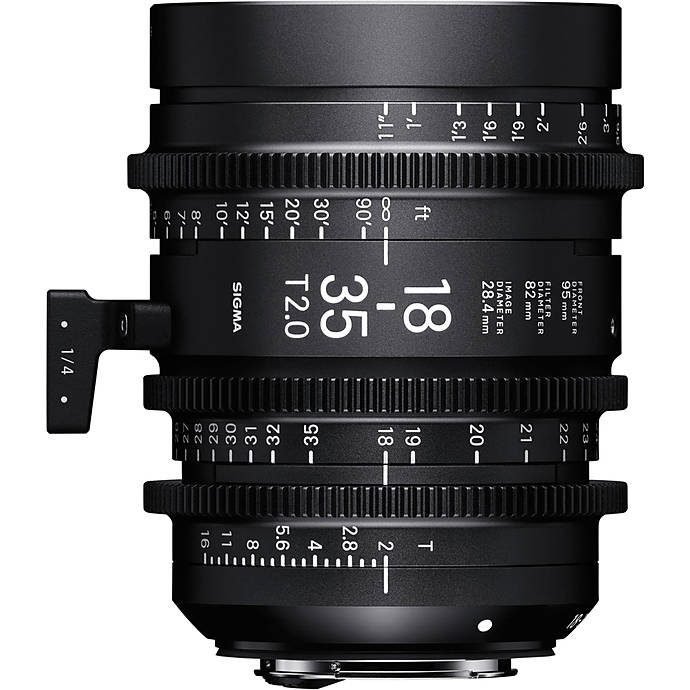
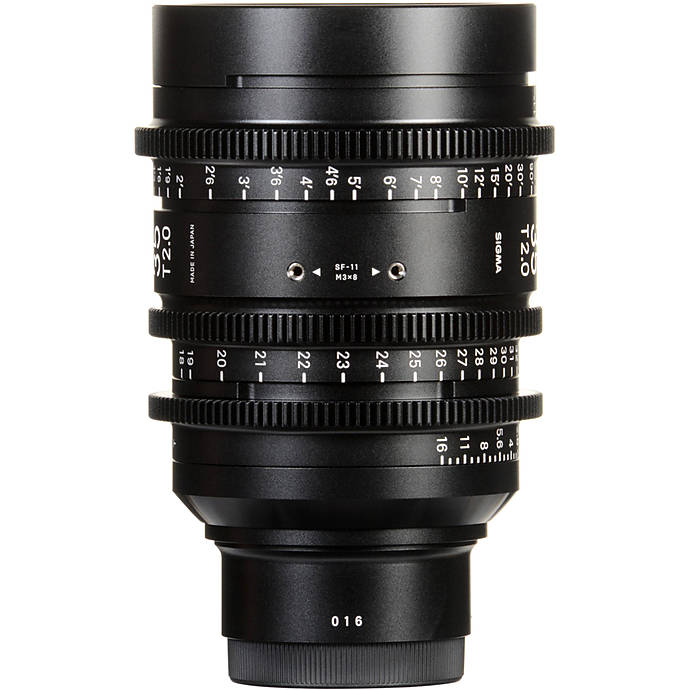
For Canon, RF glass is stellar, and EF cine zooms adapt seamlessly via EF‑RF adapters. Sony’s E‑mount has a huge native lineup; cine options abound, and EF glass adapts well with smart adapters. A popular workhorse across both systems is the Sigma 18–35mm T2.0 cine zoom (EF mount) for Super35 coverage on 4K crop modes and gimbal builds.
Interview, Studio, and Rigging Considerations
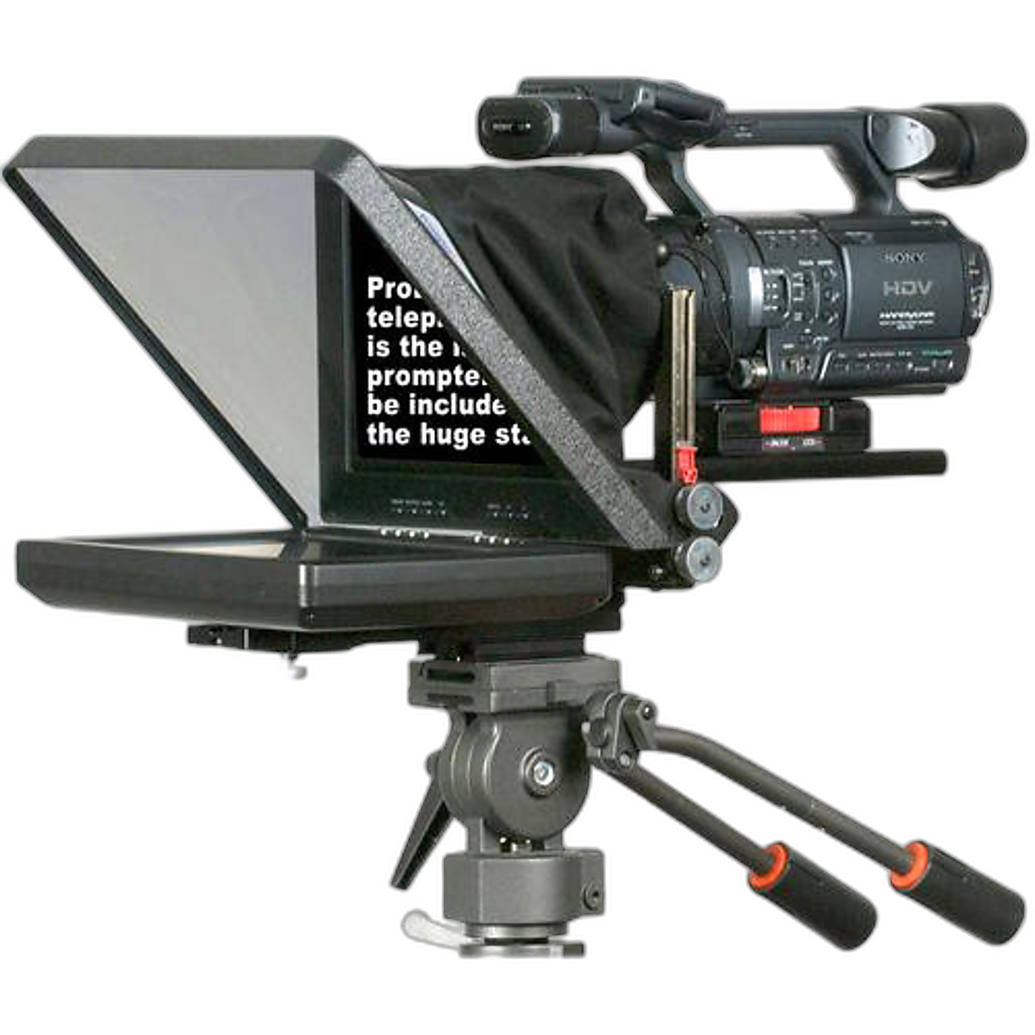
For teleprompted interviews, both bodies integrate easily with studio rigs and prompters. High-bright prompters maintain eye contact even under key lights, while sturdy stands keep large rigs safe overhead.

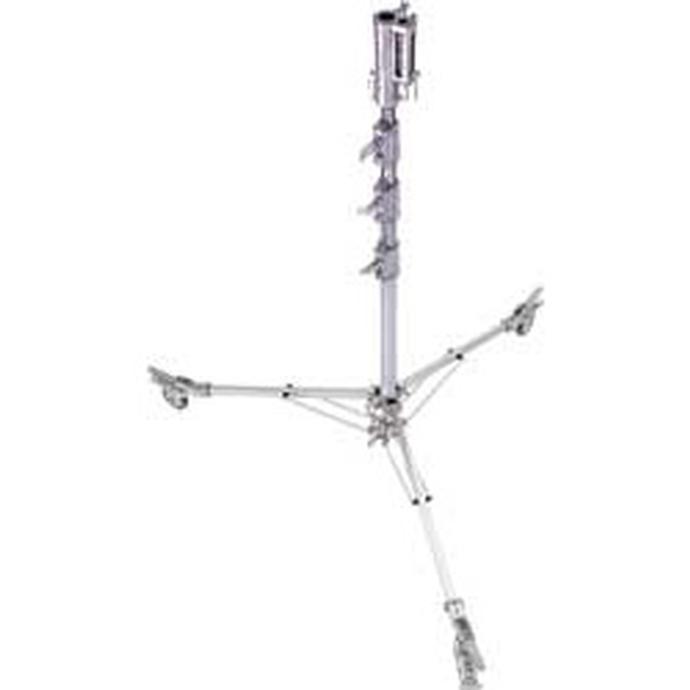
For overhead product shots or top-down rigs, a robust roller stand offers reach and stability on set, supporting booms, lights, or even suspended camera rigs with the right grip hardware.
Real-World Takeaways
- Solo shooters and gimbal ops: a7S III’s IBIS and full-size HDMI reduce rig complexity.
- Color‑critical, multicam, or VFX work: R5 C’s Cinema RAW Light and timecode are major advantages.
- Low‑light documentary: a7S III remains a favorite for clean high‑ISO and fast setup.
- Storage planning: R5 C RAW demands high‑capacity, high‑speed media and backup; Sony’s All‑I/Long GOP is lighter on cards and drives.
Our Pick
If you’re a professional prioritizing dependable 4K production, strong stabilization, rugged I/O, and fast turnaround, our pick is the Sony a7S III. It’s the most versatile day‑to‑day hybrid for video: superb low‑light, excellent AF, IBIS, and efficient codecs that move quickly through post.
Choose the Canon EOS R5 C if your work benefits from 8K capture, internal RAW, timecode, and built‑in cinema monitoring tools—especially when you’re rigged, powered, and staffed for a cinema-style workflow.
Conclusion
Both the Canon EOS R5 C and Sony a7S III are proven professional hybrids—the right choice hinges on your workflow, stabilization needs, and deliverable requirements. Explore bodies, cine lenses like the Sigma 18–35mm T2.0, teleprompters, stands, and more at Unique Photo. Our team can help tailor a kit—from media and power to support and optics—that matches how you actually shoot.