Favorite Black-and-White Film Stocks and Their Unique Looks
Black-and-white film is never just “black and white.” Each stock has its own personality: some are crisp and clinical, some are gritty and expressive, and others offer a softer tonal roll-off that feels timeless. In this comparison, we’re looking at several favorite black-and-white film options from Kodak and Ilford across 35mm, 120, 4x5, and 8x10 formats, plus a developing kit for photographers who want full control over the final look. If you’re trying to decide which emulsion best fits your style—street, portrait, landscape, or large-format fine art—this guide breaks down the differences in tone, grain, contrast, and workflow.
Side-by-Side Specs Comparison
| Film / Product | Format | ISO | Core Look | Best For | Processing Notes |
|---|---|---|---|---|---|
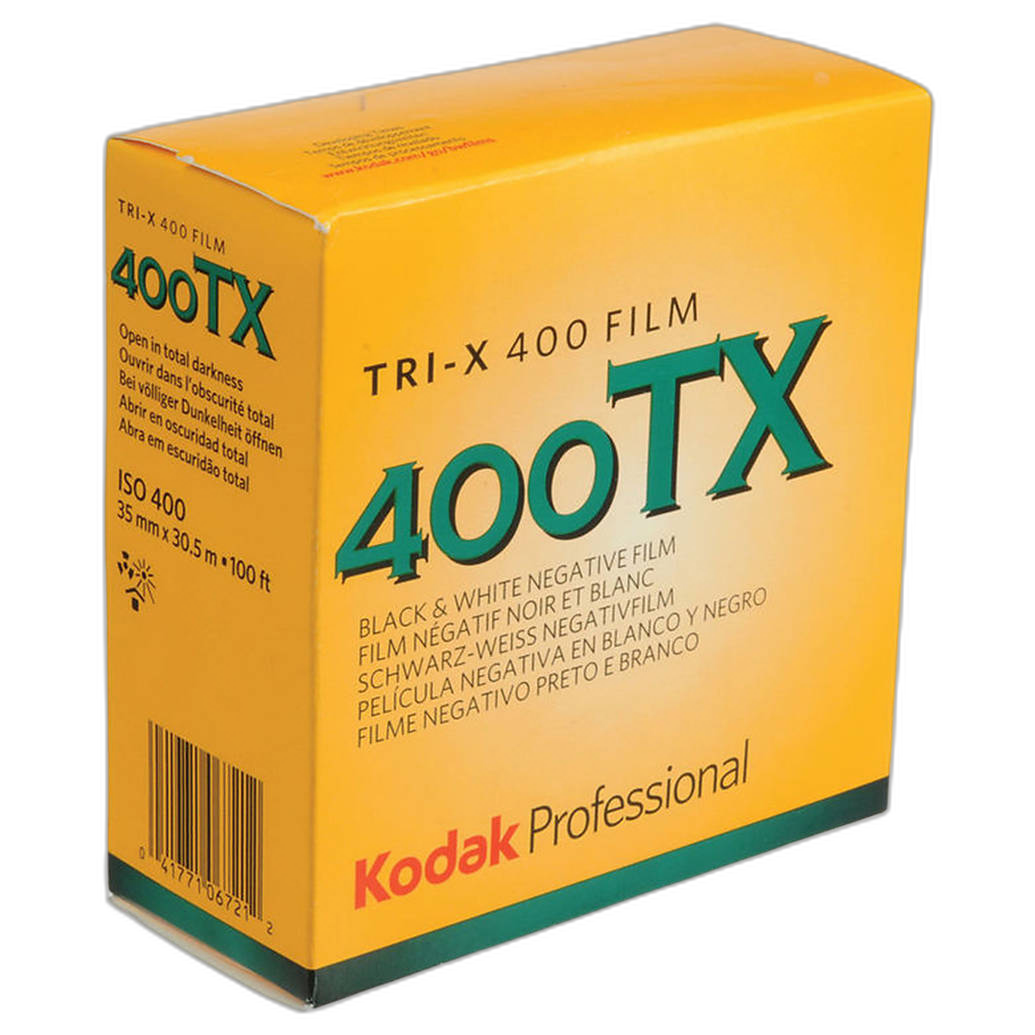
| Kodak Tri-X 400 | 35mm, 100ft roll | 400 | Classic grain, punchy tonality, timeless documentary feel | Street, reportage, low light, expressive portraits | Traditional B&W processing; highly pushable |
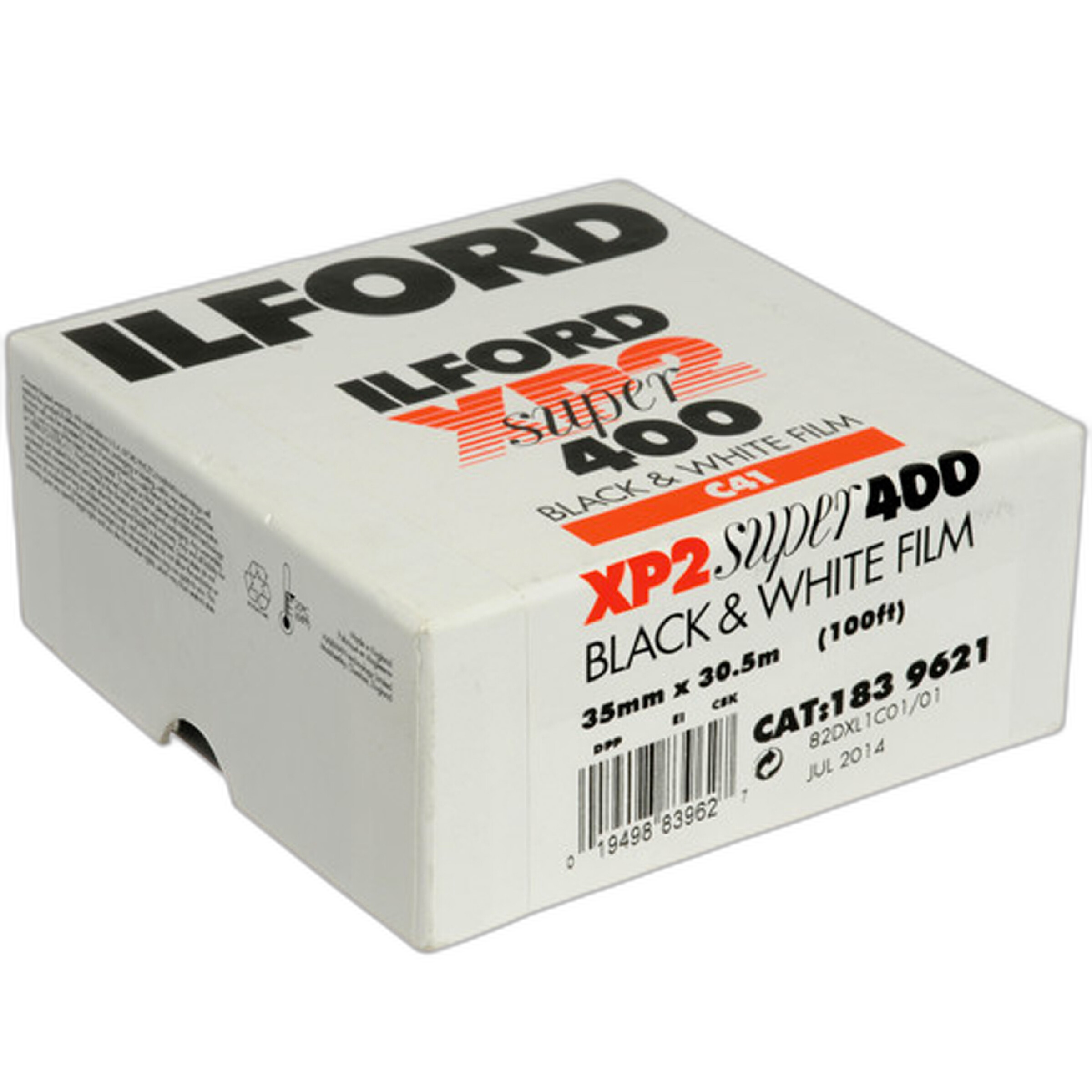
| Ilford XP2 Super | 35mm, 100ft roll | 400 | Smooth grain, broad latitude, softer contrast | Everyday shooting, portraits, flexible exposure situations | C-41 process black-and-white film |
| Kodak Ektapan 100 | 120, 5-pack | 100 | Fine grain, clean detail, balanced tonality | Medium format landscapes, portraits, general use | Traditional B&W processing |
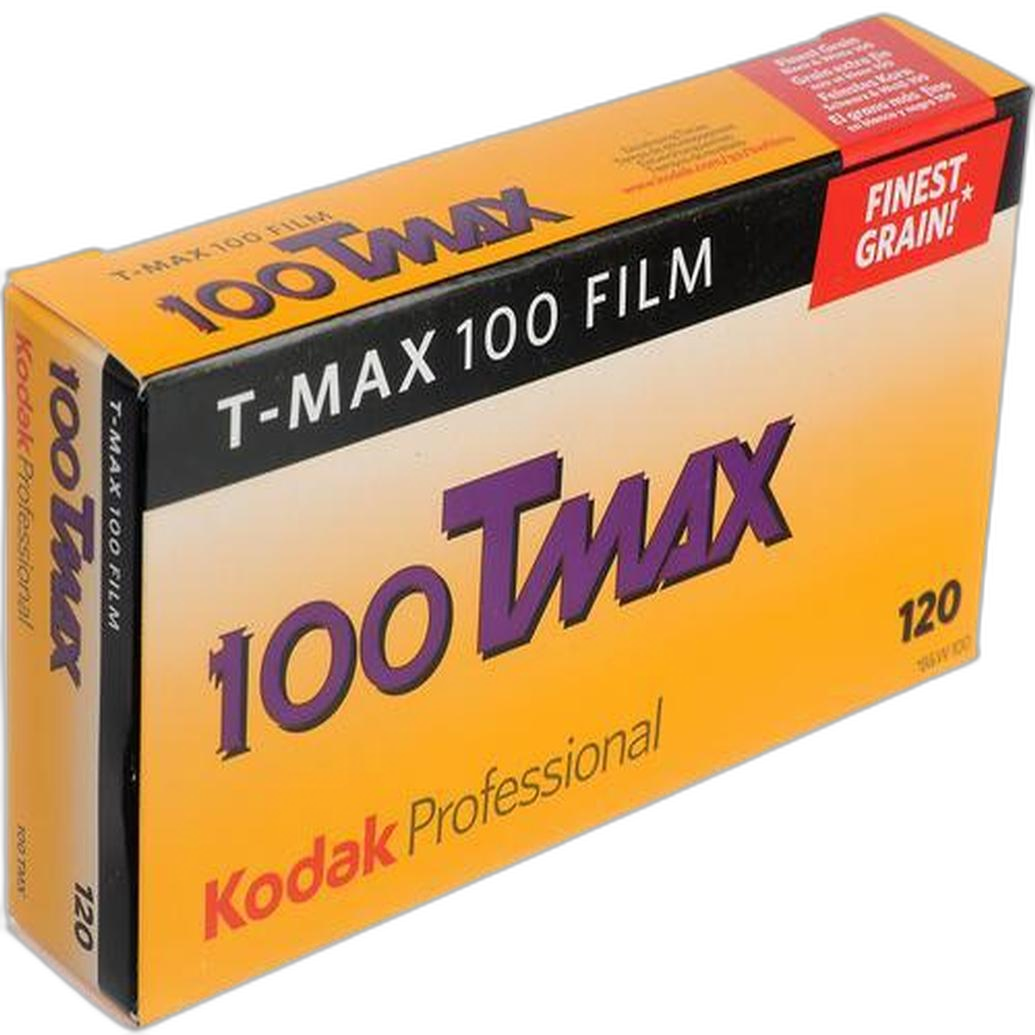
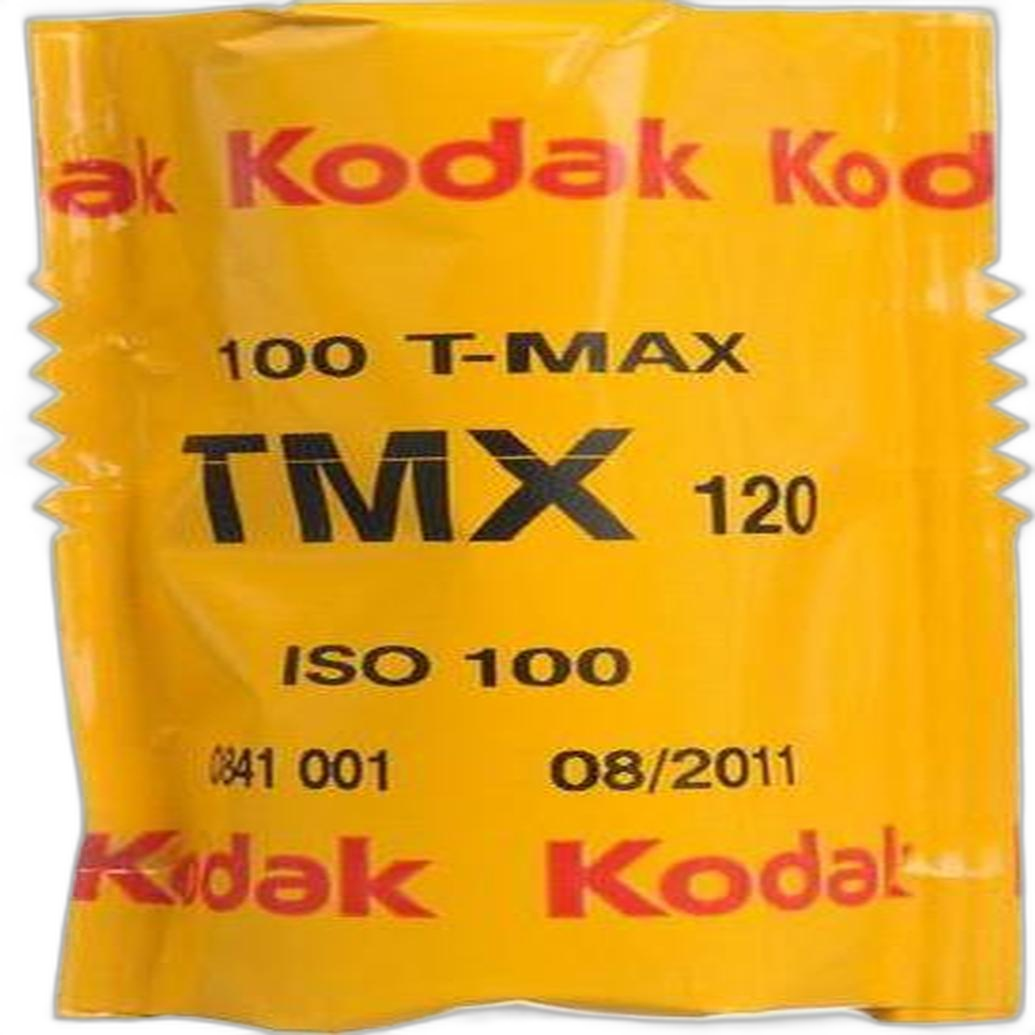
| Kodak T-Max 100 (TMX) | 120, 5-pack | 100 | Very fine grain, sharp, modern tonal separation | Studio, landscape, fine detail work | Traditional B&W processing |
| Ilford Delta 100 Professional | 4x5, 100 sheets | 100 | Fine grain, smooth gradation, refined highlight handling | Large-format landscapes, architecture, fine art | Traditional B&W sheet film processing |
| Kodak T-Max 400 | 4x5, 10 sheets | 400 | High speed with modern sharpness and relatively fine grain | Large-format work in changing light, portraits, handheld-friendly setups | Traditional B&W sheet film processing |
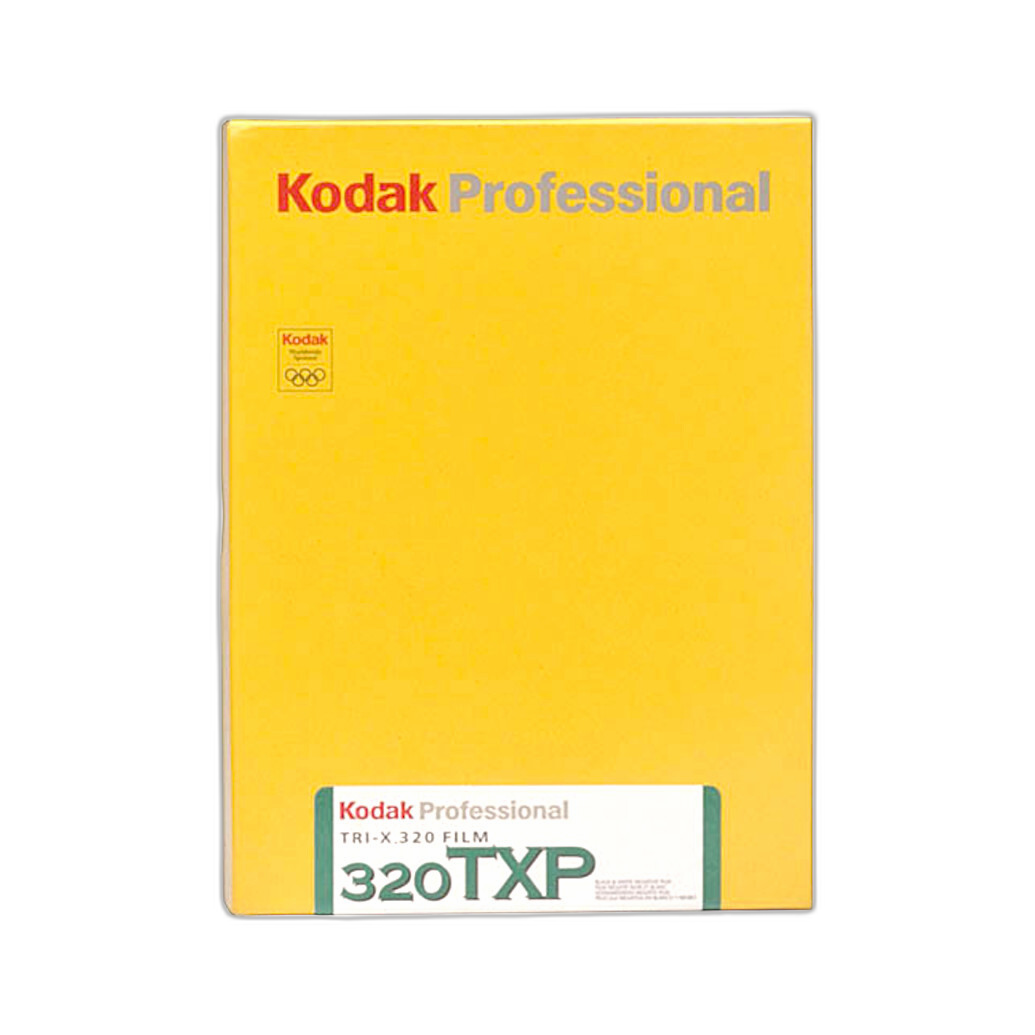
| Kodak Tri-X 320 | 8x10, 10 sheets | 320 | Classic tonality, rich midtones, traditional rendering | Large-format portraiture, still life, expressive fine art | Traditional B&W sheet film processing |
| Unique Black and White Film Developing Kit | Processing kit | N/A | Lets you shape your own final look at home | Home developers, students, analog enthusiasts | Use with traditional B&W films for maximum control |
Comparing Their Signature Looks
Kodak Tri-X 400: The Iconic Grit-and-Soul Choice
Kodak Tri-X 400 remains one of the most beloved black-and-white films ever made because its look is unmistakable. It has visible grain, strong midtone character, and a punchy response that flatters documentary scenes, urban environments, and portraits with attitude. If you want images that feel alive rather than polished, Tri-X is often the first recommendation.
Its biggest advantage is character. Tri-X can handle imperfect conditions beautifully, and many photographers love how it responds when pushed. That makes it especially appealing for street shooters and anyone who wants a classic photojournalistic aesthetic instead of ultra-clean tonality.
Ilford XP2 Super: Flexible, Smooth, and Easy to Live With
Ilford XP2 Super takes a different approach. While it is a black-and-white film, it uses the C-41 process, which makes it much easier to get developed at many labs. Visually, XP2 tends to look smoother and less gritty than Tri-X, with softer grain and generous exposure latitude.
This is an excellent choice for photographers who want black-and-white images without committing to a traditional darkroom-style workflow. It is also a strong option for portraits and travel because it can handle varying exposure conditions gracefully. If Tri-X is the expressive old-school choice, XP2 is the practical, forgiving alternative.
Kodak Ektapan 100 vs Kodak T-Max 100: Fine-Grain Medium Format Looks
In medium format, Kodak Ektapan 100 and Kodak T-Max 100 both appeal to photographers who want high detail and lower grain, but they do not render scenes in exactly the same way.
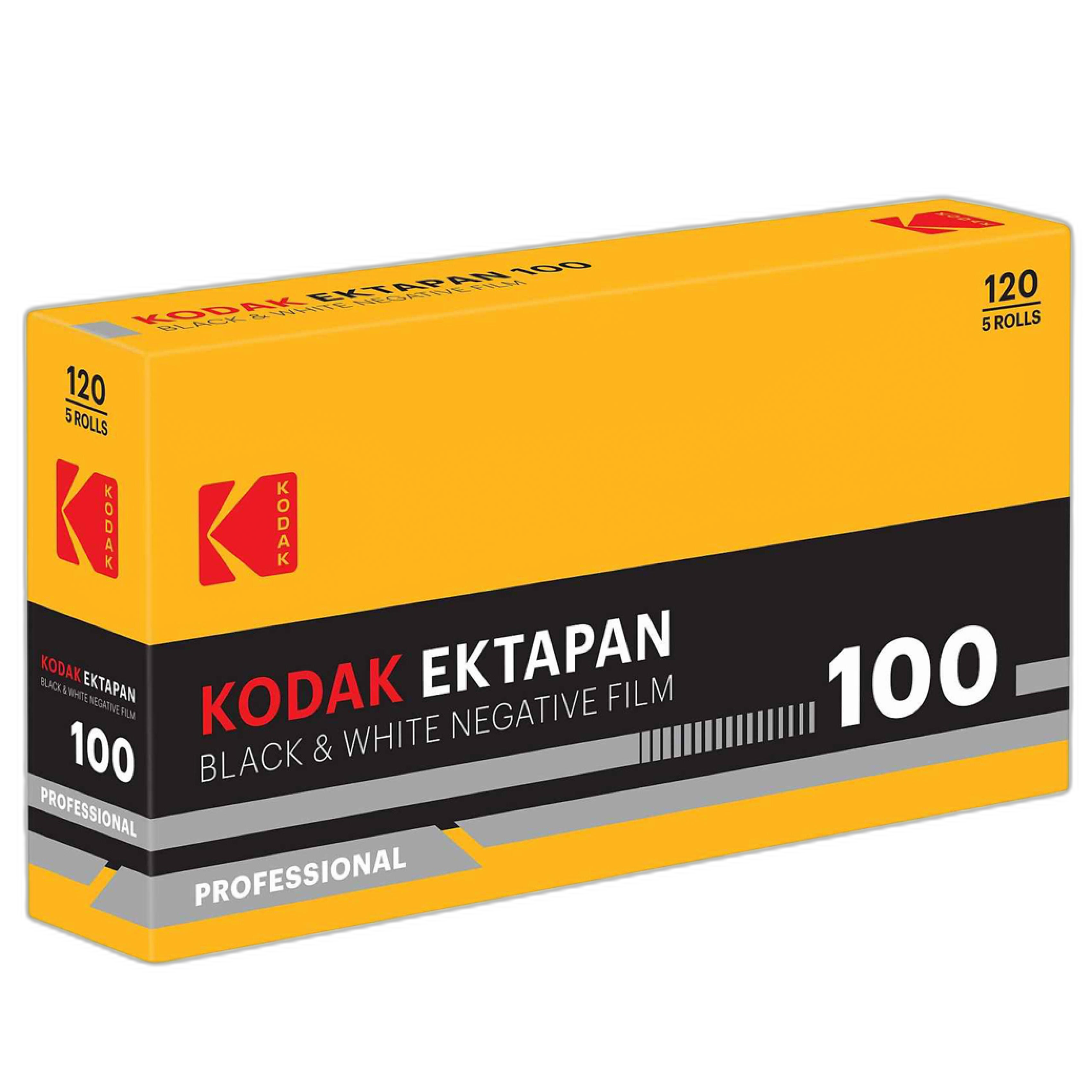
Ektapan 100 leans toward a balanced, classic fine-grain look that works well across portraits, landscapes, and everyday medium format shooting. It feels versatile and clean without becoming sterile.
T-Max 100, by contrast, is often the pick for photographers chasing maximum sharpness and very fine grain. It delivers a more modern look, with crisp detail and strong tonal separation. For architecture, studio work, and carefully composed landscapes, T-Max 100 often has the edge.
Ilford Delta 100 Professional: Large-Format Elegance
Ilford Delta 100 Professional in 4x5 is a favorite for photographers who want a refined, controlled black-and-white look in large format. It offers smooth gradation, excellent detail, and a polished tonal structure that works beautifully in landscapes, architecture, and fine-art applications.
Compared to grittier traditional emulsions, Delta 100 feels more modern and cleaner. If your priority is subtle tonal transitions and meticulous image quality, this is one of the strongest options in the group.
Kodak T-Max 400 vs Kodak Tri-X 320: Modern Speed or Traditional Large-Format Character
For large-format photographers, Kodak T-Max 400 and Kodak Tri-X 320 offer two very different black-and-white personalities.
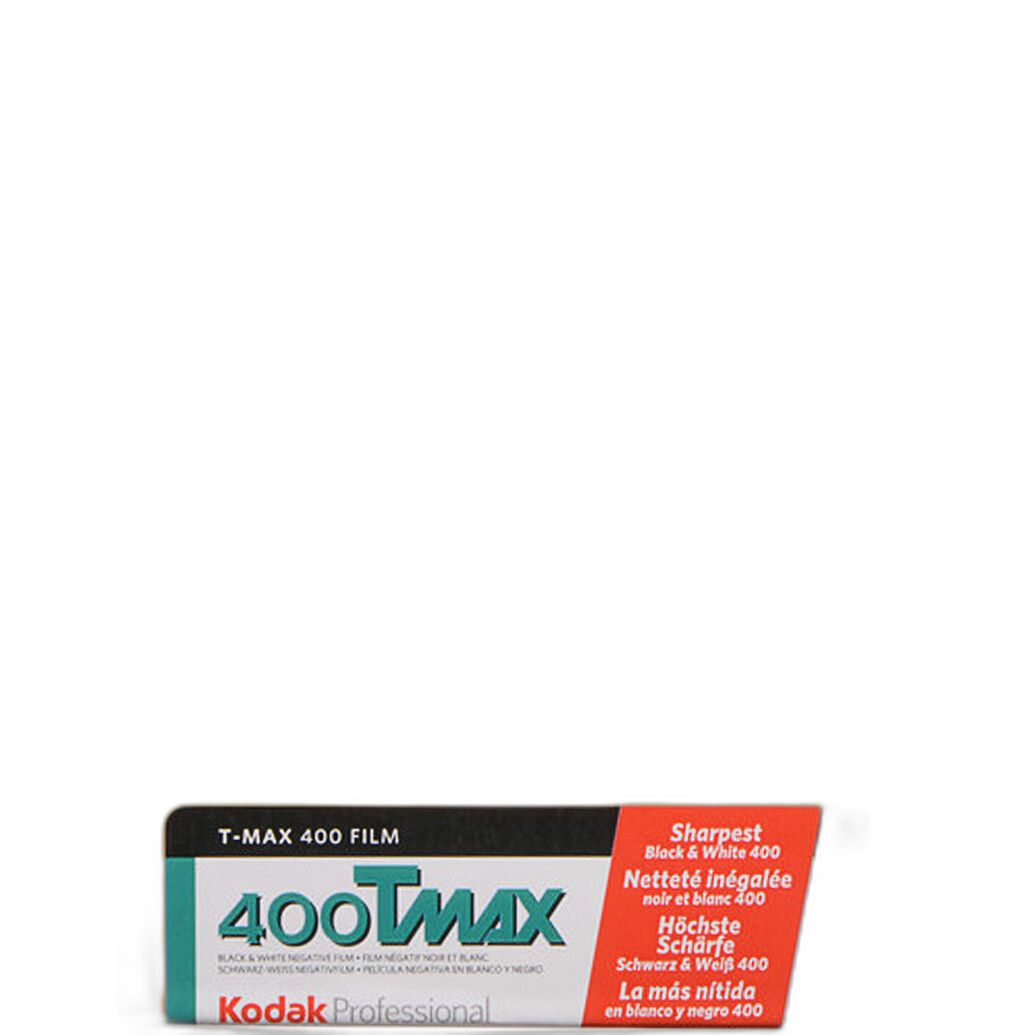
T-Max 400 is the more modern, technically oriented choice. It gives you higher speed than the 100-speed films while maintaining impressive sharpness and relatively fine grain for its class. That makes it a strong option when light levels are lower or when you need more flexibility without giving up detail.
Tri-X 320 in 8x10 delivers the opposite kind of appeal: classic tonality, rich midtones, and a traditional rendering that feels deeply photographic. In a large format like 8x10, that character becomes even more pronounced and luxurious. For portraitists and fine-art shooters who want emotional texture over technical neutrality, Tri-X 320 is a standout.
Workflow Matters: Don’t Forget Processing
Your final black-and-white look is shaped not only by film choice but also by how you process it. Traditional black-and-white films like Tri-X, Delta, T-Max, and Ektapan give you room to control contrast, grain appearance, and tonal response in development and scanning or printing. If you want hands-on control, home processing can be part of the creative process rather than just a technical step.
The Unique Black and White Film Developing Kit is a smart companion for photographers who want to develop traditional black-and-white film themselves. It is especially appealing for students, home darkroom users, and anyone who wants to fine-tune results instead of relying entirely on lab interpretation.
Our Pick
If you want the most iconic black-and-white look overall, our pick is Kodak Tri-X 400. It offers the classic grain structure, tonal punch, and expressive character that many photographers picture when they think of black-and-white film. It is versatile enough for street, documentary, portraits, and everyday shooting, and it rewards photographers who enjoy experimenting with exposure and development.
Best alternative for smoother results: Ilford XP2 Super.
Best fine-grain medium format option: Kodak T-Max 100.
Best refined large-format option: Ilford Delta 100 Professional.
Conclusion
The best black-and-white film stock depends on the kind of image you want to make. Choose Tri-X for grit and emotion, XP2 for flexibility and convenience, T-Max for sharp modern detail, Delta for elegant tonal control, and Ektapan for clean medium-format versatility. And if you want to take full creative control, pairing your film with a home processing workflow can make a real difference. You can explore these black-and-white film favorites and more at Unique Photo.