Black-and-White Looks Compared: Filters, Developers, and Tools for Shaping Your Monochrome Style
When photographers talk about their favorite black-and-white film stocks, the conversation almost always expands beyond the film itself. Grain, tonal separation, shadow depth, highlight rolloff, and contrast are all shaped by the tools used before exposure, during development, and even at the printing stage. In that spirit, this comparison looks at a group of black-and-white essentials that help photographers steer the final image toward a specific mood or artistic intention.
Rather than comparing film emulsions directly, we are comparing the kinds of products forum members often pair with their preferred stocks: black-and-white filter kits for in-camera tonal control, film developers and processing options for negative character, paper developers for darkroom output, and a couple of books that help photographers refine their monochrome vision. If you are trying to achieve richer skies, smoother midtones, punchier negatives, or a more intentional black-and-white workflow, these are the tools that matter.
Side-by-Side Specs Comparison
| Product | Type | Best For | Key Strength | Workflow Stage |
|---|---|---|---|---|
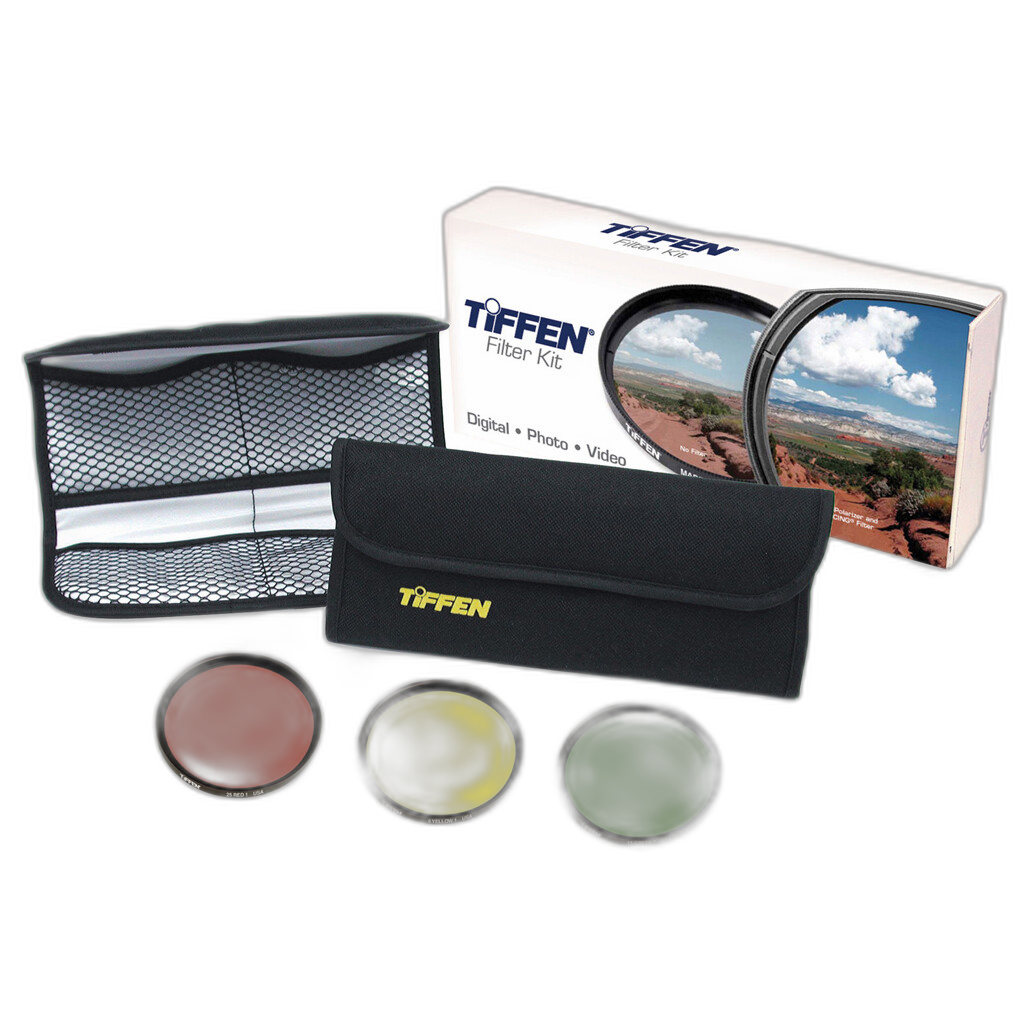
| Tiffen 72mm Black and White Filter Kit | Lens filter kit | Controlling tonal contrast at capture | Classic black-and-white filtration in a 72mm size | Before exposure |
| Tiffen 77mm Black and White Filter Kit | Lens filter kit | Controlling tonal contrast at capture | Same tonal-shaping approach for lenses with 77mm threads | Before exposure |
| Unique Black and White Film Developing Kit | Film developing kit | Home processing and experimenting with negative look | Accessible all-in-one route into black-and-white development | Film processing |
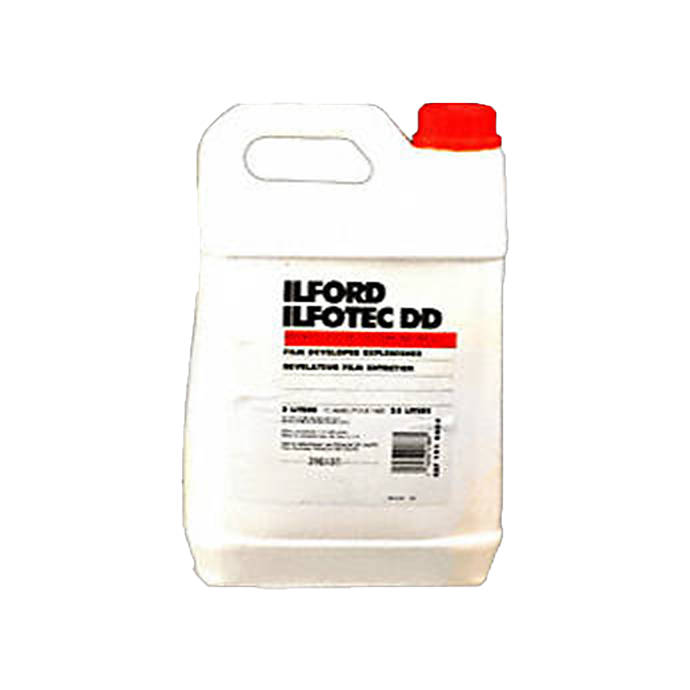
| Ilford Ilfotec DD Developer Replenisher for Black and White Film - 5 Liters | Film chemistry | Refined film development workflow | Consistent replenished processing for black-and-white film | Film processing |
| Ilford 5L Multigrade Developer for Black and White Paper | Paper chemistry | Darkroom printing | Reliable development of black-and-white paper prints | Print finishing |
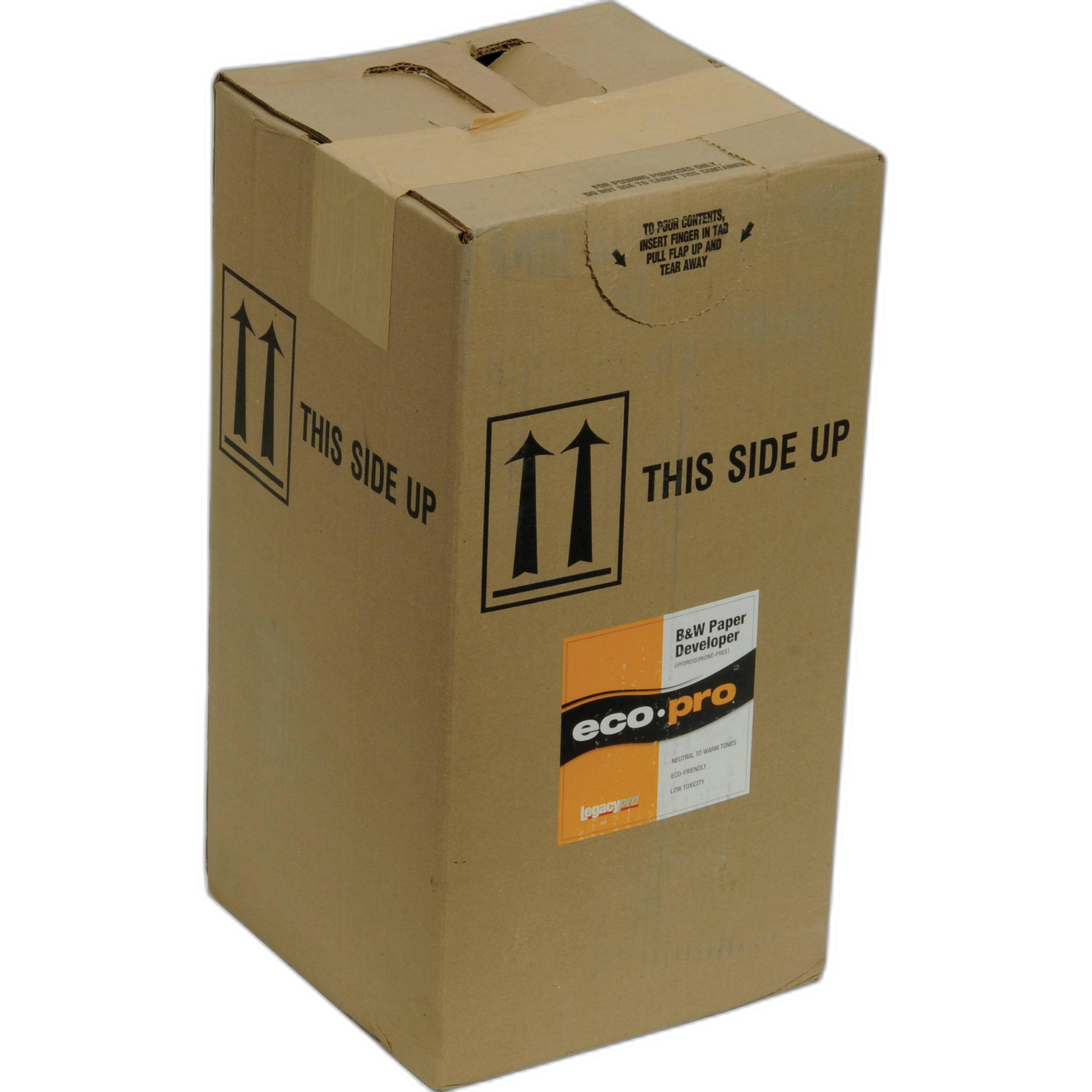
| LegacyPro EcoPro BW Paper Developer 5 Gallons (concentrate) | Paper chemistry | Higher-volume darkroom printing | Large-volume concentrate for print workflow efficiency | Print finishing |
| Creative Black and White Photography 2nd Ed by Harold Davis | Book | Learning monochrome technique and artistic choices | Strong conceptual and practical guidance | Creative development |
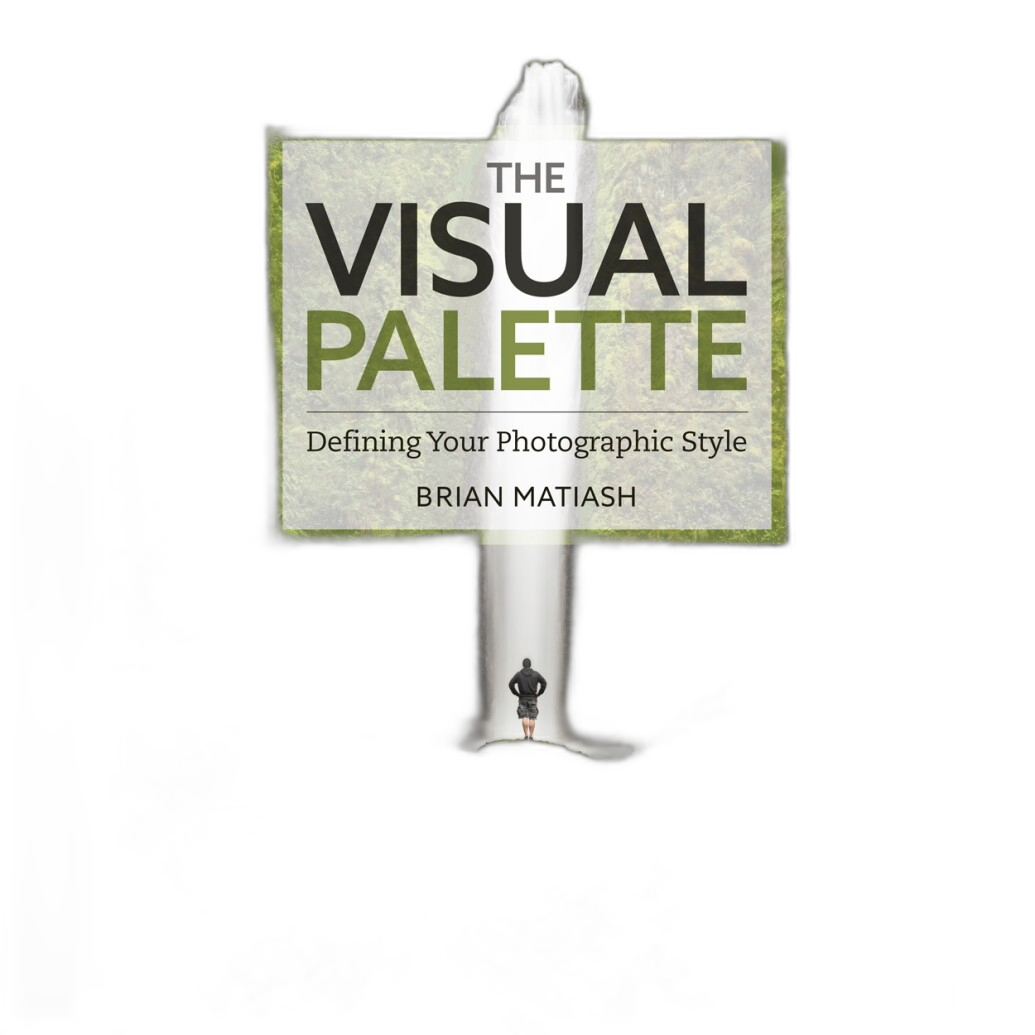
| Rocky Nook - The Visual Palette by Brian Matiash | Book | Understanding visual style and image interpretation | Broader visual decision-making framework | Creative development |
How These Products Relate to Black-and-White Film Character
Forum discussions about black-and-white stocks often center on traits like acutance, grain structure, contrast curve, and exposure latitude. But those qualities can be heavily influenced by two things: filtration and development. A yellow, orange, or red filter can dramatically darken skies and separate clouds from background tones. Developer choice and method can alter perceived sharpness, contrast, and shadow detail. Then, once the negative is made, paper chemistry and printing choices determine whether the final image feels soft and luminous or bold and graphic.
That is why this comparison is useful: each product here contributes to the monochrome look in a different way.
1) In-Camera Tonal Control: Tiffen 72mm vs Tiffen 77mm Black and White Filter Kits
For photographers who want to shape the image before it even reaches the tank, black-and-white filters remain one of the most powerful tools available. Both Tiffen kits are designed for exactly that purpose. They are functionally similar, with the main difference being filter thread size: one is built for 72mm lenses, the other for 77mm lenses.
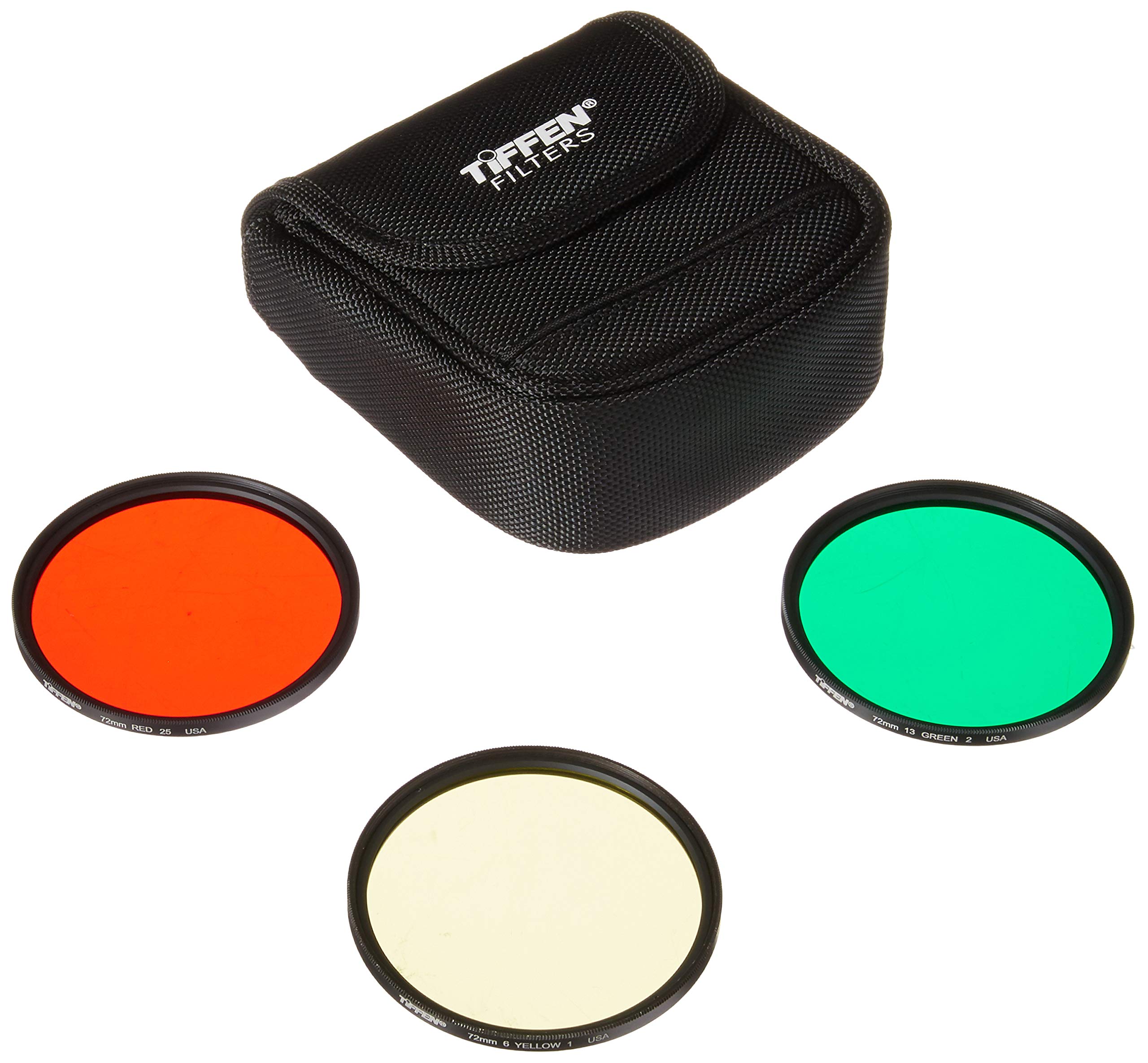
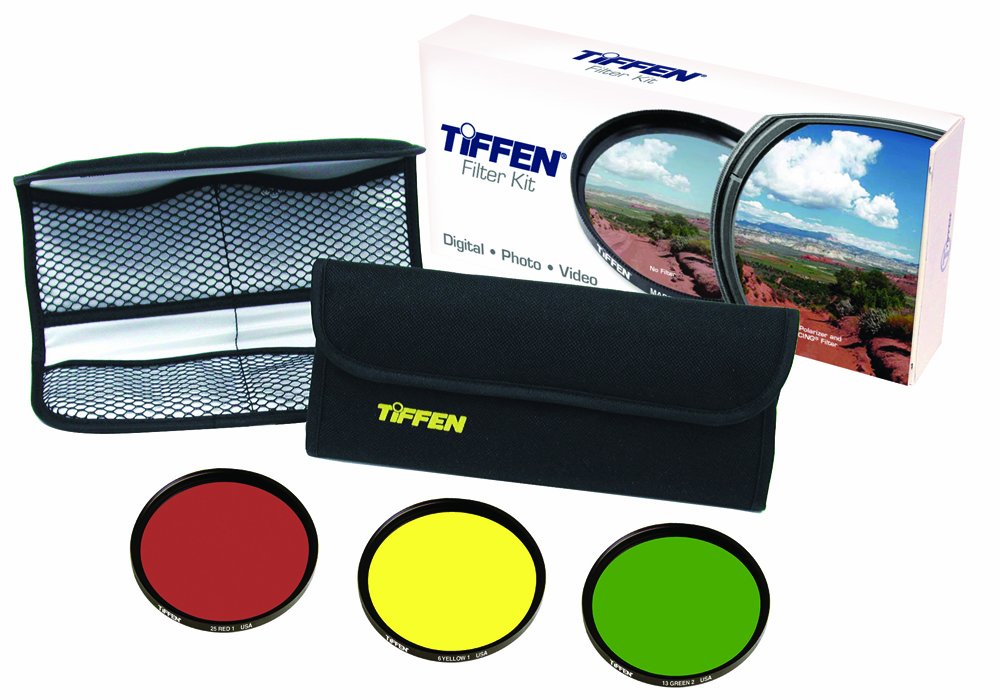
These kits are especially relevant when photographers are trying to make one film stock resemble another in spirit. For example, if a user loves a dramatic, high-separation landscape look, stronger filtration can produce deeper skies and brighter foliage contrast regardless of whether the base film stock is naturally more neutral. Likewise, portrait shooters can use more moderate filtration to subtly alter skin rendering while preserving flattering midtones.
Choose the 72mm kit if your primary lenses use 72mm filter threads and you want a direct fit without step rings. Choose the 77mm kit if your lenses are built around 77mm threads, which is especially common on many pro zooms and larger primes. In practice, the artistic impact is not about 72mm versus 77mm; it is about matching the kit to your lens setup so filtration becomes part of your regular shooting process.
2) Film Development Flexibility: Unique Black and White Film Developing Kit vs Ilford Ilfotec DD Developer Replenisher
If forum members are debating how to get creamier midtones, tighter grain, or a more forceful contrast curve from the same film stock, development is usually the next topic. That makes these two products particularly important, though they serve somewhat different users.
The Unique Black and White Film Developing Kit is the practical choice for photographers who want to begin processing at home or simplify their workflow. It is ideal for experimenting with how development changes the emotional feel of a favorite stock. If your goal is to test different approaches and gain hands-on control over your negatives, a kit-based solution lowers the barrier to entry.
The Ilford Ilfotec DD Developer Replenisher, by contrast, is more about consistency and an established processing routine. Replenished systems are often appreciated by photographers who process regularly and want a predictable result over time. If your artistic aim is repeatability, especially when you have identified a specific look you want to maintain from roll to roll, this kind of chemistry becomes very attractive.
In simple terms: the Unique kit favors accessibility and experimentation, while the Ilford chemistry favors a more refined, repeatable darkroom discipline.
3) Printing the Final Look: Ilford Multigrade Developer vs LegacyPro EcoPro BW Paper Developer
Some photographers stop after scanning negatives, but for many black-and-white enthusiasts, the print is where the image truly becomes complete. That final rendering depends heavily on paper developer characteristics and workflow scale.
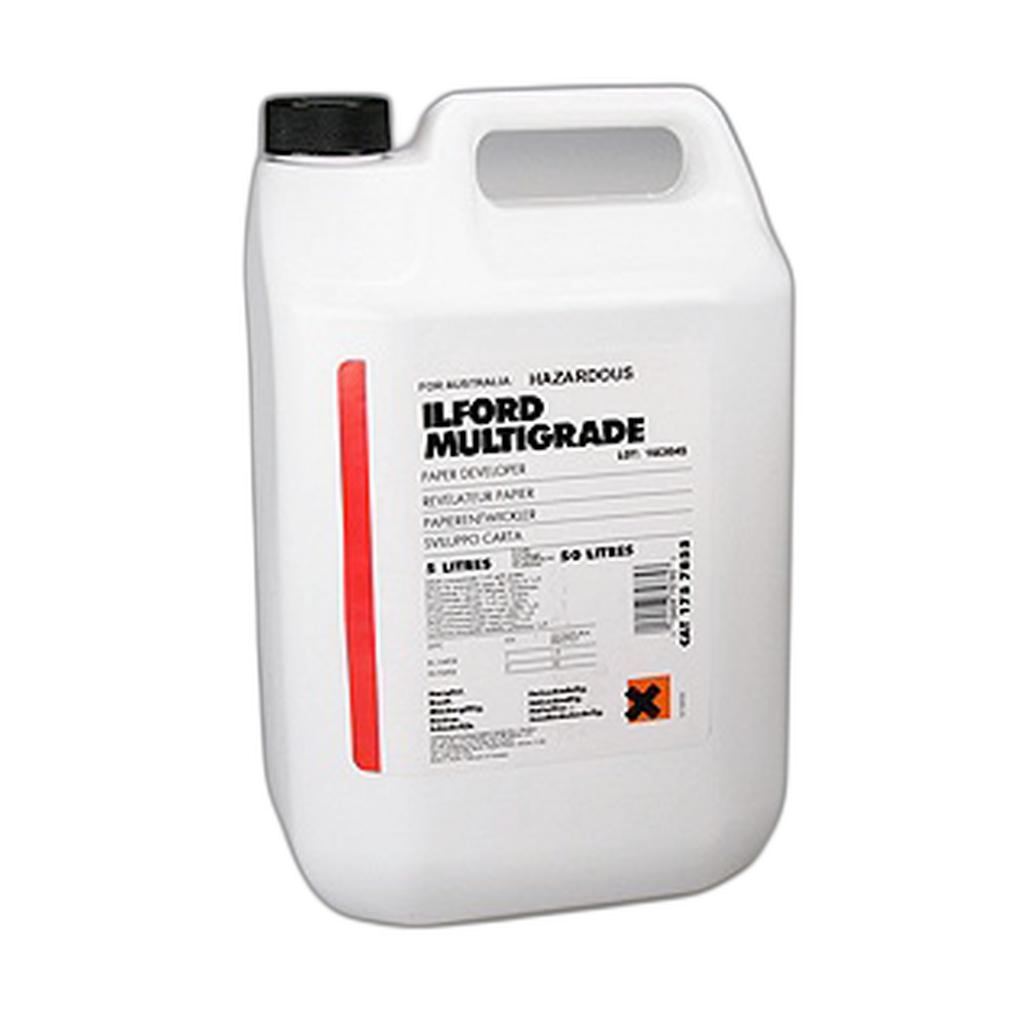
The Ilford 5L Multigrade Developer for Black and White Paper is a natural fit for photographers using variable-contrast papers and looking for a trusted darkroom option from a brand strongly associated with black-and-white workflow. It makes sense for printers who want dependable print development from session to session.
The LegacyPro EcoPro BW Paper Developer 5 Gallons (concentrate) stands out for volume and efficiency. If you print often, teach workshops, run a communal darkroom, or simply want a larger-capacity solution, it is the more workflow-oriented option. It is less about a boutique approach and more about sustaining production while keeping your black-and-white printing process moving.
So the decision here is mostly about scale and preference: Ilford feels like the classic darkroom choice, while LegacyPro is appealing for larger throughput and practical economy.
4) Learning to See in Monochrome: Harold Davis vs Brian Matiash
The final black-and-white look is not just chemistry and filtration. It also comes from visual judgment: knowing when a scene benefits from red filtration, when low-contrast development better supports mood, or when a print should preserve subtle tonal transitions instead of emphasizing punch. That is where educational resources become part of the comparison.
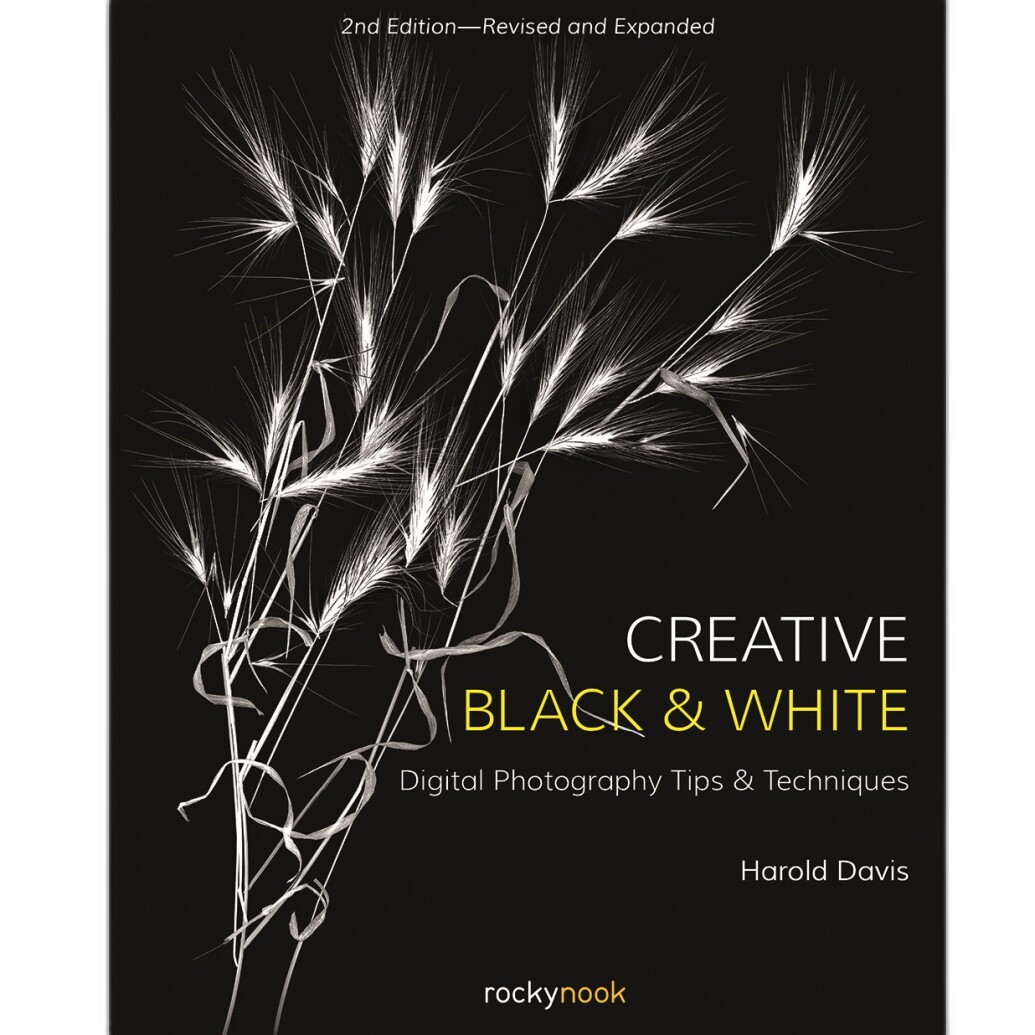
Creative Black and White Photography 2nd Ed by Harold Davis is the more directly targeted choice for photographers focused specifically on monochrome image-making. It is likely the stronger pick if your questions revolve around how to translate emotional intent into black-and-white tonality and technique.
The Visual Palette by Brian Matiash broadens the conversation to visual interpretation and stylistic choices. For photographers who want to understand the language of image design more generally, and then apply those lessons to black-and-white work, it has a wider conceptual reach.
If your forum-style question is, “How do I get better at black-and-white specifically?” Harold Davis is the closer match. If your question is, “How do I become more intentional about visual style overall?” Brian Matiash offers a broader framework.
Which Product Best Matches Common Black-and-White Goals?
| Goal | Best Match | Why |
|---|---|---|
| Dramatic skies and stronger tonal separation in-camera | Tiffen Black and White Filter Kits | Filters shape how colors translate into grayscale before development begins |
| Start developing black-and-white film at home | Unique Black and White Film Developing Kit | Accessible route into home processing and experimentation |
| Maintain a repeatable film-processing routine | Ilford Ilfotec DD Developer Replenisher | Better suited to consistent, disciplined processing workflows |
| Produce darkroom prints with a classic paper developer workflow | Ilford 5L Multigrade Developer | Strong fit for black-and-white paper development |
| Handle larger printing volume efficiently | LegacyPro EcoPro BW Paper Developer | Large concentrate capacity supports frequent printing |
| Improve black-and-white technique and visual thinking | Creative Black and White Photography 2nd Ed | Most directly aligned with monochrome practice |
Our Pick
Our Pick: Unique Black and White Film Developing Kit
If we had to choose the single most useful product for photographers discussing favorite black-and-white stocks and how to shape their look, the Unique Black and White Film Developing Kit is the standout recommendation. It gets to the heart of what these discussions are really about: control. Once you start developing your own film, you can begin tailoring negatives to match your artistic intent instead of accepting a one-size-fits-all result.
For beginners, it opens the door to understanding how development changes tonality and contrast. For experienced shooters, it provides a practical foundation for testing how different films respond to different handling. In other words, it is the product here that most directly connects technique with creative intention.
Conclusion
Black-and-white photography is rarely about film stock alone. The final look comes from a chain of decisions: filtration at the lens, chemical choices in development, printing methods in the darkroom, and the photographer’s own visual language. The Tiffen filter kits help shape contrast and grayscale rendering at capture, the Unique and Ilford film-processing options influence negative character, and the Ilford and LegacyPro paper developers support different printing needs. The Rocky Nook books round out the process by helping photographers become more intentional in how they see and interpret monochrome scenes.
If you are building a black-and-white workflow instead of just buying a single item, this comparison shows how each tool serves a different stage of the process. For more black-and-white gear, chemistry, filters, and educational resources, explore the selection at Unique Photo.