Getting started with portrait photography does not mean you need the most expensive glass in the store. In fact, some of the best beginner-friendly portrait setups come from choosing the right focal length, shopping used when it makes sense, and learning how to use light well. If you want flattering portraits, soft backgrounds, and sharp eyes without overspending, these tips will help you build a practical kit and get more from every shoot.
Start With a Focal Length That Flatters Faces
For many newcomers, the easiest way to improve portraits is to move away from very wide lenses and toward more flattering focal lengths. Around 50mm to 85mm full-frame equivalent is a classic portrait range because it keeps facial features looking natural while still giving you pleasing subject separation.
1. A 50mm prime is often the best first portrait lens
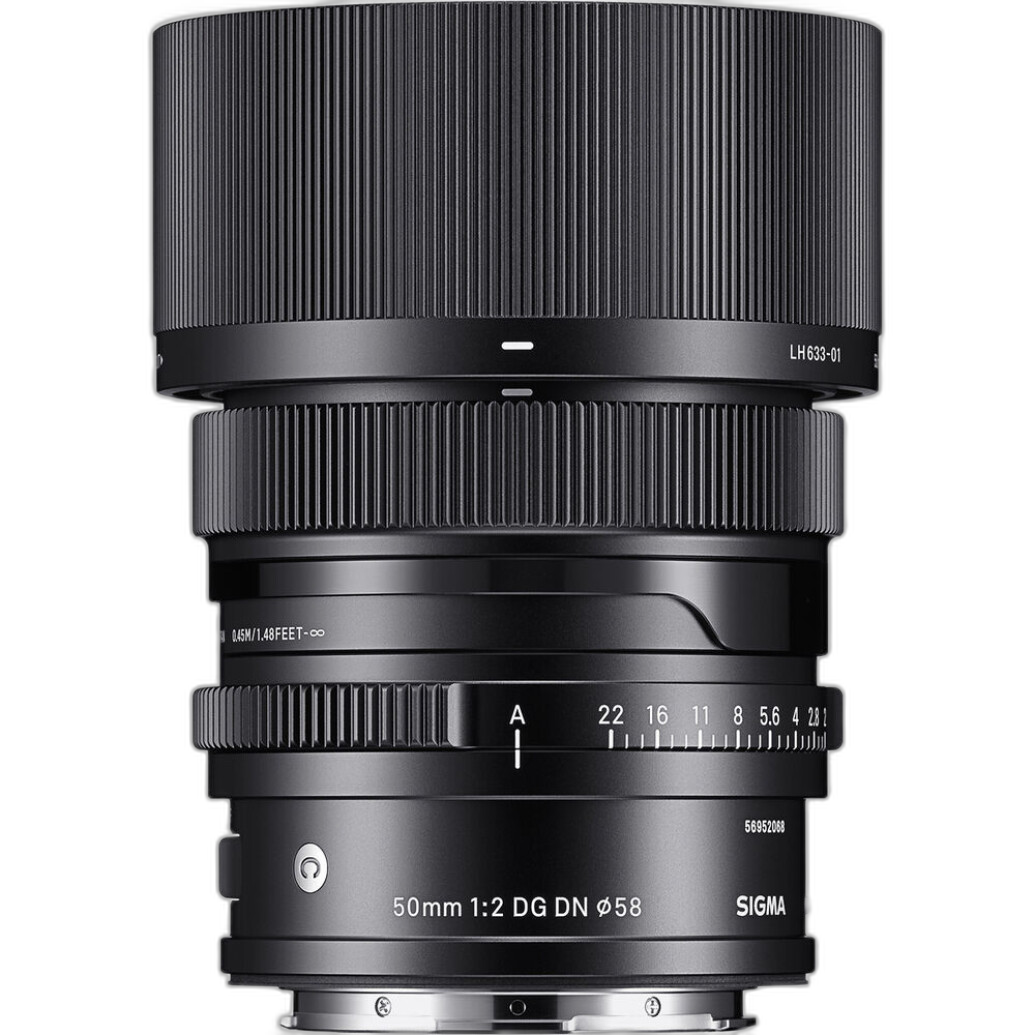
A normal-to-short-telephoto perspective is versatile enough for headshots, half-body portraits, and everyday people photography. A lens like the Used Sigma 50mm f/2 DG DN Contemporary Lens for Sony E Mount - Excellent is a great example of a cost-effective portrait choice: it is compact, bright enough for background blur, and easier to carry than larger portrait primes.
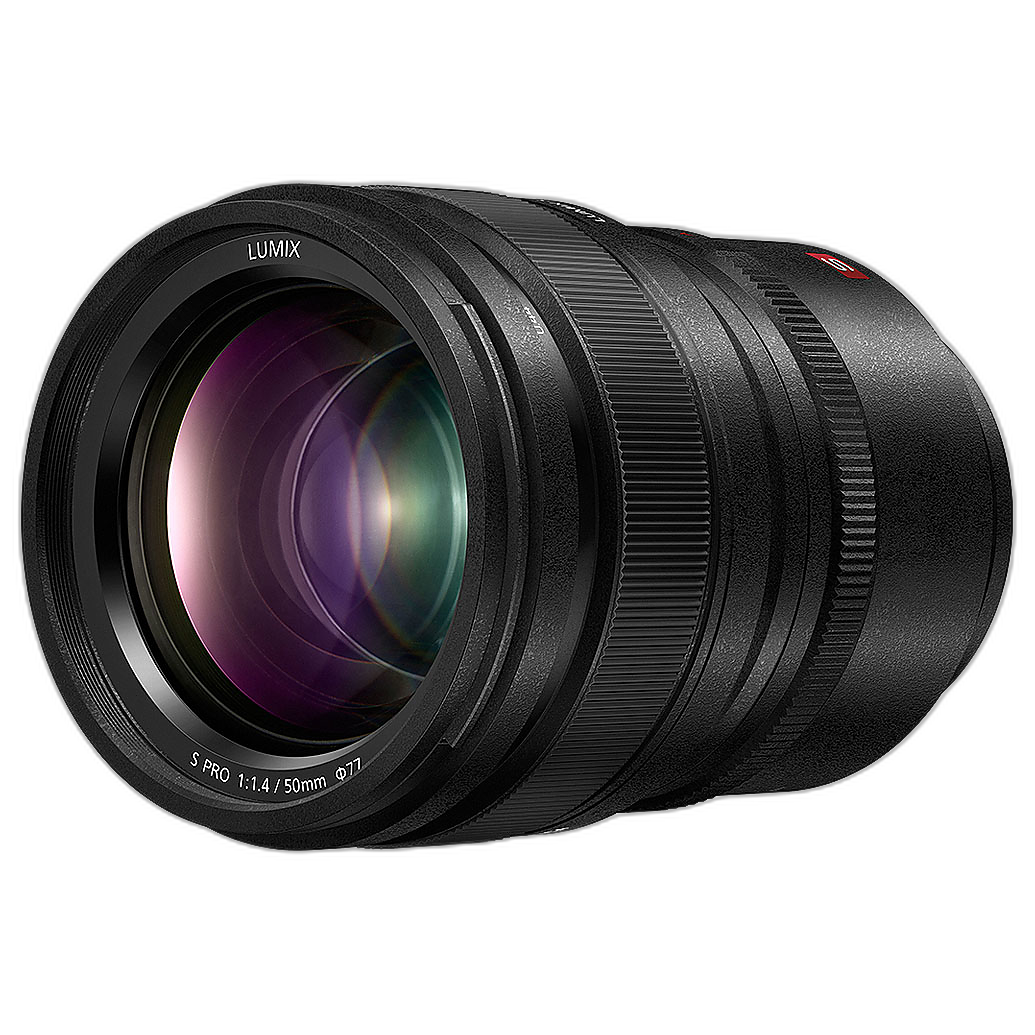
If you shoot L-Mount and want maximum blur with a classic portrait look, the Used Good Panasonic LUMIX S PRO 50mm F/1.4 Lens gives you even shallower depth of field and strong low-light performance. It is a more premium option, but buying used can make that step-up much more realistic for beginners watching their budget.
- 50mm works well for single subjects
- It is flexible indoors and outdoors
- It helps you learn composition without relying on zooming
Compare Prime and Zoom Lenses Before You Buy
New photographers often ask whether they should buy one prime lens or one zoom lens first. The answer depends on how you shoot, but for portraits on a budget, both routes can work.
2. Choose a zoom if you want more framing flexibility
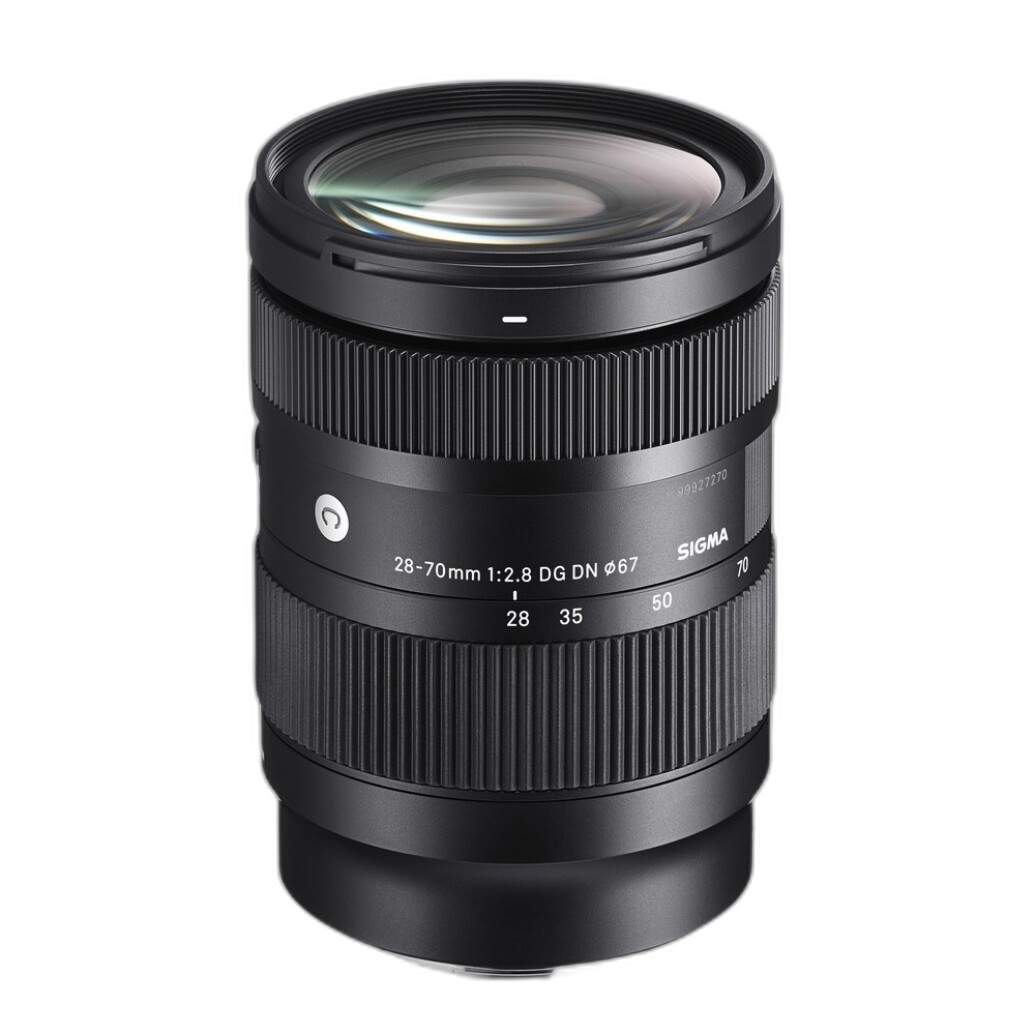
The Sigma 28-70mm f/2.8 Contemporary DG DN Lens for L-Mount is a smart choice for beginners who want one lens that can handle environmental portraits at the wide end and tighter portraits closer to 70mm. While it will not blur backgrounds quite like an ultra-fast prime, f/2.8 is still very usable for portraits, especially when you place your subject farther from the background.
- Prime advantage: often smaller, simpler, and brighter for the price
- Zoom advantage: easier to adapt quickly during casual sessions
- Budget tip: if you are still learning your favorite portrait focal length, a zoom can teach you what you actually use most
3. Consider 65mm if you want a little more compression
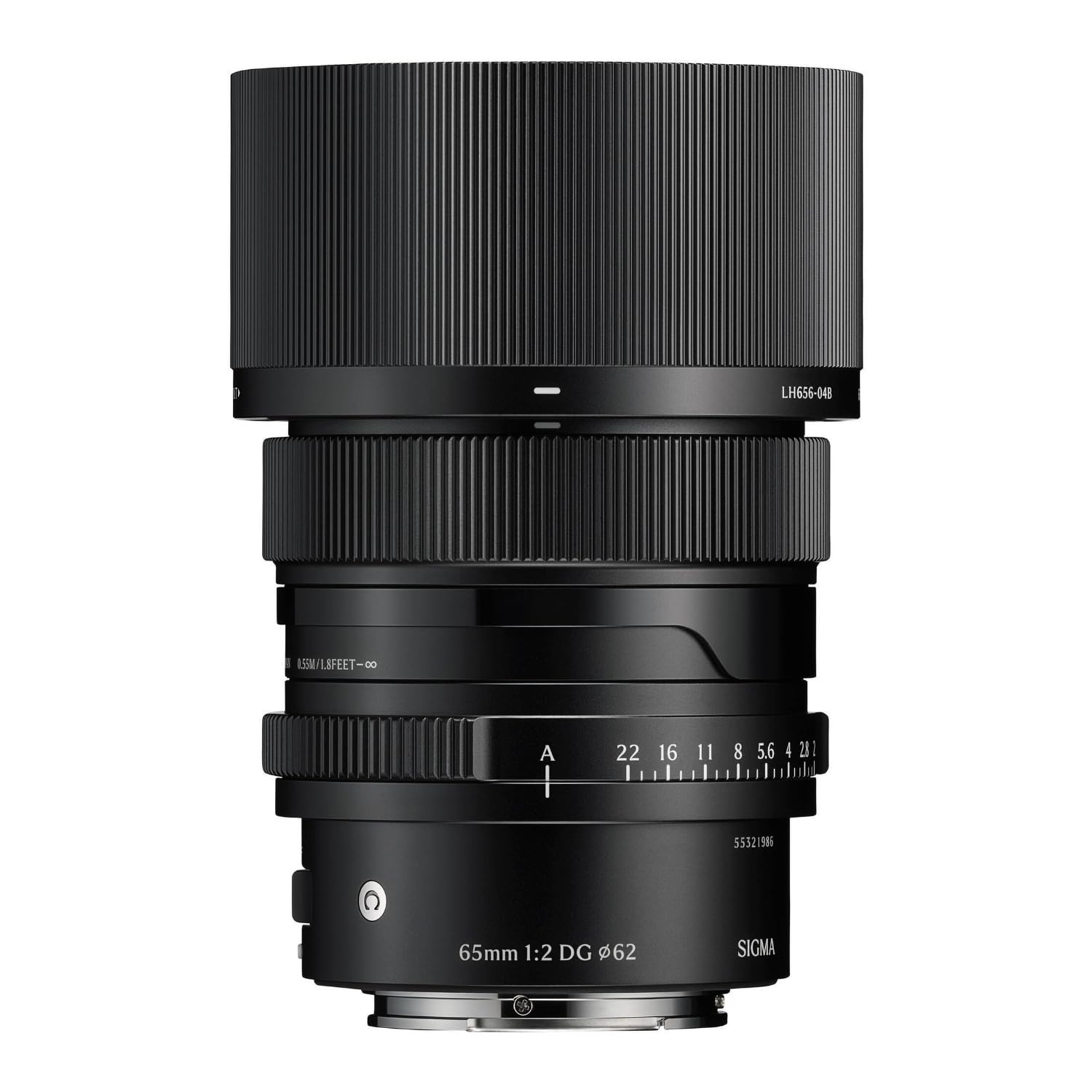
A lens like the Sigma 65mm F2 DG Contemporary Lens sits in a very useful middle ground. It feels slightly tighter than 50mm, which can be great for more flattering framing and softer backgrounds, but it is still not as restrictive as a longer 85mm-style option. For many beginners, this range is a hidden gem for portraits.
Use What You Have, But Avoid Going Too Wide for Close Portraits
4. Wider lenses are better for environmental portraits than close headshots
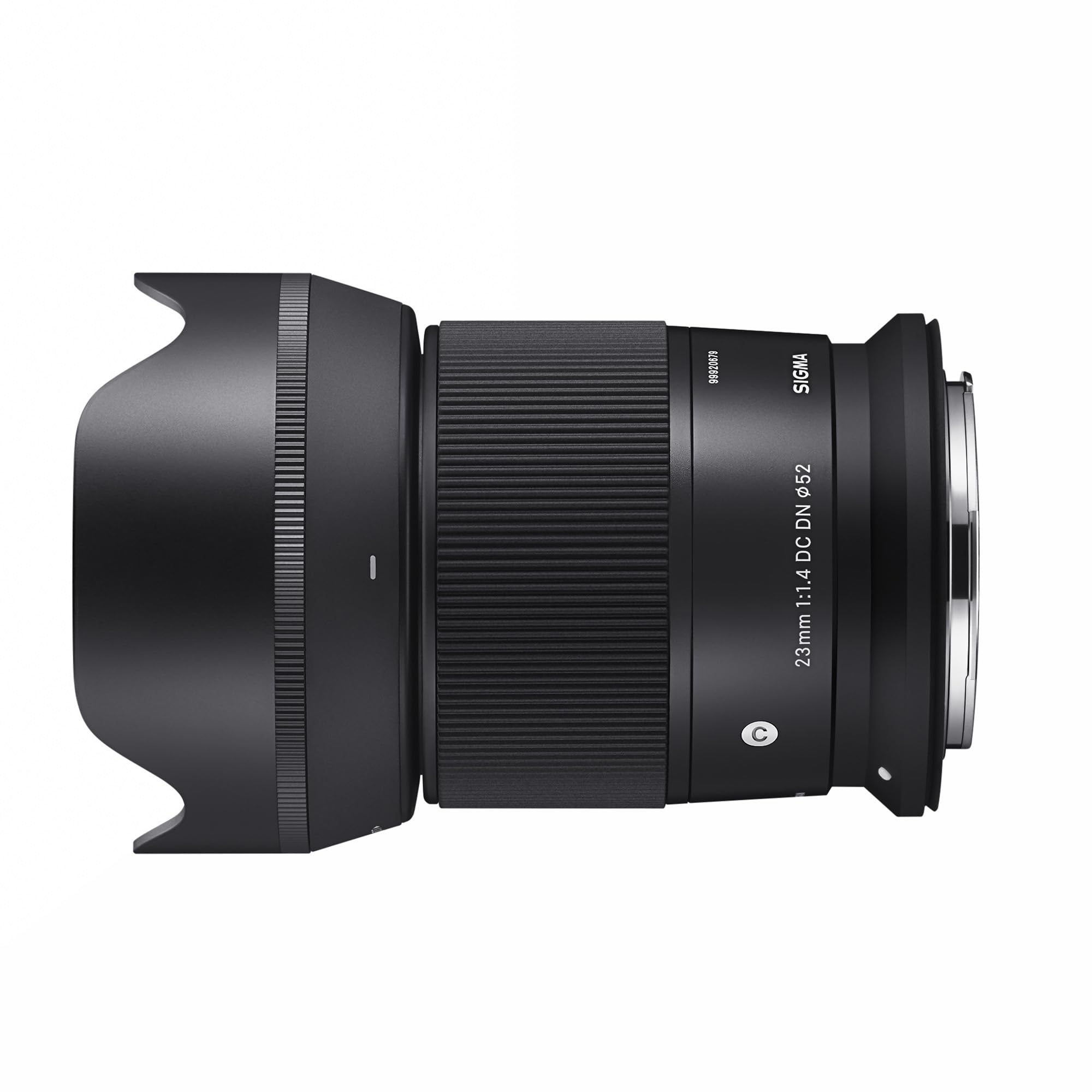
If you already own something wider, you can still make strong portraits with it. The trick is understanding when it works best. The Sigma 23mm F1.4 DC DN Contemporary for Canon RF can be excellent for environmental portraits where the setting matters as much as the person. Just avoid getting too close for tight headshots, or facial features may start to look stretched.
- Use wider lenses when you want to include context
- Keep your subject closer to the center of the frame
- Step back and crop slightly if you want more flattering proportions
Good Portraits Depend on Light as Much as Lens Choice
5. A used flash can improve portraits more than a pricier lens upgrade
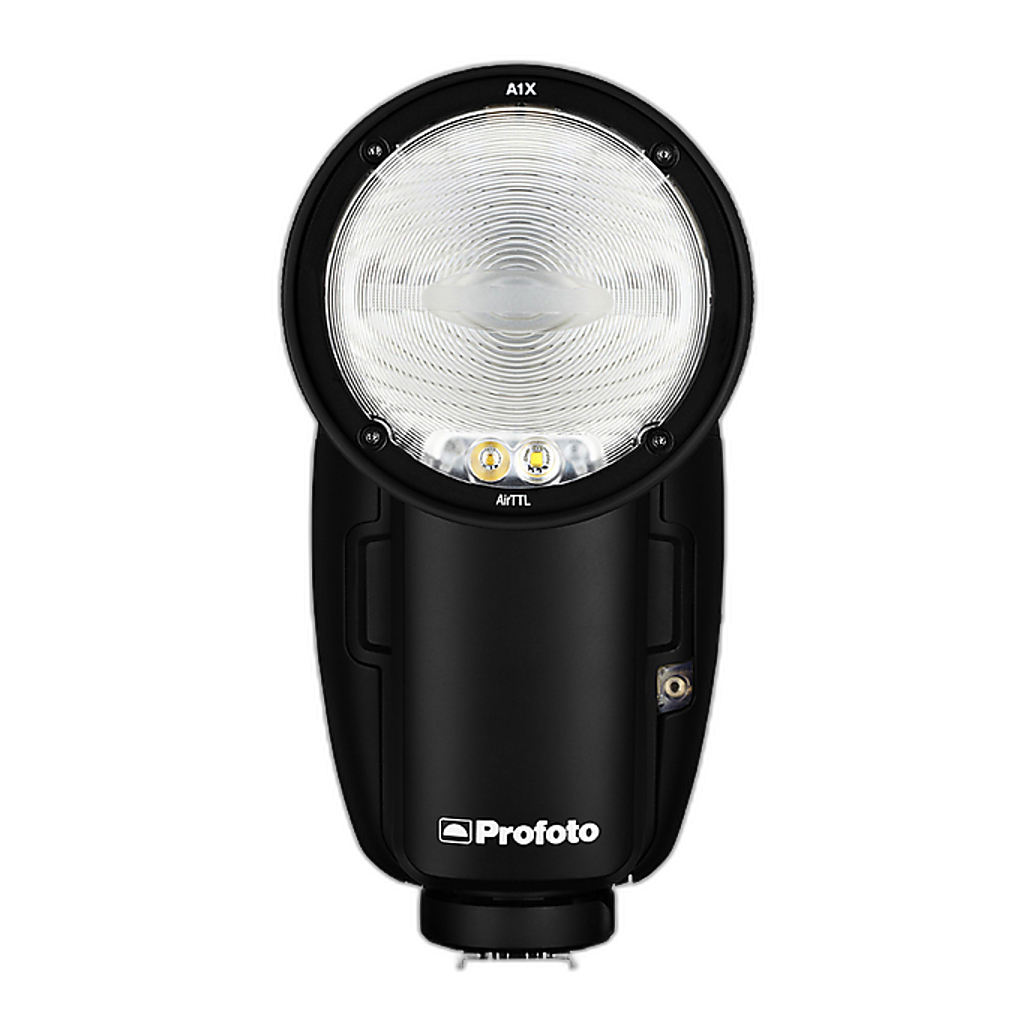
One of the most budget-friendly lessons in portrait photography is that lighting matters just as much as optics. If your portraits look flat, noisy, or inconsistent indoors, adding a light source can transform your results. The Used Profoto A1X Air TTL for Fujifilm - Good is the kind of tool that helps beginners create cleaner, more polished portraits with soft bounced light or subtle fill.
Try these quick lighting ideas:
- Bounce flash off a nearby wall or ceiling for softer skin tones
- Use window light first, then add flash only if needed
- Lower flash power for natural-looking fill rather than obvious flash
Used Gear Can Stretch Your Portrait Budget Further
6. Shop used when image quality matters more than having the newest release
Used gear is one of the easiest ways for newcomers to access better optics without overspending. A used prime like the Used Sigma 50mm f/2 DG DN Contemporary Lens for Sony E Mount - Excellent or the Used Good Panasonic LUMIX S PRO 50mm F/1.4 Lens can deliver the kind of sharpness and rendering portrait photographers love while keeping your total investment lower.
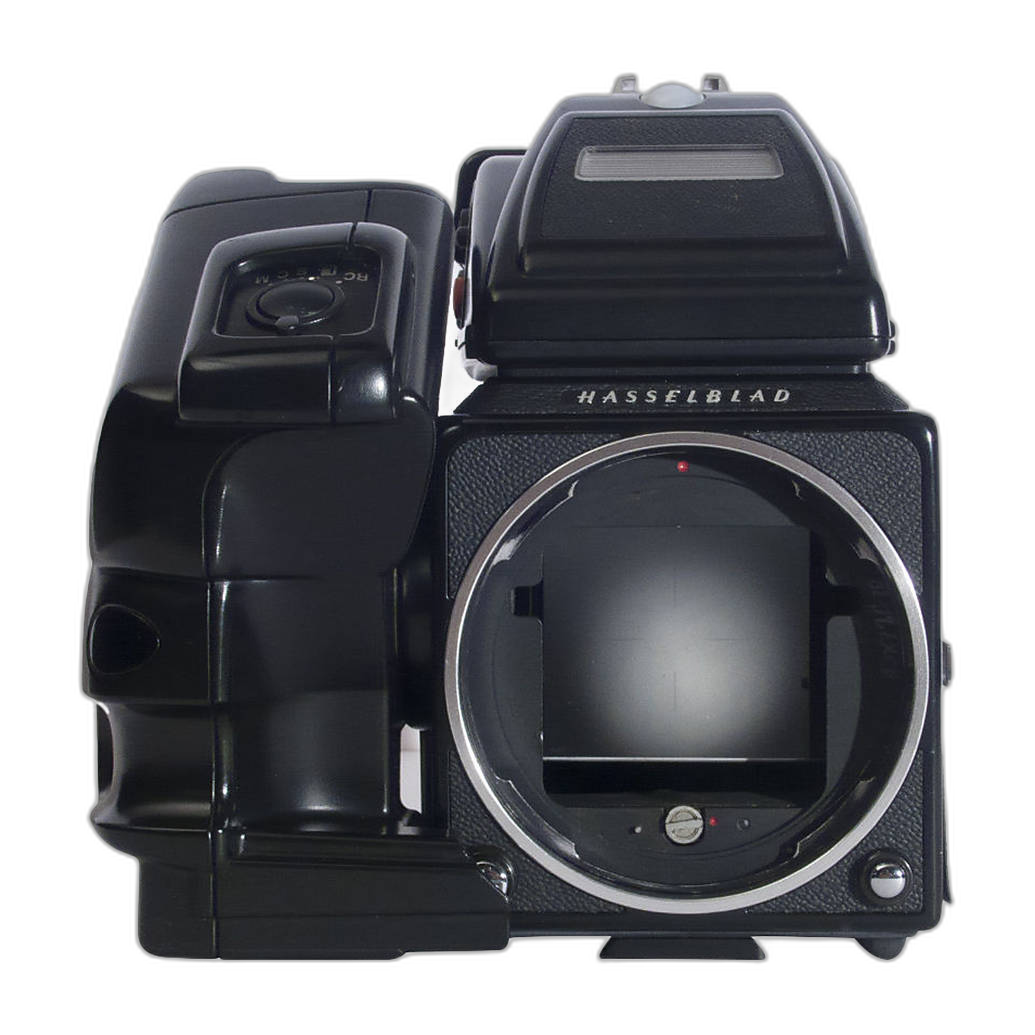
Even film shooters can explore portraiture on a budget-conscious path by looking at used systems. The Used Hasselblad 503CW Black w/ 80mm lens, PME 90 Finder, A12 Back - Good shows how iconic portrait formats can be found in the used market, though film is usually more of an enthusiast path than the cheapest place for a beginner to start.
- Check condition grades carefully
- Prioritize clean optics and reliable autofocus when relevant
- Spend saved money on lighting, memory cards, or more practice sessions
Technique Will Save You More Money Than Another Upgrade
7. Get better background blur without buying a faster lens
You do not always need f/1.4 to get a soft background. Before upgrading, work on these fundamentals:
- Move your subject farther from the background
- Get physically closer to your subject when appropriate
- Use longer focal lengths like 50mm, 65mm, or 70mm
- Shoot wide open on lenses like the Sigma 28-70mm f/2.8 or Sigma 50mm f/2
These small adjustments can make a budget-friendly lens look much more expensive in practice.
Study Portrait Style to Improve Faster
8. Learn from photo books and references, not just gear reviews
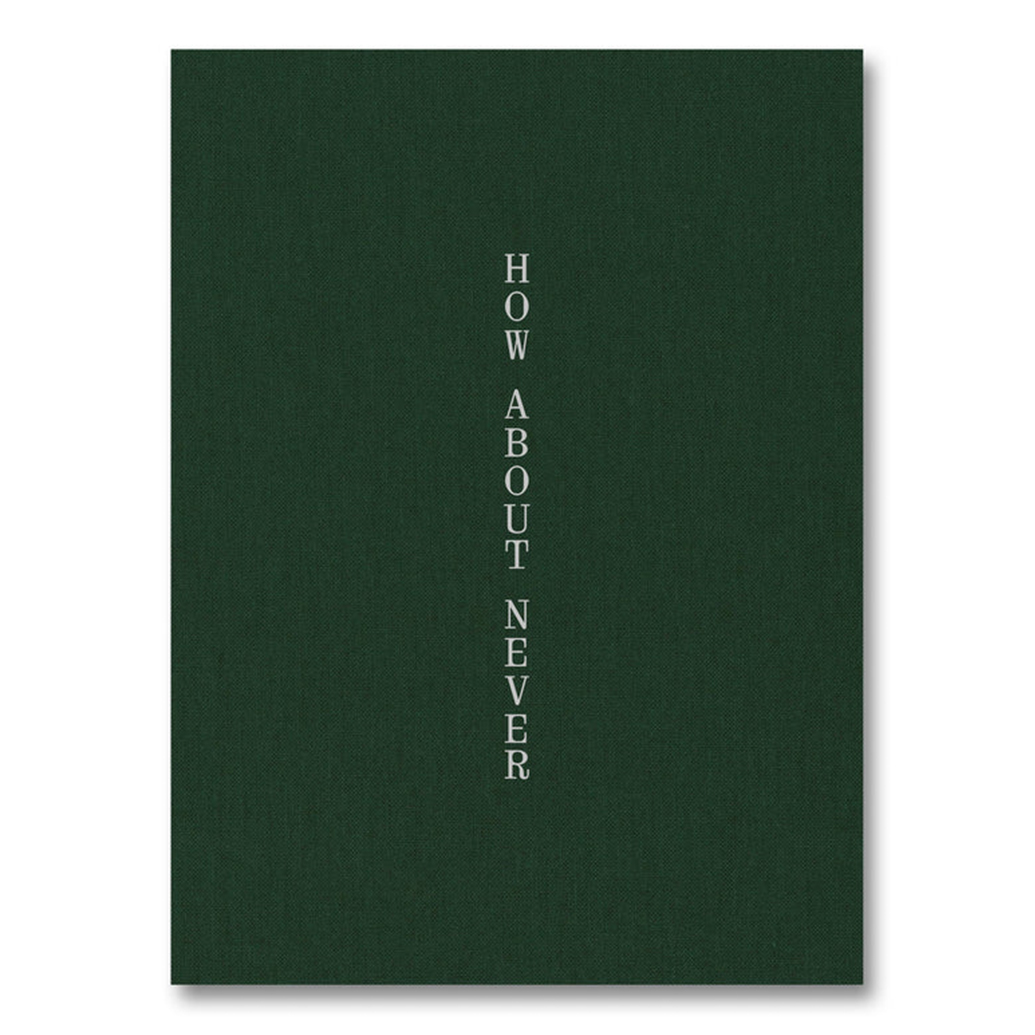
If you want your portraits to feel more intentional, spend time studying framing, expression, and visual storytelling. A photography book like How About Never - Jerry Hsu can be useful inspiration for developing your eye, even if it is not a technical guide. Looking at how photographers use space, timing, and mood can improve your portraits just as much as your next lens purchase.
Conclusion
For beginners, the best budget portrait lens is usually the one that matches your camera, your shooting style, and your willingness to practice. A used 50mm prime, a versatile 28-70mm zoom, or a compact 65mm can all be excellent portrait tools when paired with good light and strong technique. Start simple, learn how focal length changes the look of a face, and focus on consistency before chasing your next upgrade. If you are ready to build a portrait kit without overspending, Unique Photo is a great place to explore used and new options that help you grow with confidence.