FAQ: How to Buy Used Camera Gear Safely and Confidently
Buying second-hand camera equipment can be a smart way to stretch your budget, upgrade sooner, or try a new format without paying full retail pricing. The key is knowing how to evaluate condition, verify the seller, and spot warning signs before money changes hands.
At Unique Photo, we regularly help photographers compare gear options, understand real-world value, and make smarter purchasing decisions. Whether you are shopping locally, online, or meeting another photographer in person, these frequently asked questions can help you approach used gear with confidence.
What should I check first when buying used camera gear?
Start with the essentials: cosmetic condition, functional condition, ownership history, and included accessories. A few light marks on a camera body may be harmless, but damage near lens mounts, battery doors, ports, filter threads, hot shoes, or tripod sockets can indicate rough handling. Ask whether the item has ever been dropped, serviced, exposed to moisture, or used professionally in demanding environments.
For cameras, check shutter count when possible, test autofocus, inspect the sensor, verify memory card writing, and make sure buttons, dials, screens, and ports work properly. For lenses, inspect the glass for scratches, haze, fungus, separation, and excessive dust. Confirm that focus rings and zoom rings move smoothly and that image stabilization and autofocus perform as expected.
If you are still learning how to evaluate gear critically, spending time in photography classes, community events, and local meetups can sharpen your eye. Unique Photo events are also a great way to build connections with experienced photographers who understand what good gear condition looks like.

How can I tell if a used gear seller is trustworthy?
A trustworthy seller is usually transparent, responsive, and specific. Look for clear photos of the actual item, not stock images. A reliable listing should mention age, condition, known issues, included accessories, and serial number availability when appropriate. Sellers who answer questions directly and willingly provide additional images are generally safer than those who avoid details or pressure you to pay quickly.
If you are buying online, review seller history carefully. Consistent positive feedback, detailed prior listings, and a record of camera-related sales can all be helpful signs. If you are buying locally, choose a public meeting place, inspect the equipment carefully, and avoid deals that seem unusually rushed or dramatically underpriced.
Another smart strategy is to connect with the photo community before you buy. Meeting photographers through local walks and events can help you learn who is reputable, what fair prices look like, and which pieces of gear tend to hold up well over time.
What are the biggest red flags when shopping for second-hand equipment?
The biggest warning signs are incomplete descriptions, poor photos, unusually low prices, and sellers who refuse basic verification. Be cautious if a seller will not show the item powered on, cannot answer simple usage questions, or insists on payment methods with little buyer protection. Missing chargers, mismatched serial labels, stripped screws, or obvious signs of impact should also make you pause.
For lenses, be especially careful about fungus and haze, which may not always be obvious in casual images. For cameras, check for corrosion in battery compartments, uneven card slot operation, or sensor issues that could require expensive service. If something feels inconsistent between the seller's description and the product's appearance, trust that instinct and slow down.
Many photographers focus only on the price, but total value matters more. A slightly more expensive item with complete accessories, a clean history, and better condition is often the smarter buy.
Is it better to buy used camera gear online or in person?
Both options can work well, but each has tradeoffs. Buying in person gives you the advantage of immediate inspection and hands-on testing. You can mount a lens, check autofocus, review image files, and assess physical wear before committing. This can be especially helpful for higher-value purchases like camera bodies and fast lenses.
Buying online opens up a much larger market and may give you access to rarer gear, discontinued lenses, or better pricing. However, it requires extra diligence. Request high-resolution images of the actual item, ask targeted questions, and confirm return terms before you purchase. If the listing includes only vague descriptions such as "works great" without evidence, ask for more information.
For many photographers, the ideal approach is a mix of both: learn what to inspect in person, then apply that same checklist when evaluating online listings.
How do I test a used camera or lens before committing?
Bring a memory card, a fully charged compatible battery if possible, and a laptop or tablet if you want to inspect files closely. For cameras, take test shots at different shutter speeds and ISO settings, review the files for sensor dust or banding, and test autofocus in both bright and dim conditions. Check burst shooting, video recording, playback, touchscreen response, and all external ports you expect to use.
For lenses, photograph detailed subjects at different apertures to look for decentering or softness. Test autofocus accuracy, manual focus feel, stabilization, and zoom consistency if applicable. Also inspect the lens mount for wear and verify that filter threads are not bent or cross-threaded.
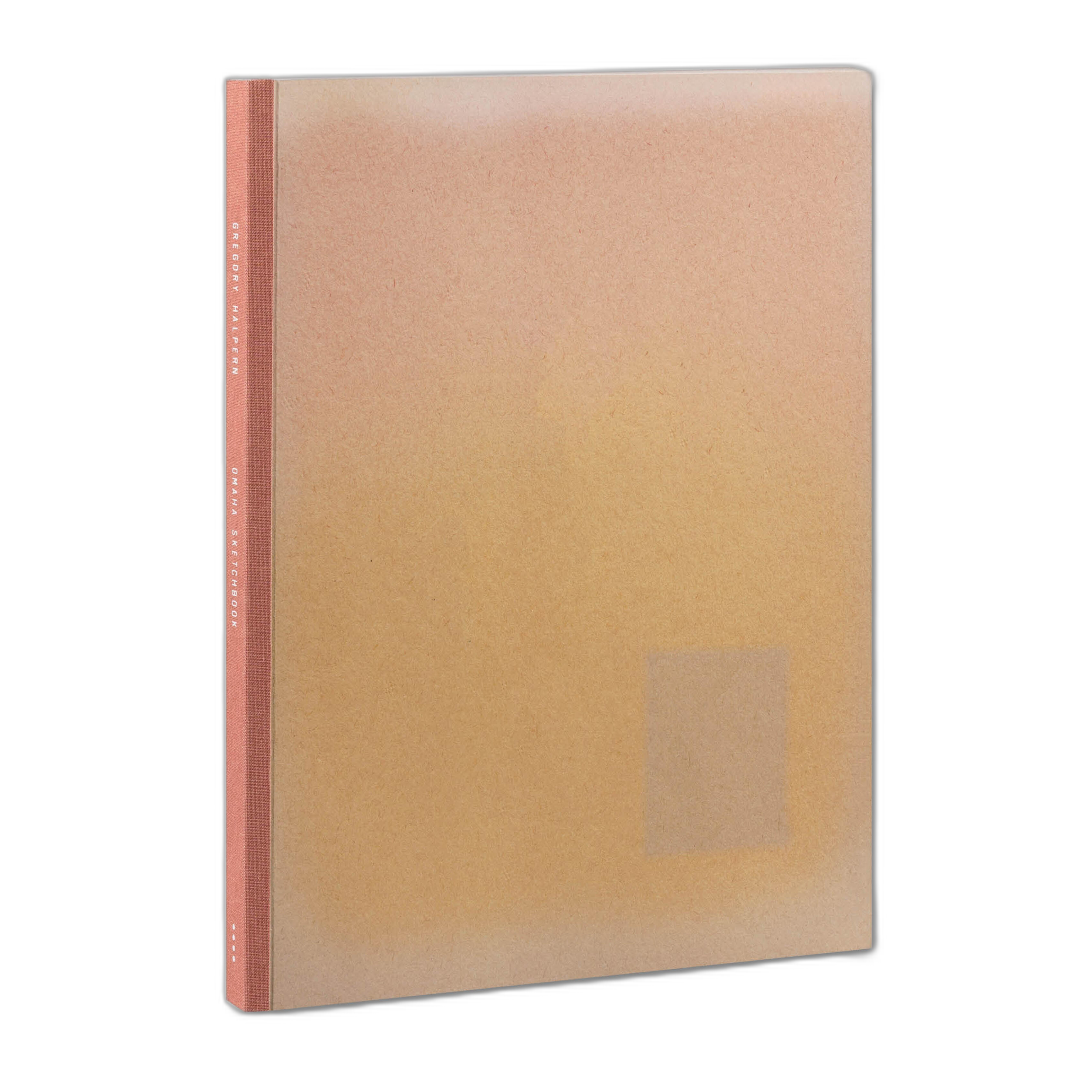
It can also help to develop your eye by studying strong photographic work and learning how image quality, rendering, and lens character affect the final frame. Photography books available at Unique Photo can help you better understand visual nuance while you evaluate tools and output.
How do I know if the asking price is fair?
Compare several recent sales of the same model in similar condition, not just active listings. Consider shutter count, cosmetic wear, included accessories, original packaging, battery health, and whether the item has been serviced. A lens with the original hood, caps, case, and box may justify a higher price than a bare lens in only average condition.
Condition grading also matters more than many buyers realize. "Excellent" should not mean "heavily worn but functional." Ask sellers to define their grading in practical terms and back it up with close-up images. If a seller claims mint condition, you should expect very little visible wear and excellent function.
Do not forget to factor in the possible cost of cleaning, calibration, or repairs. A bargain can stop being a bargain quickly if the sensor needs service or the lens has hidden optical problems.
Should I worry about older used gear if it still works?
Older equipment can still be an excellent buy, especially if it was well cared for and meets your actual needs. Many photographers purchase older lenses for their rendering, build quality, or value. That said, age can affect battery availability, spare parts support, firmware compatibility, and long-term serviceability.
Before buying older gear, make sure you can still get essential accessories and confirm that the camera or lens works well with your current system. If you rely on a tool professionally, newer gear with stronger support may be the safer choice. If you are experimenting, learning, or building a personal kit on a budget, older gear may be a very practical option.
Education helps here too. Workshops and classes can give you better context for deciding whether a classic lens, older body, or niche system is truly right for your style of photography.
What is the safest way to pay for used camera gear?
Use payment methods that offer documentation and some degree of buyer protection whenever possible. Avoid cash for high-value transactions unless you have thoroughly inspected the item in person and are comfortable with the seller. For shipped purchases, keep all communication in writing, save the listing details, and confirm exactly what is included before paying.
If you are meeting locally, choose a public place and take your time testing the item. There is no benefit in rushing through a camera purchase you may use for years. If a seller pushes back on reasonable inspection or becomes impatient when you test features, that is often a sign to walk away.
What if I am new to photography and not confident enough to inspect used gear alone?
If you are new to camera equipment, bring a knowledgeable friend or build your confidence before buying. Community events, photowalks, and educational sessions are excellent places to learn the basics of camera handling, lens evaluation, and practical shooting. Talking with experienced photographers can help you understand what wear is normal, what damage is serious, and which products make sense for your goals.
Unique Photo regularly offers opportunities to connect with photographers in a real-world setting, which can be incredibly valuable if you are deciding between buying used, buying new, or waiting for the right piece of gear.
Buying used camera gear does not have to feel risky if you follow a clear process, inspect carefully, and stay patient. If you want help choosing the right equipment, comparing options, or building your photography knowledge before your next purchase, visit Unique Photo online or join one of our events and classes to shop smarter with confidence.