Buying Used Camera Gear Safely: FAQ, Red Flags, and Smart Shopping Tips
Buying used camera gear can be one of the smartest ways to expand your kit, try a new format, or step into premium optics without paying new-product pricing. The key is knowing what to inspect, which warning signs matter, and how to shop from a trusted source that clearly communicates condition, function, and value.
At Unique Photo, we help photographers make confident used-gear decisions every day, whether they are shopping for film cameras, vintage lenses, medium format optics, or compact point-and-shoot models. Below are the most common questions we hear about buying used camera gear safely.
What are the biggest advantages of buying used camera gear?
Used gear often gives photographers access to higher-end equipment at a more approachable price. That can mean stepping up to specialty lenses, exploring film photography, or adding a second system for a specific look or shooting style. It is also a practical way to find discontinued classics that still offer excellent image quality and distinctive rendering.
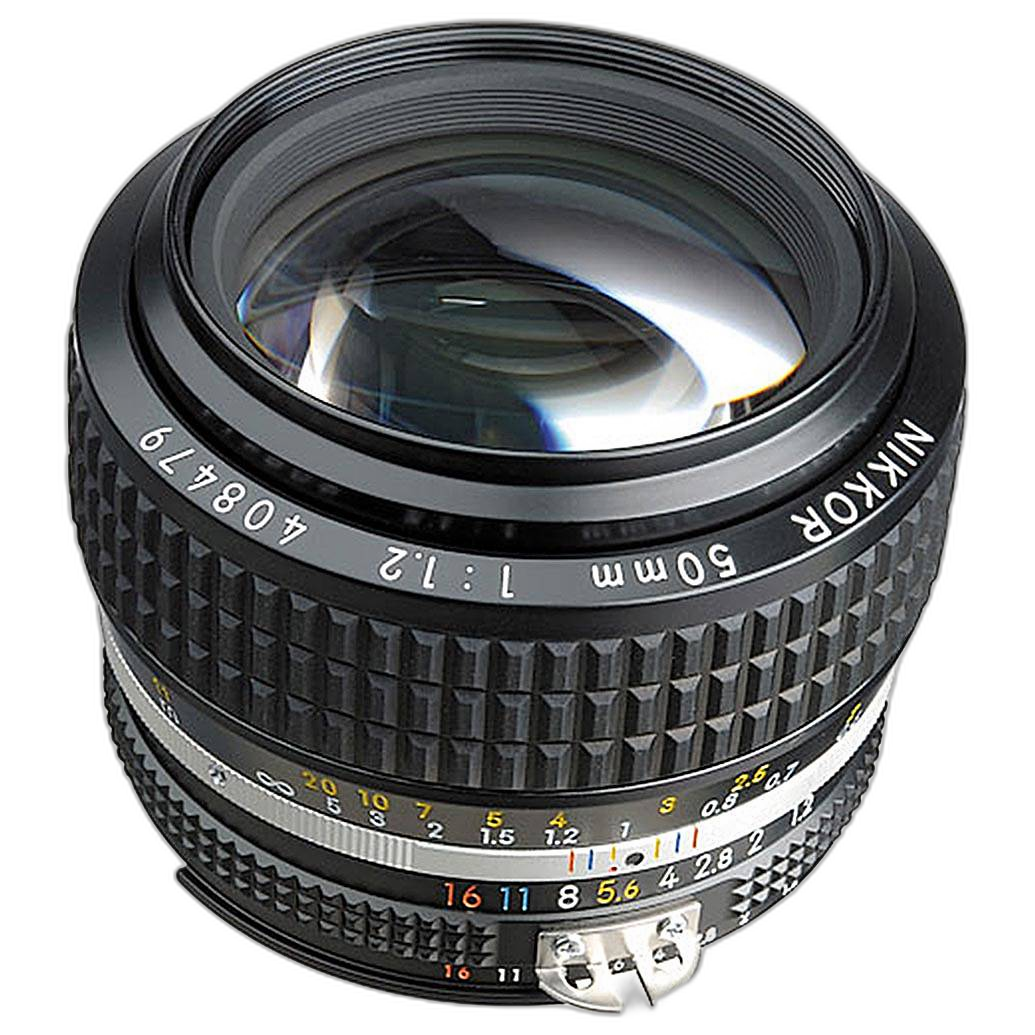
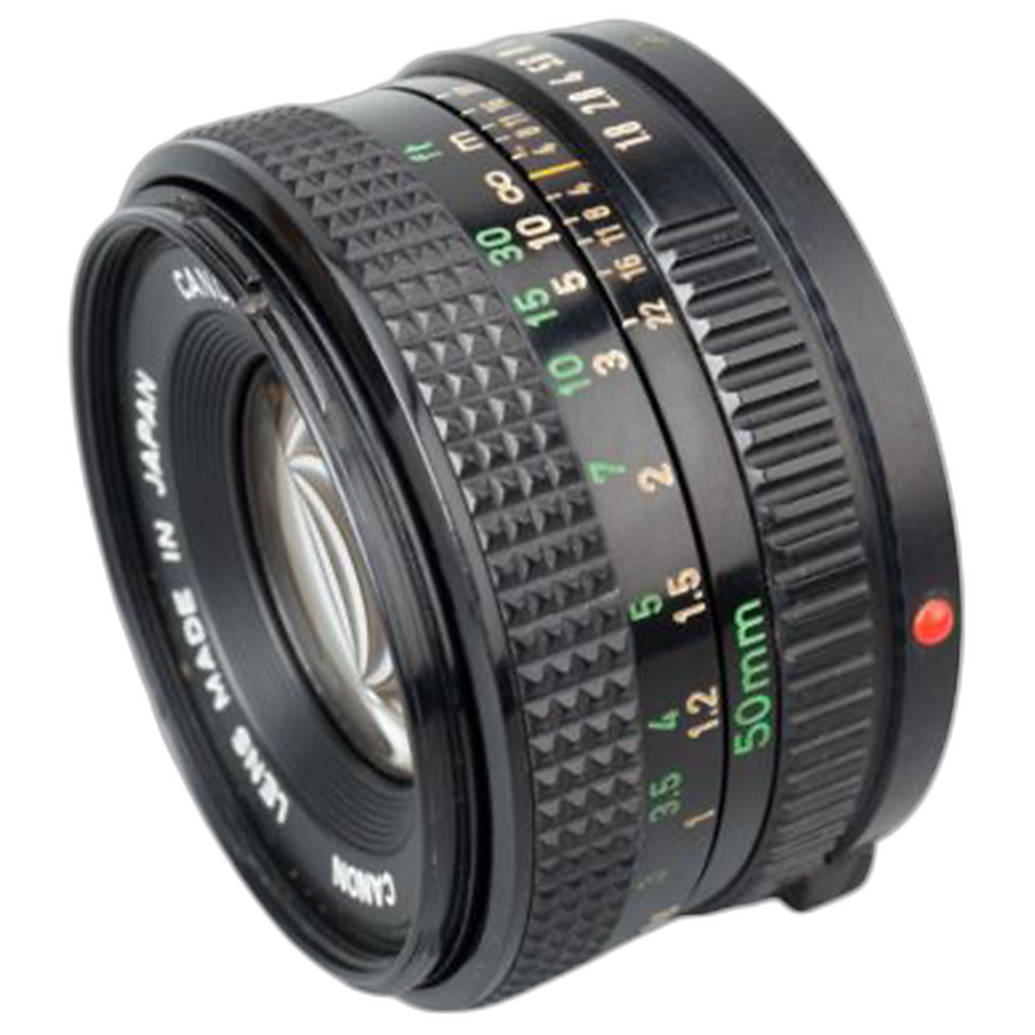
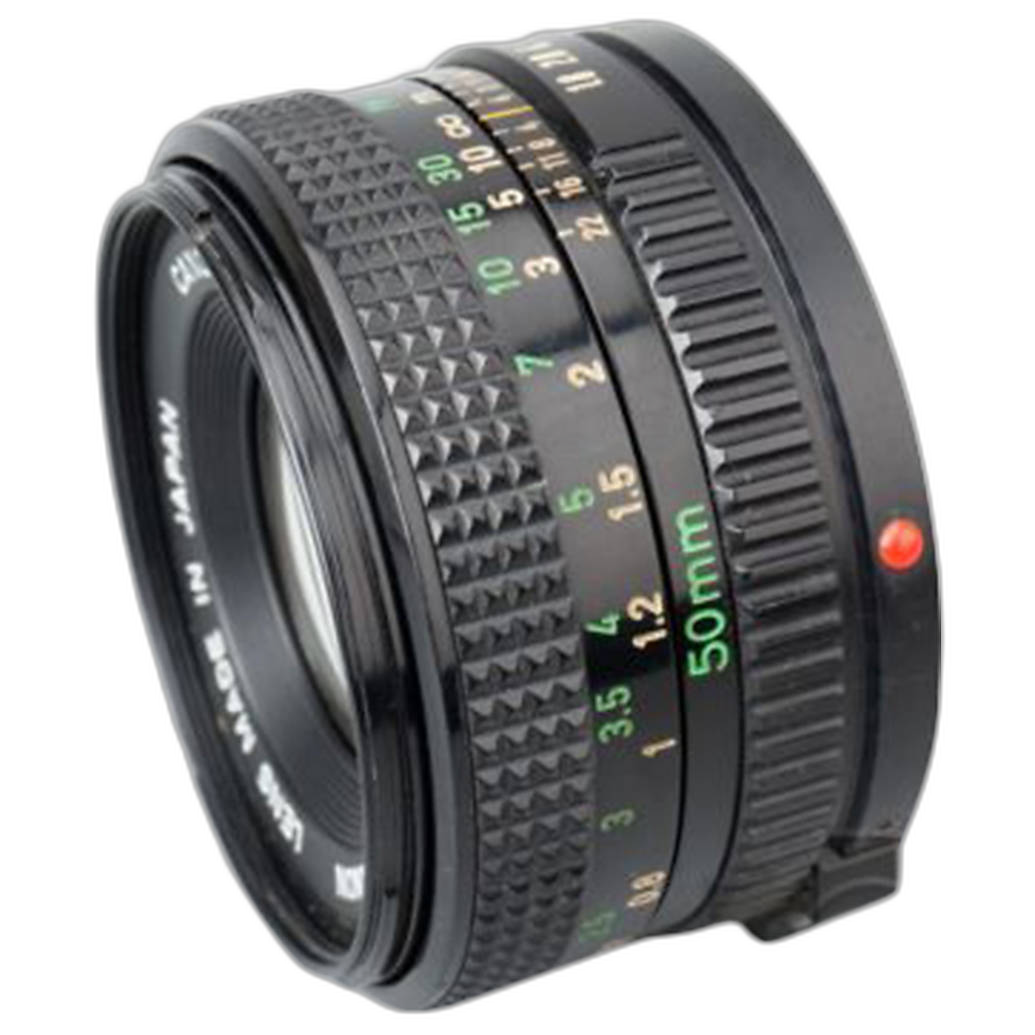
For example, a lens like the Used Nikon 50mm f/1.2 Ai - Good can be especially appealing to photographers who want a fast manual-focus prime with vintage character. Likewise, photographers interested in classic manual-focus systems may appreciate an option like the Used Canon FD 50mm f/1.8 Lens - Good, which can be a cost-effective entry into vintage glass.
When purchased carefully, used gear can deliver excellent performance and value while keeping more of your budget available for film, memory cards, bags, straps, or lighting accessories.
What should I check first when evaluating a used camera or lens?
Start with the overall condition grade and the seller's description. Cosmetic wear is not always a problem, but it should match the listed condition. Then look closely at the key functional points: shutter operation, aperture response, focusing smoothness, mount integrity, viewfinder condition, and battery compartment cleanliness where applicable.
For lenses, inspect glass condition carefully. Minor exterior wear may be acceptable, but haze, fungus, element separation, heavy scratches, or oil on aperture blades can affect performance and long-term reliability. For camera bodies, check film advance, shutter speeds, rewind function, metering, hot shoe condition, and door seals on film models.
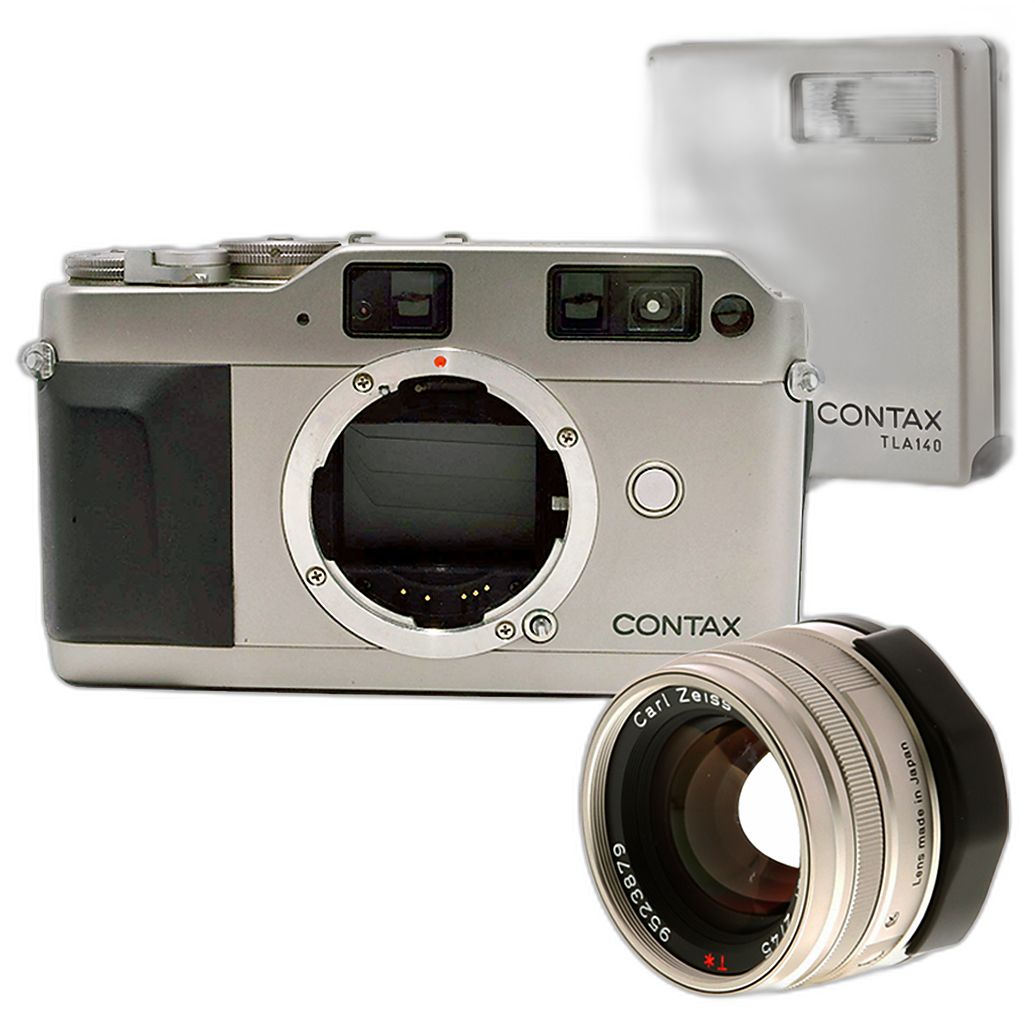
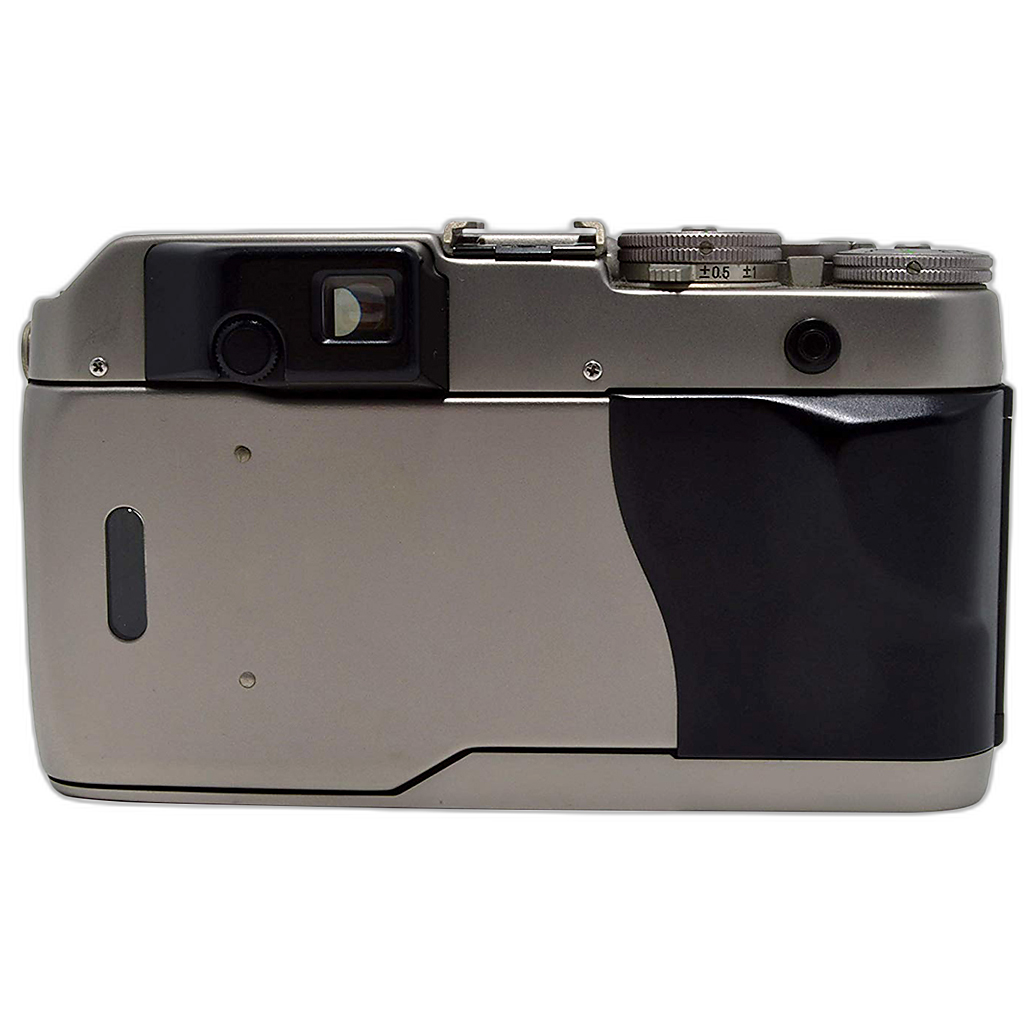
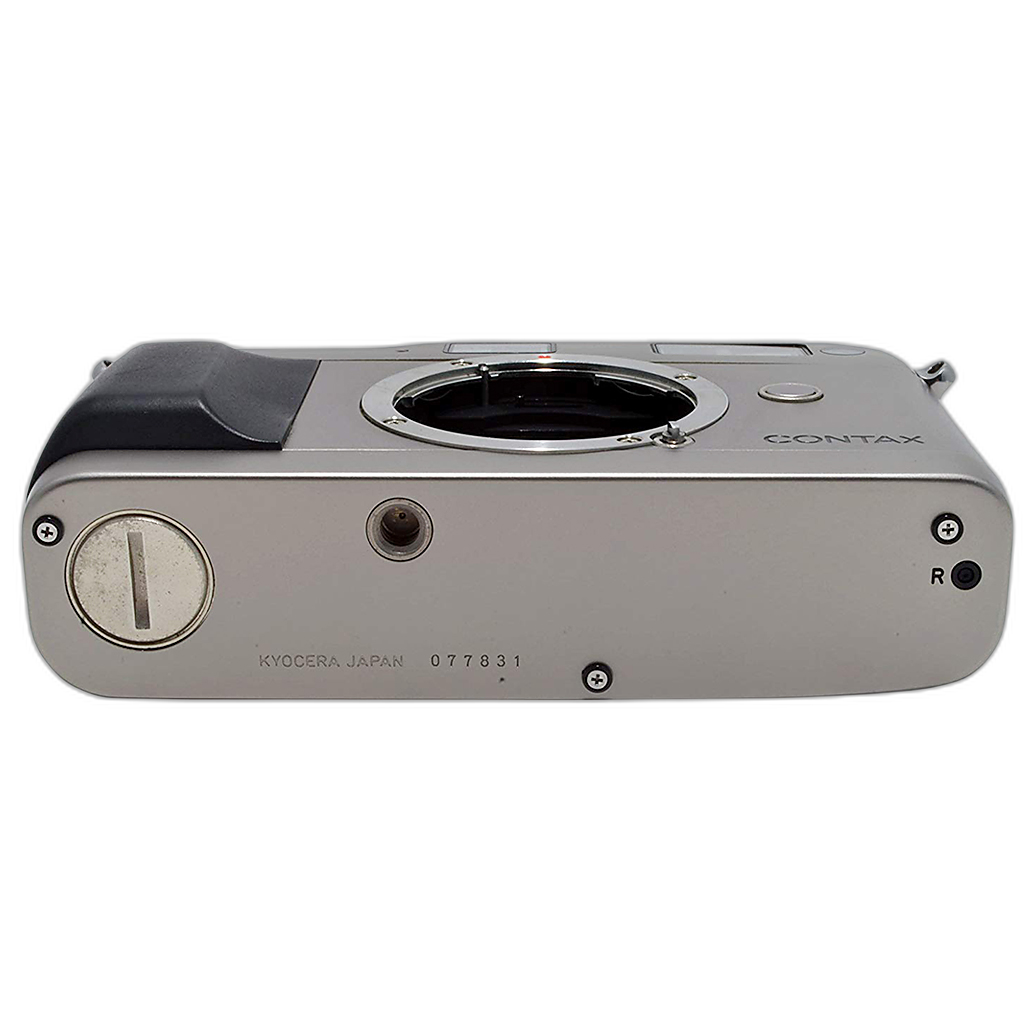
If you are shopping for a compact film camera such as the Used Contax G1 w/ 45mm f/2 and TLA140 Flash - Good, it is especially important to confirm autofocus operation, viewfinder clarity, battery function, and flash communication. With interchangeable lenses, confirm that the mount locks positively and that all controls operate as expected.
What are the biggest red flags when buying used camera gear?
The most common red flags are incomplete descriptions, vague condition reporting, signs of impact damage, corrosion in battery compartments, missing critical accessories, and prices that seem unrealistically low for the item. Another major warning sign is when a seller cannot clearly explain what has or has not been tested.
You should also pay attention to wording. An item listed as as is or one that explicitly notes a repair need should be approached very differently from a tested, working item. That does not automatically make it a bad purchase, but it does mean the buyer should understand the risk and potential service cost before committing.
For example, a product such as the Used Ermanox Ernemann Camera With 100MM F/2 - As Is *Needs Shutter Replaceme is better suited to collectors, restorers, or advanced buyers who are specifically looking for a project piece. In contrast, a condition-rated item in good or excellent shape is generally a more practical choice for photographers who want to start shooting right away.
How important is condition grading on used gear?
Condition grading is one of the most helpful tools when comparing used equipment. A grade such as good or excellent gives you a quick sense of expected cosmetic wear and general preservation, but it should still be backed by a meaningful description and clear product photos.
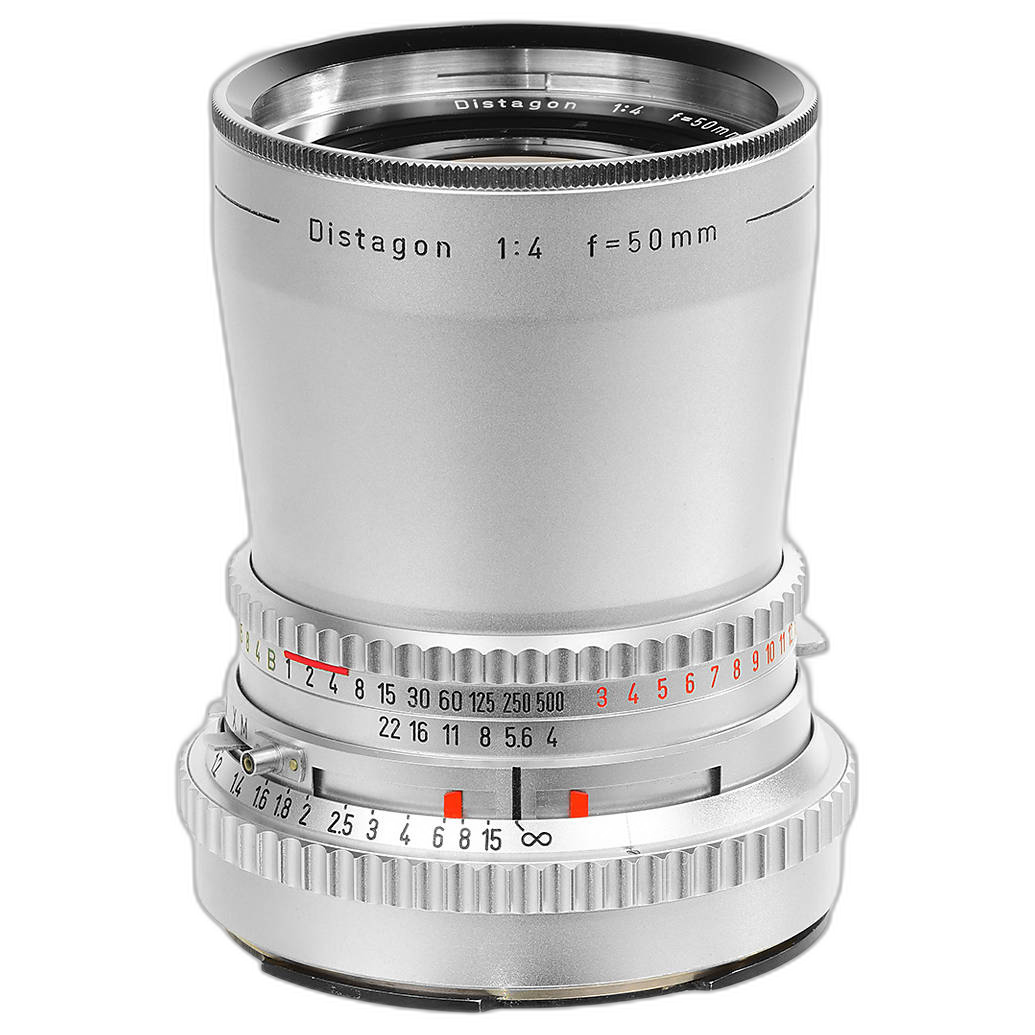
For instance, the Used Hasselblad 50MM F/4 CF T* - Excellent suggests a higher cosmetic and functional standard than a more heavily used item. That can matter significantly for medium format photographers who want dependable mechanics and well-preserved optics in a lens that may be used for landscape, architecture, or studio work.
Likewise, a lens graded as good, such as the Used Canon FD 50mm f/1.8 Lens - Good, may show normal signs of use while still offering strong practical value. The grade should help set expectations, not replace a proper inspection.
Is it safer to buy used lenses than used camera bodies?
In many cases, yes. Lenses are often simpler to evaluate because you can check glass condition, aperture movement, focus feel, and mount wear relatively directly. Camera bodies, especially older electronic film cameras and compact point-and-shoots, can have more failure points including shutters, meters, electronics, LCDs, motors, and flash systems.
That said, lens purchases still require care. Vintage lenses can suffer from fungus, haze, or mechanical stiffness, and some medium format or specialty optics may be more expensive to service. A lens such as the Used Nikon Nikkor-W 135MM F/5.6 - Excellent may appeal to photographers working with large format systems, but the buyer should still confirm that the shutter or mounting components associated with the system are in suitable condition for use.
If you are just getting started with used gear, a straightforward prime lens is often a lower-risk introduction than a complex compact film camera. Once you gain confidence reading listings and evaluating condition, expanding into bodies becomes easier.
Should I buy vintage film cameras and lenses, or are they too risky?
Vintage gear can be a fantastic investment in creativity, but it is best approached with realistic expectations. Mechanical cameras and manual-focus lenses can remain usable for decades, especially when they have been cared for properly. They also offer a tactile shooting experience and unique rendering that many photographers actively seek out.
A classic setup like the Used Contax G1 w/ 45mm f/2 and TLA140 Flash - Good can be a compelling option for photographers who want premium compact film image quality. Similarly, the Used Canon FD 50mm f/1.8 Lens - Good or Used Nikon 50mm f/1.2 Ai - Good can help build a distinctive vintage lens kit.
Risk increases when an item is untested, listed for parts, or known to need repair. Vintage gear is worth considering, but matching the purchase to your experience level is important. If you want dependable everyday use, prioritize examples with clear condition notes and a reputable seller.
How can I tell whether a used deal is actually worth the money?
A good deal is not just about the lowest price. It is about balancing price, condition, rarity, included accessories, and likely service needs. A camera or lens that costs a little more but has been accurately graded and clearly described can be the better long-term value compared with a cheaper item that needs immediate repair.
Included accessories matter too. A camera package that includes a lens and flash, like the Used Contax G1 w/ 45mm f/2 and TLA140 Flash - Good, may represent stronger value than buying each component separately. Likewise, desirable lenses with cult appeal, such as the Used Nikon 50mm f/1.2 Ai - Good, may command a premium because of their shooting character and enthusiast demand.
Think through your intended use. If you want a practical everyday carry film camera, a compact model such as the Used Konica Big Mini Zoom TR BM-610Z may be more useful than a collectible body that spends more time on a shelf. If you want medium format image quality, paying more for a well-kept lens like the Hasselblad 50mm may make better sense than compromising on condition.
What accessories should I add when buying used gear?
Accessories can help protect your investment and make a used purchase more enjoyable to use right away. One of the simplest upgrades is a comfortable, reliable camera strap. The PGYTECH Camera Strap Slim - Vintage-Olive Green is a smart addition for photographers carrying a used film body or compact camera day to day.
Depending on the gear, you may also want fresh batteries, protective caps, a case, cleaning supplies, or film if you are buying an analog camera. For lenses, front and rear caps are important, and for older gear, safe storage and routine cleaning go a long way toward preserving performance.
Why buy used camera gear from Unique Photo?
Buying used equipment from a trusted camera retailer gives you more confidence than navigating unknown listings on your own. At Unique Photo, photographers can shop curated used gear with clear product identification, condition information, and professional retail support. That matters whether you are considering a classic rangefinder-style film kit, a vintage SLR lens, or a specialty medium format optic.
Our used selection regularly includes sought-after items such as the Used Contax G1 w/ 45mm f/2 and TLA140 Flash - Good, the Used Canon FD 50mm f/1.8 Lens - Good, the Used Nikon 50mm f/1.2 Ai - Good, and the Used Hasselblad 50MM F/4 CF T* - Excellent. Shopping through Unique Photo makes it easier to compare options and choose gear that fits your shooting style and budget.
If you are ready to explore used camera gear with more confidence, browse the used department at Unique Photo and find a camera or lens that helps you shoot more, experiment more, and get more value from every dollar you spend.