Ethics and Editing in Photo Contests: What’s Allowed and What’s Not
Entering a photo contest is exciting—until you’re weighing what edits are acceptable. While every competition has its own rules, there are consistent standards around what’s considered ethical post-processing and what crosses the line. Here’s our expert guide to help you submit confidently and responsibly.
What kinds of edits are usually allowed in photo contests?
Most general photography contests permit basic, global adjustments that correct technical issues without altering scene content. Typical allowances include:
- Exposure, contrast, and white balance corrections
- Color grading and monochrome conversions
- Cropping, straightening, and perspective correction
- Localized dodging/burning and clarity adjustments
- Lens profile corrections, noise reduction, and sharpening
- Sensor dust removal
Always read the specific rules. Some categories (e.g., photojournalism or nature) are stricter than open or creative categories.
What edits are typically prohibited or require disclosure?
Most contests prohibit altering the factual content of an image unless a creative or digital art category explicitly allows it. That commonly means no adding or removing subjects, no sky replacement, and no content-aware fill to erase distracting elements. Many organizers now also ban AI-generated or AI-synthesized content. When composites, heavy retouching, or stitched images are permitted, clear disclosure is the norm—often in a caption or edit notes field.
How should I disclose significant edits and special techniques?
Be concise and specific. If you used a multi-exposure blend, focus stack, panorama stitch, or specialized lighting, state it. For techniques like light painting, UV/fluorescence, or long exposures, note the tools and approach so judges can evaluate fairly. For example, if you’re inspired by fluorescence photography similar to what we explore on our Sterling Hill Mine excursion, mention the light sources and exposures you used.

Are HDR, panoramas, and focus stacking acceptable?
It depends on the category. Creative and open categories usually allow these techniques, provided all frames are yours and captured at the same scene. Nature and photojournalism categories may restrict multi-image techniques or require that the composite reflects a single, truthful moment. Always keep your source frames for verification. If you want to refine your in-camera approach to minimize heavy edits, a hands-on workshop is a great way to build ethical capture techniques.
What files or proof might judges request to verify authenticity?
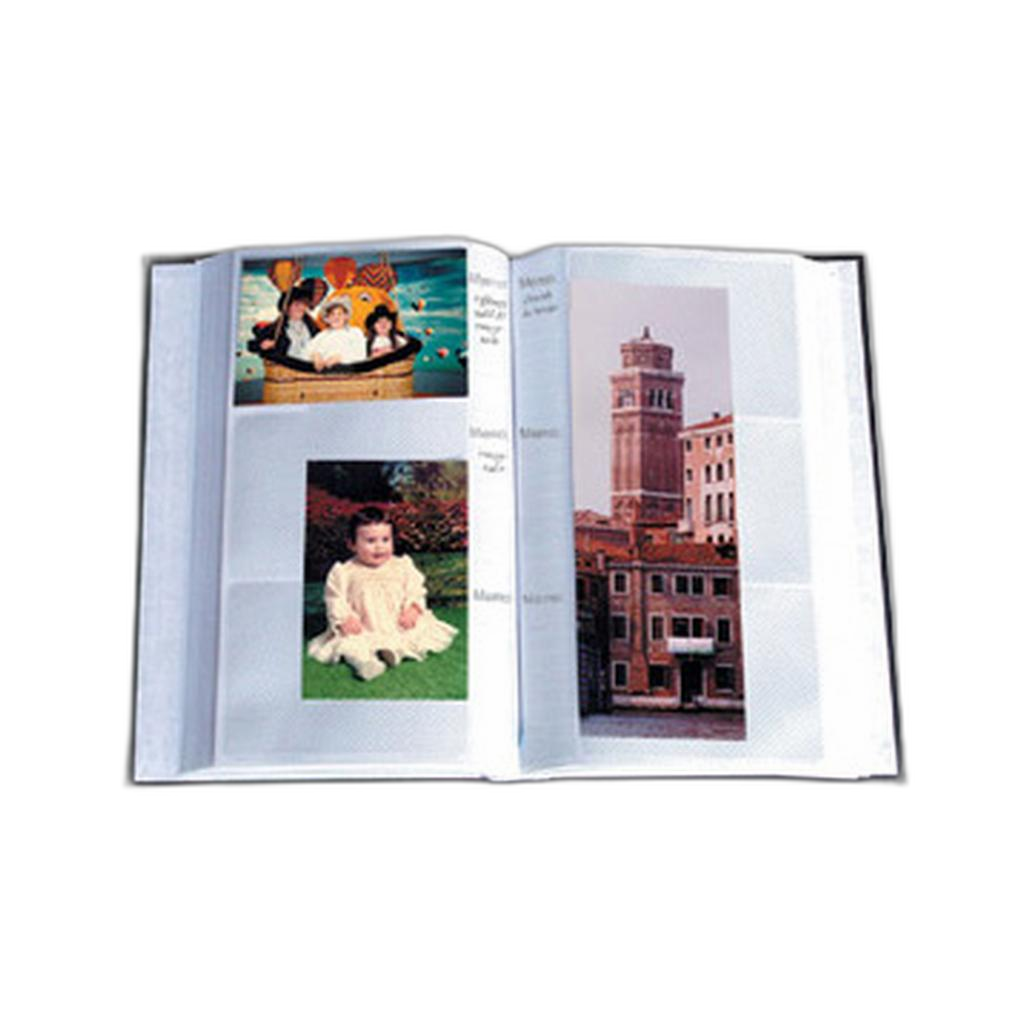
Expect requests for your original RAW files (or unedited JPEGs), along with EXIF metadata. In some cases, organizers may ask for the bracket set used in an HDR, the frames used in a focus stack or panorama, or your editing history. Keep your originals, sidecar files, and a simple versioning system. For your own tracking, maintain a physical portfolio of test prints and winning versions—helpful when you return to a series later.

Do print submissions have different ethical or technical considerations?
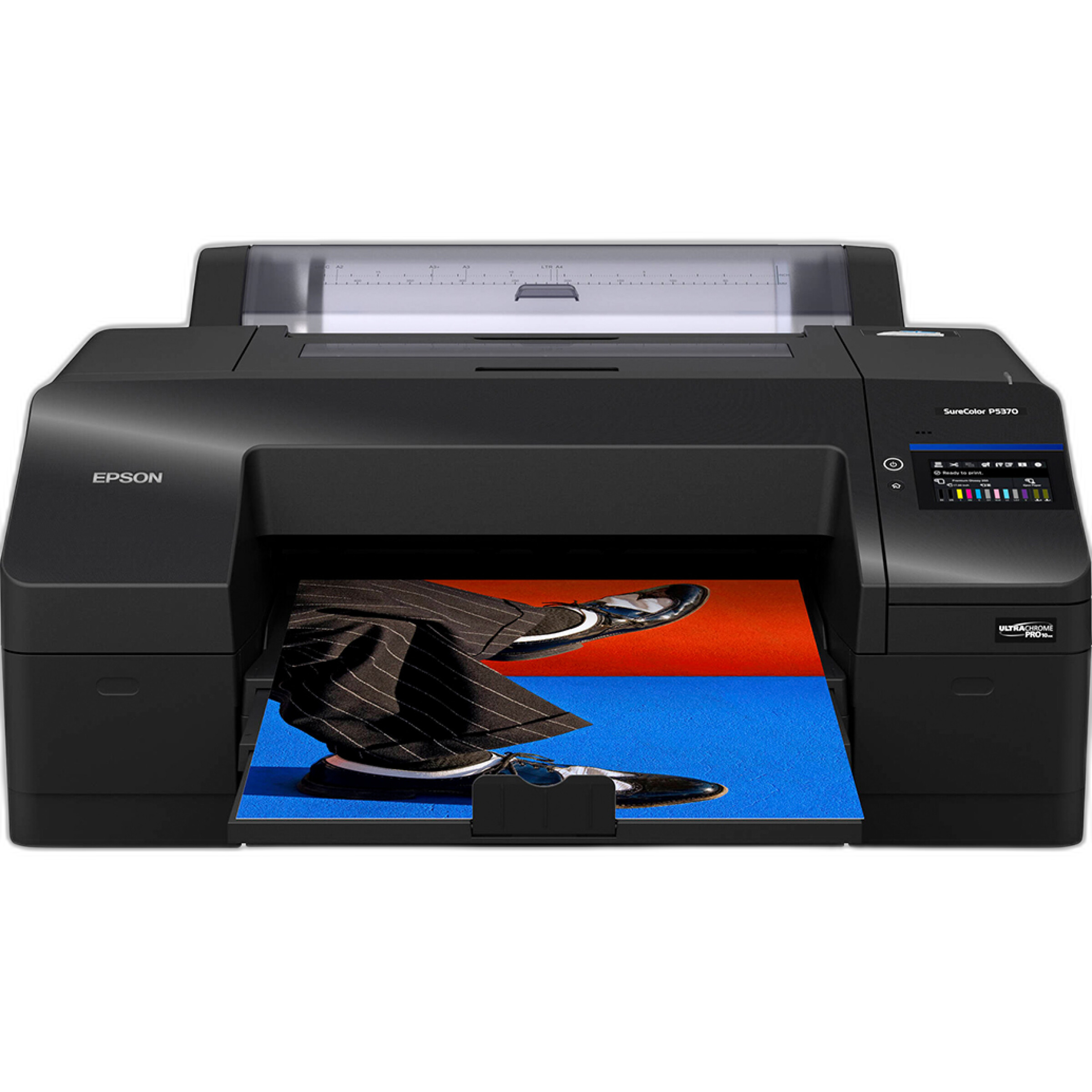
The ethics around content remain the same for prints, but you’ll want to ensure your output matches your digital intent. Calibrate your workflow and make a test print before submitting. A dependable printer and the right paper stock can elevate presentation without misrepresenting your image. For example, the Epson SureColor P5370 delivers superb tonal accuracy and detail, while a metallic stock can add depth and brilliance to high-contrast scenes.
How much retouching is appropriate for portraits and people?
Moderate skin retouching to address temporary blemishes, stray hairs, or minor distractions is often acceptable—especially in open categories—so long as the person remains recognizable and the retouching doesn’t cross into body modification or misrepresentation. Steer clear of removing permanent features, drastically altering body shape, or changing wardrobe and background elements unless you’re entering a clearly marked creative category and disclosing the work.
What’s a quick checklist to stay compliant and competitive?
- Read the rules for your specific category—twice.
- Capture ethically: no baiting wildlife, trespassing, or unsafe conduct.
- Keep originals and export with intact EXIF when required.
- Limit edits to global or non-deceptive adjustments unless disclosure is permitted.
- Prepare accurate prints: soft-proof, test, evaluate, and finalize.
- Maintain an organized archive of versions and prints for verification.
- If in doubt, ask the organizer or choose a creative category with proper disclosure.
Whether you’re refining in-camera technique or perfecting contest-ready prints, Unique Photo can help. Explore hands-on workshops through Unique University, fine-tune your output with professional printers and papers, and organize your winning portfolio with quality albums. Visit us online or in-store to get expert guidance and the gear that supports ethical, award-worthy photography.