If you’re torn between the Sony FX3 and Panasonic S5IIX for professional video work, you’re not alone. Both cameras deliver cinematic image quality, robust codecs, and all-day reliability in compact bodies. This guide breaks down what matters most for working shooters—from low light and autofocus to codecs, rigging, and live workflows—so you can choose confidently and get to work. As always, Unique Photo can help you build the right kit around either system.
Sony FX3 vs Panasonic S5IIX: Key takeaways at a glance
- Image quality: Both offer excellent dynamic range and 10-bit 4:2:2 log workflows (S-Log3 vs V-Log).
- Low light: FX3’s lower-resolution full-frame sensor excels in very dim environments.
- Autofocus: Sony’s subject tracking still leads; Panasonic’s PDAF on S5IIX is a big leap and very usable.
- Stabilization: S5IIX has class-leading IBIS for handheld; FX3’s IBIS is good, especially with “Active” e‑stab.
- Codecs/media: FX3 records XAVC S-I All‑I to CFexpress Type A/SD; S5IIX adds ProRes to USB-SSD and strong All‑I to SD.
- Monitoring/tools: Both support LUT monitoring; S5IIX adds waveform/vectorscope; FX3 adds Cine EI and LUTs via firmware.
- Rigging & audio: FX3 includes an XLR handle; S5IIX uses the optional DMW‑XLR1 for pro audio.
- Live/remote: S5IIX offers built‑in wired/wireless live streaming; FX3 leans on HDMI/USB and external solutions.
Image quality and dynamic range: S-Log3 vs V-Log
Both cameras deliver flexible, grading‑friendly footage. The FX3’s S‑Log3/S‑Gamut3.Cine with S‑Cinetone gives you a cinematic starting point and a reliable path to match other Sony Cinema Line bodies. Panasonic’s V‑Log/V‑Gamut on the S5IIX is equally production‑proven and integrates smoothly with EVA1/Varicam color pipelines. In practice, both offer competitive dynamic range in controlled and run‑and‑gun scenarios.
Low light and noise performance
If you routinely shoot in controlled chaos—concerts, events, documentary night work—the FX3 is the safer bet. Its full‑frame, lower‑resolution sensor and tuned noise processing yield exceptionally clean 4K at high ISOs. The S5IIX’s dual‑gain sensor performs well too, but the FX3 maintains an edge for extreme low light without sacrificing color fidelity.
Autofocus reliability for professional sets
Sony’s subject detection and sticky tracking remain class‑leading, particularly for human/eye AF in unpredictable situations. The S5IIX’s leap to phase‑detect AF is meaningful and reliable for many pro scenarios—interviews, events, and gimbal work—though Sony still holds a slight advantage for fast‑moving subjects or complex backlit scenes.
Stabilization and handheld work
Handheld operators will appreciate Panasonic’s standout IBIS with sophisticated electronic stabilization options for a smoother, walking shot. Sony’s 5‑axis IBIS plus Active mode is solid for lock‑offs, fast reframes, and light movement, but for gimbal‑like steadiness without a gimbal, the S5IIX is stronger.
Codecs, bitrates, and media
- Sony FX3: 10‑bit 4:2:2 XAVC S‑I All‑I and Long‑GOP options up to 4K/120p recorded to dual CFexpress Type A/SD UHS‑II slots. RAW output over HDMI to compatible recorders is available for higher‑end workflows.
- Panasonic S5IIX: 10‑bit 4:2:2 All‑I and Long‑GOP to dual SD UHS‑II cards, plus ProRes 422 HQ/422 recording direct to a USB‑connected SSD. It also supports 12‑bit RAW output over HDMI to compatible recorders. Open‑gate 6K options make it a strong choice for reframing and anamorphic workflows.
If you value internal All‑I to affordable media with minimal accessories, both deliver. If direct ProRes to SSD and 6K open‑gate are must‑haves, S5IIX pulls ahead.
Monitoring, LUTs, and exposure tools
Both cameras support user LUT preview for consistent monitoring on set and easier hand‑offs to editors and clients. Panasonic adds waveform and vectorscope monitoring, which many DPs prefer for exposure discipline. Sony’s recent firmware for the FX3 adds Cine EI and expanded monitoring options, making it easier to align with FX6/FX9 workflows.
Audio and rigging for set work
The FX3 includes an XLR handle that interfaces digitally via the Multi‑Interface Shoe—great for lean documentary rigs or quick interview setups with professional microphones. The S5IIX pairs with the optional DMW‑XLR1 for two XLR inputs and clean audio capture. Neither camera includes internal ND filters, so plan for variable NDs or a matte box for exterior work.
Connectivity, live streaming, and remote production
Both cameras output clean HDMI for switchers and recorders. The S5IIX adds built‑in wired/wireless IP streaming and direct USB‑SSD recording, making it a versatile hub for one‑person productions, remote clients, and hybrid live/recorded shows. If your workflow leans heavily on immediate delivery, live switching, or remote collaboration, the S5IIX is particularly attractive.
Need true broadcast‑style, all‑day live streaming in multi‑cam environments? Unique Photo also carries dedicated connected and PTZ cameras designed for 24/7 reliability:
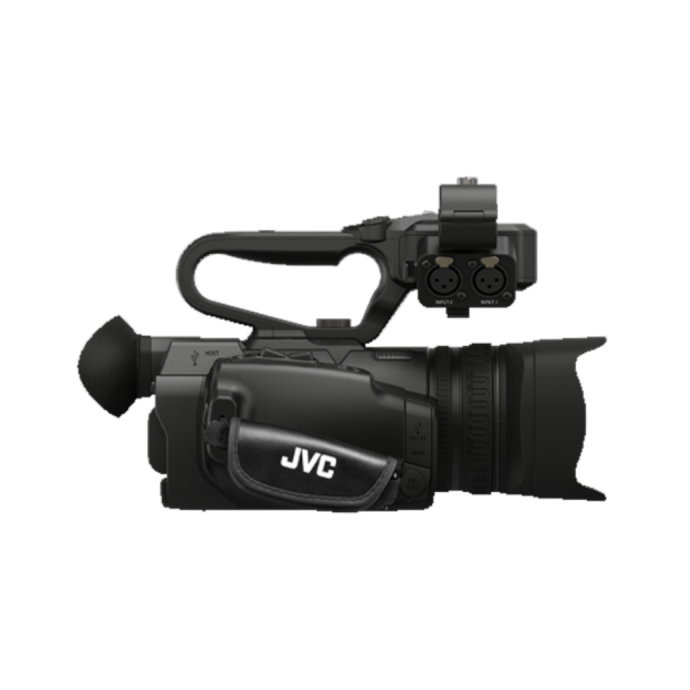
JVC GY‑HC500U Connected Cam 1‑inch 4K camcorder – a robust shoulder‑friendly handheld with professional connectivity for ENG and live workflows.
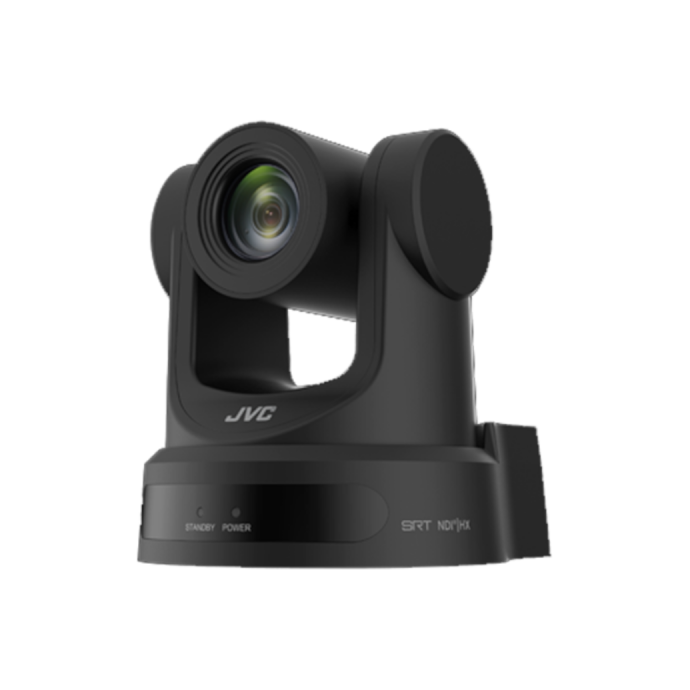
JVC KY‑PZ200N NDI|HX PTZ camera – an excellent studio or house‑of‑worship option with NDI|HX for easy networked video over IP and remote control.
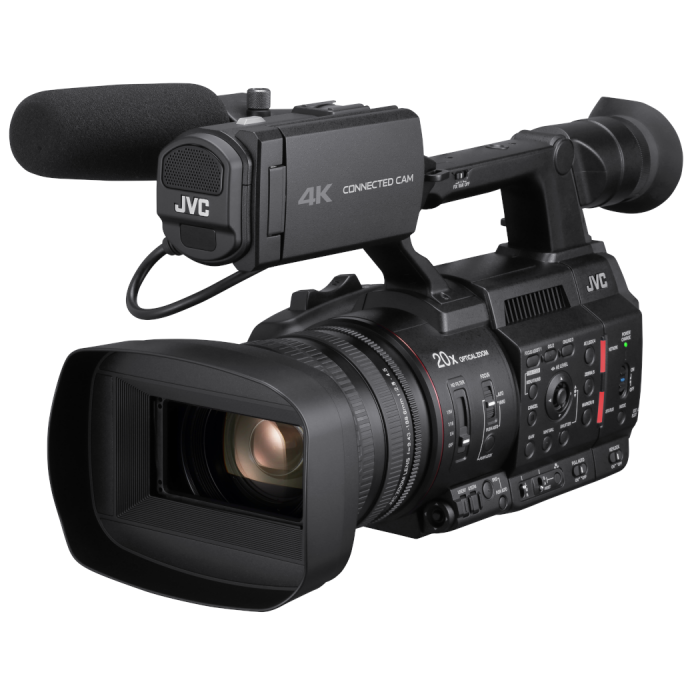
JVC GY‑HC500MC Connected Cam – a connected handheld with 20x optical zoom and accessory options for adaptable field production.
Lenses and ecosystem considerations
- Sony E‑mount: Massive native and third‑party lens selection, including power zooms and cine glass. Great for owner‑operators who need specialty lenses or fast AF zooms.
- L‑Mount (Panasonic/Sigma/Leica): A fast‑growing ecosystem with excellent primes and zooms, strong Sigma support, and cine options. Availability is very good for most focal lengths.
Think beyond the body: the availability of the exact lenses (and autofocus behavior with them) you need can be a deciding factor. Unique Photo can help you test key lenses in‑store.
Reliability, thermal design, and power
Both bodies use active cooling and are designed for long, uninterrupted recording. Expect solid thermal performance for interviews, events, and multi‑hour shoots. Both support USB power delivery for extended sessions—use high‑quality PD power banks or AC adapters and certified cables.
Which camera is right for you?
- Choose Sony FX3 if you frequently shoot in very low light, need the most reliable subject tracking AF, and value the included XLR handle for lean pro audio.
- Choose Panasonic S5IIX if you want internal 10‑bit 4:2:2 to SD plus ProRes to SSD, open‑gate 6K for reframing/anamorphic, top‑tier IBIS for handheld, and built‑in IP streaming.
Truthfully, you can produce broadcast‑quality work with either. The best choice hinges on your priority: Sony for ultimate AF/low light and Cinema Line synergy; Panasonic for codec flexibility, open‑gate options, and live/remote features.
Accessories to budget for
- Media: CFexpress Type A (FX3) and/or V90 SD UHS‑II; high‑speed SD for S5IIX; a reliable USB‑C SSD for ProRes on S5IIX.
- Monitoring: On‑camera monitors/recorders (e.g., Atomos) for ProRes/RAW and client viewing.
- Audio: Shotgun mics, wireless kits; Sony XLR handle is included with FX3; consider Panasonic DMW‑XLR1 for S5IIX.
- Filtration: Variable NDs or matte box since neither body has internal NDs.
- Power: Extra OEM batteries and USB‑PD power for long takes.
- Rigging: Cages, top handles, and quick releases for gimbal and tripod builds.
Final verdict
For professionals choosing between the Sony FX3 and Panasonic S5IIX, there’s no wrong answer—only the workflow you need to prioritize. If low‑light performance and best‑in‑class AF are your lifelines, the FX3 is a proven workhorse. If you want in‑camera versatility with open‑gate, ProRes to SSD, and integrated streaming, the S5IIX is a powerhouse hybrid that punches above its weight. Visit Unique Photo to compare both systems side by side and build a kit tailored to your productions.
Suggested internal links at Unique Photo
- Sony Cinema Line cameras and E‑mount lenses
- Panasonic L‑Mount bodies, lenses, and the DMW‑XLR1 adapter
- Atomos and other external recorders/monitors for ProRes and RAW
- CFexpress Type A and V90 SD media, plus USB‑C SSDs for S5IIX
- Shotgun and wireless microphones, boompoles, and on‑camera audio
- Gimbals, cages, matte boxes, and variable NDs
- Live production solutions: JVC Connected Cam and JVC PTZ cameras