
Ethical Boundaries: How Close Should News Photographers Get?
How close is too close? For news photographers, the answer lives at the intersection of public interest, safety, and compassion. The best images inform without exploiting, and proximity is only ethical when it doesn’t endanger people, interfere with responders, or compound trauma. Use these tips to decide when to step forward, when to step back, and how to tell the story responsibly.
1) Put safety and scene integrity first
- Obey police lines, credential rules, and any instructions from first responders. No frame is worth compromising an active scene.
- Assess risk continuously. If your presence adds chaos or blocks access, move back.
- Use elevation, layering, and clean sightlines to compose from a safer distance.
2) Lead with empathy: show what’s happening without showing everything
- When covering private grief or vulnerable subjects, consider detail-driven storytelling—hands, signs, candles, or textures—rather than identifiable faces.
- Close-up accessories can help you make powerful detail frames during follow-up features or memorial coverage, where access is permitted and sensitivity is paramount. A compact option like the B+W 43mm Close-Up +2 filter helps certain primes focus closer for respectful, symbolic shots.
- Similarly, for lenses that take 46mm threads, the B+W 46mm Close-Up +2 gives you tighter detail without switching to a dedicated macro lens. Keep compositions thoughtful and avoid intruding on subjects’ space.
On a budget? A basic set like the Samigon 62mm Standard Close-Up Set can be useful for planned features or object portraits where proximity is permitted.
3) Keep a small footprint to reduce intrusion
- Minimize visual and audible presence. Work with quiet shutters, avoid crowding, and keep movements deliberate.
- In longer-form, non-breaking features where relationship-building matters, a simple, tactile camera like a Polaroid SX‑70 can be a conversation starter and help establish rapport. It’s not for live news, but it can humanize longer projects and reduce perceived distance.
4) Light with restraint (or not at all)
- Avoid flash in sensitive moments unless it’s truly necessary and permitted. If you must use it, keep power low and bounce it for softer, less disruptive light.
- Want to refine low-impact lighting? Consider training like EXPO: Getting the Most Out of Your Canon Speedlite to master power control, bounce angles, and on/off-camera strategies that respect the scene.
5) Use perspective and context to tell the story from farther away
- Work edges and layers—shoot through doorways, glass, or crowds to suggest presence without pushing forward.
- Silhouettes, reflections, and wide context frames can communicate scale and impact without isolating vulnerable individuals at close range.
6) Consider alternate storytelling: objects, documents, and quiet follow-ups
- Some stories are better told after the fact through objects or records, especially when close proximity would escalate harm. In controlled settings, macro tools can capture artifacts with clarity and dignity.
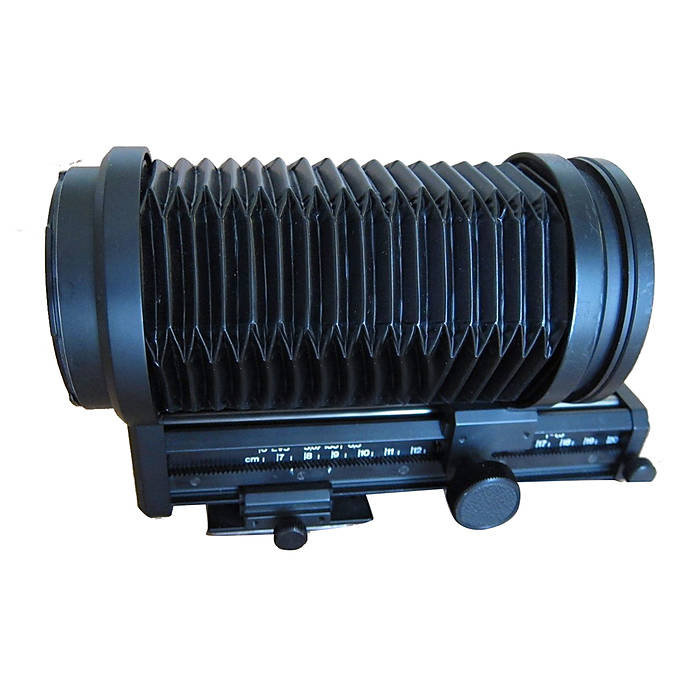
- The Used Hasselblad Auto Macro Close Up Bellows for V System enables high-quality reproduction work in-studio—ideal for documenting documents, memorabilia, or evidence-based objects with permission.
- To deepen your technique, look to programs like PCS: Macro and Closeup Image Stacking with Shiv Verma (Lumix) for focus stacking and detail workflows that let you tell nuanced stories without putting people on the spot.
7) Archive ethically and reduce future intrusions
- Keep accurate, respectful records and captions. When revisiting sensitive events, consider using existing materials rather than seeking fresh, invasive images.
- Film shooters can digitize for editors without re-entering communities at painful times—Unique Photo’s Film Lovers Event: Getting Better Scans with Your Digital Camera can help you create high-quality, shareable archives.
Final thought
There’s no single distance that’s always right; ethical proximity is situational. When you’re unsure, step back, simplify, and let respect guide your choices. Build technique and judgment so you can deliver truth with care—and find the tools and training you need at Unique Photo.