Find your perfect Sony portrait lens
Whether you’re building your first Sony kit or refining a pro portrait setup, this guide helps you choose the right focal length, aperture, and features for people photography. If you’ve been exploring Sony Lens Compare Beta and want real‑world context for its suggestions, you’re in the right place. We’ll break down what to look for, recommend a few smart options you can buy today, and show how to turn any choice into better portraits.
How to choose a portrait lens for Sony
- Focal length: For classic headshots, 85–105mm on full-frame gives flattering compression. 50mm suits half- and full-body portraits and small spaces. Wider lenses (24–35mm) work for environmental portraits—just watch for edge distortion. On APS-C bodies, multiply by 1.5x for the field of view.
- Aperture: Wider apertures (f/1.2–f/2) deliver strong subject separation and low-light performance. f/2.8–f/4 zooms offer flexibility and superb sharpness with more background context.
- Autofocus and stabilization: Native Sony FE lenses give you fast AF and Eye AF tracking; OSS (optical stabilization) helps with handheld shooting and video. Manual-focus legacy lenses can be fantastic for deliberate portraits and cine-style pulls.
- Rendering: Look beyond sharpness—consider bokeh quality, color, and how the lens handles flare and contrast. These factors shape the “feel” of your portraits.
Top picks you can buy today
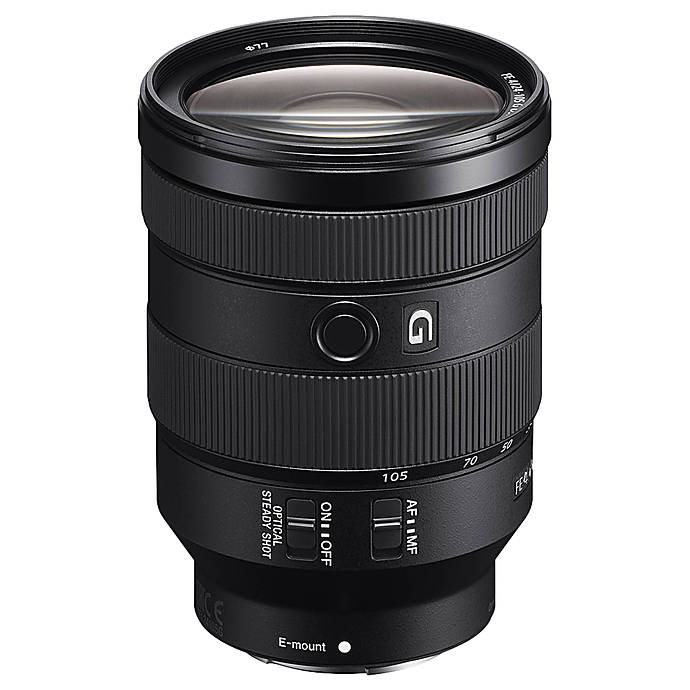
Sony FE 24–105mm f/4 G OSS (SYL8293)
A do‑everything zoom that’s quietly brilliant for portraits—especially on-location work where you may move between environmental scenes and tighter head-and-shoulders in seconds. It’s sharp across the frame, focuses quickly, and the constant f/4 plus OSS makes it reliable for available-light sessions and video interviews.
- Why it’s great for portraits: Versatility from 24 to 105mm handles wide context to flattering tele perspectives without changing lenses.
- Best for: Travel portraits, events, family sessions, hybrid photo/video creators.
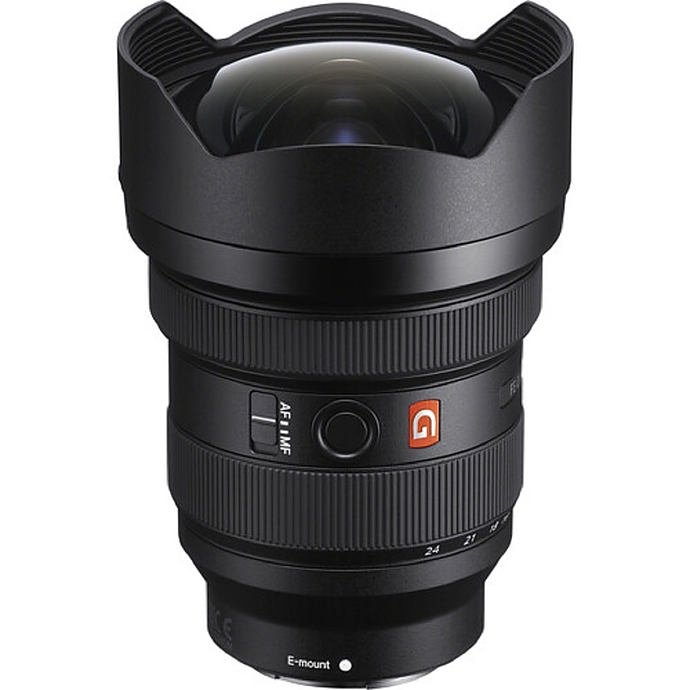
Sony FE 12–24mm f/2.8 GM (SYL8306)
Not your traditional portrait optic—but a powerful creative tool for environmental and editorial portraits. The fast f/2.8 helps in low light, and the ultra‑wide view lets you place your subject within striking architecture or landscapes. Keep your subject near the center and mind the edges to avoid exaggeration.
- Why it’s great for portraits: Dramatic context and storytelling when space and surroundings matter.
- Best for: Environmental/editorial portraits, concept work, dramatic perspective.
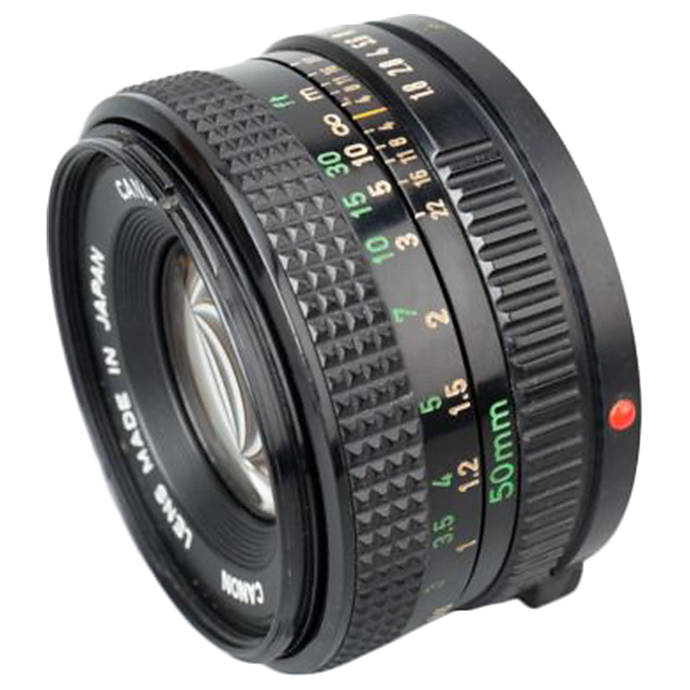
Used Canon FD 50mm f/1.8 (Manual) — Adaptable to Sony E (UIGCNL5018FD)
A budget‑friendly prime with classic rendering. With an inexpensive FD‑to‑E adapter, this compact 50mm becomes a lovely portrait lens for natural‑looking half‑body shots and low‑light sessions. It’s manual focus, which slows you down—in a good way—for intentional, expressive portraits.
- Why it’s great for portraits: f/1.8 background blur and timeless character at a friendly price.
- Best for: Budget shooters, vintage look, thoughtful portraits and cine‑style focus pulls.
Accessory pick: Level‑up your light
Portrait Lighting Made Easy with Joel Grimes (Westcott) — Workshop
Better light beats a better lens—every time. This workshop helps you master flattering light, posing, and repeatable setups so your portraits pop, regardless of the lens you own. Pair this with any lens above for a noticeable jump in quality.
Comparison: which lens fits your portrait style?
| Lens | Mount | Focal length | Max aperture | AF | Stabilization | Best for | Works on Sony E |
|---|---|---|---|---|---|---|---|
| Sony FE 24–105mm f/4 G OSS | Sony FE (Full‑frame) | 24–105mm | f/4 (constant) | Yes | OSS | All‑around portraits, hybrid work | Native |
| Sony FE 12–24mm f/2.8 GM | Sony FE (Full‑frame) | 12–24mm | f/2.8 (constant) | Yes | No | Environmental/editorial portraits | Native |
| Used Canon FD 50mm f/1.8 | Canon FD (Manual) | 50mm | f/1.8 | No (Manual focus) | No | Budget, classic rendering | Yes, with FD‑to‑Sony E adapter |
How to read Sony Lens Compare Beta suggestions
- If it suggests 50mm: Expect natural perspective and versatility—great for full‑ and half‑body portraits.
- If it suggests 85–105mm: This is the traditional headshot zone with flattering compression and strong background separation.
- If it suggests 24–70/24–105 zooms: It values flexibility; you can frame quickly and keep sessions moving with consistent quality.
- If it suggests an ultra‑wide like 12–24mm: Lean into story‑driven environmental portraits—compose carefully to avoid edge distortion on faces.
Our Pick
The best one‑lens portrait solution for most Sony shooters. It balances sharpness, range, reliable AF, and stabilization, making it ideal for everything from lifestyle sessions to event portraits—on full‑frame or APS‑C bodies.
Conclusion: The clear recommendation
For most Sony portrait photographers, start with the Sony FE 24–105mm f/4 G OSS for its unmatched versatility and consistency. Add the Sony FE 12–24mm f/2.8 GM if you shoot environmental/editorial portraits, and consider an adapted 50mm f/1.8 if you want an affordable, characterful prime. Ready to upgrade your portraits? Shop these options and get expert help at Unique Photo.