Ready to level up from your kit lens? Whether you shoot travel, portraits, landscapes, or everyday moments, the right next lens can sharpen your images, unlock creative control, and make your camera more fun to use. Here’s a practical guide from the experts at Unique Photo to help you choose your next upgrade—complete with real product examples and buying tips.
What lens should I buy after the kit lens?
If your kit lens is a general 18–55mm (APS-C) or 24–70/24–105mm (full-frame) variable-aperture zoom, your next lens typically falls into one of three paths:
- A fast prime for portraits and low light
- A sharper, more versatile walkaround zoom
- A specialty wide-angle or telephoto for landscapes, interiors, sports, or wildlife
Your choice depends on what you shoot most. Below, we break down the most popular directions with beginner-friendly recommendations available at Unique Photo.
Prime vs. zoom: which makes the biggest difference for beginners?
Primes (single focal length) are typically brighter (lower f-number), lighter, and deliver crisp image quality for the price—great for portraits, indoor shooting, and learning composition. A classic example is the humble 50mm prime.
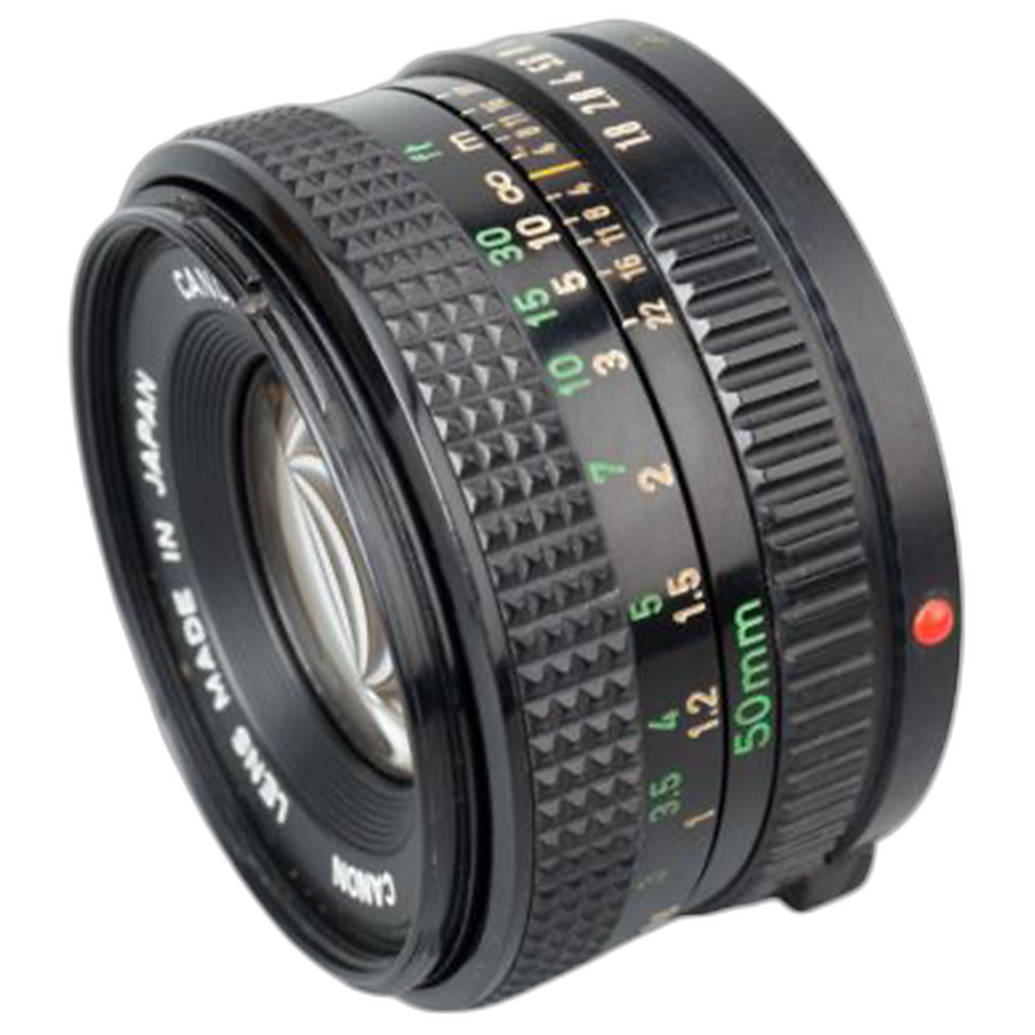
The Used Canon FD 50mm f/1.8 is a budget-friendly way to experiment with fast-aperture primes. Note: FD lenses are manual focus and require an adapter for modern mirrorless cameras (focus aids like peaking make this surprisingly enjoyable). If you’re learning, a 50mm teaches clean framing and how wide apertures affect depth of field.
Zooms keep flexibility while you’re exploring your style. If you want one lens that does a bit of everything—street, portraits, family, travel—consider a sharper, stabilized standard zoom with a constant aperture.
Best travel/walkaround upgrade (standard zoom)
A great all-purpose upgrade gives you better sharpness, steadier handheld video, and a constant aperture for consistent exposure.
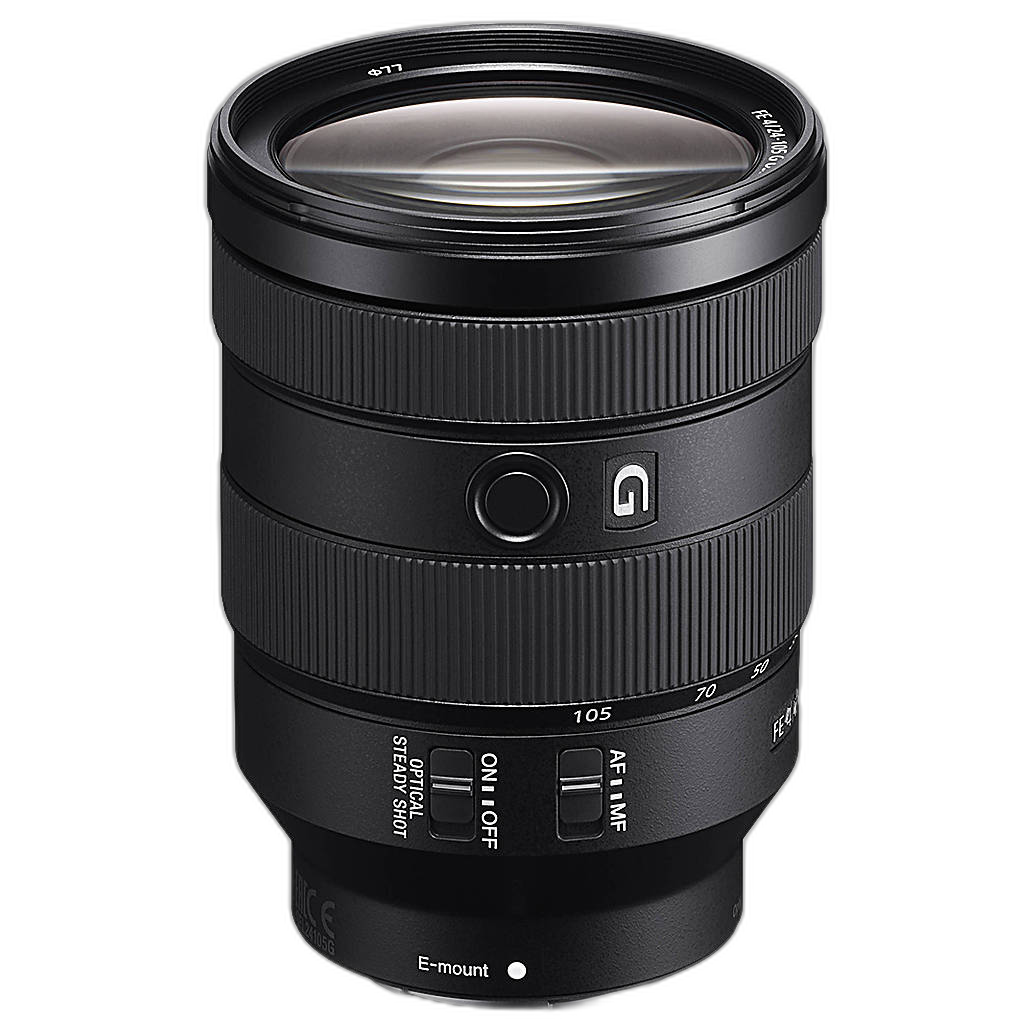
Sony FE 24-105mm f/4 G OSS: An ideal do‑it‑all lens for Sony full-frame mirrorless users. You get a versatile range—from wide landscapes to tight portraits—plus OSS stabilization for steadier handheld shots and video. The constant f/4 aperture and solid optical performance make it one of the strongest single-lens solutions for everyday shooting and travel.
Best portrait lens for beginners
For flattering portraits with smooth background blur, you’ll want a brighter aperture. Two easy paths:
- 50mm prime for environmental portraits and low light (affordable, lightweight).
- Use the long end of a sharp standard zoom: On Sony, the 24–105mm at 85–105mm compresses features and isolates subjects nicely, especially outdoors.
If you’re just starting out, try a prime for the fastest background blur and subject separation—or stick with a quality zoom to keep framing flexibility while you learn.
Best wide-angle lens for landscapes & architecture
If sweeping vistas, interiors, or dramatic perspectives are your thing, an ultra-wide zoom is a revelation. It lets you include grand foregrounds and towering architecture without stepping back.
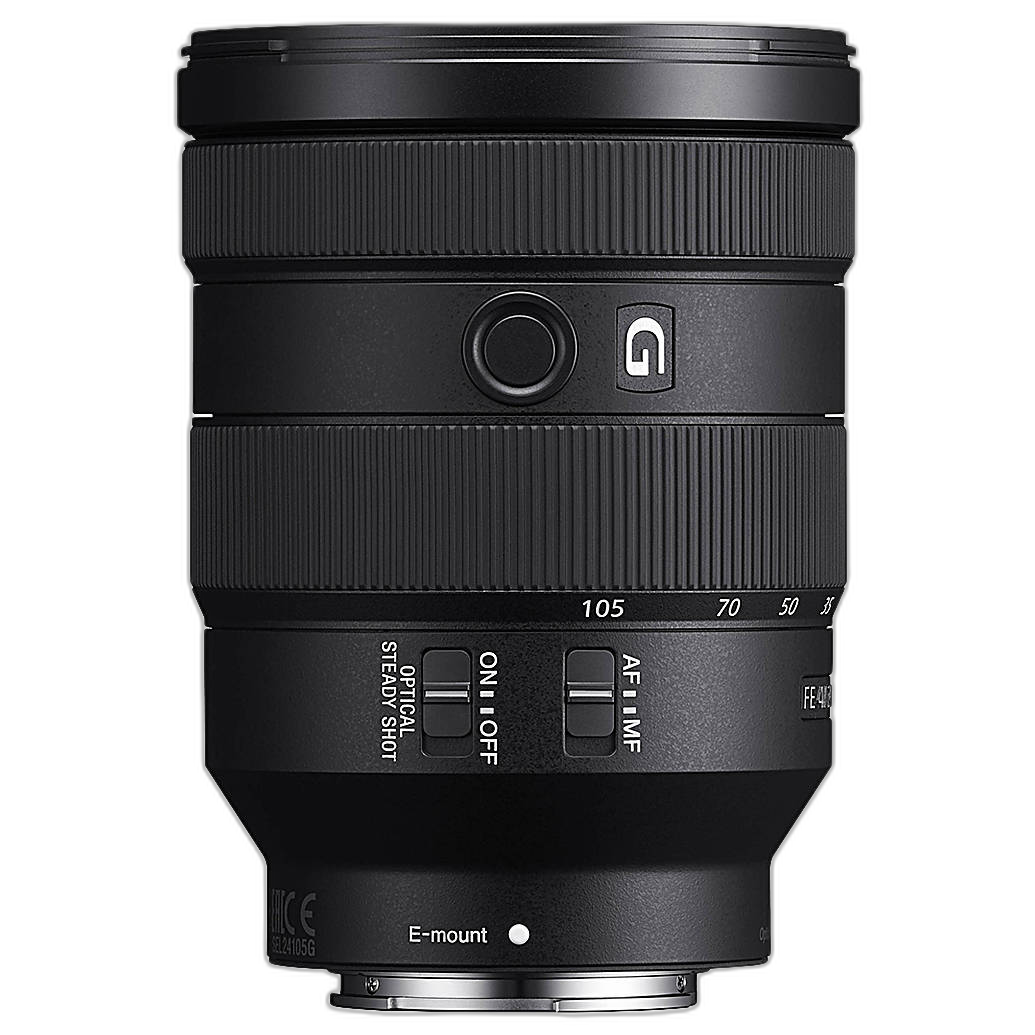
Sony FE 12-24mm f/2.8 GM: A premium ultra-wide for Sony full-frame shooters who want razor-sharp landscapes, night skies, and dynamic interiors. The fast f/2.8 aperture helps in low light and astro, while the 12–24mm range covers everything from expansive scenes to dramatic close-ups.
Do I need macro or telephoto next?
Macro is perfect for flowers, food, and small product details; a true macro lens provides 1:1 magnification. If you already own a macro lens, remember system-specific accessories—like hoods—help maintain contrast and protect the front element.
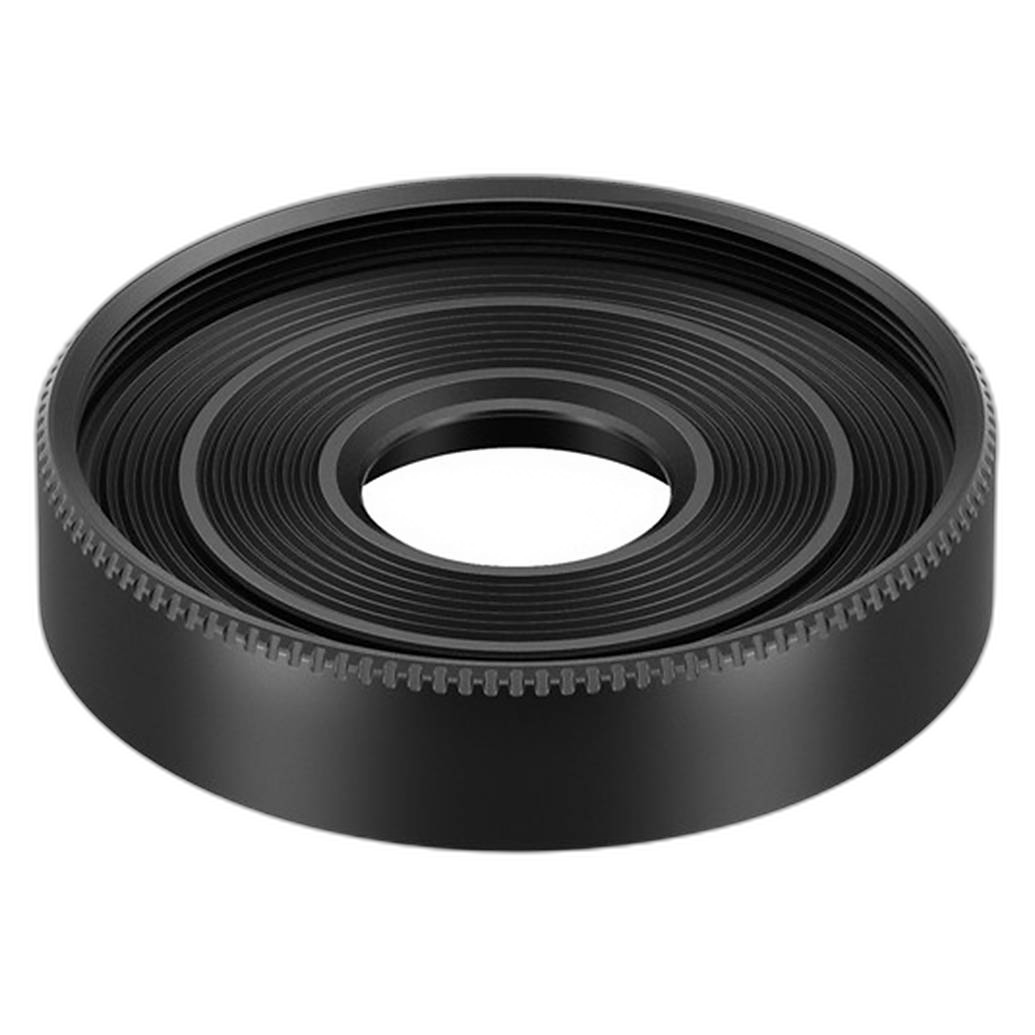
Accessory spotlight: The Canon ES-22 Lens Hood fits the EF-M 28mm Macro IS STM, a popular compact macro for EF-M users. A hood can reduce flare and improve contrast, particularly under bright light.
Telephoto lenses (e.g., 70–200mm, 70–300mm) are great for sports, wildlife, and distant subjects. If you often find yourself cropping heavily, a telephoto is likely your smartest next step.
Micro Four Thirds and other systems: an all-in-one option
If you shoot Micro Four Thirds, an all-in-one superzoom can keep your kit minimal and travel-ready. The OM SYSTEM M.Zuiko Digital ED 12-200mm f/3.5-6.3 covers a staggering 24–400mm equivalent range in a single lens—excellent for travel storytelling when you want to go light without constant lens swaps.
Used gear: stretch your budget and learn faster
Beginner photographers often learn the most from a simple, fast prime. Used primes like the Canon FD 50mm f/1.8 are ultra-affordable and encourage mastering manual focus, shutter speeds, and apertures. Unique Photo’s Used & Trades department regularly stocks budget-friendly lenses; you can test and save while you build skills.
Compatibility and adapters 101
- Mount matters: Make sure the lens fits your camera’s mount (e.g., Sony E, Canon RF/EF, Nikon Z, Micro Four Thirds).
- Adapting legacy lenses: Classic lenses (e.g., Canon FD) adapt well to mirrorless with the correct adapter. Expect manual focus and manual/stop-down aperture control; no autofocus or electronic aperture.
- Stabilization: Some lenses have optical stabilization (e.g., Sony OSS). If your camera has in-body stabilization, the combo can improve low-light shooting and video.
Quick buying checklist
- Pick a lens that solves your current limitation (low light, not wide enough, not long enough, or not sharp enough).
- Consider portability if you travel or hike often.
- Check for stabilization if you shoot handheld video or low light.
- Confirm mount compatibility and consider adapters if exploring used/legacy glass.
- Set a budget, then compare new and used options at Unique Photo.
Final thoughts and where to start at Unique Photo
Your best next lens depends on your subjects and style:
- Do‑it‑all everyday: Sony shooters should consider the Sony FE 24-105mm f/4 G OSS.
- Landscapes/architecture/astro: Sony FE 12-24mm f/2.8 GM is a top-tier ultra-wide.
- Portraits/low light on a budget: Try an affordable 50mm prime; Unique Photo’s used selection is a fantastic place to start.
- Micro Four Thirds travelers: The OM SYSTEM 12-200mm offers one-lens flexibility.
Want hands-on advice? Visit Unique Photo in-store or chat with our team online. We’ll help you compare options and find the perfect upgrade for your system and budget.
Internal linking suggestions: