Film photography has a way of slowing you down in the best possible sense. Every frame matters, every setting teaches you something, and the process feels hands-on from the first roll to the final print or scan. If you are just getting started, the right gear can make learning film far more enjoyable. Here are a few practical tips on what to prioritize when building your beginner film kit.
Start with a Reliable, Simple 35mm Camera
1. Choose a camera that helps you learn exposure fundamentals
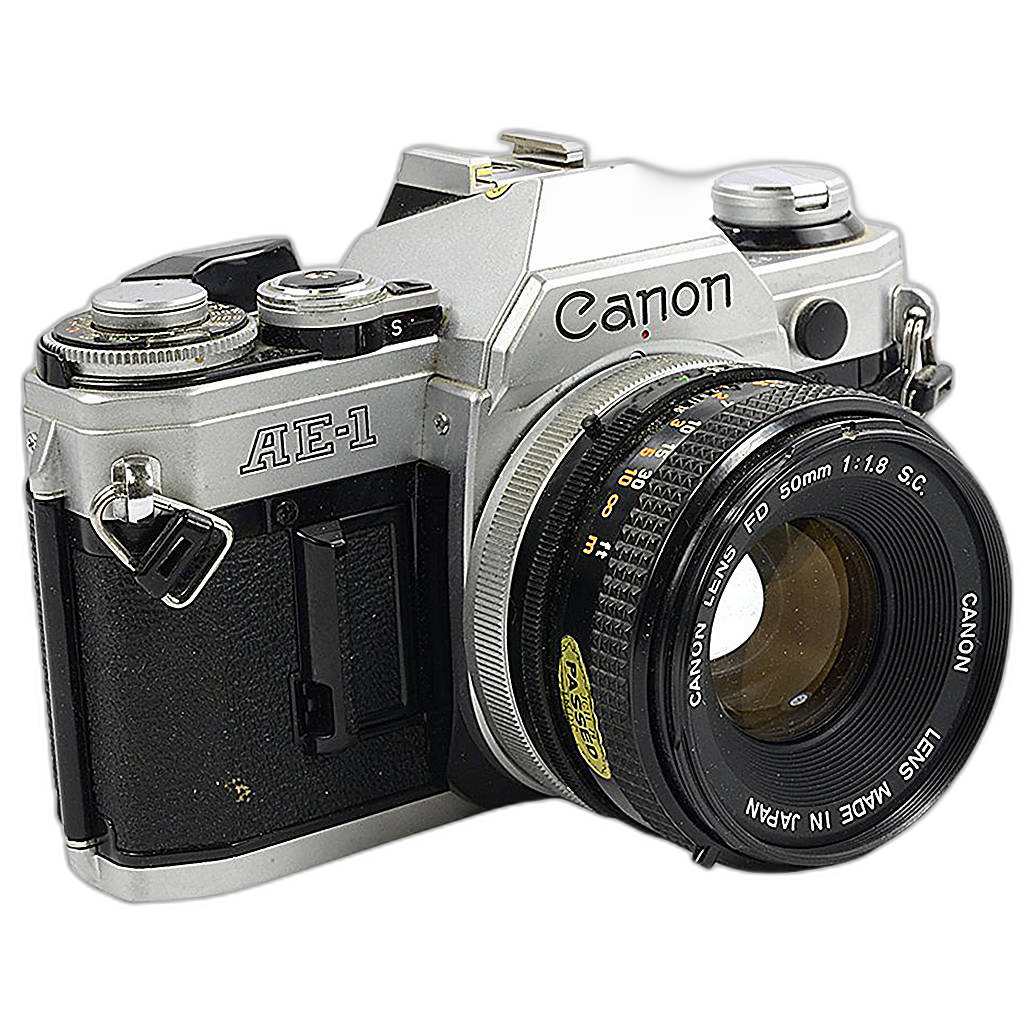
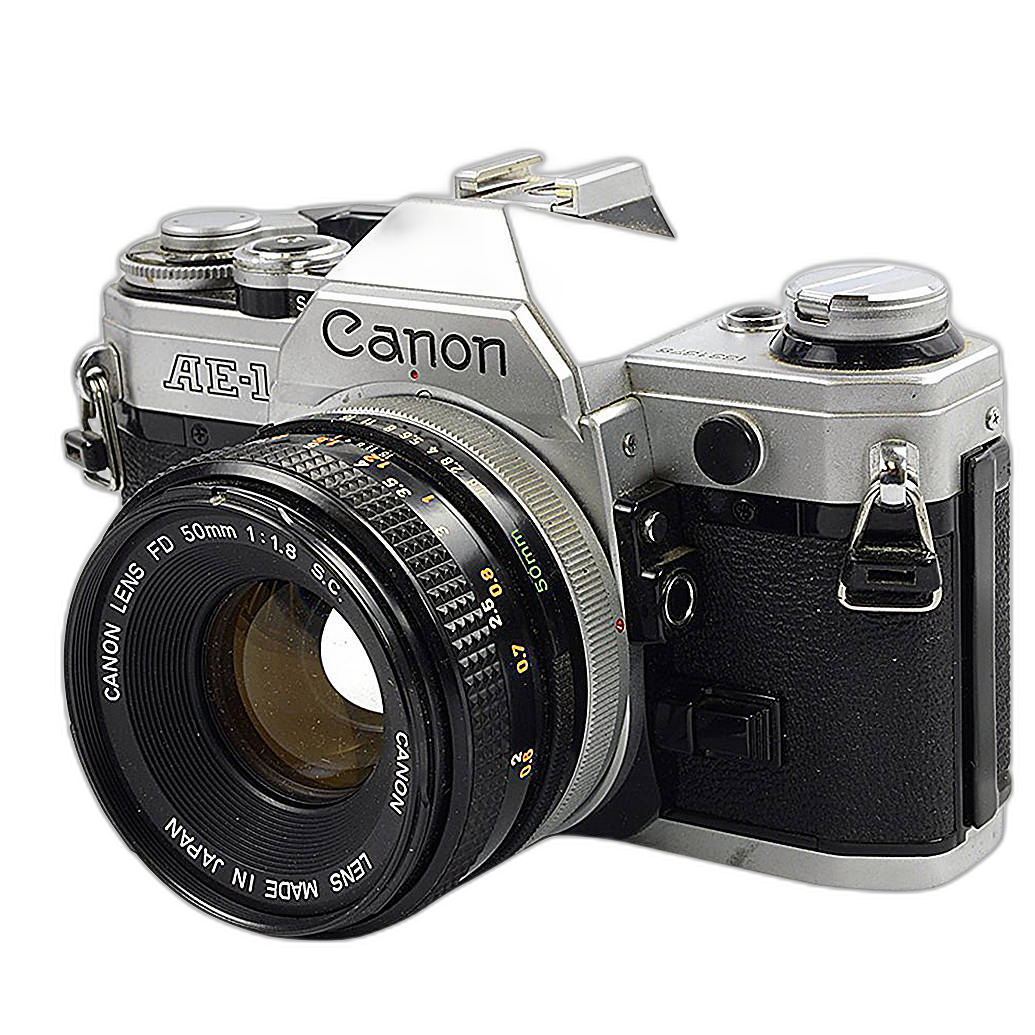
For most beginners, a used 35mm SLR is one of the best places to start. A camera like the Used Canon AE-1 Film Camera With 50mm F/1.8 - Good gives you classic manual control, an easy-to-understand layout, and a versatile 50mm lens that works well for portraits, street photography, and everyday shooting.
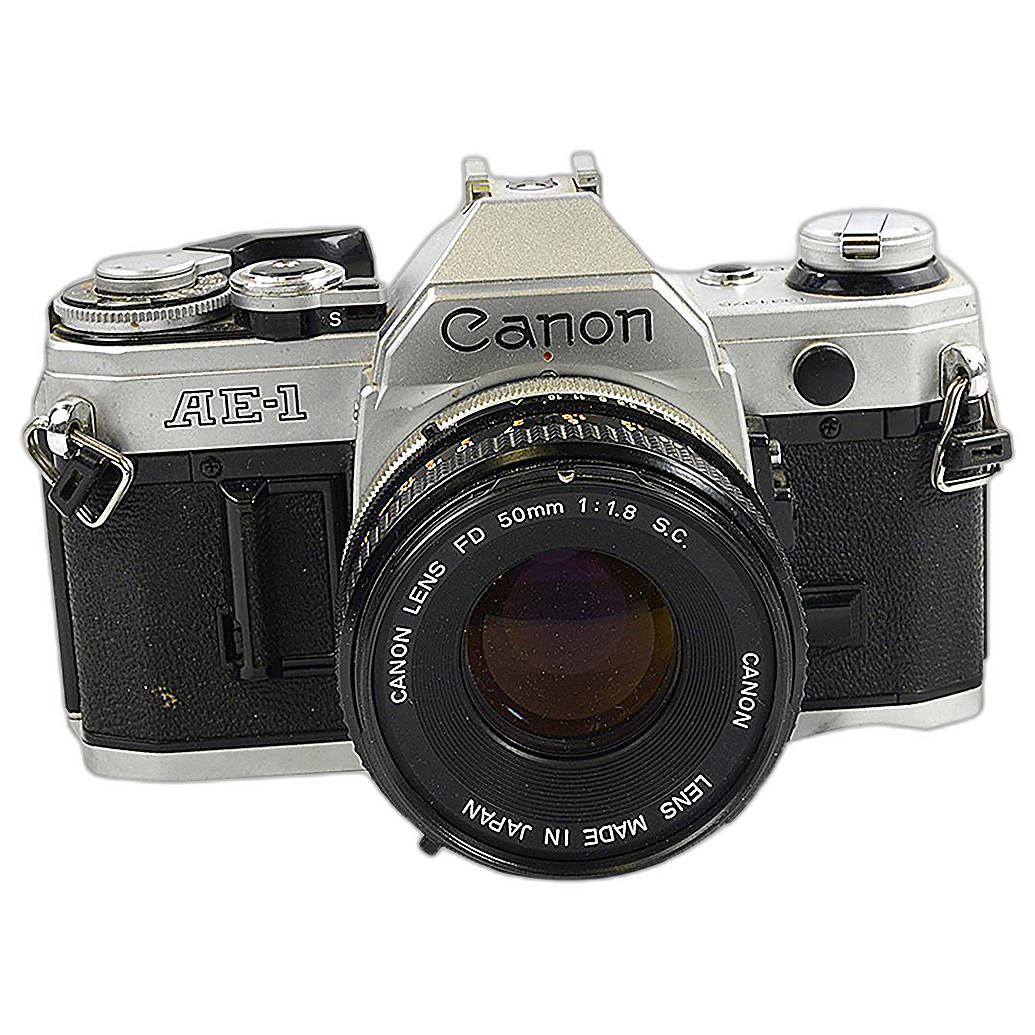
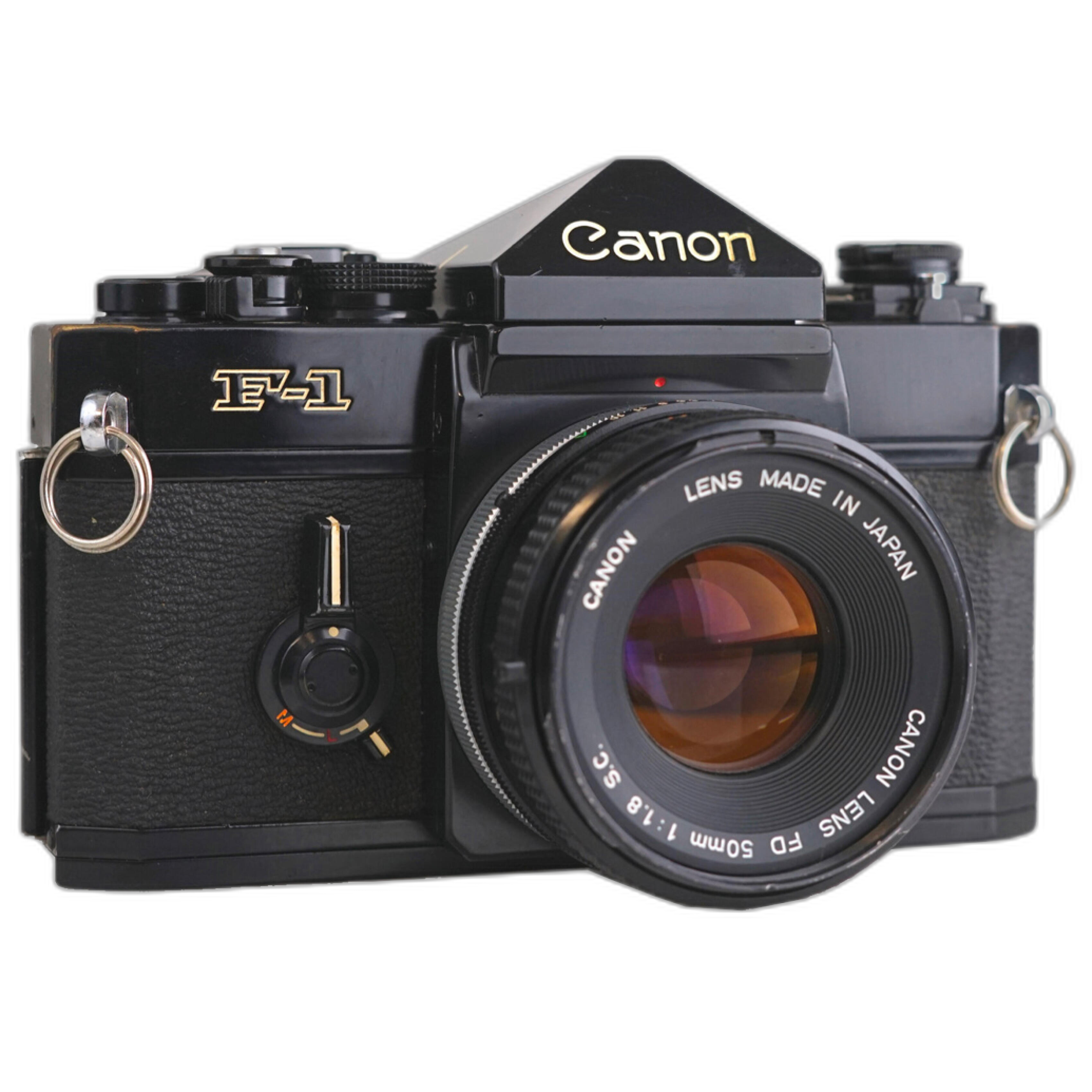
The AE-1 is a popular beginner option because it encourages you to understand shutter speed, aperture, and film speed without feeling overly complicated. If you want a slightly more robust pro-style body, the Used Canon F-1 Film SLR With 50MM F/1.8 - Good is another excellent way to learn while using a camera with a legendary reputation for durability.
Pick a Lens That Keeps Things Versatile
2. A standard 50mm lens is ideal for your first rolls
One reason cameras like the Canon AE-1 and Canon F-1 make so much sense for beginners is that they come paired with a 50mm f/1.8 lens. This focal length is easy to compose with and natural-looking, which makes it a great teacher. You can use it in bright daylight, indoors with good light, and even for shallow depth-of-field practice as you get more comfortable.
Instead of buying too many accessories right away, spend your early budget on a dependable camera-and-lens combination. The more you shoot with one setup, the faster you will understand how film responds.
Consider Your Long-Term Goals Before Jumping to Medium Format
3. Medium format is exciting, but 35mm is usually the better beginner choice
It is easy to be drawn to iconic cameras like the Used Contax 645 With Eye LVL Finder and Film Back - Good. Medium format offers beautiful detail, a distinct shooting experience, and a premium look many photographers love. But for someone just starting with film, 35mm is typically the more practical route because it is easier to learn, more affordable per frame, and less intimidating when you are still figuring out metering and exposure.
If medium format is part of your goal, keep it on your wish list while building confidence on a simpler 35mm body first. That progression often leads to better results and fewer expensive mistakes.
Learn the Full Process by Developing Your Own Film
4. Home developing helps you understand film from start to finish
One of the most rewarding ways to get deeper into film photography is learning to develop your own negatives. A starter option like the Photographic Darkroom Film and Paper Developing Kit can help make the process more approachable, especially if you want to move beyond shooting and become more involved in the craft.
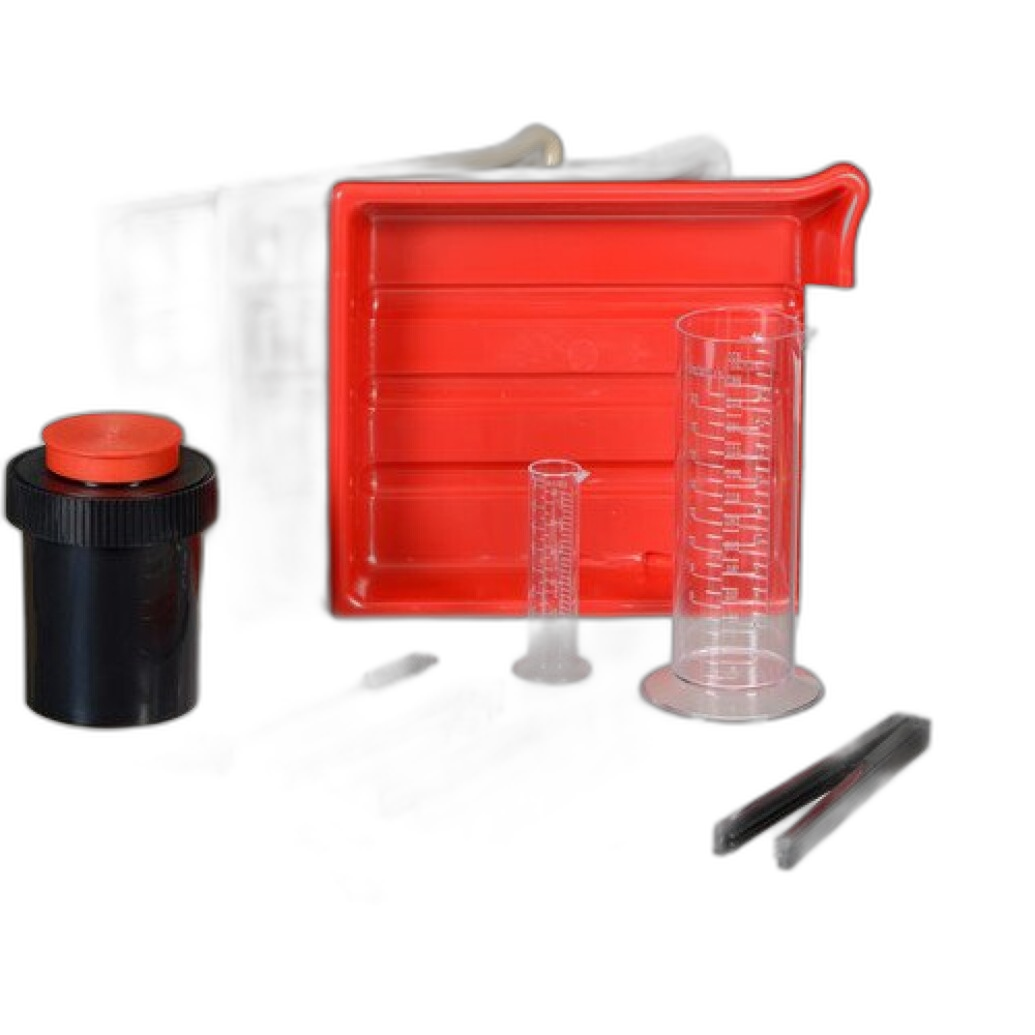
Developing at home teaches patience, consistency, and the importance of exposure accuracy. It also gives you more control over your workflow. Even if you continue to have some rolls processed by a lab, understanding the chemistry side of film can make you a stronger photographer overall.
Build Knowledge Alongside Your Kit
5. A good photography resource can speed up your learning
Gear matters, but so does education. While starting in film, it can be helpful to supplement hands-on practice with books and visual guides that explain composition, workflow, and visual storytelling. The Filmmaking Essentials for Photographers by Eduardo Angel is a useful example of a creative resource that can help expand how you think about framing, sequencing, and image-making.
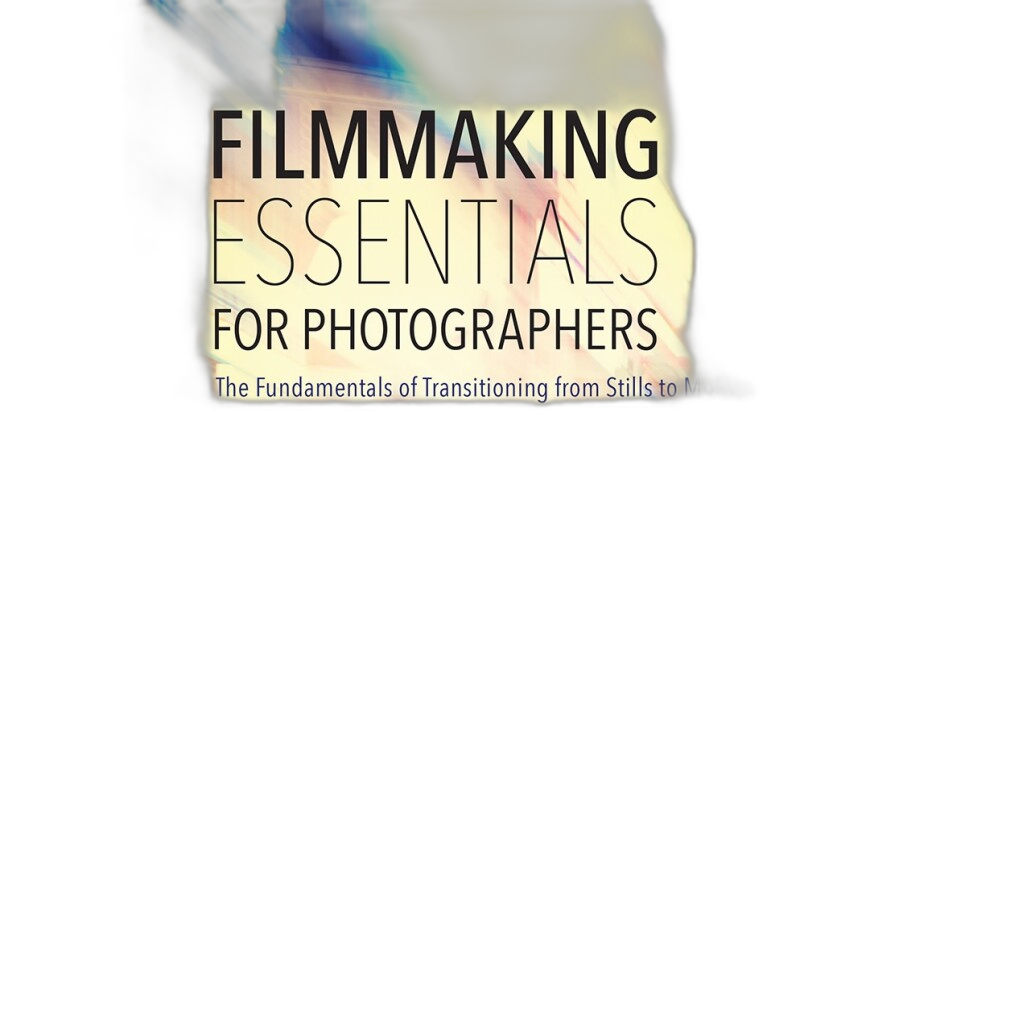
Even if your focus is still photography, learning how visual narratives are constructed can improve your instincts behind the camera.
Keep Your First Kit Practical
6. Focus on essentials, not extras
When you begin film photography, it is tempting to overbuy. A better strategy is to start with a dependable camera, a normal lens, film, and a clear plan for processing. If you are learning in a structured environment, something like Photography Class Kit 1 can also be useful as a starting point for a more organized setup.
As you gain experience, you will have a much better sense of whether you need additional lenses, filters, or darkroom tools. Starting simple keeps the learning curve manageable and helps you spend more time shooting.
Conclusion
Getting started with film photography does not require an overwhelming amount of gear. A solid camera like the Canon AE-1 or Canon F-1, a versatile 50mm lens, and the willingness to learn both shooting and developing can take you a long way. As your skills grow, you can always expand into home processing or even medium format. If you are ready to build your first film setup, Unique Photo is a great place to explore dependable gear and inspiration for the next step in your film journey.