Essential Gear for Breaking News Photography in 2024: An Expert FAQ
When a story breaks, you need equipment that’s fast, reliable, and rugged—plus a workflow that delivers images to editors within minutes. Our experts at Unique Photo break down the must‑have features, smart accessories, and pro techniques to help you perform under deadline pressure.
What core camera features matter most for breaking news in 2024?
Speed, reliability, and connectivity top the list. Look for bodies with class‑leading autofocus, strong subject detection, deep buffers for burst shooting, and dual card slots for redundant recording. Weather sealing and durable shutters are critical when you’re working in rain, snow, or heat. For transmission, prioritize 5 GHz Wi‑Fi, USB‑C tethering, and FTP/FTPS support so you can file images straight from the field.
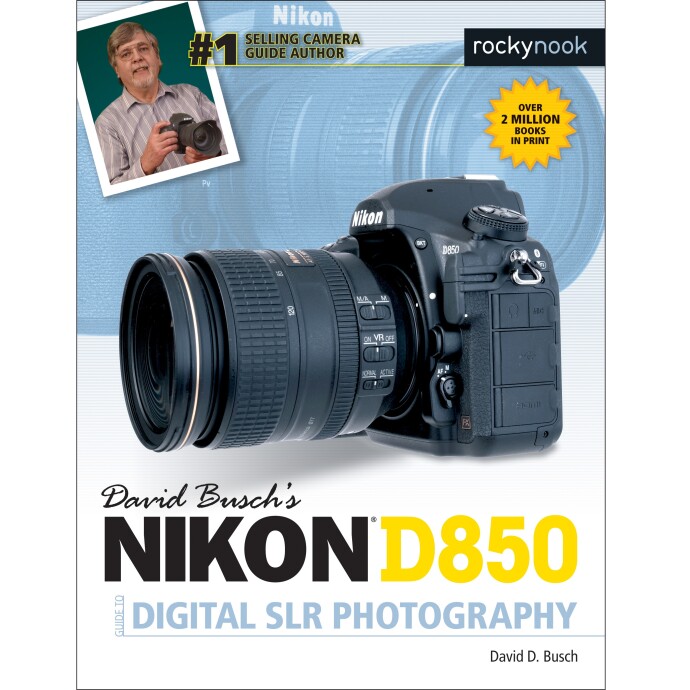
Equally important is mastering your camera’s custom buttons and recallable shooting modes. If you’re using a DSLR like the Nikon D850, an in‑depth guide can speed up your mastery of pro controls, menus, and focusing techniques—skills that translate directly to working faster on deadline.
Which lenses should I pack for unpredictable assignments?
A two‑zoom setup covers most breaking situations: a 24–70mm f/2.8 for general scenes and a 70–200mm f/2.8 for reach and isolation. Add a fast wide zoom (e.g., 16–35mm) for cramped interiors and a compact fast prime (35mm or 50mm f/1.8) for low light portraits. If you expect distance or restricted access, a 100–400mm or 200–600mm zoom keeps you outside police lines while still filling the frame. Choose stabilized lenses when possible, and pair with a monopod for steady panning at lower shutter speeds.
Do I need to record audio on still assignments?
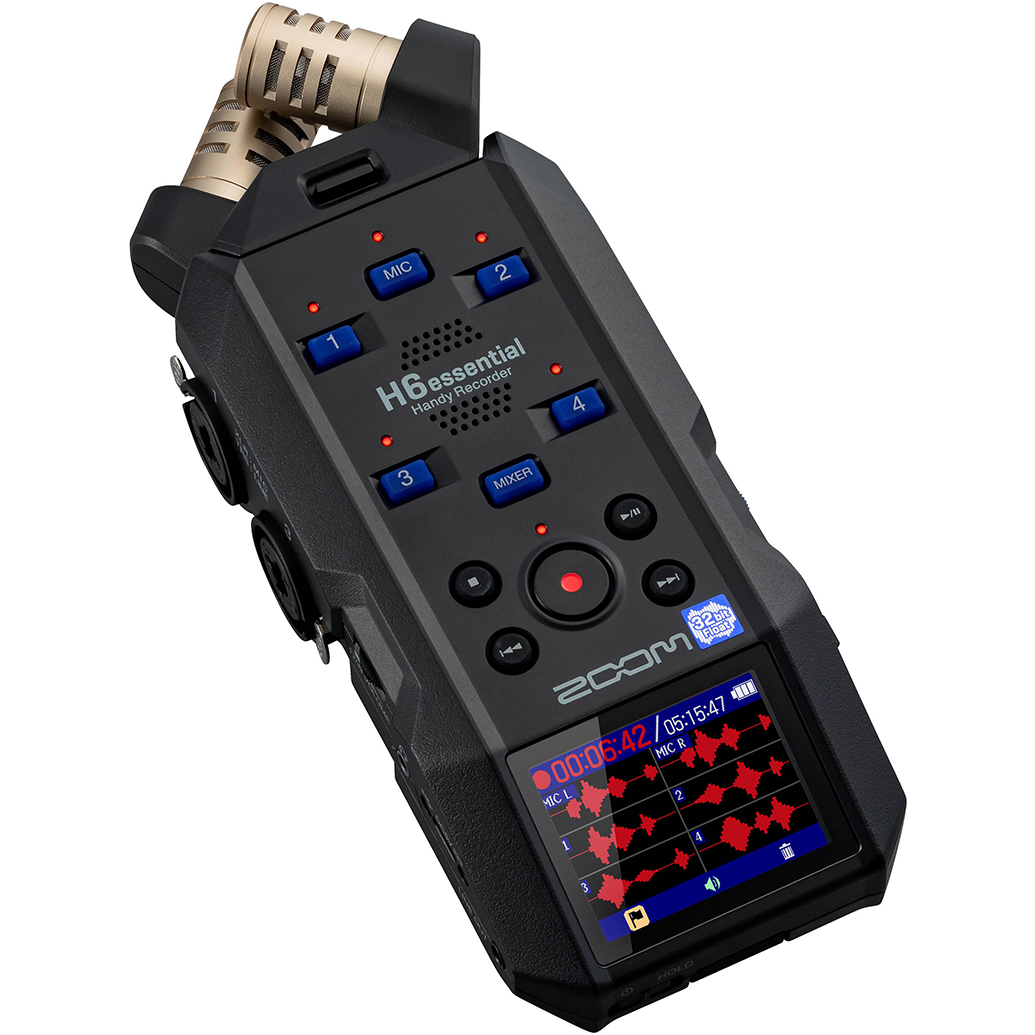
Increasingly, yes. Editors often want ambient sound or quick interviews to enhance web packages and social posts. A dedicated recorder lets you capture clean audio while your camera focuses on stills or video. Look for 32‑bit float recording to preserve detail without worrying about clipped levels, and multiple XLR inputs for mics.
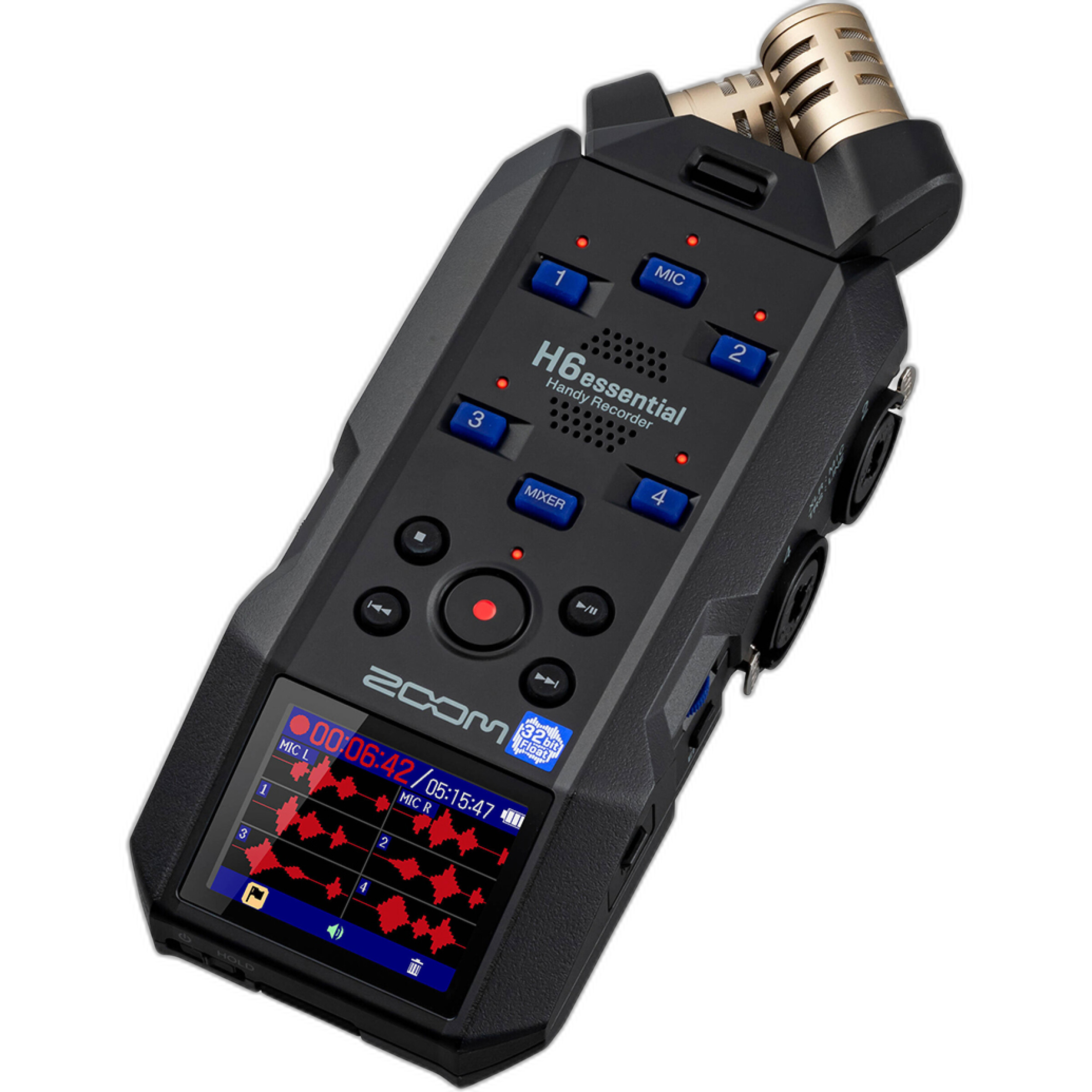
The Zoom H6Essential Series 6‑Track 32‑Bit Float Handheld Recorder is a compact, newsroom‑friendly option with ample inputs and high headroom—ideal for on‑the‑fly interviews, nat sound, and backup audio when shooting video.
How do I prepare a rapid field kit that’s weather‑ready?
Keep a small, carry‑everywhere kit: camera with 24–70mm attached, spare batteries labeled and topped off, high‑speed cards (CFexpress or UHS‑II), a rain cover, microfiber cloths, gaffer tape, a reflective vest, and ear protection. Add a compact LED, a small power bank, and a folding monopod. Organize with color‑coded pouches (power, media, cleaning) so you can reload in seconds, not minutes. Store presets for common scenarios (night spot news, indoor presser, outdoor rally) so you can adapt with a single dial turn.
What’s the fastest way to caption and file photos from the scene?
Set up an end‑to‑end workflow before you leave the newsroom. Build IPTC templates for outlet, byline, and contact, plus boilerplate for common assignments. Shoot RAW+JPEG when you need immediate web delivery, then transmit small JPEGs via FTP from camera or phone. Keep a minimal preset in your editor for tone, contrast, and noise, and rely on batch edits with individual exposure tweaks.
If your post work slows you down, consider sharpening your selection and batch‑editing skills—these translate directly to faster turnaround in the field.

How do I tackle low light and mixed lighting on deadline?
Use fast lenses and let ISO climb to maintain action‑stopping shutter speeds (1/500s for movement, faster for sports). Lean on in‑body or lens stabilization for slower, steady frames, and white‑balance for the dominant light source to simplify edits. When you have seconds, prioritize exposure and focus; you can correct color and noise in post.
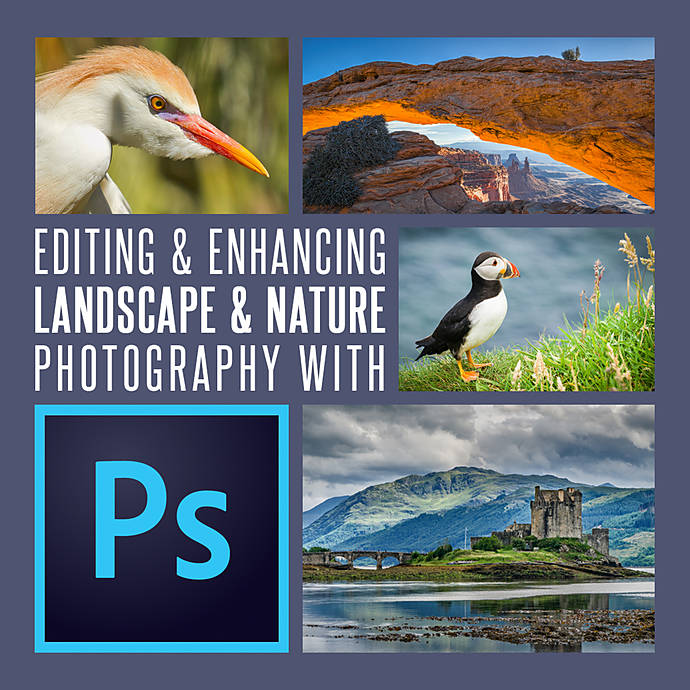
Want to improve your rescue skills for underexposed or high‑contrast files? A focused Photoshop workflow can help you recover shadows, manage color casts, and reduce noise without destroying detail—vital when you’re pushing ISO in tough conditions.
What accessories make the biggest difference in the field?
Small items save big shots: a tough card wallet, a weather cover, a rapid‑adjust strap or harness, a collapsible monopod, spare lens hoods, and a compact LED. Keep a marker and notepad for names and details when phones are restricted. If you’re capturing video, add a shock‑mounted on‑camera mic and pair it with a dedicated recorder for backup audio. For lenses that stick out in crowds, low‑profile caps and a hood can protect glass without drawing attention.
How can I stay safe and ethical while covering developing stories?
Safety first: know exit routes, keep gear close to your body, wear high‑visibility apparel where appropriate, and maintain situational awareness. Respect police lines, private property, and requests from emergency personnel. Ethically, avoid staging scenes, be mindful of minors and victims, and always gather accurate names, roles, and locations for captions. When in doubt, step back, reassess, and prioritize safety without sacrificing professionalism.
How do I practice and keep skills sharp between assignments?
Repetition builds speed. Drill your custom buttons, practice burst discipline, and rehearse your file‑and‑caption workflow on a timer. Cross‑training across genres also sharpens technique. Landscape and macro work can refine your composition and focusing precision, while night‑shooting drills improve your low‑light instincts for late‑hour spot news. Film exercises can slow you down and refine storytelling choices.

For DSLR users seeking deeper control fluency, a comprehensive camera guide can accelerate your readiness for fast‑moving events.
Ready to refine your kit and workflow? Visit Unique Photo online or in store for expert advice, hands‑on training, and a wide selection of pro tools—from audio recorders to education that helps you deliver under deadline.