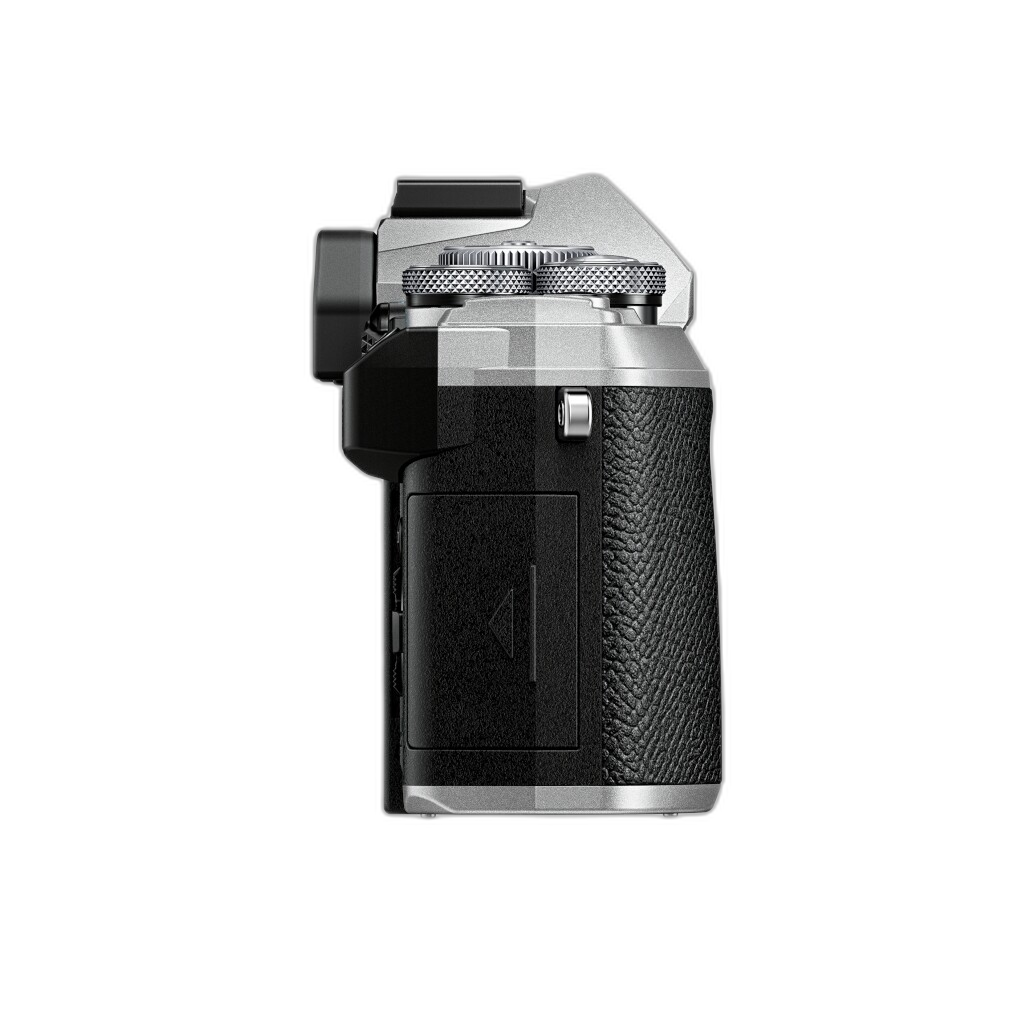
Essential Camera Settings for Street Photography: Why These Four Cameras?
Street photography rewards speed, discretion, and repeatable results. In this head-to-head, we compare how four compact, capable cameras handle the core settings street shooters rely on—silent shutter, autofocus behavior, Auto ISO, color profiles, and customization—and we share practical tips and user experiences for each platform.
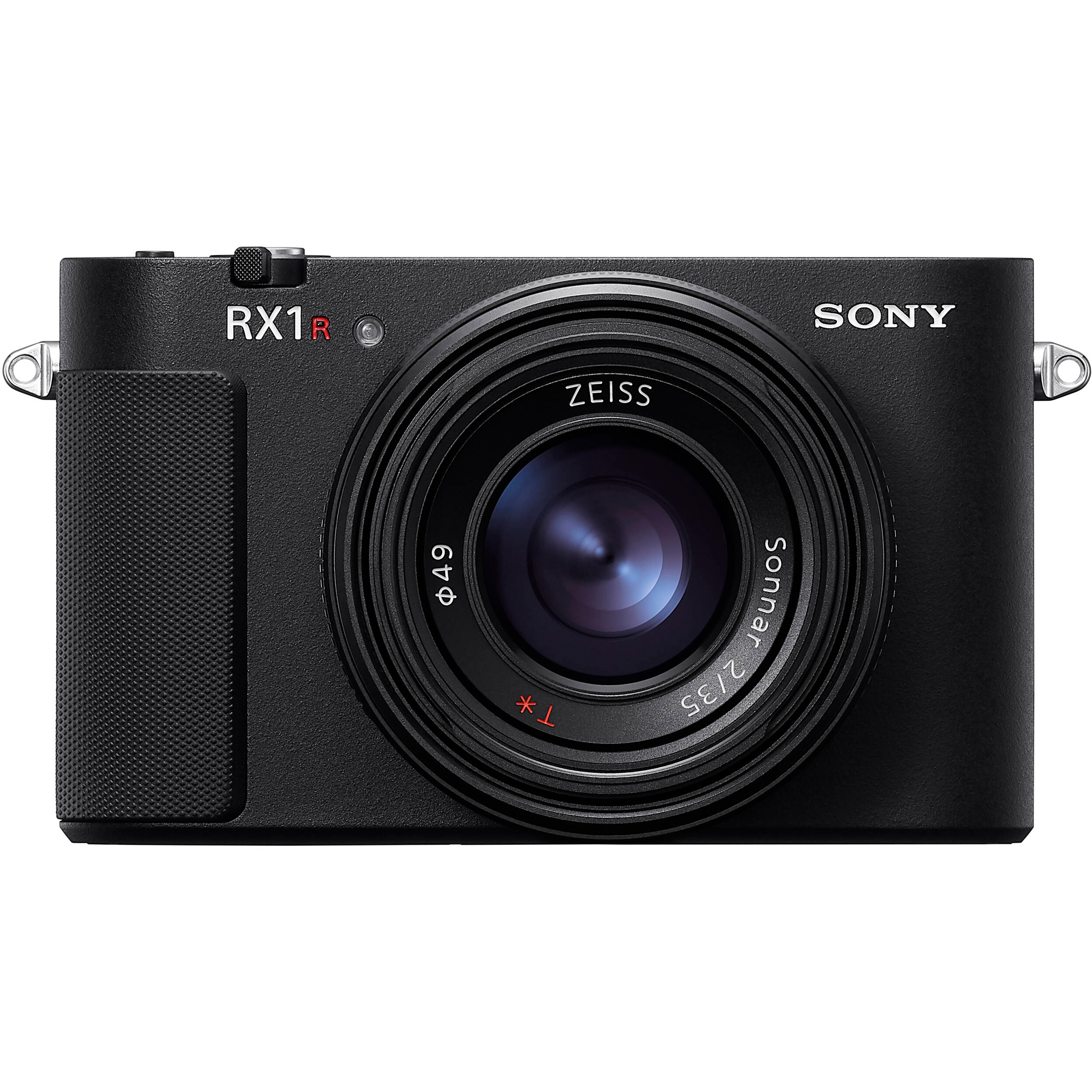
Side-by-Side Street Settings & Features
| Feature | OM System OM‑5 | Fujifilm X‑T30 III | Canon EOS R10 | Sony RX1R III |
|---|---|---|---|---|
| Sensor format | Micro Four Thirds | APS‑C | APS‑C | Full‑frame compact |
| In‑Body Image Stabilization (IBIS) | Yes | No | No | No |
| Silent electronic shutter | Yes | Yes | Yes | Yes |
| Mechanical shutter | Yes | Yes | Yes | Yes |
| Face/Eye detect AF | Yes | Yes | Yes | Yes |
| Broader subject detection (animals/vehicles) | Basic/limited | Basic people | Robust | Basic people |
| Auto ISO with minimum shutter | Yes | Yes | Yes | Yes |
| Drive/burst speed class | Fast | Fast | Very fast | Moderate |
| Weather sealing | Yes | Limited | Limited | Limited |
| Viewfinder | EVF | EVF | EVF | EVF |
| Lens flexibility | Interchangeable (MFT) | Interchangeable (X Mount) | Interchangeable (RF/RF‑S) | Fixed‑lens compact |
| Color profiles | OM color profiles | Fujifilm Film Simulations | Canon Picture Styles | Sony Creative Styles |
Category-by-Category Street Settings Analysis
Discreet Shooting: Silent Shutter, Beeps, and Assist Lamps
All four offer silent electronic shutters—critical for candid moments. Turn off AF assist beams and audible beeps on any of these cameras for maximum discretion.
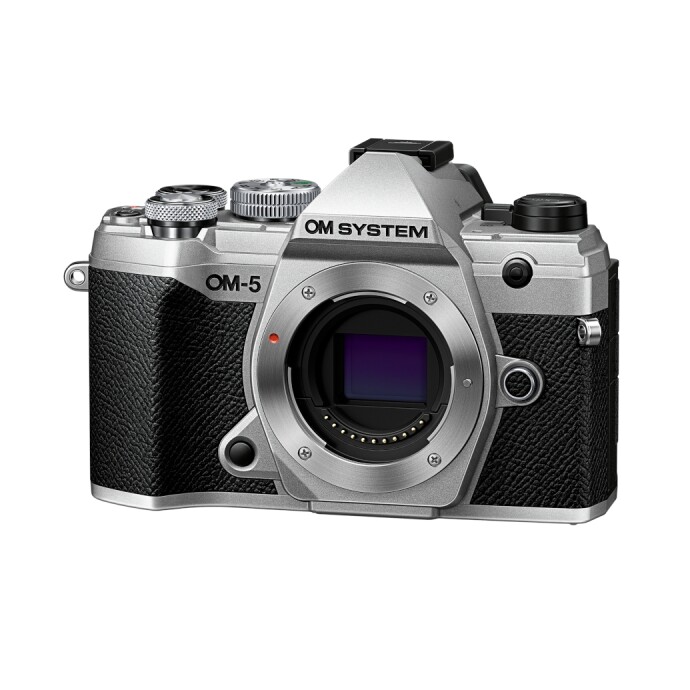
- OM‑5: Silent shutter plus compact body; weather sealing lets you shoot confidently in drizzle—no fumbling with covers.
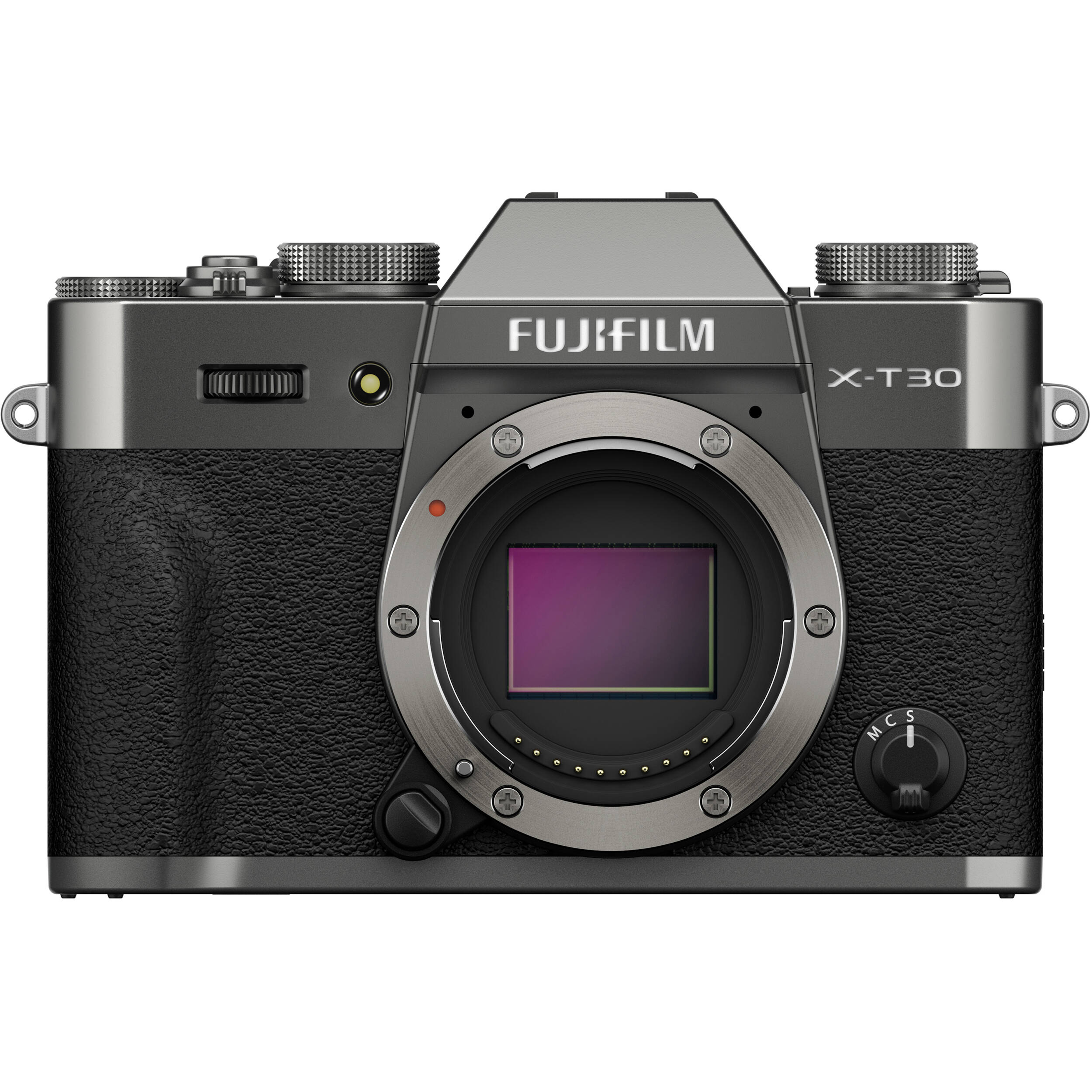
- X‑T30 III: Exceptionally small with tactile dials; silent mode paired with a subtle shutter sound (or none) feels natural for street work.
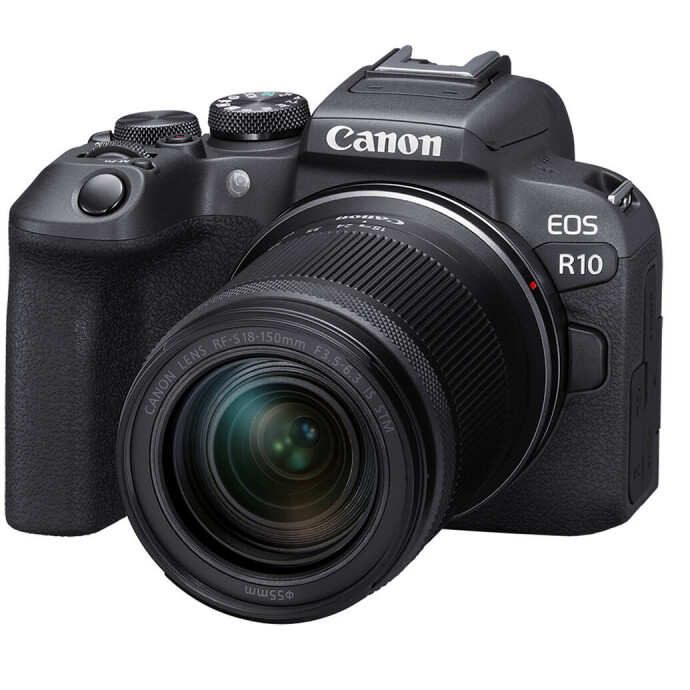
- EOS R10: Silent shutter and deep customization; paired with a compact RF prime, it’s stealthy even with the grip.
- RX1R III: Full‑frame look in a compact body; silent mode and fixed-lens simplicity make it an unobtrusive companion.
Autofocus Behavior: Single Point, Zone, and Tracking
Street AF priorities: fast acquisition, reliable eye/face detect, and easy switching between single point, zone, and tracking.
- OM‑5: Assign back‑button AF for tracking; use a small single point or 3×3 zone. Face detect helps with walk‑bys; switch to single point for layered scenes.
- X‑T30 III: Zone AF for moving crowds; small single point when shooting through foregrounds. Face/eye detect is strong for people; use AF‑C for walk‑toward shots.
- EOS R10: Robust subject detection and tracking. A mid‑size zone plus AF‑C nails cyclists and runners; face/eye detect is sticky yet easy to override with a tap/joystick.
- RX1R III: Keep AF‑C with face detect for people; single point for detail grabs. The fixed lens encourages pre‑focus and hyperfocal techniques.
Exposure Control: Aperture Priority + Auto ISO Done Right
A classic street setup is Aperture Priority, Auto ISO, with a minimum shutter speed and exposure compensation at your fingertips.
- Set aperture around f/4–f/8 for depth and quick focus; f/2–f/2.8 for night.
- Configure Auto ISO minimum shutter: start at 1/250 for motion; drop to 1/125 if subjects are slower. Raise max ISO when light fades.
- Use exposure compensation to protect highlights: −0.3 to −0.7 EV helps preserve detail on harsh, contrasty streets.
All four bodies support Auto ISO with min shutter—once set, you’ll spend less time adjusting and more time observing.
Color Profiles and JPEGs: Looks You’ll Love
Many street shooters prefer consistent, ready‑to‑share JPEGs. Each brand offers distinct looks.
- OM‑5: Natural and muted profiles pair well with contrasty light; lift Shadows +1 and reduce Highlights −1 for balanced tonality.
- X‑T30 III: Film Simulations are a street staple—Classic Chrome for muted contrast, Acros for clean monochrome, and Classic Neg for punchy nostalgia. Fine‑tune Color, Shadow/Highlight, and Grain to taste.
- EOS R10: Picture Styles deliver clean color. Try Neutral with lower contrast for dynamic range, or Monochrome with a slight red filter effect for skin tone separation.
- RX1R III: Creative Styles offer flexible baselines; start with Neutral and add a touch of contrast and clarity to maintain the full‑frame bite.
Stabilization and Low Light: IBIS vs. Shutter Speed
Street scenes at night demand smart balancing of ISO and shutter speed.
- OM‑5: IBIS buys you stops for static subjects—great for ambient scenes at lower ISO. For moving people, keep 1/125–1/250 and let ISO float.
- X‑T30 III / EOS R10 / RX1R III: Without IBIS, prioritize faster shutter speeds and consider wider apertures. Lean on Auto ISO and accept higher ISO to freeze motion cleanly.
Speed and Buffer: Catching the Decisive Moment
Fast bursts help when layers align or motion peaks. Electronic shutters are quiet but can show rolling shutter with very fast motion; mechanical shutters mitigate this at the cost of noise.
- EOS R10: Very fast bursts make it ideal for action‑heavy street scenes.
- X‑T30 III / OM‑5: Plenty quick for fleeting expressions and gestures.
- RX1R III: Moderate burst rate—use timing and anticipation rather than spray‑and‑pray.
Ergonomics and Customization: Make Your Camera Disappear
Customize buttons so you never dive into menus mid‑scene.
- Map a function to toggle face detect on/off.
- Assign silent mode/E‑shutter and drive mode to reachable buttons.
- Put AF mode (single/zone/tracking) on a quick menu or a custom dial.
The OM‑5’s weather‑sealed body, the X‑T30 III’s classic dials, the EOS R10’s deep custom options, and the RX1R III’s minimal controls each support friction‑free operation when set up thoughtfully.
Lenses and Focal Lengths: 28–35mm Equivalents Shine
Most street shooters favor 28–35mm equivalents for balanced context and subject isolation. On interchangeable‑lens bodies, slim primes keep things discreet. Consider a 23mm or 35mm on APS‑C, and a ~17mm on Micro Four Thirds for similar framing. The RX1R III’s fixed‑lens design emphasizes working a single, classic perspective.
Our Pick
Our Pick: FUJIFILM X‑T30 III Mirrorless Camera Body — Charcoal Silver
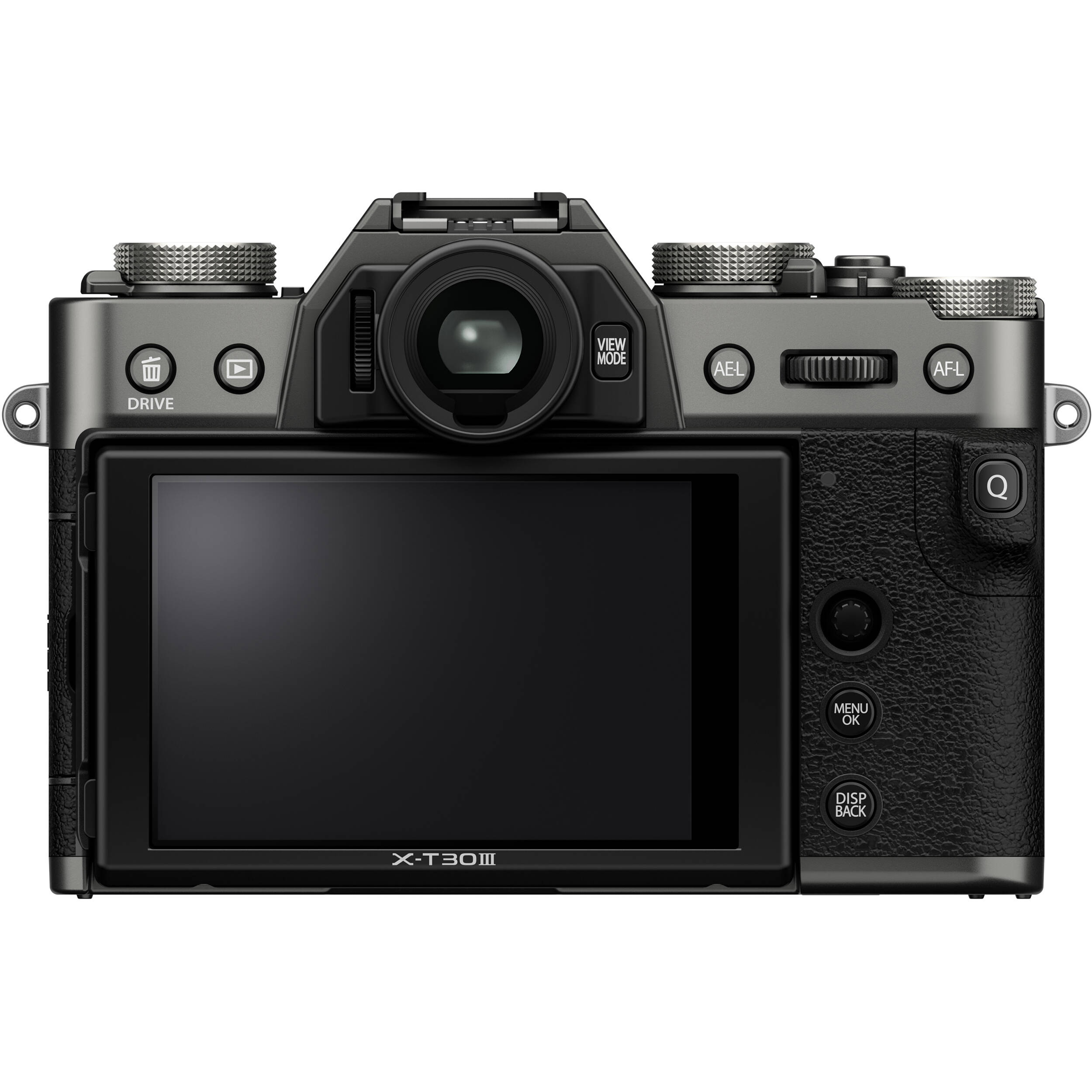
Why: Beloved Film Simulations for ready‑to‑share JPEGs, fast AF with intuitive dials, and a compact, low‑profile build make the X‑T30 III a street standout. Set Aperture Priority, Auto ISO with 1/250s minimum, Classic Chrome or Acros, and a small AF zone—you’ll get consistent results with minimal fuss.
Conclusion
Whether you value the OM‑5’s stabilized, weather‑sealed confidence, the EOS R10’s speedy subject tracking, the RX1R III’s full‑frame compact simplicity, or the X‑T30 III’s beloved color and controls, the right street settings make all the difference. Visit Unique Photo for expert guidance, hands‑on demos, and the accessories that help you build a nimble street kit tailored to your style.