For solo video shooters, great visuals can grab attention, but clean audio is what keeps viewers engaged. Whether you are filming interviews, vlogs, events, documentary work, or branded content, your audience will usually forgive imperfect lighting before they forgive poor sound. That is why building a reliable audio kit is one of the smartest investments a one-person video team can make.
At Unique Photo, many solo creators shop for cameras first, then realize that microphones, monitoring tools, and practical audio accessories are just as important to a polished final production. In this guide, we will break down the essential audio gear for solo video shooters, how each piece fits into a real-world workflow, and what to prioritize when you are building your kit.
Why audio matters so much for solo video shooters
When you work alone, you are often handling framing, focus, exposure, talent direction, and recording at the same time. That means your audio gear needs to be dependable, fast to set up, and flexible enough to work in changing environments. A strong solo video audio setup should help you:
- Capture clear dialogue in noisy spaces
- Reduce setup time on location
- Monitor sound without a dedicated audio operator
- Create backup options in case a mic fails
- Adapt to interviews, run-and-gun shooting, and live productions
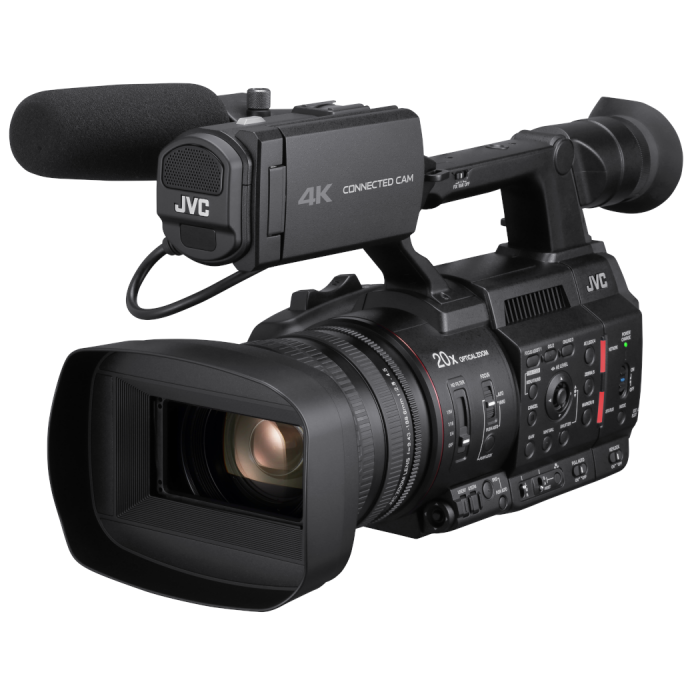
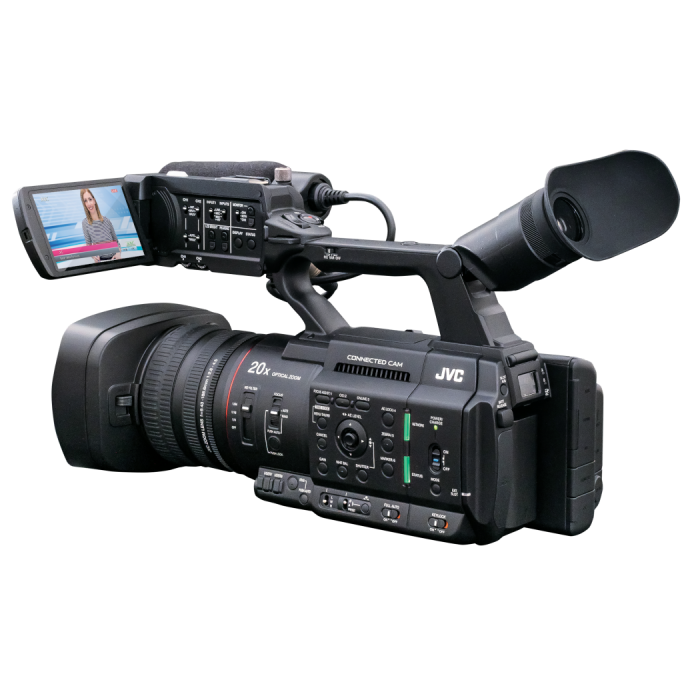
If you are using a professional camcorder, choosing a model with pro video features can also make audio capture easier. For example, a handheld connected camcorder like the JVC GY-HC500U Handheld Connected Cam 1in 4K Professional Camcorder offers a practical platform for solo productions where speed and reliability matter.
Best microphones for solo video shooters
The microphone you choose depends on your shooting style, subject distance, and environment. Most solo shooters benefit from owning more than one microphone type, because no single mic is ideal for every scenario.
Shotgun microphones for run-and-gun video
A shotgun microphone is one of the most useful tools for solo creators. Mounted on-camera or placed just out of frame on a boom, a shotgun mic focuses on sound coming from the direction it points. This makes it a strong choice for documentary work, fast interviews, and general field production.
For solo use, an on-camera shotgun mic is often the fastest way to improve sound over your camera’s built-in microphone. It is especially useful when you are moving quickly and cannot wire every subject with a lavalier mic.
Lavalier microphones for interviews and presentations
Lavalier microphones, also called lapel mics, are excellent when your subject is speaking directly to camera or staying in one position. They help maintain consistent audio levels because the mic stays close to the speaker’s mouth. Wireless lav systems are especially valuable for solo shooters filming weddings, corporate content, educational videos, or mobile presentations.
If your work includes interviews or talking-head videos, a lav mic should be near the top of your must-have list.
Handheld microphones for events and street-style content
Handheld mics are practical for event coverage, quick interviews, and creator content where the microphone is intentionally visible on camera. They are often durable, easy to control, and well suited to environments with multiple speakers.
Audio recorders every solo creator should consider
Many solo shooters start by plugging a microphone directly into the camera, and that can work well. But a dedicated audio recorder adds flexibility, improves control, and can serve as a backup if your primary audio path fails.
A compact field recorder is useful for:
- Recording backup audio during interviews
- Capturing ambient sound and room tone
- Using XLR microphones when your camera setup is limited
- Feeding cleaner audio into your editing workflow
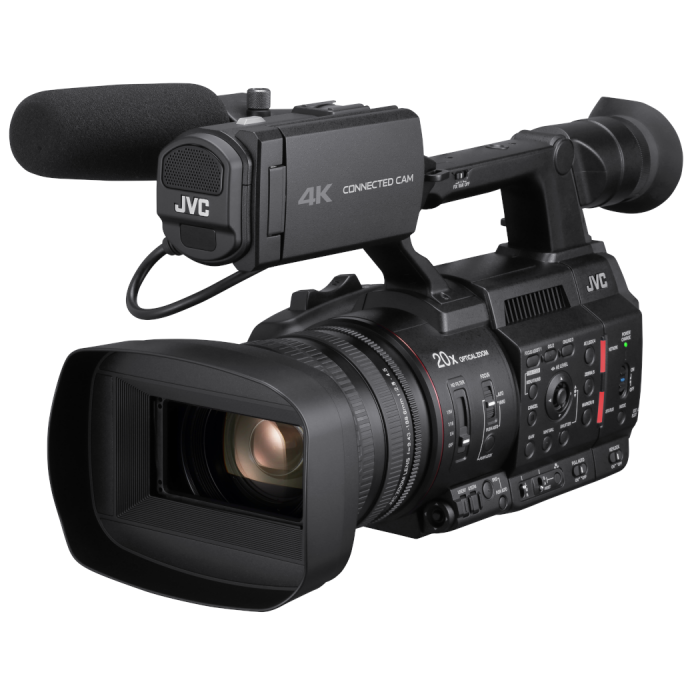
If you are working with a professional camera system from Unique Photo, such as the JVC GY-HC500MC Handheld 4K 20x Zoom Connected Camcorder, pairing it with a strong recording workflow can help you produce more dependable results in documentary, industrial, and event environments.
Do solo video shooters need wireless audio systems?
For many creators, yes. A wireless microphone system gives you more freedom of movement and helps keep your setup clean when filming subjects who are walking, presenting, or interacting naturally on camera.
A wireless system is especially useful for:
- Wedding and event videography
- Real estate video tours
- Fitness and instructional content
- Corporate interviews
- Solo documentary shooting
When shopping for wireless audio gear, pay attention to battery life, transmission reliability, ease of frequency setup, and whether you want a system that records internally as a safety backup.
Headphones are essential for monitoring audio in the field
One of the biggest mistakes solo shooters make is assuming audio is fine because meters appear to be moving. Monitoring with closed-back headphones helps you hear hiss, clipping, wind noise, clothing rustle, and interference before it ruins a take.
Your field headphones should be:
- Comfortable for long shoots
- Closed-back for isolation
- Detailed enough to reveal audio problems quickly
- Durable for location work
If you are filming alone, headphones are not optional. They are your real-time quality control system.
Must-have audio accessories for solo video production
The right accessories can make a huge difference, especially when you do not have a crew to troubleshoot on set. Along with microphones and recorders, solo shooters should keep these essentials in their bag:
Windscreens and deadcats
Outdoor shooting can become unusable fast if wind hits your microphone. A foam windscreen is useful indoors and in mild conditions, while a furry windscreen is far better for exterior work.
Extra cables and adapters
Backup cables save shoots. Keep spare XLR cables, 3.5mm TRS cables, adapters, and any specialty connectors your kit requires.
Spare batteries and charging options
Wireless systems, recorders, and powered mics all depend on battery management. Solo shooters should always carry more power than they think they need.
Mounts and shock mounts
A shock mount helps isolate your microphone from handling noise and camera vibration. This matters even more when you are moving handheld.
Gaffer tape and clips
These simple tools are invaluable for hiding lav mics, securing cables, and managing quick fixes in the field.
How your camera choice affects your audio workflow
While this guide focuses on audio gear, your camera can streamline or complicate your sound setup. Solo shooters often benefit from cameras that support professional connectivity, straightforward controls, and reliable recording tools.
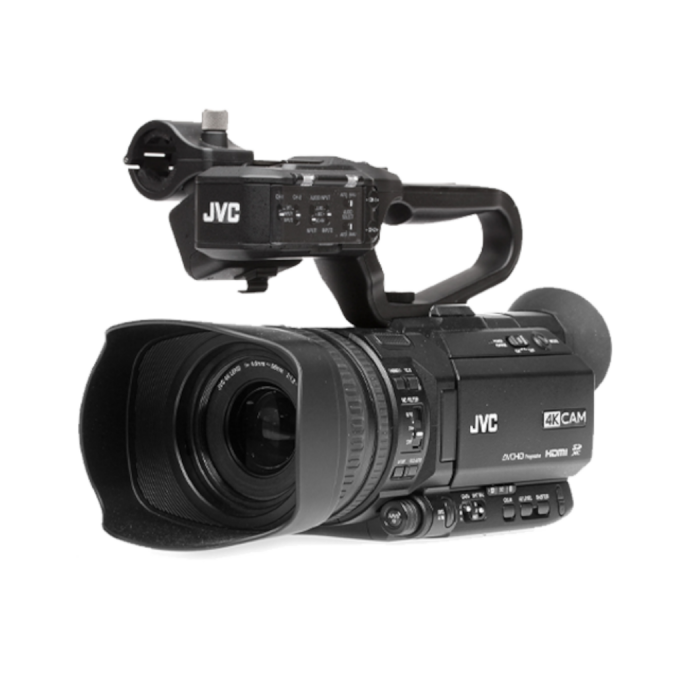
For example, the JVC GY-HM250SP Compact Handheld Camcorder is built for practical video production workflows, while connected camcorders in the JVC lineup are often appealing for event, field, and streaming users who need efficient one-operator performance.
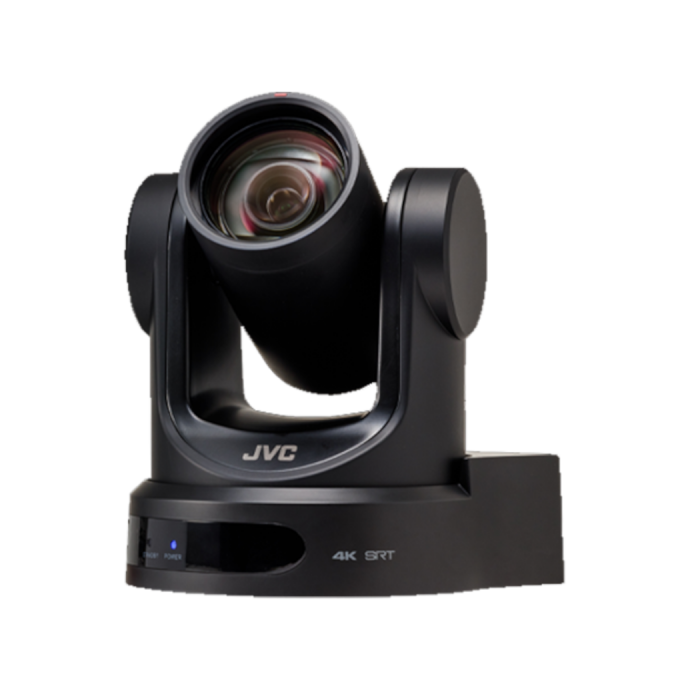
If your solo setup includes fixed-position filming, worship production, studio content, or remote-controlled environments, PTZ cameras can also be part of the conversation. A model such as the JVC KY-PZ400N 4K NDI HX PTZ Remote Camera is not an audio accessory itself, but it can support productions where audio is routed separately and camera control is handled remotely, reducing the number of operators needed.
Best audio kit combinations for different solo shooting styles
Solo interview kit
- Wireless lav mic for the subject
- Shotgun mic as a backup or secondary source
- Compact audio recorder
- Closed-back monitoring headphones
This combination gives you both clean primary dialogue and redundancy.
Run-and-gun creator kit
- On-camera shotgun microphone
- Small wireless mic system
- Lightweight headphones or in-ear monitoring
- Windscreen and spare batteries
This is ideal for vlogging, travel videos, event highlights, and documentary-style coverage.
Live streaming or remote production kit
- Lavalier or headset mic
- Audio interface or mixer
- Monitoring headphones
- Camera system designed for connected workflows
Unique Photo serves many creators building livestream and hybrid production systems, and this is where connected camcorders and PTZ cameras can complement a strong audio chain.
Common audio mistakes solo shooters should avoid
- Relying only on the built-in camera microphone
- Skipping headphone monitoring
- Forgetting to record backup audio
- Ignoring room noise and echo
- Letting lav mics rub against clothing
- Running out of battery power mid-shoot
- Using the wrong mic type for the environment
Even a basic but well-planned audio kit will outperform a more expensive setup used without proper technique.
How to build an audio kit on a budget
If you are just getting started, you do not need to buy everything at once. A smart path for most solo video shooters looks like this:
- Start with a quality shotgun mic
- Add closed-back monitoring headphones
- Pick up a wireless lav system
- Add a compact audio recorder for backup and flexibility
- Expand with accessories like windscreens, mounts, cables, and spare power
As your projects grow, you can scale into more advanced workflows. Unique Photo is a strong resource for creators who want to compare video tools, upgrade strategically, and build a reliable production kit around real shooting needs.
Choosing the right gear for your workflow
The best audio gear for solo video shooters is the gear that helps you work quickly, confidently, and consistently. Think about where you shoot most often, how many people you mic at once, whether you need wireless mobility, and how much backup protection your productions require.
If you often shoot solo with a professional handheld camera, options like the JVC GY-HC500U or JVC GY-HC500SPCU Handheld 4K Connected Camcorder can fit nicely into broader production systems where dependable audio capture matters just as much as image quality.
Conclusion: build a solo video audio kit you can trust
For solo creators, audio gear is not an afterthought. It is a core part of making videos that sound professional, hold attention, and inspire confidence in your work. A dependable kit usually starts with the right microphone, but it should also include monitoring headphones, backup recording options, and the small accessories that keep your setup working under pressure.
Unique Photo is a great place to explore video production equipment as you build out your ideal solo shooting setup. If you are planning your next upgrade, consider browsing connected camcorders, PTZ cameras, video accessories, and production tools that support efficient one-person workflows.
For internal linking, this article pairs well with buying guides and category pages covering professional camcorders, PTZ cameras, video accessories, livestreaming gear, and camera audio solutions available at Unique Photo.