Photo contests can be a powerful way to sharpen your craft, build momentum, and get your work seen—but only if you enter the right ones and submit with care. Here’s a field-tested guide from the Unique Photo community on how to choose trusted platforms, meet entry requirements, spot red flags, and decide if contests are a smart step for your growth.
Where to enter: trusted platforms photographers recommend
-
Seek contests with a track record and public winner galleries
Legitimate platforms show past winners, list judges, and outline judging criteria. Local and regional opportunities like New Jersey Monthly’s Cover Search contest are great examples—transparent, audience-facing, and community-centered. Unique Photo’s UUOnline (Free): NJ Monthly 2020 Cover Search Contest Winners Reveal is a helpful look at what rises to the top and why.
-
Start local and niche to build wins and feedback
Regional magazines, camera clubs, and niche communities (wildlife, street, landscape, youth) often provide more tailored feedback and clearer categories. Internal or community contests—like the Unique Photo Employee Contest—can be low-pressure proving grounds to learn how your work is received.
-
Verify transparency: judges, categories, and timeline
Look for named judges with searchable portfolios or credentials, clear category definitions, and a posted timeline for shortlists and winners. If you can’t confirm these details, skip it.
Nail the entry requirements (and avoid easy disqualifiers)
-
Prep files to spec: size, color space, and naming
Most contests prefer sRGB JPEGs, specific pixel dimensions, and strict naming conventions. Export clean, non-destructive masters and keep a version history. If CMYK/TIFFs are needed for finals, have those ready.
-
Secure model/property releases and respect ethics
Portraits or identifiable subjects often require releases; commercial locations may need property permission. Many contests disallow AI-generated or heavily composited entries—read the fine print and be transparent about retouching.
-
Understand usage rights before you submit
Healthy terms allow limited promotional use for the contest and credit you by name. Be wary of blanket, perpetual licenses for any use without compensation.
-
Align to the theme—don’t force-fit
Pick images that clearly interpret the brief. For example, a cover search often favors strong vertical compositions with space for mastheads and clean, impactful subjects. Unique Photo’s EXPO: Tips for New Jersey Monthly’s Cover Search Contest with Laura Baer dives into these nuances.

Red flags that signal a contest might be a scam
-
Rights grab in the terms
Avoid contests claiming exclusive, worldwide, perpetual rights to use your work for any purpose without credit or payment. That’s a rights grab, not a fair contest.
-
Pay-to-win upsells
Entry fees can be normal, but steer clear of pressure to buy certificates, upgrades, or “premium” placements to be seen by judges. Legitimate contests don’t sell visibility.
-
Invisible judges and no past winners
If you can’t find who’s judging, see prior galleries, or verify the organizer’s history, pass.
-
Unrealistic prizes and urgent wire requests
Grand claims with vague sponsors or demands for wire transfers are classic red flags. Stick with credible organizers and standard payment methods.
Are contests valuable for beginners?
-
Yes—if you treat them as structured practice
Briefs and deadlines sharpen your eye and workflow. Even non-winning entries can fuel portfolio refinement and future pitches.
-
Use results to guide growth, not self-worth
Judging is subjective. Track what gets shortlisted, learn themes that suit your style, and iterate without taking outcomes personally.
-
Leverage community and critique
Public winners galleries and judge commentary (when available) are free masterclasses. Watch winners reveals and breakdowns to reverse-engineer success.
Prepare to stand out: craft, edit, and present
-
Light with intent and control distractions
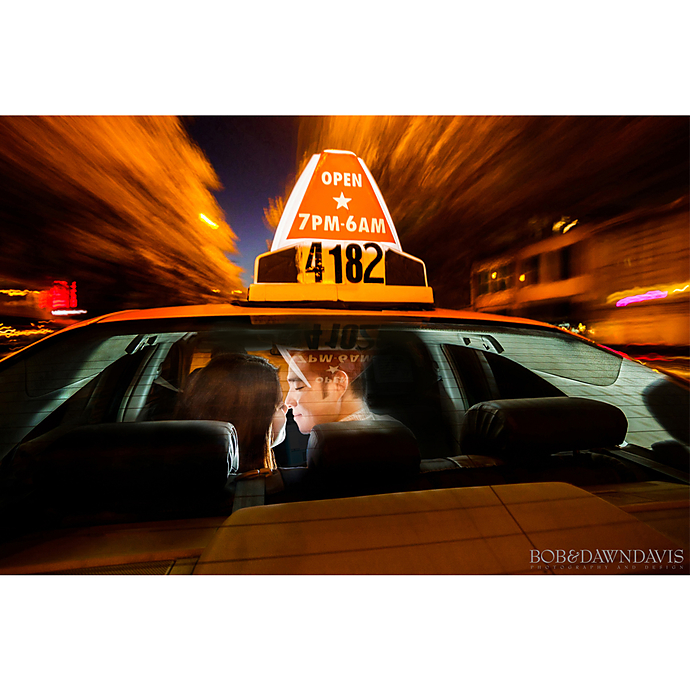
Compelling lighting separates strong entries from the pack—especially for portraits and editorials. Sessions like UUOnline: Share the Light Live Demo with Bob Davis and Westcott show how to shape light for mood and clarity.

-
Edit cleanly for the judges’ viewing conditions
Push color and contrast only as far as needed for impact and legibility. If you’re submitting action or short-form categories, polish pacing and sound design. NJCS: Edit and Share Your GoPro Content with Nick Berger covers efficient storytelling for motion and social-ready exports.
-
Pair images with concise captions
When captions are allowed, use them to clarify intent, location, and technique—not to over-explain. Judges should grasp the story at a glance.
-
Test your export pipeline
Soft-proof for sRGB, check shadow detail, and verify sharpness at the required pixel size. Upload a test image early to confirm portal quirks and avoid last-minute surprises.
Keep learning and stay connected
Unique Photo regularly hosts free and premium online sessions, live demos, and contest-focused talks—ideal for refining technique and understanding what judges look for. Explore resources like the Winners Reveal for NJ Monthly’s Cover Search and expert-led sessions that dissect lighting, editing, and presentation.
Get started
Pick one reputable contest this month, study its past winners, match your best work to the brief, and submit with confidence. Win or not, you’ll leave with sharper skills and clearer direction. When you’re ready for deeper dives, Unique Photo’s classes and community events are here to help you grow.