Entering your first photo contests is one of the fastest ways to grow: deadlines push you to shoot with intent, themes spark creativity, and feedback helps you improve. The key is choosing beginner-friendly contests—ones with approachable categories, clear rules, and fair judging—so you build confidence as well as your portfolio.
Why beginner contests are worth your time
Beginner contests often emphasize learning over prestige. Look for events that:
- Offer beginner or student divisions, or community voting with judge commentary.
- Have clear themes (nature, portraits, still life) and transparent rules.
- Keep fees low or free, and are hosted by local organizations, clubs, or educational communities.
11 tips for choosing and winning beginner-friendly contests
1. Start local for supportive feedback
City or county parks, nature centers, libraries, and community festivals frequently run photo contests that welcome newcomers. The stakes are friendly, and prizes often include exhibit prints or gift cards—great motivation for your first entries.
2. Try camera club and store challenges
Monthly club assignments and camera store challenges are designed to teach. Even if you’re not competing, attending a critique night or workshop clarifies what judges look for in composition, exposure, and storytelling.
3. Target nature and landscape themes first
Nature categories are common and beginner-friendly. Build a small, focused set of images around light, texture, and scale. A guided field experience can jump-start your portfolio for these themes—consider a hands-on walk like Macro and Landscape Photography at Duke Farms with Michael Downey for real-world practice before you submit.

4. Enter still life and product categories you can shoot at home
Control is everything: with tabletop sets you can refine lighting, backgrounds, and styling without weather or crowds. Skills from a focused class—like Product Photography and Post Production Editing with Blake Taylor—translate directly into cleaner, more competitive entries.

5. Dip into night-sky or low-light challenges with a plan
Astro categories can be beginner-friendly if you start with wide-field scenes (Milky Way over a landscape) and follow best practices for focus, tracking, and noise reduction. A structured series like UUOnline: Astrophotography 4-Part Series with Temu Nana helps you prepare contest-worthy captures from your first clear night.
6. Explore analog-only showcases if you shoot film
Many community galleries and labs host film-specific showcases that welcome newcomers. If you’re film-curious, an entry-level event like Film Lovers Event: Intro to Film Photography (Philly) demystifies cameras, stocks, and lab notes—so your submissions look intentional, not accidental.
7. Read the fine print before you shoot
Beginner-friendly doesn’t mean rule-free. Confirm: entry deadlines, image size and color space (often sRGB JPEG), allowed post-processing, eligibility (location, age), model/property releases for people or private property, and usage rights (avoid contests that demand broad, perpetual licensing for all entries). Build a checklist so you never get disqualified on a technicality.
8. Polish your edit, don’t overdo it
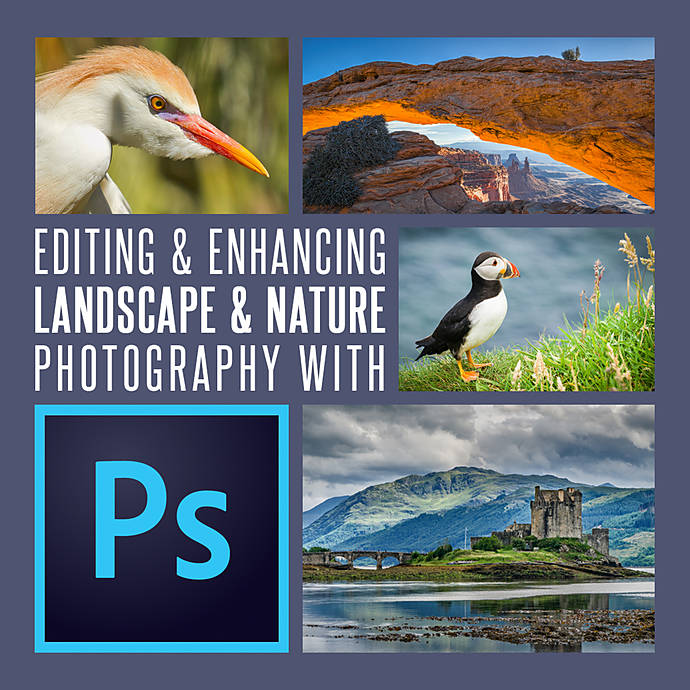
Judges notice clean tonal balance, believable color, and attention to detail (dust spots, halos, banding). If your category allows editing, learn a repeatable workflow—exposure and color first, local dodging/burning second, detail and output last. A class like Editing and Enhancing Landscape and Nature Photography with Photoshop focuses on tasteful, contest-ready finishing.
9. Tell a story with your caption
Strong captions give judges context: location, moment, and intent. Think in narratives—what did you feel and how did you convey it? Inspiration from talks like EXPO: Stories from the Road - Photography Across Worlds w. Matthew Borowick can sharpen your storytelling instincts across travel and everyday scenes.
10. Master your camera’s fundamentals
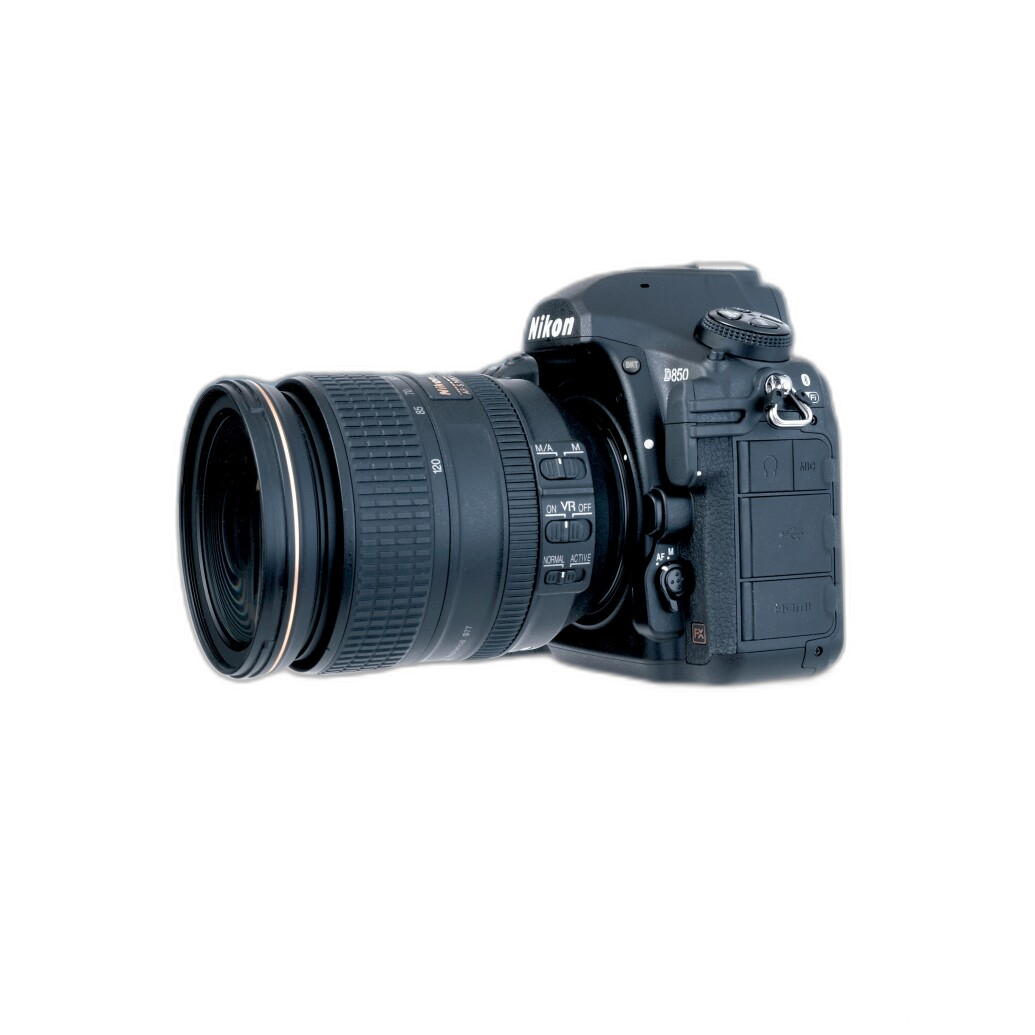
Technical misses (soft focus, motion blur, clipped highlights) sink otherwise great entries. Spend an afternoon with your manual or a camera-specific guide—if you’re a Nikon D850 shooter, the Nikon D850 Guide to Digital SLR Photography by David Busch is a thorough, practical reference to lock in exposure, AF modes, and custom buttons before contest day.
11. Enter consistently and track your progress
Make a shortlist of recurring contests (local parks, clubs, festivals, student divisions, brand hashtag challenges) and keep a simple spreadsheet of themes, deadlines, and results. Aim for two to three entries a month—frequency and reflection build skill faster than waiting for a single “big” win.
Final thoughts
Beginner-friendly contests are about momentum. Choose approachable themes, follow the rules, and keep refining your craft. When you’re ready to level up, Unique Photo’s classes, events, and educational guides can help you sharpen technique and presentation—so your next submission stands out for all the right reasons.