Event videography demands gear that can react as quickly as the day unfolds. From dim reception halls and fast-moving ceremonies to long speeches and unpredictable timelines, the camera you choose can shape both your workflow and your final footage. If you are deciding between a DSLR, a camcorder, or a cinema camera for weddings, corporate events, school performances, and live productions, the best choice often comes down to how you shoot, how long you record, and how much setup time you realistically have.
Below are practical tips to help you match the right camera type to the event. In many real-world jobs, a dedicated camcorder or PTZ setup can solve problems that hybrid stills cameras and cinema bodies may create under pressure.
1. Start by matching the camera to the pace of the event
Fast-paced events usually favor camcorders
If you need to move quickly, reframe constantly, and stay ready for anything, a camcorder is often the easiest tool to work with. Unlike many DSLRs, camcorders are built around video-first ergonomics, long recording times, servo zoom control, and integrated lenses that let you react instantly without swapping glass.
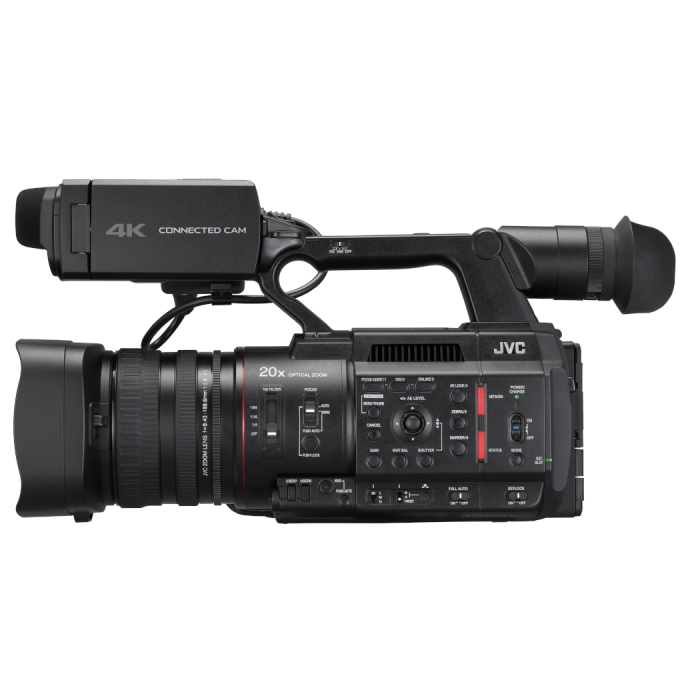
For example, the JVC GY-HC500U Handheld Connected Cam 1in 4K Professional Camcorder is a strong fit for event shooters who need a professional handheld body with 4K capability and a practical run-and-gun design. That kind of form factor can be especially helpful during weddings, conferences, and stage events where moments happen only once.
By contrast, DSLRs can still work well for event coverage when you prioritize shallow depth of field and a more photographic look, but they often require more rigging, more battery changes, and more lens decisions. Cinema cameras deliver excellent image quality and codec flexibility, yet they can slow you down if the production is not large enough to support a more deliberate workflow.
2. Think about recording length before you think about image style
Long ceremonies and presentations reward video-first cameras
One of the biggest differences in event work is not just image quality, but endurance. Can your camera record the full keynote, ceremony, recital, or panel discussion without interruption? Camcorders are usually the most comfortable answer here because they are designed for sustained recording and event-friendly handling.
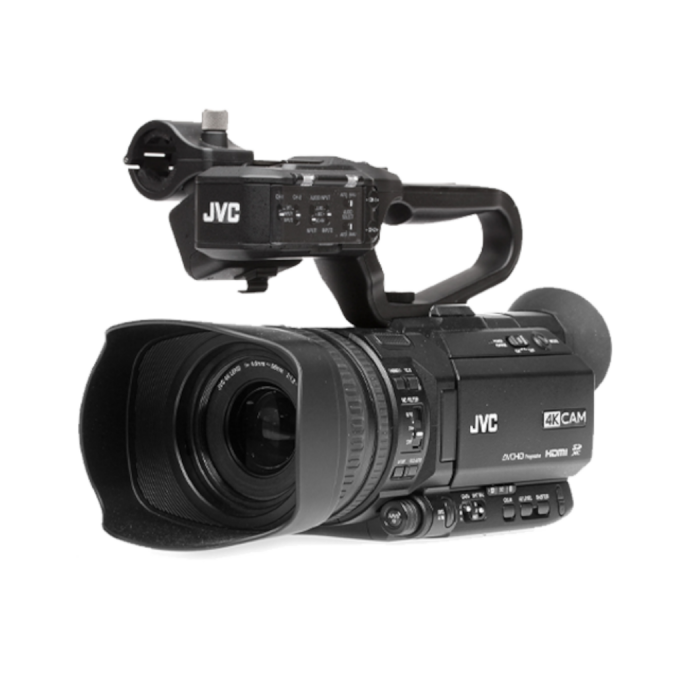
A model like the JVC GY-HM250SP Compact Handheld Camcorder with Integrated 12x Lens and Sports makes sense when you want an integrated zoom lens and a compact body that is easy to carry all day. For schools, community events, and houses of worship, that simplicity can matter more than chasing the most cinematic spec sheet.
DSLRs and mirrorless-style hybrid cameras can absolutely produce attractive event footage, but many operators discover that overheating concerns, clip limits on some older bodies, and smaller batteries become more stressful during longer jobs. Cinema cameras can be excellent for extended recording too, though they usually make the most sense when you also want external monitoring, higher-end audio support, and a more built-out production environment.
3. Decide how important zoom range is for your typical venue
If you cannot physically move closer, a camcorder or PTZ may be the smartest option
At live events, access is often limited. You may be stuck behind guests, locked to a media riser, or covering a ceremony from the back of a venue. In those situations, a built-in long zoom can be more valuable than interchangeable lenses.
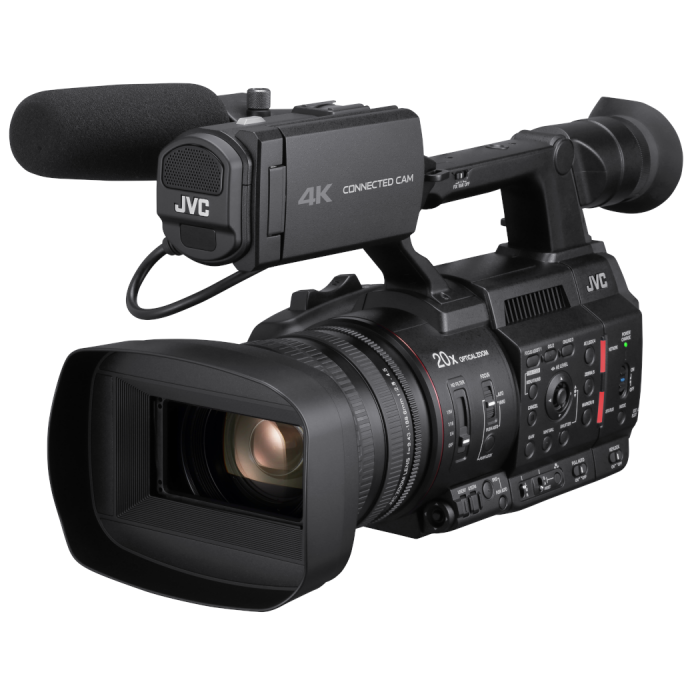
The JVC GY-HC500MC Handheld 4K 20x Zoom Connected Camcorder is a great example of why camcorders remain so practical for event professionals. A 20x zoom range can help you cover wide establishing shots, medium framing, and close-ups from one position without breaking your rhythm.
With a DSLR, you may need to carry multiple lenses or rely on lens changes at the wrong moment. Cinema cameras can solve this with the right lens package, but that adds budget, weight, and setup time. For many event shooters, especially solo operators, a quality camcorder zoom remains one of the biggest advantages in the field.
4. Use PTZ cameras when you need more coverage without more operators
Multi-camera events often benefit from remote camera placement
If your event includes a stage, lectern, worship platform, or panel table, PTZ cameras can be an excellent alternative to traditional manned cameras. They let you place cameras in discreet positions and control framing remotely, which is ideal for live streaming, performances, and corporate productions.
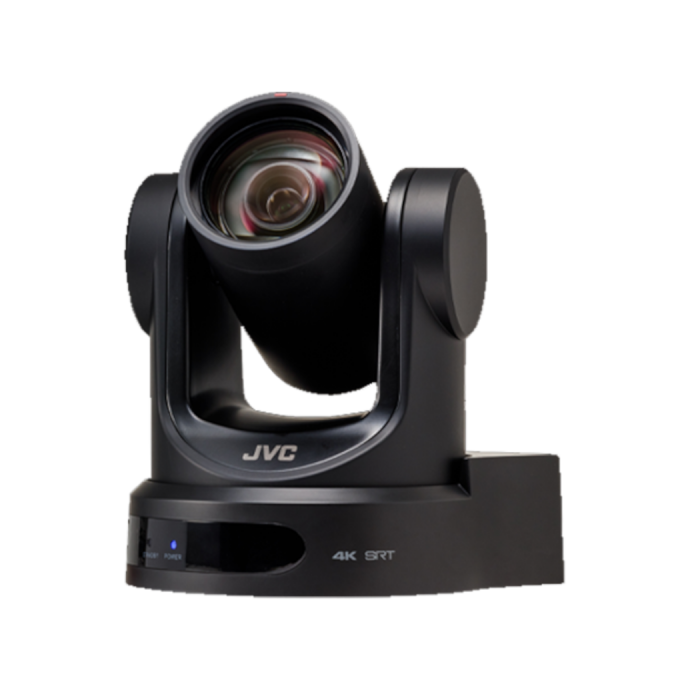
The JVC KY-PZ400N 4K NDI HX PTZ Remote Camera with 12x Optical Zoom is particularly useful when you want a clean multi-camera setup that supports modern event workflows. Likewise, the JVC KY-PZ200N HD NDI HX PTZ Remote Camera with 20x Optical Zoom offers a longer zoom range that can be valuable in larger rooms and sanctuaries.
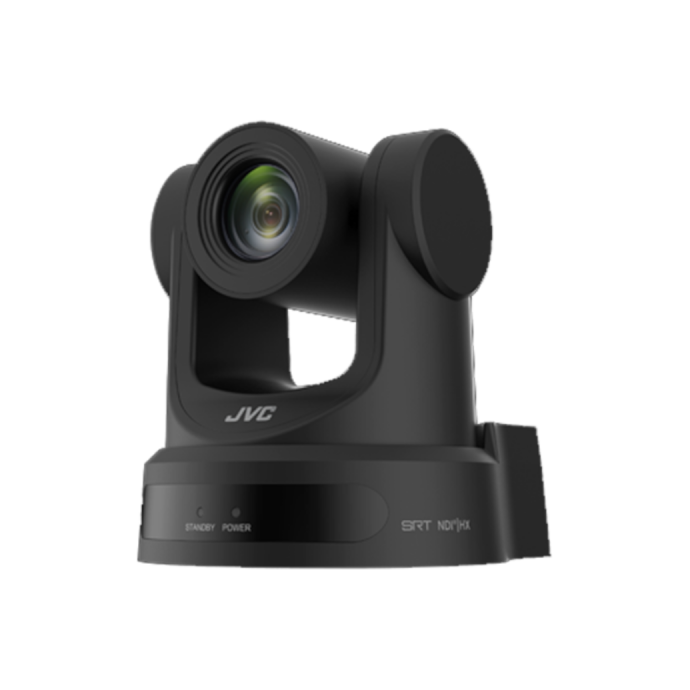
If you are comparing a DSLR or cinema camera to a camcorder for event work, remember that neither of those categories replaces the convenience of a well-positioned PTZ system. For hybrid events and livestreamed productions, PTZ cameras can dramatically expand your coverage while reducing staffing needs.
5. Be realistic about audio and event-day handling
Camcorders are often easier to deploy when everything must work immediately
Events leave very little room for troubleshooting. You may be capturing a once-in-a-lifetime ceremony or a one-take executive presentation. Camcorders typically make life easier with familiar handheld balance, quick-access controls, and layouts designed around continuous video operation.
The JVC GY-HC500SPCU Handheld 4K Connected Camcorder with Sport Overlays reflects that same video-first philosophy. Even when you do not need specialty overlays, a dedicated event-friendly camcorder platform can simplify operation compared with adapting a stills-first camera body to video duty.
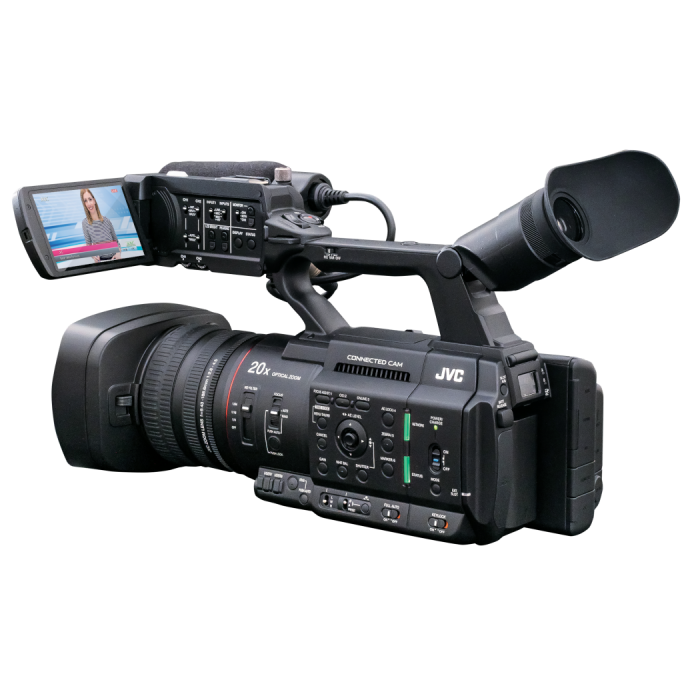
DSLRs often shine when you want a compact footprint and a familiar crossover tool for both photo and video. But if the assignment is heavily video-focused, many videographers appreciate how quickly a camcorder can be powered up, framed, zoomed, and kept rolling under pressure.
6. Choose cinema cameras when the event has a true production crew
They shine when image control matters more than speed
Cinema cameras are often the right answer when the event is less about run-and-gun coverage and more about creating a polished production with dedicated support. If you have a focus puller, separate audio, lighting control, external monitors, and time for lens changes, a cinema camera can deliver beautiful results with strong color workflows and postproduction flexibility.
However, for many event shooters, that level of setup is not always practical. A handheld camcorder or PTZ system may better fit the reality of weddings, recitals, conferences, and municipal events. If your day includes constant repositioning and long stretches of uninterrupted capture, camcorders remain one of the most efficient tools available.
7. Consider PTZ color matching and room aesthetics for fixed installs
White PTZ options can blend more cleanly into certain venues
For churches, conference rooms, lecture halls, and event spaces where equipment visibility matters, the color and placement of your cameras can make a difference. The JVC KY-PZ200 HD PTZ Remote Camera with 20x Optical Zoom (White) and the JVC KY-PZ200N HD NDI HX PTZ Remote Camera with 20x Optical Zoom (White) can be easier to integrate visually into lighter interiors while still giving you strong remote coverage options.
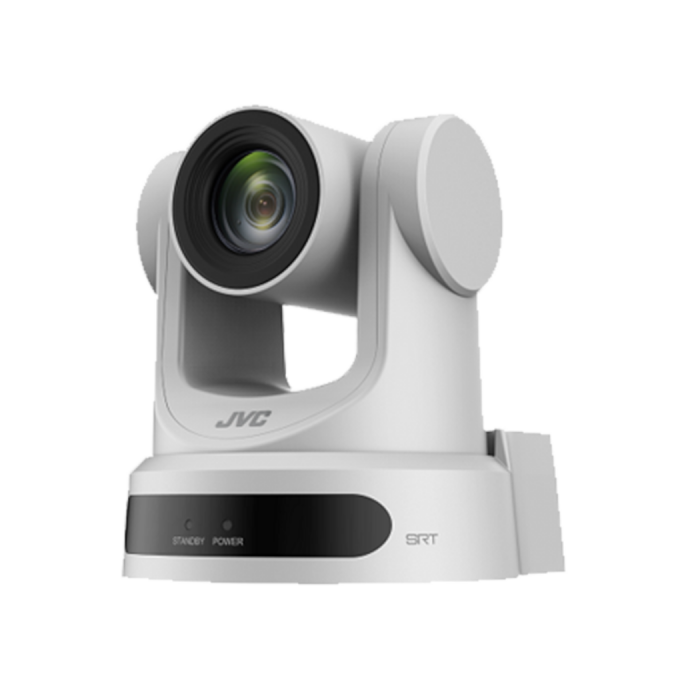
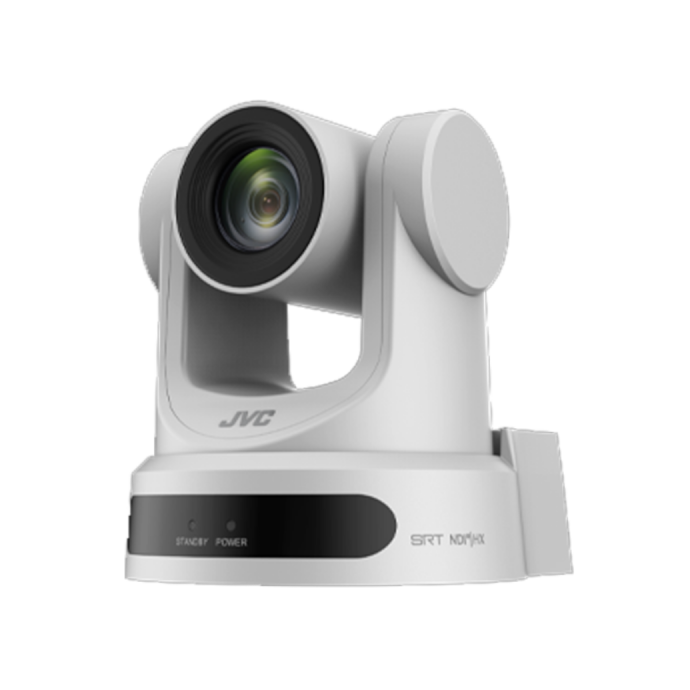
This is a good reminder that event videography is not just about the main camera in your hands. Sometimes the best system is a mix: a handheld camcorder for mobile coverage, supported by PTZ cameras for safe, steady wide shots and alternate angles.
8. Build around workflow, not just specs
The best event camera is the one that keeps you efficient all day
- Choose a DSLR if you need strong photo-video flexibility, like a more photographic look, and can work around shorter run times or added rigging.
- Choose a camcorder if you prioritize long recording, integrated zoom, responsive ergonomics, and dependable event-day operation.
- Choose a cinema camera if you have a crew, time to build out the rig, and want maximum creative control for a higher-end production.
- Add PTZ cameras if you need extra angles, cleaner livestream coverage, or more reach without adding more camera operators.
For many event professionals, especially solo shooters and small teams, camcorders like the JVC GY-HC500U or GY-HC500MC offer one of the best balances of flexibility and speed. When the job grows into a multi-camera production, JVC PTZ models such as the KY-PZ400N or KY-PZ200N can make the overall system even more capable.
Final thoughts
There is no single winner in the DSLR vs. camcorder vs. cinema camera debate for event videography. The right choice depends on the event type, crew size, delivery needs, and how much unpredictability you expect during the day. If reliability, zoom range, and long-form recording matter most, a dedicated camcorder or PTZ setup is often the most practical path. If you are planning your next event video kit, Unique Photo is a great place to explore professional JVC camcorders and PTZ camera solutions that fit real-world production needs.