Introduction: Turning Strong Photos into Winning Entries
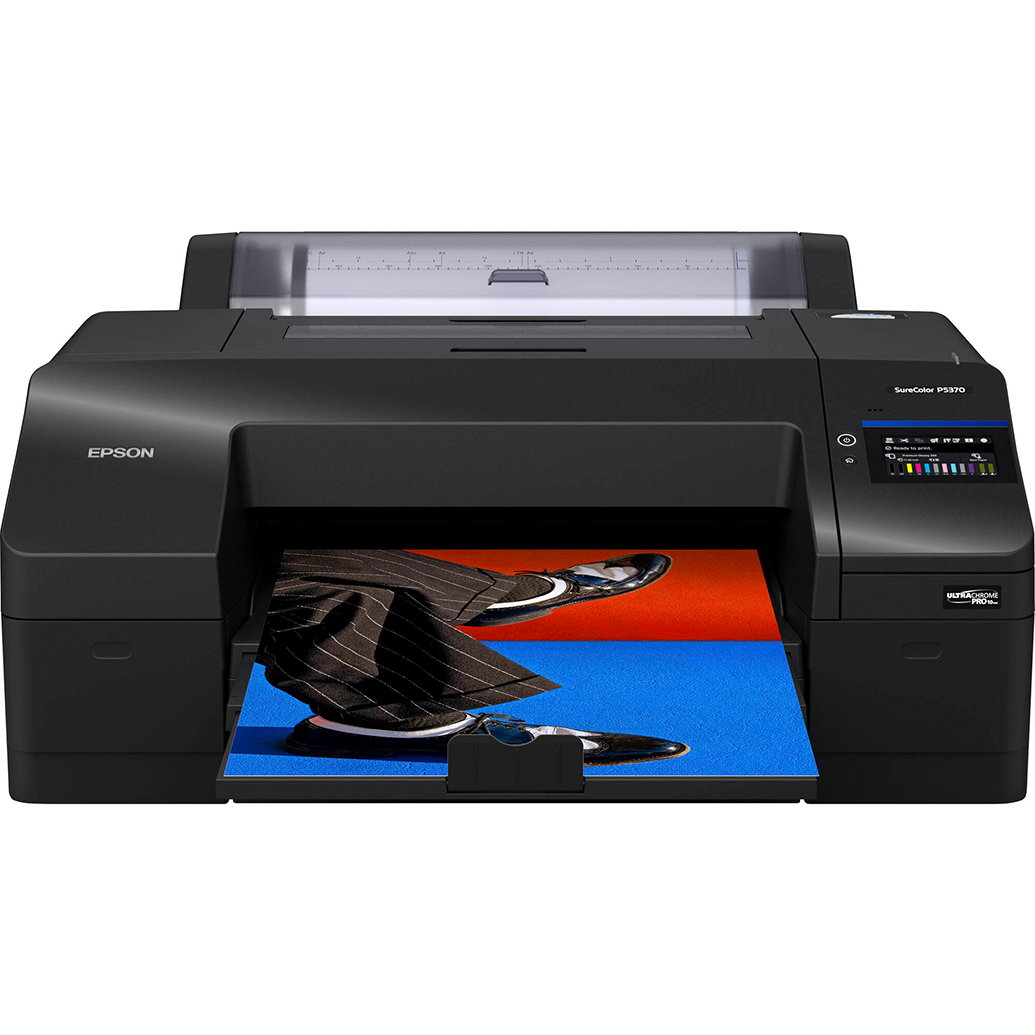
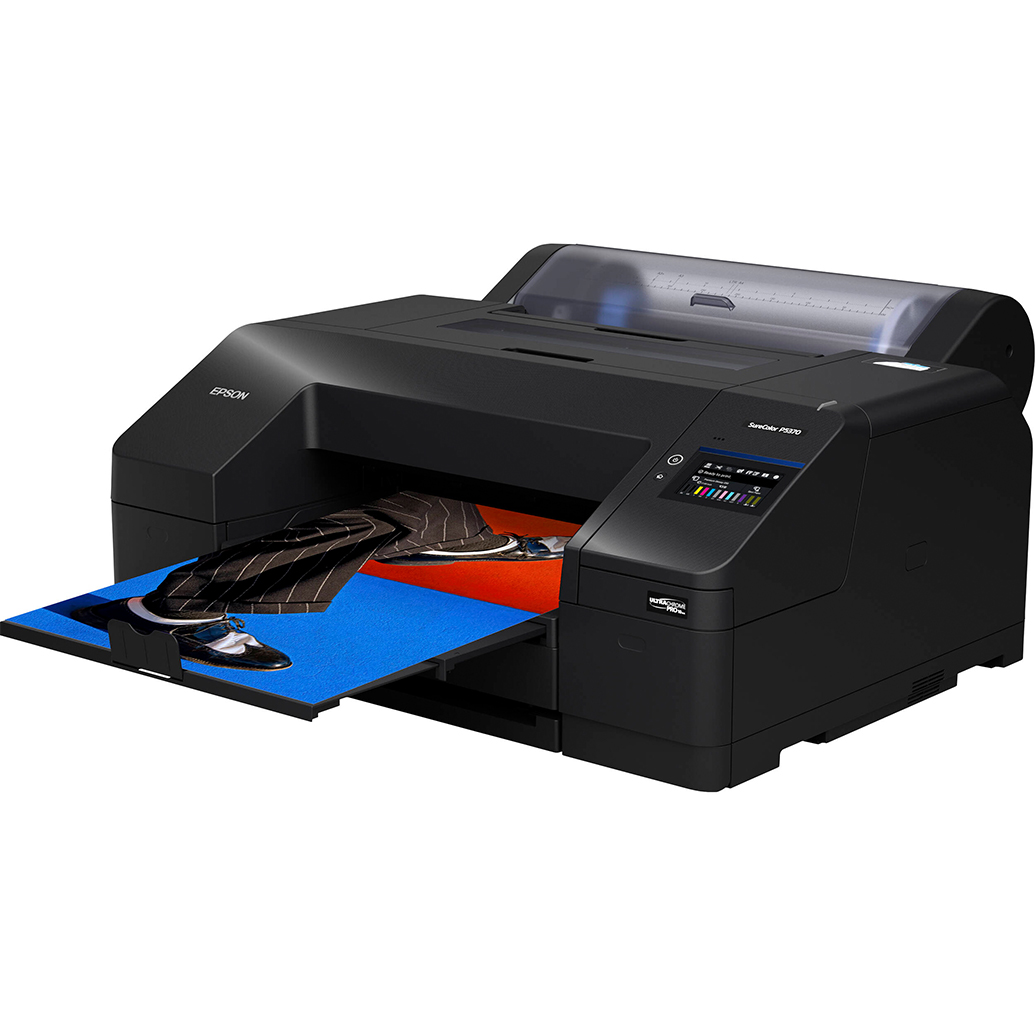
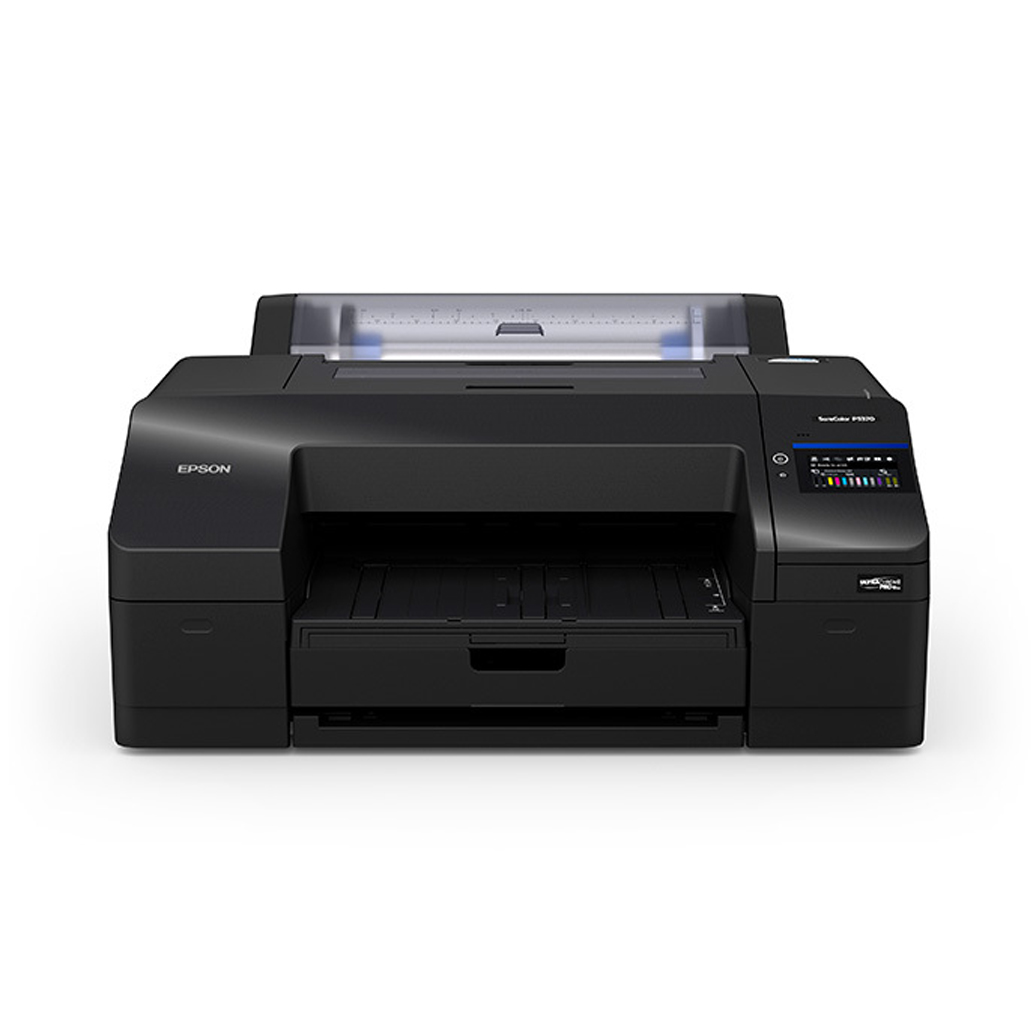
In photo competitions—whether at your local camera club or across major online platforms—the difference between a good image and a winning one rarely comes down to subject alone. Judges reward technical excellence (clean detail, accurate color, convincing tonality), a clear creative intent, and impeccable presentation. If you’re serious about bringing your work up to competition standard, your workflow must end with a print or a digital file that reflects your vision with absolute fidelity. That’s where the Epson SureColor P5370 17-Inch Professional Photographic Printer enters the picture: it’s a color-accurate, gallery-capable printer designed to help your best images look their absolute best—on paper and, by extension, everywhere they’re judged.
Key Features That Win Judges Over
Precision Color and Tonal Control
Contest judges notice when hues are lifelike, skin tones feel natural, and subtle gradients hold together without banding. The P5370’s professional pigment ink technology and advanced MicroPiezo printhead deliver clean micro-droplets for a smooth tone curve and excellent color accuracy. In practice, that means your reds don’t clip, your blues stay rich, and shadow detail remains legible without crushing—exactly the kind of refinement that separates finalists from runners-up.
Black-and-White Neutrality and Depth
Monochrome categories demand neutrality and depth without unwanted color casts. The P5370 supports Epson’s dedicated black-and-white printing approach, enabling neutral or toned output (cool, neutral, warm) with convincing D-max. Your silver-inspired blacks and airy highlights will retain the nuance that judges expect from a competition-grade print.
17-Inch, Exhibition-Ready Format
Local and national contests often allow—and sometimes favor—larger prints. The 17-inch format enables impactful presentation while remaining manageable for home studios. Whether you print 13x19 on baryta or full-width panoramic pieces, the P5370 has the scale to command attention on a judging table or gallery wall.
Media Versatility for the Right Look
Winning entries often pair the right paper with the right image. The P5370 handles a wide array of photo and fine-art media—from glossy and luster to matte and textured papers. That flexibility lets you match paper surface to subject: a luster for color portraits, baryta for deep blacks in landscapes, and smooth matte for delicate, low-contrast scenes. The result is cohesive presentation that feels intentional and refined.
Color-Managed Workflow and ICC Support
Consistency is a hallmark of winning portfolios. The P5370 plays well with ICC profiles and color-managed applications, helping you soft-proof reliably and print exactly what you see. That reliability also strengthens your online contest submissions; when your file is prepared in a robust color workflow, your JPEGs upload with predictable color and contrast, minimizing surprises on judging monitors.
Dependable Handling and Build Quality
Contest deadlines are unforgiving, and reprints eat time. Solid media handling, maintenance routines, and intuitive controls help you move from test sheets to final prints quickly and confidently. The P5370’s pro build is designed for repeatable results—print after print—so your attention stays on craft, not troubleshooting.
Real-World Performance for Competition Entries
On saturated color work, the P5370 produces vibrant yet controlled palettes with fine microcontrast—ideal for nature, travel, and editorial categories. In highlight-critical portraits, it keeps transitions smooth, preserving skin texture without harshness. And in high-contrast black-and-white, it balances deep blacks with articulate midtones, maintaining the kind of tonal elegance that often draws judges in for a longer look.
Importantly, it’s consistent. Once dialed in with your chosen paper profile, you can trust the printer to reproduce your look across multiple entries and seasons, which is essential if you submit to recurring contests or series-based categories.
Workflow Tips That Help You Win
- Calibrate your display and soft-proof with the correct paper profile before hitting Print. Consistency from screen to paper is one of the most overlooked advantages in contests.
- Choose paper to amplify intent: glossy or luster for punchy color, baryta for classic photographic depth, matte for painterly subtlety.
- Trim and present cleanly. Judges notice edge quality, print borders, and mounting. Even the best print can stumble if presentation feels careless.
- For online-only contests, build your print-ready file anyway—then export a web JPEG from the same color-managed master. The discipline of a print workflow often yields cleaner, more polished digital submissions.
Pros and Cons
- Pros
- Excellent color accuracy and smooth tonal transitions
- Convincing black-and-white output with strong D-max
- 17-inch format suitable for competition and exhibition prints
- Broad media compatibility to match paper to image intent
- Robust ICC and soft-proof workflow support
- Solid build geared for repeatable, deadline-ready results
- Cons
- Requires space and a stable, color-managed setup
- Pigment ink costs can add up for high-volume printing
- Color management has a learning curve for newcomers
- Some specialty media may require careful setup and profiling
Who Should Choose the P5370
If you’re entering local salon-style competitions, camera club shows, or national online contests that culminate in print judging, the P5370 delivers the fidelity and scale that move images into finalist territory. It’s also a strong fit for portrait and landscape photographers who sell prints and want competition-level output at home.
Verdict and Recommendation
A winning photo combines vision with meticulous execution. The Epson SureColor P5370 gives you the print-side confidence to show judges exactly what you intended: accurate color, nuanced tonality, and presentation that feels deliberate. For competitors who value repeatable, gallery-capable output without outsourcing, the P5370 is an excellent choice.
Buy the Epson SureColor P5370 from Unique Photo to anchor your competition workflow, and lean on our expert staff for paper selection and profiling tips that can give your entries a decisive edge.
Where to Buy
The Epson SureColor P5370 17-Inch Professional Photographic Printer is available at Unique Photo. Visit uniquephoto.com or speak with our in-store specialists for tailored media recommendations and contest-ready workflow guidance.