Shooting solo means wearing every hat at once: camera operator, audio tech, lighting assistant, and editor. The right accessories can make that job dramatically easier, helping you move faster, stay organized, and capture more professional-looking footage without needing a full crew. Whether you're filming interviews, vlogs, events, or branded content, a few smart add-ons can improve your sound, speed up setup, and give you more control on set.
Below are practical tips for choosing essential accessories that help solo videographers work more confidently and efficiently.
1. Prioritize clean audio before upgrading anything else
Use a dedicated recorder for more reliable sound
Audiences may forgive a slightly imperfect image, but bad audio can make otherwise great footage unusable. For solo creators, a portable field recorder can be one of the most important accessories in the bag. The Zoom H6Essential Series 6-Track 32-Bit Float Handheld Recorder is especially useful because its 32-bit float recording helps protect against clipped audio when levels change suddenly—ideal when you're both directing and monitoring yourself.
A recorder like this also gives you flexibility for interviews, ambient sound, voiceovers, or backup audio when your camera setup is changing quickly. If you often work outdoors, pairing it with the Zoom WSH-4E Hairy Windscreen for H4essential and H6essential can help reduce distracting wind noise and save a take that might otherwise be unusable.
2. Keep your lens kit simple with practical filters
Choose filter kits that solve common shooting problems
Solo videographers benefit from accessories that do more than one job. A compact filter kit can help you manage reflections, protect your lens, and adapt to changing light without slowing down your workflow. The Tiffen 46mm Photo Essentials Kit/TPK1 and Tiffen 49mm Digital Essentials Kit are good examples of accessories that can streamline everyday shooting.
If you work in mixed environments—indoors near windows, outside in bright sun, or around reflective surfaces—keeping a filter kit ready can reduce the time spent fixing issues in post. It is a simple upgrade that helps solo shooters stay nimble while maintaining image quality.
3. Build a faster rig with quick-release accessories
Save setup time when switching monitors or add-ons
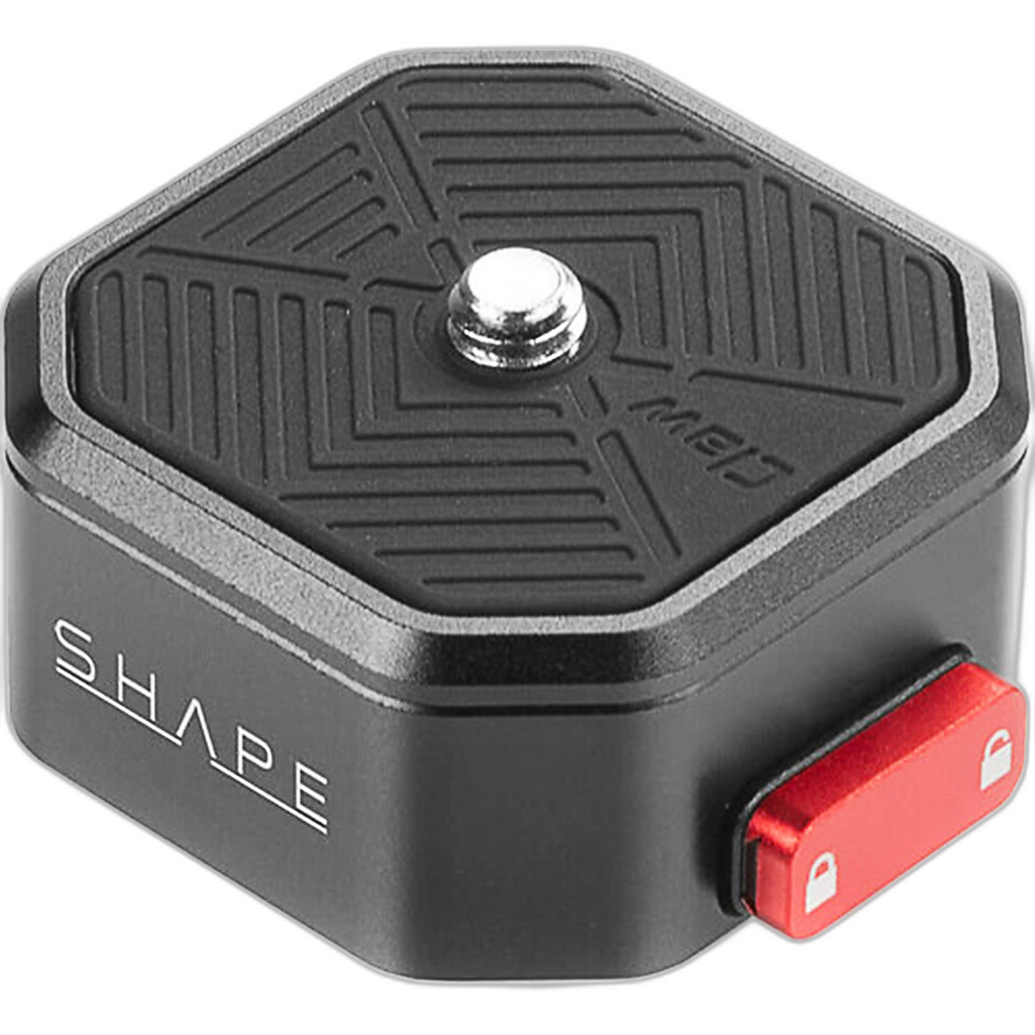
When you're filming alone, every minute spent adjusting your rig is a minute you're not capturing footage. A quick-release solution can make a major difference, especially if you regularly move between tripod work, handheld shooting, and compact travel setups. The Shape Low-Profile Mini Quick Release Base for Monitors and Accessories is a smart addition for solo videographers who want to mount or remove accessories quickly without rebuilding their setup from scratch.
This kind of accessory is particularly useful for external monitors and compact support gear. It keeps your build efficient and makes it easier to adapt on the fly when you're working without extra hands on set.
4. Prepare for both production and livestreaming
Use webcam accessory kits to get more from your camera
Many solo videographers don't just shoot video—they also teach online, host livestreams, join virtual client meetings, or create content from a desk setup. Having accessories that let your camera pull double duty is a major advantage. The Canon EOS Webcam Accessories Starter Kit for EOS Rebel Cameras and the Canon EOS Webcam Accessories Starter Kit for EOS M Cameras can help turn compatible cameras into more polished streaming or conferencing tools.
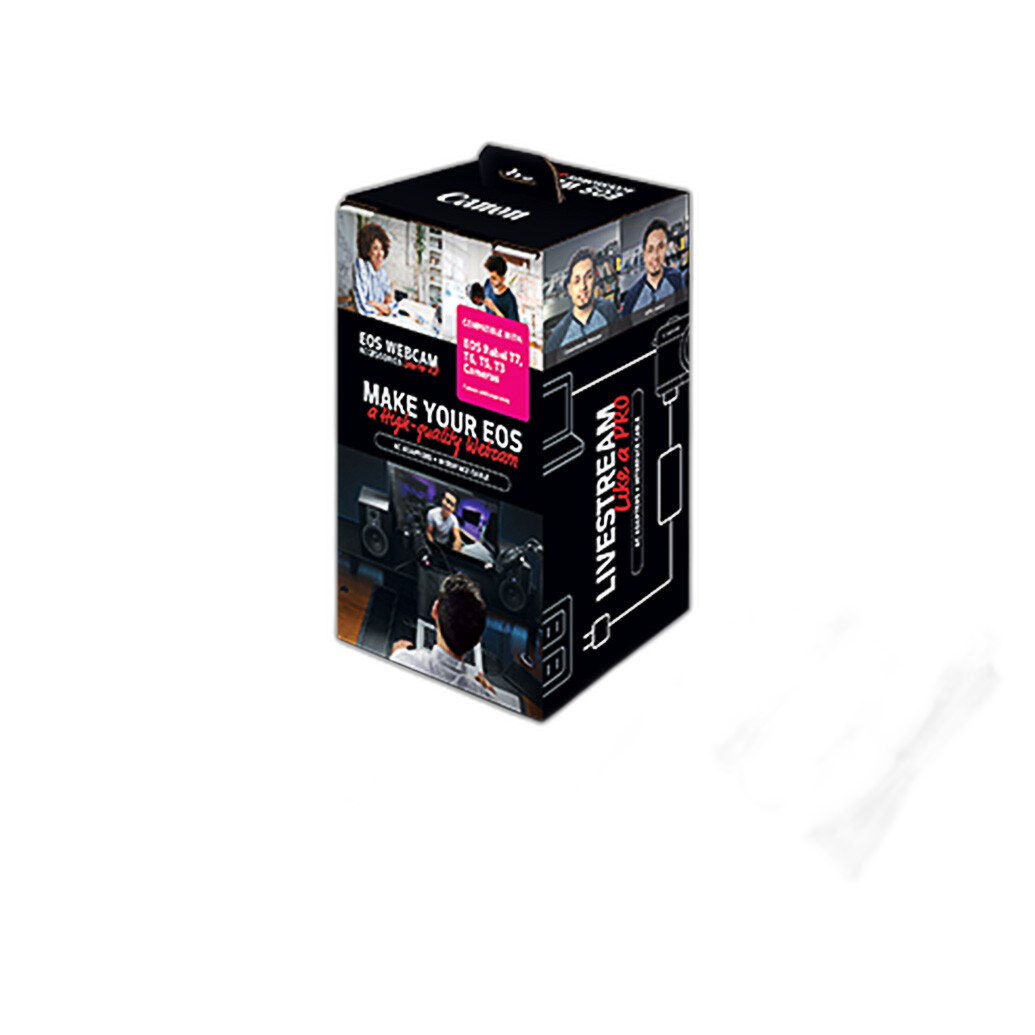
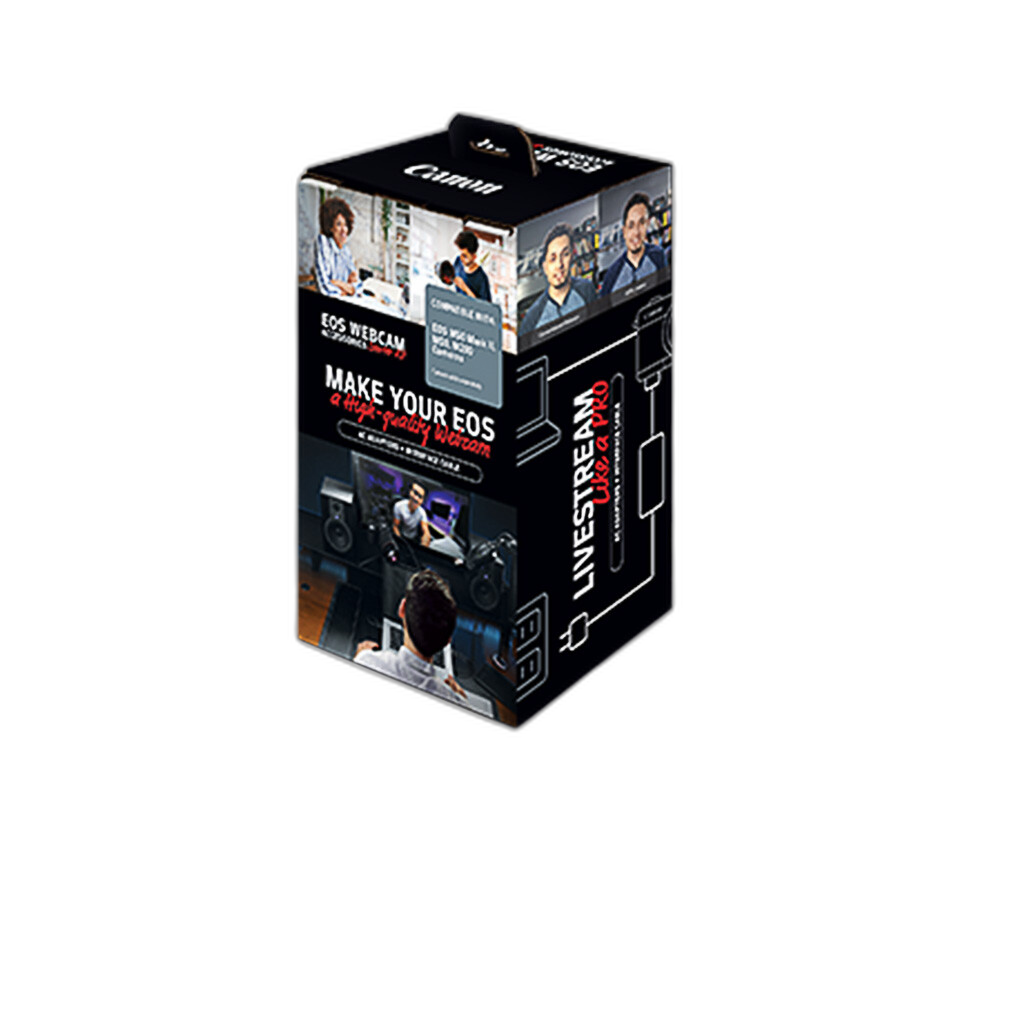
For solo creators, versatility matters. Accessories that support both filmmaking and webcam use can stretch your budget further while helping you maintain a professional presence across different platforms.
5. Think in systems, not just single accessories
Choose gear that supports future growth
The best solo videography accessories don't just solve today's problem—they make tomorrow's shoots easier too. If you're building toward larger productions, cinema-focused systems can offer a more complete foundation. The Red Digital Cinema V-RAPTOR XE Cine Essentials Pack (Canon RF) represents the kind of ecosystem approach many professional videographers value: a camera platform supported by accessories that fit serious production workflows.
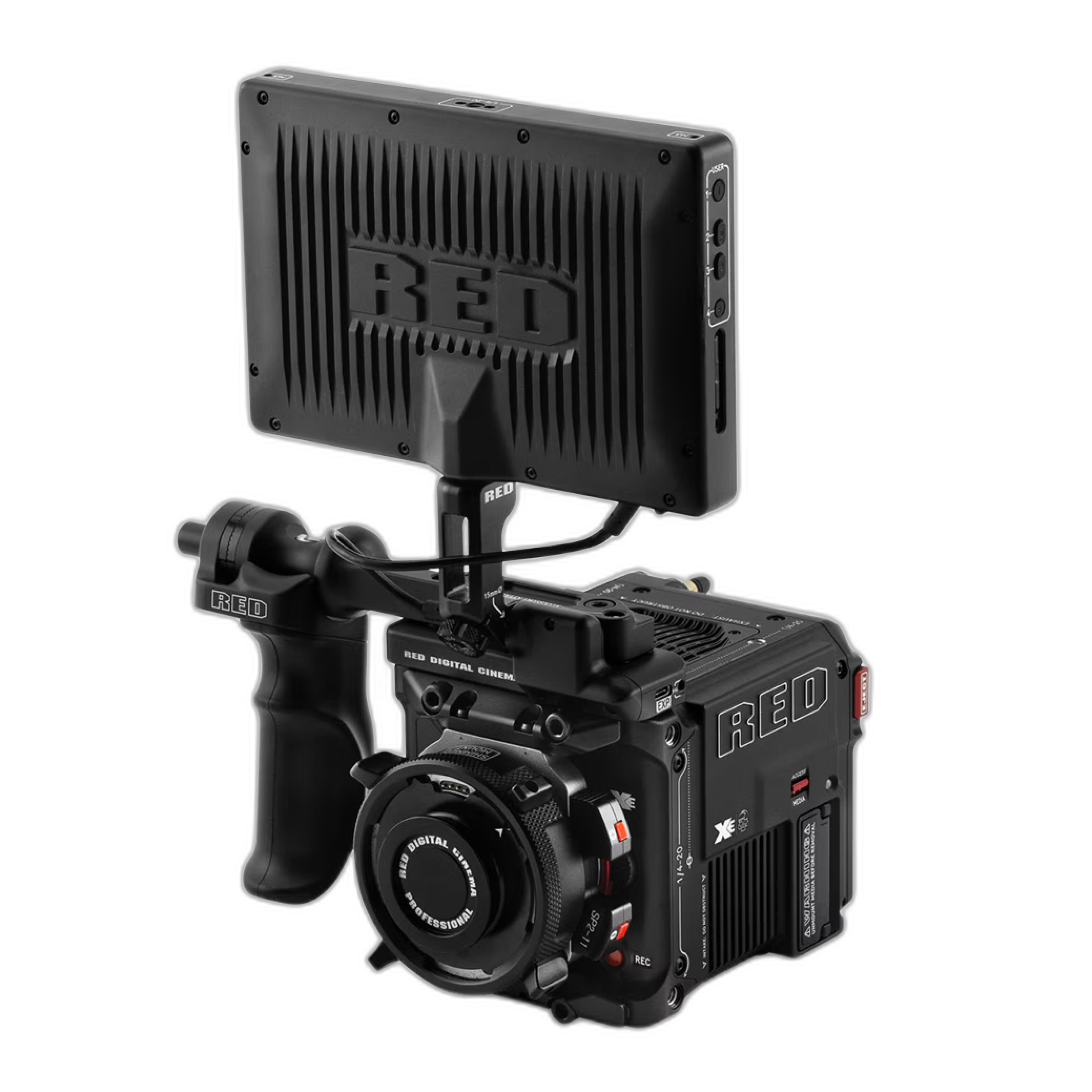
Even if your current setup is smaller, thinking this way can help you buy smarter. Look for accessories that remain useful as your shooting style evolves, rather than products you'll outgrow after a few jobs.
6. Pack for efficiency, not just quantity
Carry accessories that reduce stress on shoot day
Solo videographers often feel pressure to bring everything, but a better strategy is bringing the right essentials. A dependable audio recorder, wind protection, a compact filter kit, and a quick-release accessory mount can cover a wide range of common production challenges. Choosing tools that are lightweight, reliable, and easy to deploy helps you stay focused on storytelling instead of troubleshooting.
Before each shoot, ask yourself a few simple questions:
- Will I need backup or higher-quality audio?
- Am I shooting in bright, reflective, or changing light?
- Do I need to switch accessories quickly during production?
- Will this camera also need to function for streaming or remote work?
Answering those questions can help you pack more intentionally and avoid unnecessary clutter.
Conclusion
Working solo doesn't mean compromising on production value—it just means choosing accessories that help you do more with less. From the flexibility of the Zoom H6Essential to practical filter kits from Tiffen, fast rigging tools from Shape, and webcam-ready options from Canon, the right support gear can make your shoots smoother and your results stronger. If you're ready to refine your solo video setup, explore these accessories and more at Unique Photo to build a kit that works as hard as you do.