Sony Landscape Lens Compare FAQ: Sharpness, Corners, and Lens Profiles
Choosing a Sony lens for landscape photography often comes down to one big question: how sharp is it from the center all the way to the corners? Comparison tools can be helpful, but they work best when you understand what they show, what they miss, and how real-world technique affects the final image.
At Unique Photo, we recommend using comparison data as a starting point rather than the only deciding factor. For landscape shooters, edge detail, field curvature, distortion correction, and filter compatibility can matter just as much as headline sharpness numbers.
Does a lens comparison tool accurately reflect corner sharpness?
A comparison tool can be useful for spotting broad trends in corner performance, but it should not be treated as the final word. Corner sharpness can vary depending on focus distance, aperture, sample variation, sensor resolution, and whether in-camera or software lens corrections are applied. In landscapes, where fine foliage, rock textures, and distant detail stretch across the frame, even small differences in technique can change what you see more than a chart or beta comparison might suggest.
For the most reliable evaluation, compare lenses at the apertures you actually use outdoors. Many landscape photographers work around f/8 to f/11 for depth of field, but ultra-wide lenses may deliver their cleanest edge-to-edge results slightly wider or slightly stopped down depending on the design. It is also important to look at real files, especially in scenes with complex detail near the frame edges.
Which Sony wide-angle lens is the strongest choice for edge-to-edge clarity in landscapes?
If your priority is premium corner-to-corner performance on Sony full-frame, the Sony FE 12-24mm f/2.8 GM is one of the most compelling options available. It is designed for demanding high-resolution sensors and gives landscape photographers an ultra-wide field of view without sacrificing the professional-level sharpness expected from the G Master line.
At focal lengths where many ultra-wide lenses begin to soften toward the edges, this lens remains a standout option for photographers who want dramatic foreground emphasis, expansive skies, and crisp frame boundaries. That makes it especially appealing for architecture-in-landscape scenes, seascapes, and grand vistas where corner detail is easy to notice.
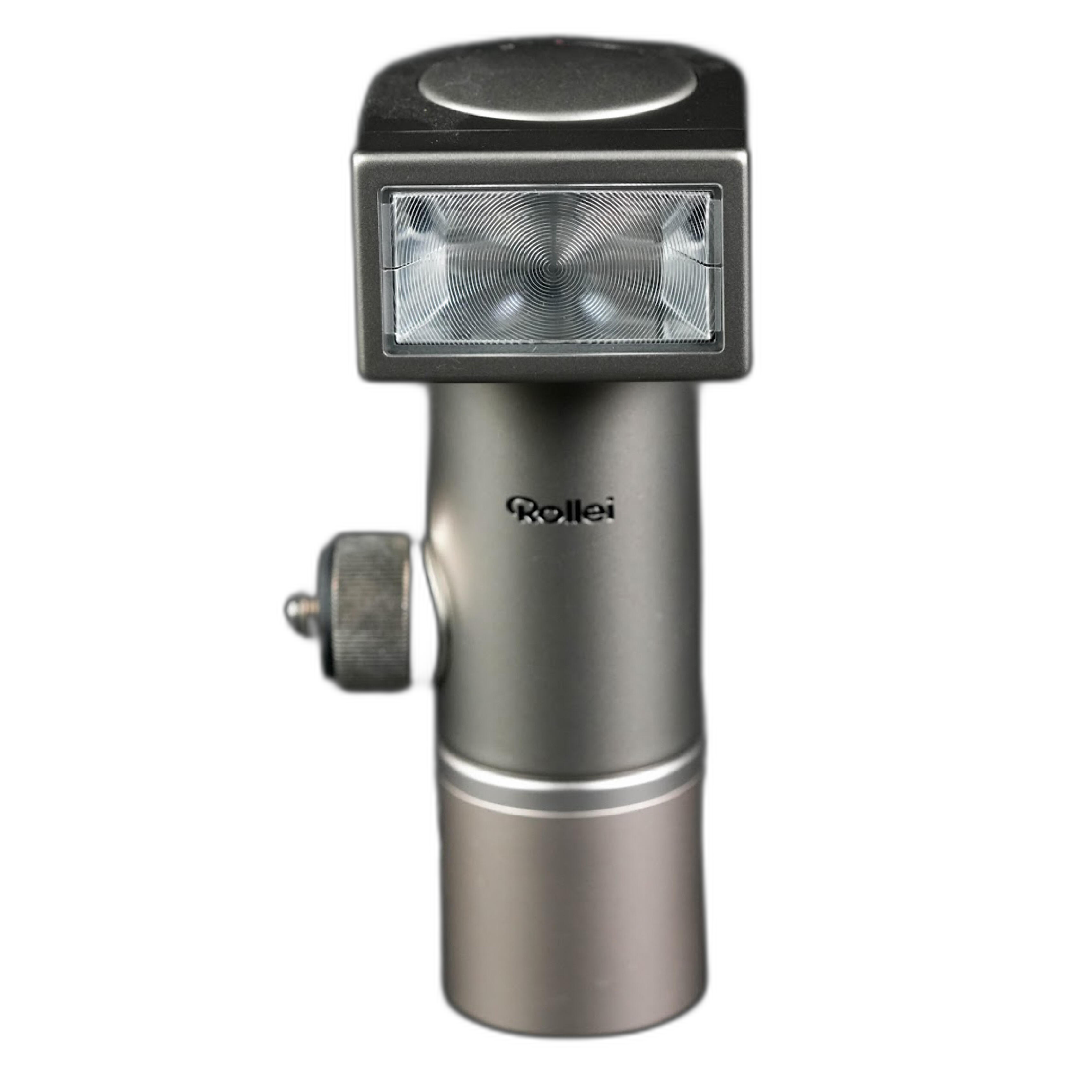
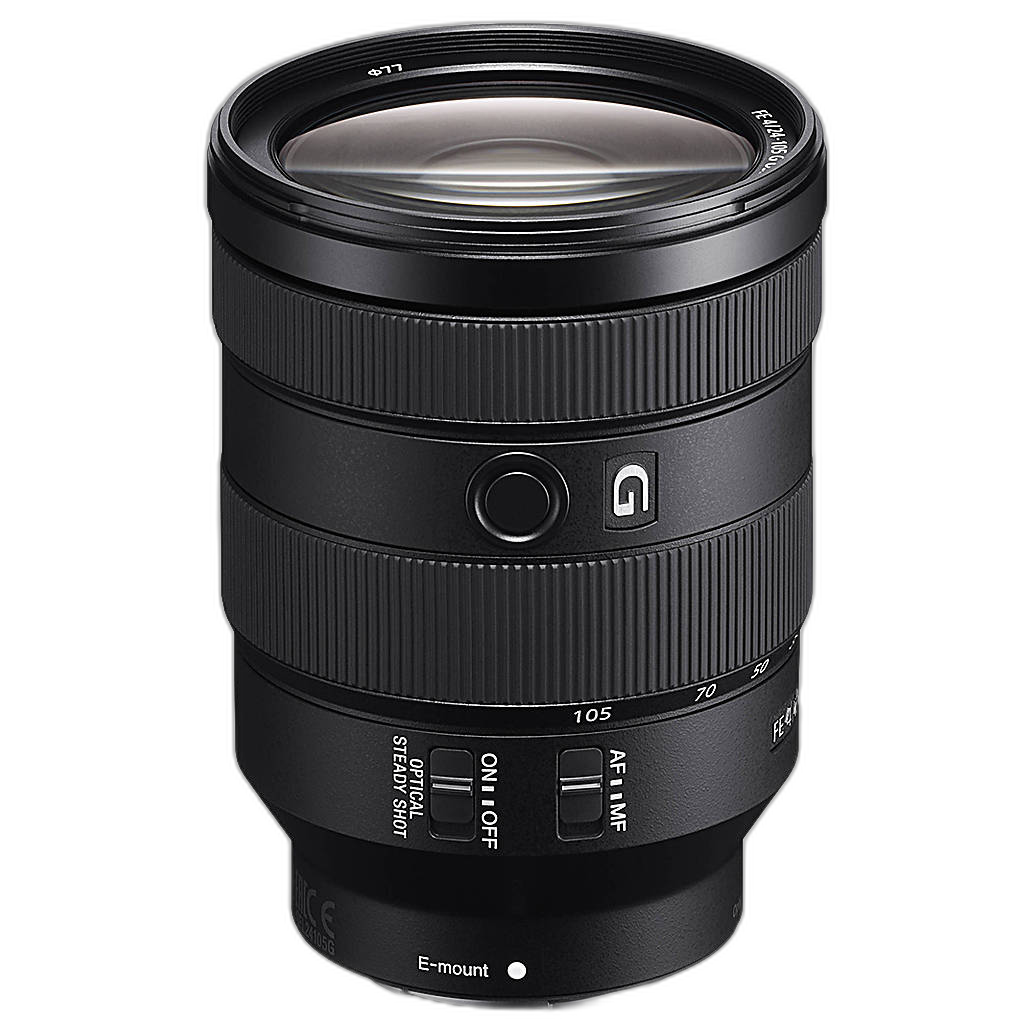
If you shoot a mix of landscapes and travel, the Sony FE 24-105mm f/4 G OSS is another excellent choice. While it is not as extreme as a 12-24mm, it offers versatile framing options and strong optical performance across a very useful focal range. For many landscape photographers, that flexibility is more valuable than going ultra-wide every time.
Should landscape photographers trust center sharpness tests alone?
No. Center sharpness is only part of the story. Many lenses look excellent in the middle of the frame, especially on modern mirrorless systems, but landscapes often expose weaknesses at the edges and corners. If you frequently include tree lines, mountain ridges, stars, shoreline details, or architectural elements near the sides of the frame, edge consistency becomes critical.
For that reason, we advise landscape shooters to evaluate a lens based on overall rendering, not just center resolution. A lens with slightly less impressive center numbers but better edge uniformity may produce better landscape images in practice. This is one reason a high-end ultra-wide like the Sony FE 12-24mm f/2.8 GM gets so much attention from serious outdoor photographers.
What lens profile issues should I watch for when shooting landscapes?
The main profile-related concerns are distortion correction, vignetting correction, and chromatic aberration correction. Some modern lenses rely on digital correction more heavily than others. That is not necessarily a problem, but it does matter when you evaluate corners and edges because software correction can stretch pixels near the frame boundary and subtly affect perceived sharpness.
For landscapes, pay special attention to:
Distortion: Important when you have horizons, buildings, or straight lines near the edges.
Vignetting: Can darken corners, especially at wider apertures.
Lateral chromatic aberration: Often visible as color fringing on high-contrast branches or rocks near the frame edges.
If you are comparing lenses, make sure you know whether the files are corrected or uncorrected. A corrected file may look cleaner geometrically, while an uncorrected file may reveal the lens's native behavior more clearly.
Is an ultra-wide lens always better for landscapes?
Not always. Ultra-wide lenses create a dramatic sense of space, but they also make composition more demanding. If the foreground is weak, an ultra-wide image can feel empty even if the lens is technically excellent. That is why many experienced landscape photographers carry both an ultra-wide and a standard zoom.
The Sony FE 12-24mm f/2.8 GM is ideal when you want scale, foreground exaggeration, and immersive perspective. The Sony FE 24-105mm f/4 G OSS is often the better choice when you want to simplify the scene, isolate layers in the landscape, or avoid the stretched perspective that can come with very short focal lengths.
In other words, the best lens is the one that matches your composition style as well as your sharpness expectations.
How much does stopping down improve edge detail?
Stopping down usually helps, but only up to a point. Many lenses improve noticeably from wide open to mid-range apertures, particularly at the edges. For landscapes, apertures like f/5.6, f/8, and f/11 are common testing points because they often balance sharpness and depth of field well.
However, stopping down too far can introduce diffraction, which reduces fine detail across the image. On high-resolution Sony bodies, this matters more than ever. If your goal is maximum corner clarity, the ideal aperture may not be the smallest one available. Testing your specific lens in your own workflow is still the best way to confirm performance.
How important is filter compatibility for Sony landscape lenses?
Filter compatibility is a major practical consideration. Many landscape photographers rely on polarizers, neutral density filters, or graduated filters. With ultra-wide designs, especially those with large bulbous front elements, filter use can be more complicated than with standard zooms.
That is one reason some photographers prefer a lens like the Sony FE 24-105mm f/4 G OSS for travel and all-around landscape work: it is easier to integrate into a traditional filter setup. Ultra-wide specialists may need dedicated holders or larger filter systems depending on the lens design and the shooting scenario. When comparing landscape lenses, do not ignore this part of the equation.
What is the best way to test a Sony landscape lens in real-world conditions?
The best real-world test is a controlled outdoor scene with detail extending from the center to the corners. Photograph a landscape with distant trees, textured foreground, and a clear horizon. Use a sturdy tripod, base ISO, careful manual or magnified focus, and several apertures. Then compare center, mid-frame, and corner areas at the same focal length.
Also test for field curvature by focusing once in the center and once near the edge. A lens can appear soft in the corners when the real issue is that the plane of focus curves rather than staying flat. This is especially relevant with wide-angle lenses used for expansive scenes.
If you want to build stronger field technique while refining your landscape gear choices, educational experiences can help just as much as equipment upgrades. Unique Photo's Macro and Landscape Photography at Duke Farms with Michael Downey is a great way to improve practical shooting skills in a real environment.

Which Sony lens should I choose for landscapes: 12-24mm f/2.8 GM or 24-105mm f/4 G OSS?
Choose the Sony FE 12-24mm f/2.8 GM if you want maximum width, premium optics, and strong edge-to-edge performance for dramatic vistas, interiors, or foreground-heavy compositions. It is the more specialized lens and the better fit when ultra-wide perspectives are central to your landscape style.
Choose the Sony FE 24-105mm f/4 G OSS if you want one lens that handles a broad range of landscape situations, from wide scenic views to tighter compositions. It is especially attractive for travel, hiking, and photographers who value versatility without giving up strong image quality.
For many Sony shooters, the decision is less about which lens is universally better and more about which focal range better supports the images they want to create.
Whether you are comparing sharpness tools, researching corner performance, or deciding between an ultra-wide zoom and a versatile standard zoom, Unique Photo can help you choose the right Sony lens for your landscape workflow. Explore Sony lenses, accessories, and hands-on learning opportunities at Unique Photo to build a setup that delivers the clarity and consistency your outdoor images deserve.