Documentary Videography FAQ: Essential Gear for Audio, Travel, and Workflow
Documentary shooters need gear that is reliable, fast to deploy, and easy to carry all day. Whether you are filming interviews, following unfolding action, or traveling light, the best setup balances strong audio, practical support, and a workflow that keeps you moving.
At Unique Photo, we often help filmmakers build documentary kits that prioritize portability without sacrificing production value. Below are some of the most common questions we hear when customers are assembling a run-and-gun video setup.
What microphones work best for run-and-gun documentary interviews?
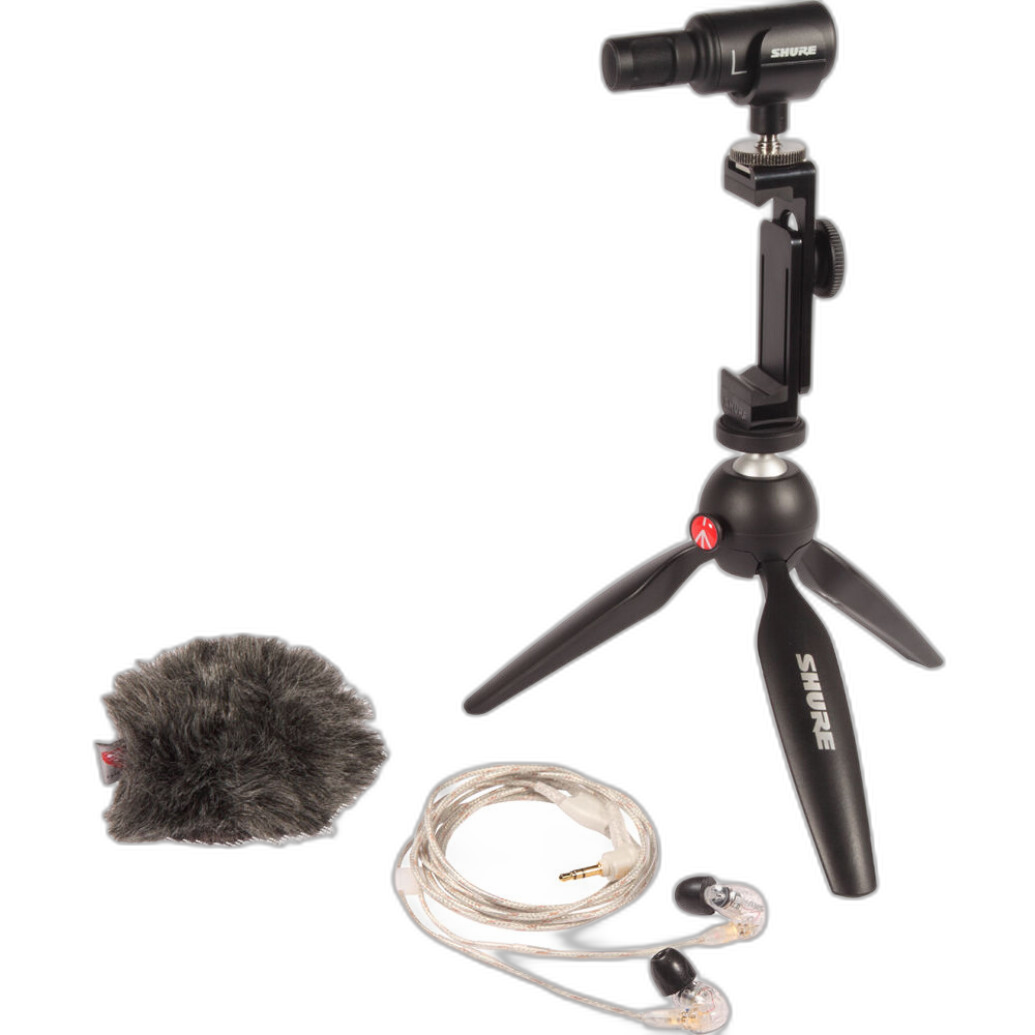
For fast-moving interview situations, the best microphone is usually the one that matches how close you can get to your subject and how quickly you need to work. If you are filming in controlled or semi-controlled environments, a compact on-camera mic setup can be a simple starting point. For creators working with a phone-based or lightweight travel setup, the Shure MV88+ SE215-CL Portable Videography Bundle is a practical option because it combines mobile-friendly capture with monitoring, making it useful for quick interviews, vlogging, and behind-the-scenes documentary work.
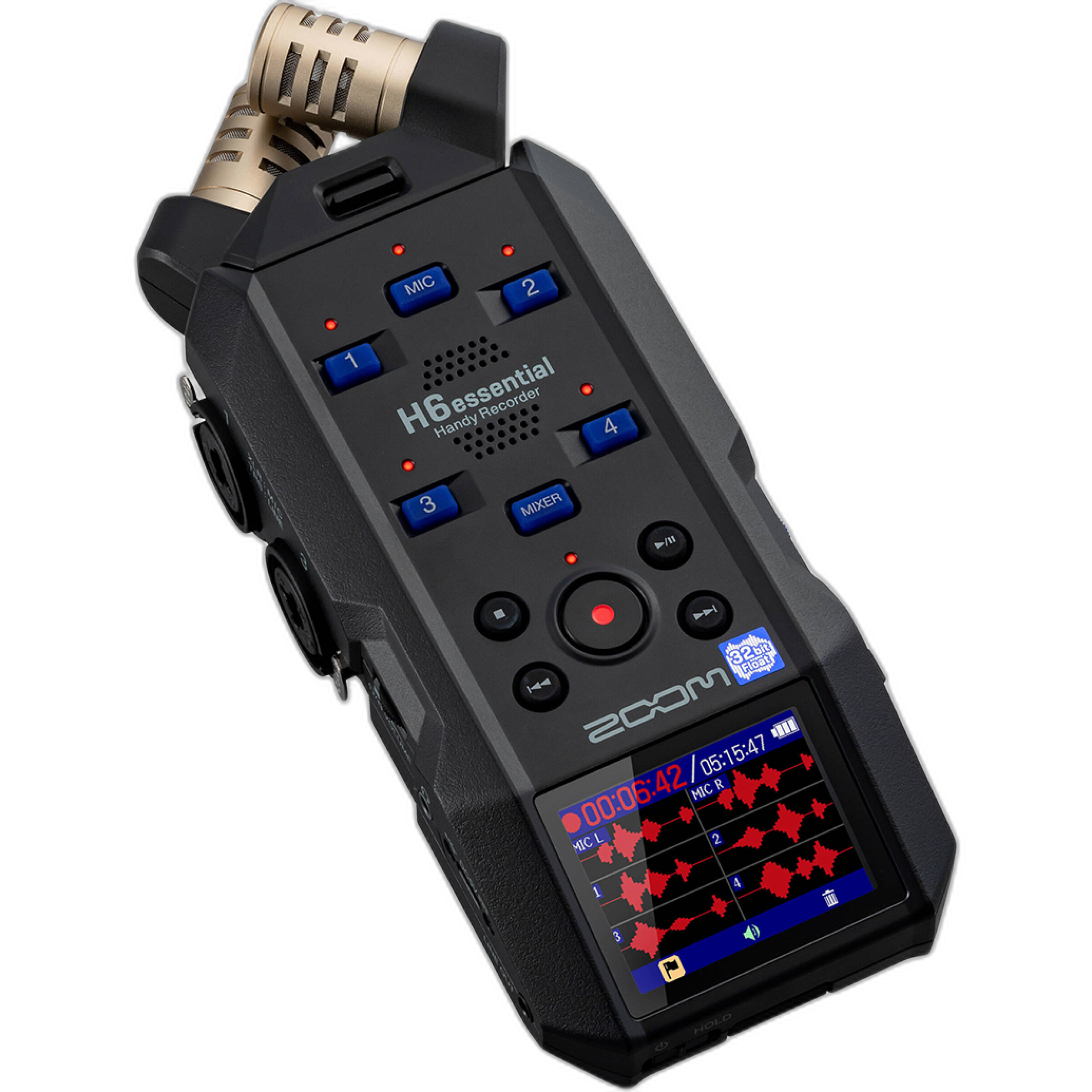
If your documentary workflow includes separate audio capture, a dedicated recorder gives you much more flexibility. The Zoom H6Essential Series 6-Track 32-Bit Float Handheld Recorder is especially useful for documentary work because it can handle multiple inputs and provides 32-bit float recording, which helps protect you from clipped audio when levels change unexpectedly. That can be a major advantage when interviews shift from soft speech to louder, emotional moments.
Are wireless lavalier systems worth the investment, or should I stick with a shotgun mic?
In documentary production, wireless lavs and shotgun mics solve different problems. A wireless lav is often worth the investment if you regularly record sit-down interviews, vérité scenes, or walk-and-talk segments where you cannot keep a boom or camera-mounted mic close to the subject. Lavs give you more consistent voice pickup, especially in noisy spaces or when your framing requires distance.
Shotgun mics remain valuable because they are quicker to deploy and can capture more natural ambience. Many documentary filmmakers eventually use both: a lav for speech intelligibility and a directional mic for backup or environmental texture. If you are not ready to build a full wireless system yet, starting with a strong recorder such as the Zoom H6Essential can make it easier to expand later as your productions grow.
Do I really need an external audio recorder for documentary work?
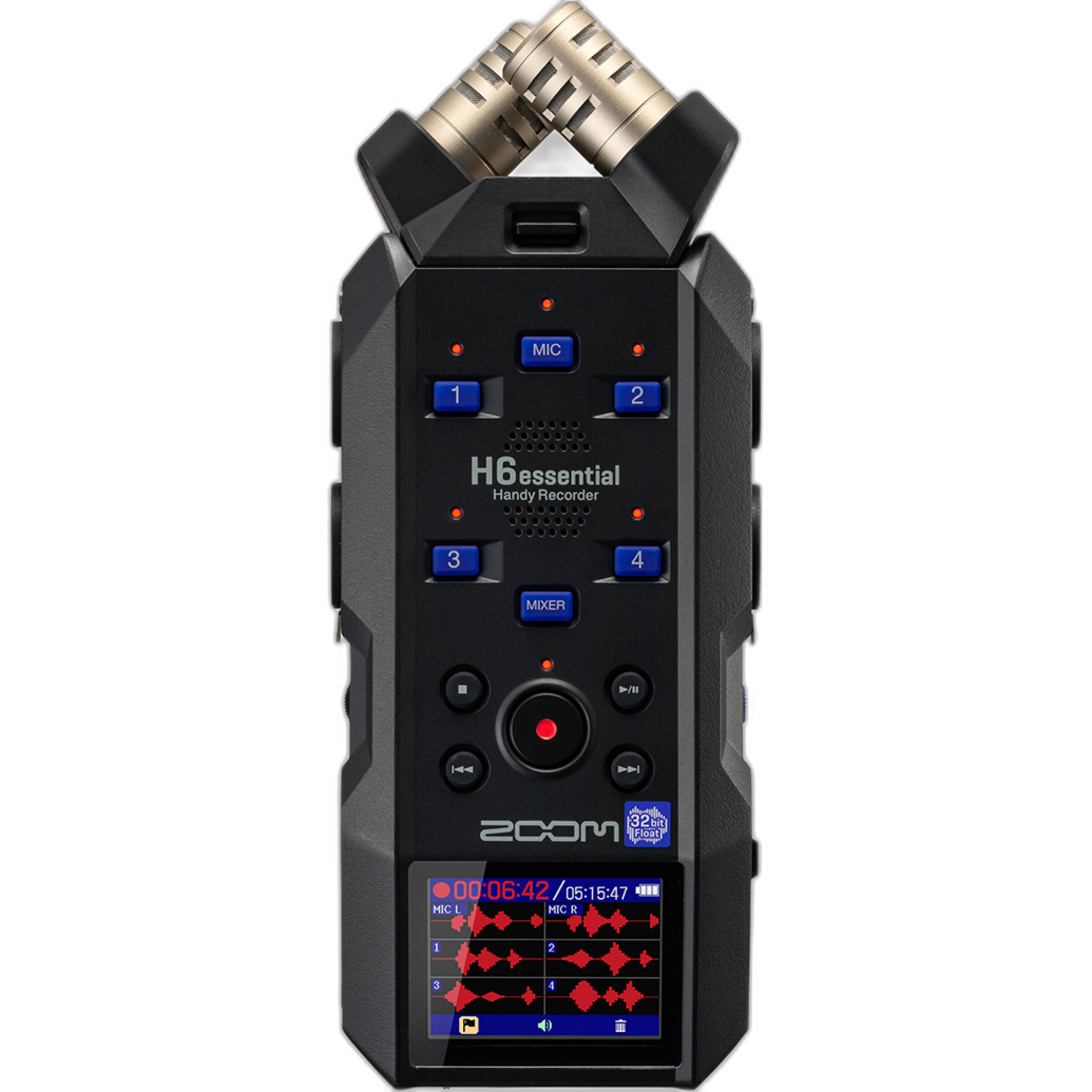
Not every project requires one, but a dedicated recorder can make a noticeable difference in flexibility and reliability. Camera preamps and internal recording are fine for simple shoots, yet documentaries often involve multiple speakers, changing environments, and unpredictable levels. A recorder with several inputs lets you run a lav, a shotgun, and even a second interview mic at the same time.
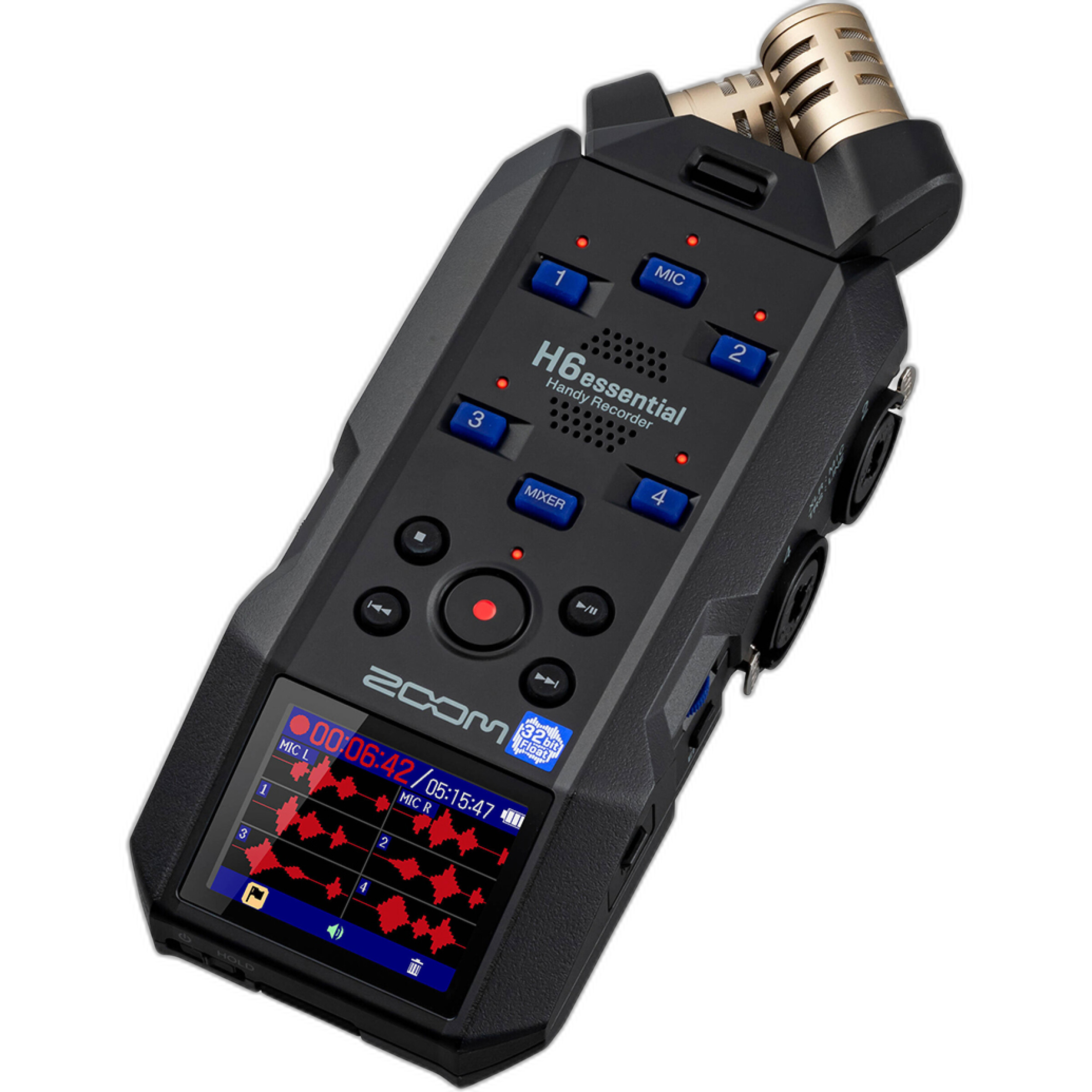
The Zoom H6Essential Series 6-Track 32-Bit Float Handheld Recorder is a strong match for this kind of production because it gives you room to grow, from single-subject interviews to more complex field recording. It is especially helpful for filmmakers who want cleaner audio, backup tracks, and better control in postproduction.
Which lightweight tripod or monopod is best for travel documentary shoots?
The right support depends on how you shoot. For travel documentaries, many filmmakers prefer a lightweight tripod when they expect static interviews, locked-off establishing shots, or low-light scenes. A monopod can be a better fit when you need speed, small footprint, and smoother handheld support while moving through crowded locations.
Rather than choosing the heaviest support system you can afford, focus on a model you will actually carry. A compact support kit is usually more useful on documentary assignments than a larger tripod left back at the hotel. Protection matters too, especially when you are packing several pieces of gear into one bag. The 3 Legged Thing Wrapz Swirls Equipment Wrap 3-Pack can help protect support accessories, audio gear, or delicate tools during travel, making it easier to build a small-footprint field kit.
Should I use an external monitor, or is the camera screen enough?
For many documentary shooters, the built-in camera screen is enough when speed and mobility matter most. If you are working solo in unpredictable environments, keeping the rig small can help you stay unobtrusive and responsive. However, an external monitor becomes valuable when you need more accurate focus checking, easier composition in bright conditions, or improved viewing angles during interviews.
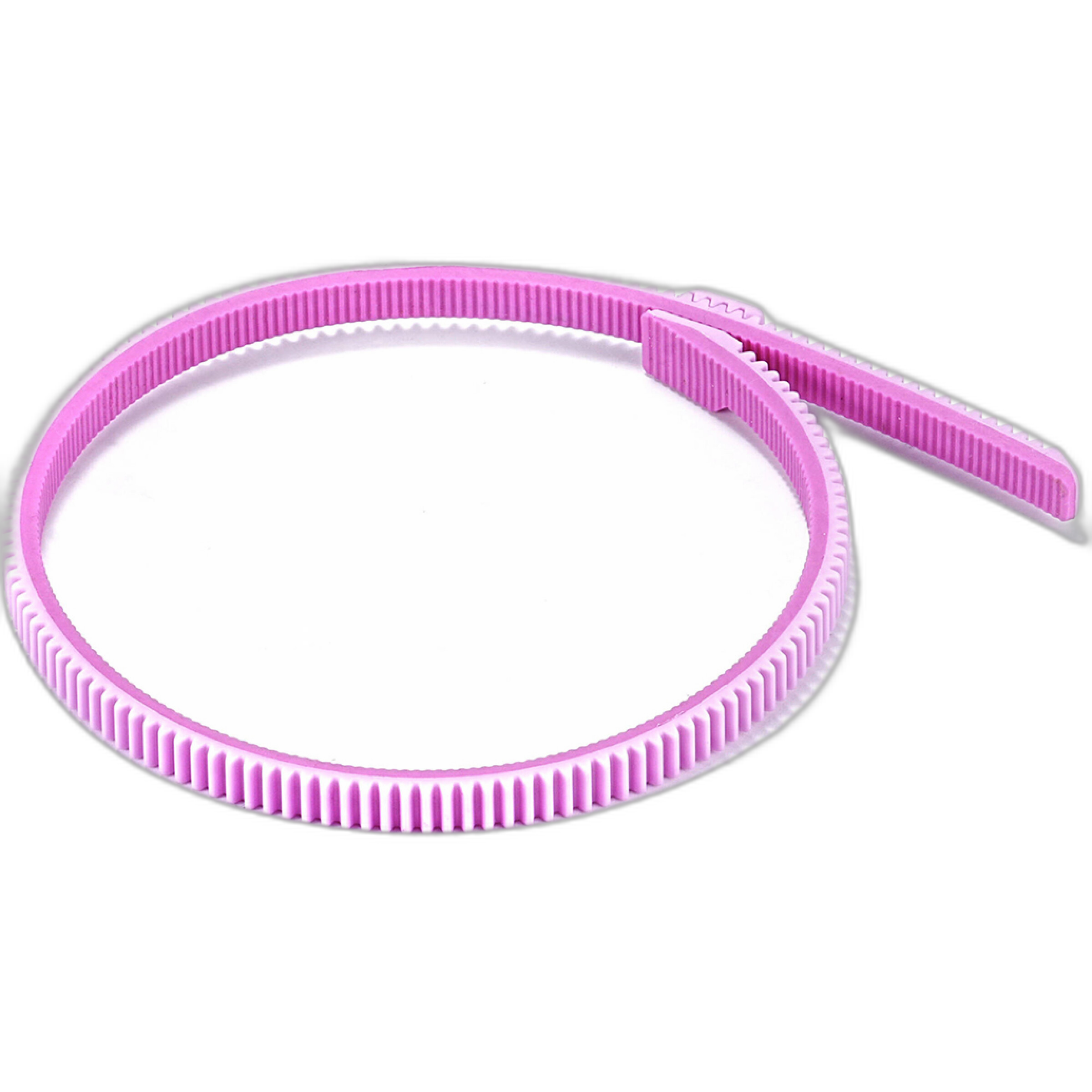
If you are building a rig with follow focus accessories, even small add-ons can improve precision. The Tilta Universal Focus Gear Ring is a simple example of an accessory that helps make manual focus workflows more usable on documentary-friendly rigs, especially when paired with cages and compact monitoring solutions.
For solo operators, a good rule is this: use the camera screen for fast-moving coverage and add an external monitor when the scene is controlled enough that the added bulk is worth it.
What filters are useful for documentary videography?
Filters are often overlooked, but they can be extremely useful in documentary production. Neutral density filters are especially important for maintaining your preferred shutter speed and aperture in bright conditions. That helps preserve a more natural cinematic look when shooting outdoors or near windows.
Depending on your lens size, kits like the Tiffen 46mm Photo Essentials Kit or Tiffen 49mm Digital Essentials Kit can be a practical way to start building a lightweight filter setup. For documentary crews who travel often, compact filter kits are much easier to manage than carrying multiple large filter systems.
How can I keep a documentary kit compact without sacrificing quality?
Start with the essentials: dependable audio, stable support, power, media, and a camera setup you can operate quickly. Many new filmmakers overbuild their kits, only to find that extra weight slows them down. A better approach is to choose a small number of high-impact tools that solve common production problems.
For example, a portable audio solution like the Shure MV88+ SE215-CL Portable Videography Bundle works well for lightweight capture, while the Zoom H6Essential supports more advanced productions. Small accessories, protective wraps, and compact filter kits can also make a major difference in keeping your bag organized and travel-ready.
What is the best way to improve my documentary videography skills beyond buying gear?
Gear matters, but technique matters more. Learning how to monitor sound, expose for changing light, move efficiently, and build a dependable workflow will improve your productions faster than adding random accessories. One of the smartest investments is hands-on education from experienced instructors.
Unique Photo offers learning opportunities for creators who want to strengthen their video skills. Sessions like UUOnline: Videography Basics with Sony and Videography Beginners Guide with Sony can help you better understand camera operation, audio choices, and practical production techniques for real-world shooting.
The best documentary kit is the one that helps you capture strong sound, stable footage, and authentic moments without slowing you down. If you are ready to upgrade your videography setup, Unique Photo can help you choose the right audio tools, accessories, and educational resources for your shooting style.