APS-C vs Full-Frame for Video: Is the Upgrade Really Worth It?
If you are deciding whether to move from APS-C to full-frame for video, the right answer depends less on internet hype and more on how you actually shoot. At Unique Photo, we usually encourage filmmakers, content creators, and production teams to look beyond sensor size alone and evaluate image quality, low-light needs, lens investment, workflow, and the type of projects they deliver.
For some creators, full-frame can be a meaningful step up. For others, APS-C, 1-inch, or purpose-built camcorders and PTZ systems may offer better value, easier operation, and more dependable results for real-world production.
Do full-frame cameras really offer noticeably better video quality?
Full-frame cameras can deliver a more polished look, but the difference is not always dramatic in finished video. In controlled lighting, with proper exposure and strong lenses, APS-C cameras can produce excellent footage for YouTube, interviews, events, branded content, and many client projects. The biggest gains from full-frame usually appear in dynamic range, low-light performance, and the ability to create a shallower depth of field more easily.
That said, overall video quality depends on much more than sensor size. Codec quality, color science, autofocus, stabilization, overheating behavior, recording limits, audio inputs, and lens choice often have a bigger impact on day-to-day production. In many professional setups, a dedicated video tool can outperform a larger-sensor hybrid camera simply because it is designed for long-form reliability and fast operation.
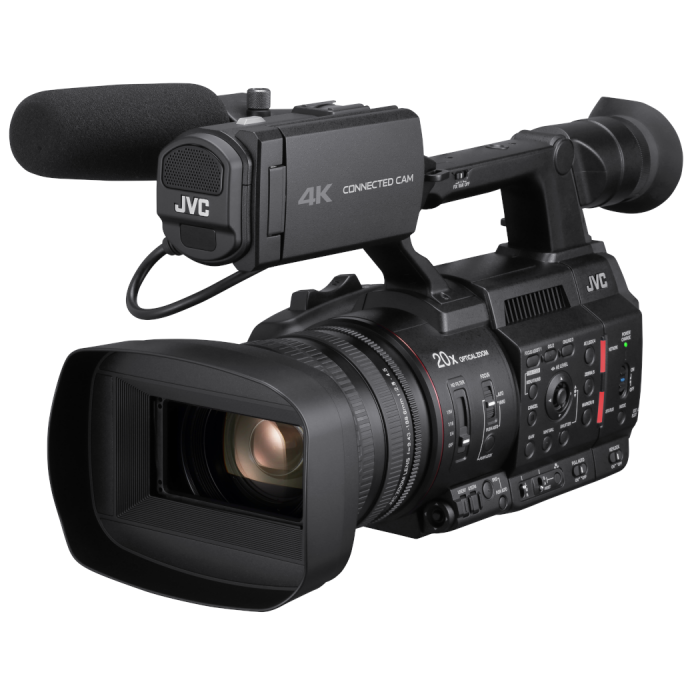
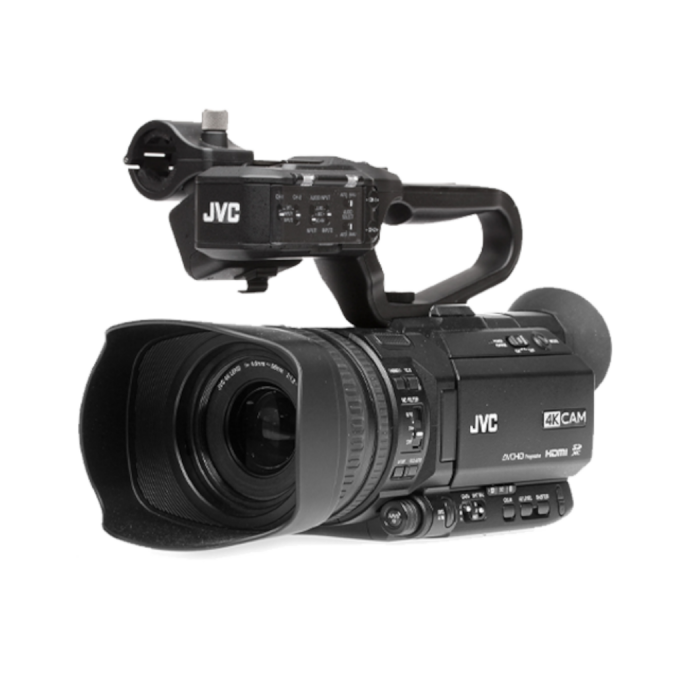
For example, if your priority is dependable 4K capture, built-in zoom flexibility, and professional handling, a camcorder like the JVC GY-HC500U can be a smarter investment than chasing sensor size alone.
How much does sensor size matter for depth of field?
Sensor size absolutely affects depth of field, but the practical difference depends on focal length, aperture, subject distance, and framing. Full-frame makes it easier to achieve strong background blur at the same angle of view, which is one reason many filmmakers like the format for interviews, portraits, and cinematic work. If you want that soft, separated subject look without using extremely fast lenses, full-frame does help.
However, shallow depth of field is not always an advantage. For documentary work, events, sports, educational content, and live production, having a little more depth of field can actually make focusing easier and improve keeper rate. APS-C can be a very comfortable middle ground: cinematic enough for visual polish, but often easier to manage in fast-moving shoots.
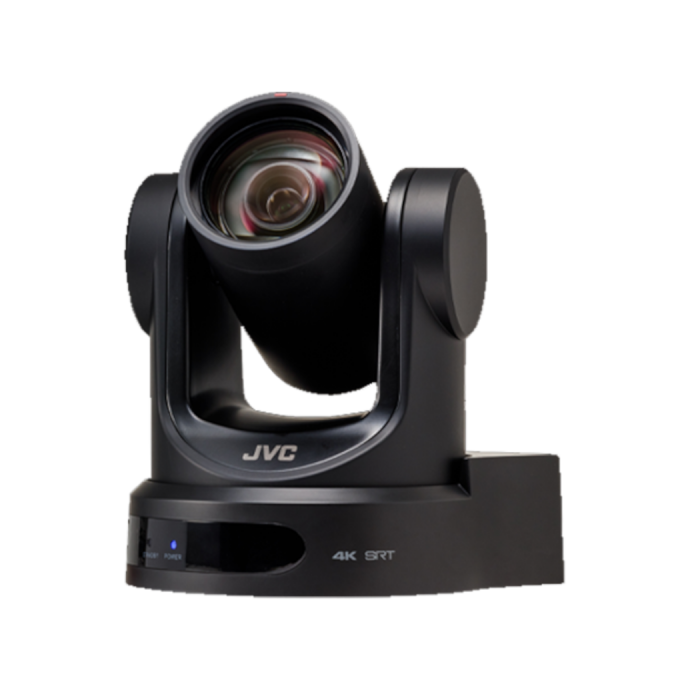
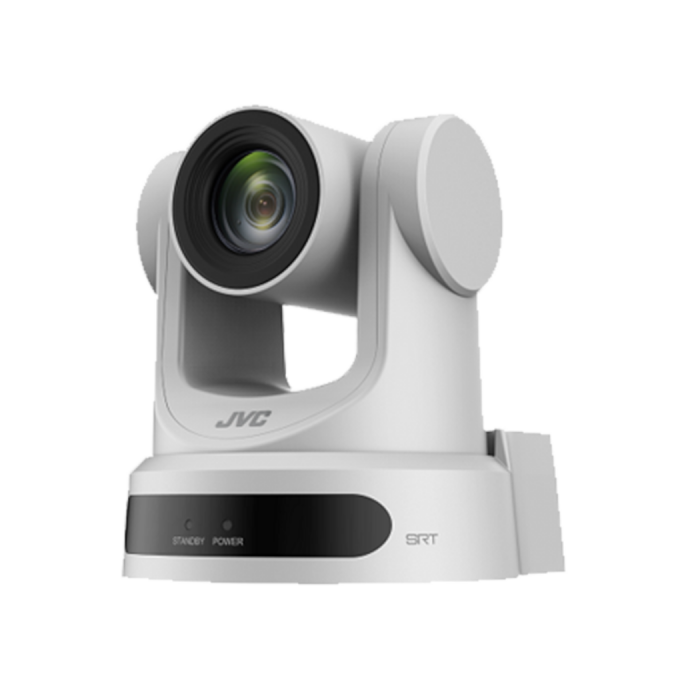
And in some production environments, consistency matters more than blur. A PTZ camera such as the JVC KY-PZ400N 4K NDI HX PTZ Remote Camera is built for controlled multi-camera coverage, remote operation, and dependable framing, which can matter more than ultra-shallow depth of field during live or corporate work.
Is full-frame really better in low light?
In general, yes, full-frame can offer an advantage in low light because larger sensors typically gather more light and can produce cleaner images at higher ISO settings. This can be especially helpful for wedding receptions, run-and-gun documentary shooting, live events, and interiors where lighting control is limited.
But low-light performance is not just about the sensor. Lens speed, noise reduction, bit depth, and exposure technique all matter. A well-lit APS-C setup will usually look better than a poorly lit full-frame setup. For many creators, adding lights, choosing a faster lens, or improving exposure technique produces a bigger real-world improvement than changing formats.
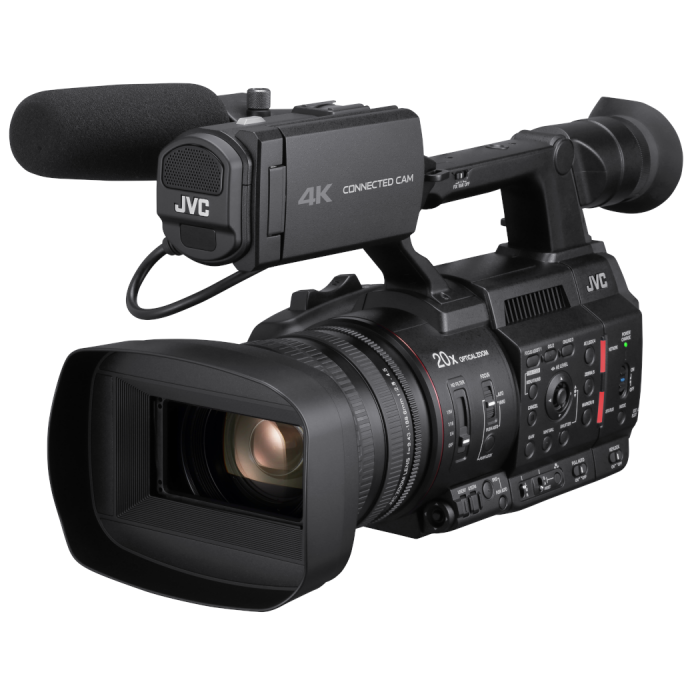
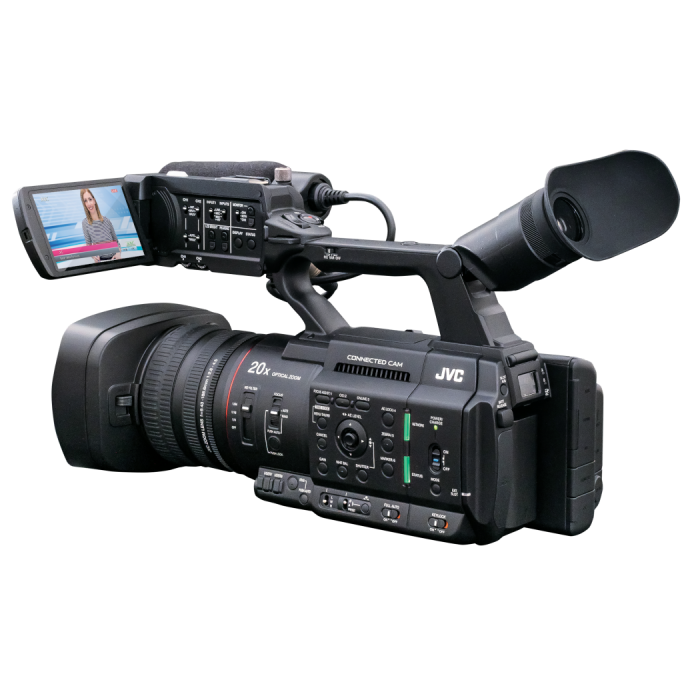
Also, if your productions require long recording times, servo zoom, or integrated broadcast-style features, a professional camcorder can still be the better fit. The JVC GY-HC500MC, for example, is designed for connected production workflows and practical field use where operational speed matters as much as pure sensor performance.
Is the price premium for full-frame justified for YouTube creators?
For many YouTube creators, full-frame is a luxury rather than a necessity. If you mostly shoot talking-head videos, tutorials, product demos, livestreams, or controlled studio content, APS-C is often more than enough. Viewers are usually responding to storytelling, audio quality, lighting, composition, and consistency before they notice sensor size.
If your current setup is limiting you, it is worth asking what kind of limitation it is. Are you struggling with autofocus? Need cleaner low-light footage? Want more subject separation? Need longer continuous recording? If the issue is workflow and production efficiency rather than image style, a purpose-built video camera may solve more problems than moving to full-frame.
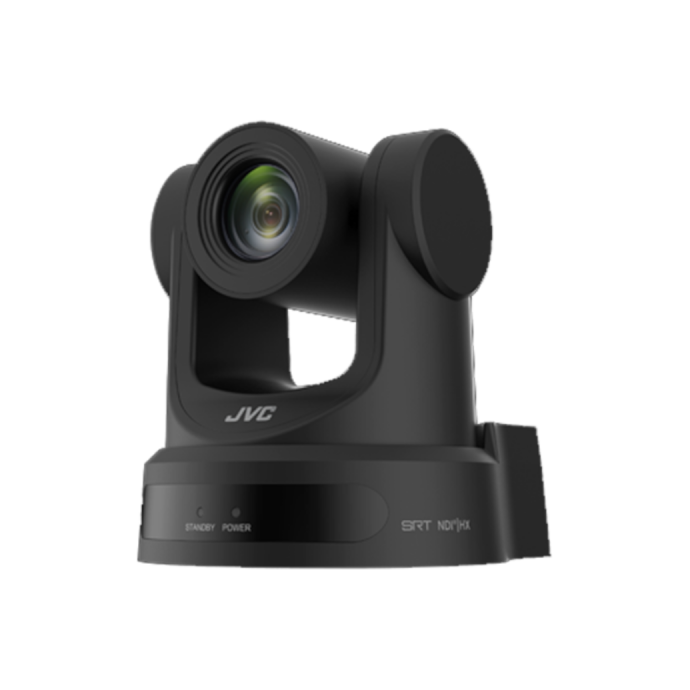
For studio, worship, education, and streaming environments, PTZ models like the JVC KY-PZ200N can be a strong value because they offer remote control, optical zoom, and clean integration into multi-camera setups.
What about client work? Do clients care if you shoot full-frame?
Most clients care about results, not sensor size. They want clean footage, reliable delivery, good sound, flattering lighting, and a professional experience on set. In some higher-end commercial, fashion, or cinematic projects, full-frame may help you achieve a particular aesthetic more easily. But for corporate interviews, internal communications, events, training videos, sports coverage, and many social campaigns, APS-C and dedicated camcorders are fully capable.
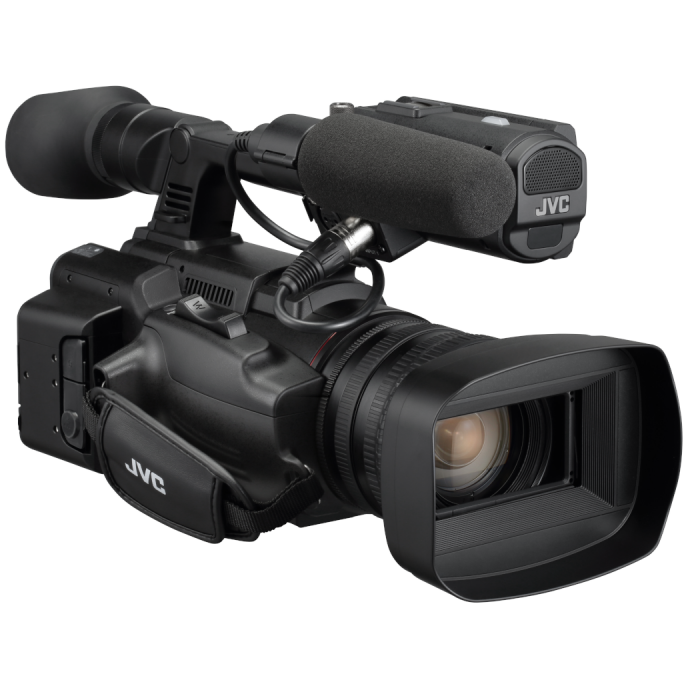
Clients are often more impressed by smooth production than by camera specs. Features like SDI or HDMI connectivity, long recording times, dual media slots, quick setup, and reliable zoom control can make a bigger business difference than a larger sensor. That is where products such as the JVC GY-HM250SP or the JVC GY-HC500SPCU are worth considering for sports, event, and presentation workflows.
When does APS-C make the most sense for video shooters?
APS-C makes a lot of sense when you want a balance of image quality, manageable cost, smaller lenses, and flexible performance. It is especially appealing for hybrid shooters who create both photos and video, solo operators who need lightweight kits, and creators building a lens system on a tighter budget.
APS-C can also be the better value if upgrading to full-frame would force compromises elsewhere. Spending heavily on a body and then settling for fewer lenses, less lighting, weaker audio, or slower storage is often the wrong trade. A well-rounded kit typically improves your output more than one expensive body does.
If your work leans toward long-form recording, remote production, houses of worship, conference capture, or live switching, you may even find that neither APS-C nor full-frame is the primary question. In those use cases, a PTZ camera like the JVC KY-PZ200 in white or black may fit the job more effectively than an interchangeable-lens camera.
What are the hidden costs of moving to full-frame?
The body price is only part of the equation. Full-frame upgrades often lead to more expensive lenses, larger filters, heavier support gear, bigger bags, and potentially higher storage demands if you are recording more advanced codecs. You may also need faster computers or more archive space if your production quality increases alongside your camera choice.
There is also the question of practicality. Larger lenses can make handheld work more tiring, gimbals more demanding to balance, and travel kits less convenient. If you shoot solo, that matters. The best camera system is not just the one with the best theoretical image quality; it is the one you can use efficiently and consistently.
For many professionals, a dedicated video tool offers a clearer return on investment. A camera like the JVC GY-HC500U gives you a built-in lens, professional ergonomics, and a production-friendly workflow without requiring a separate lens ecosystem.
What is the best choice for real-world projects: full-frame, APS-C, or a camcorder/PTZ system?
The best choice depends on your project type. Full-frame is a strong option for cinematic interviews, brand films, music videos, and low-light work where the aesthetic benefits are front and center. APS-C is excellent for creators who want strong image quality, lower system cost, and easier portability. Camcorders and PTZ systems are ideal when reliability, zoom range, connectivity, and operational efficiency matter most.
If you are filming weddings, YouTube content, and creative commercial work, a move to full-frame may be worthwhile if it solves specific visual or low-light challenges. If you produce conferences, worship services, sports, training content, or livestreamed events, a JVC professional camcorder or PTZ model may offer a more direct upgrade path.
At Unique Photo, we recommend choosing the tool that fits your workflow, not just the trend. Sensor size matters, but it is only one piece of building a dependable video kit.
If you are still weighing APS-C against full-frame, or wondering whether a professional camcorder or PTZ system might better serve your work, Unique Photo can help you compare real options and build the right production setup for your goals.