Documentary filmmakers love to debate one question: should you build your kit around flexible zooms or around fast, cinematic primes? In real-world doc work, the answer usually depends on how you shoot, how fast your subjects move, and how much control you have over the environment. Forum members often land on the same conclusion after sharing their project breakdowns: the best lens choice is the one that helps you react quickly without missing the story.
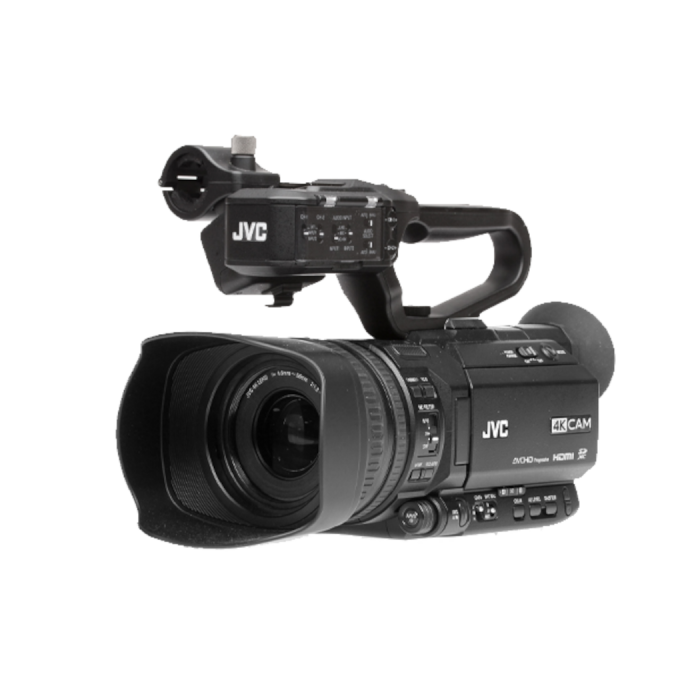
If your documentary work leans toward live events, vérité coverage, interviews, sports, school productions, or run-and-gun field shooting, integrated-lens camcorders can offer a practical middle ground. Models like the JVC GY-HM250U Compact Handheld Camcorder with Integrated 12x Lens and the JVC GY-HM180U 4K Cam HD-SDI Handheld Camcorder with Integrated 12x Lens give you the zoom range doc shooters constantly mention in forum discussions, without the delays of changing lenses in the middle of unfolding action.
1. Start With the Kind of Documentary You Actually Shoot
Match your gear to your access and pace
One of the most common mistakes in lens debates is talking in absolutes. Forum users who shoot controlled sit-down interviews may love primes for their speed and subject separation. But filmmakers covering community events, school athletics, protests, weddings, nonprofit stories, or travel documentaries often say a zoom is what keeps them from losing key moments.
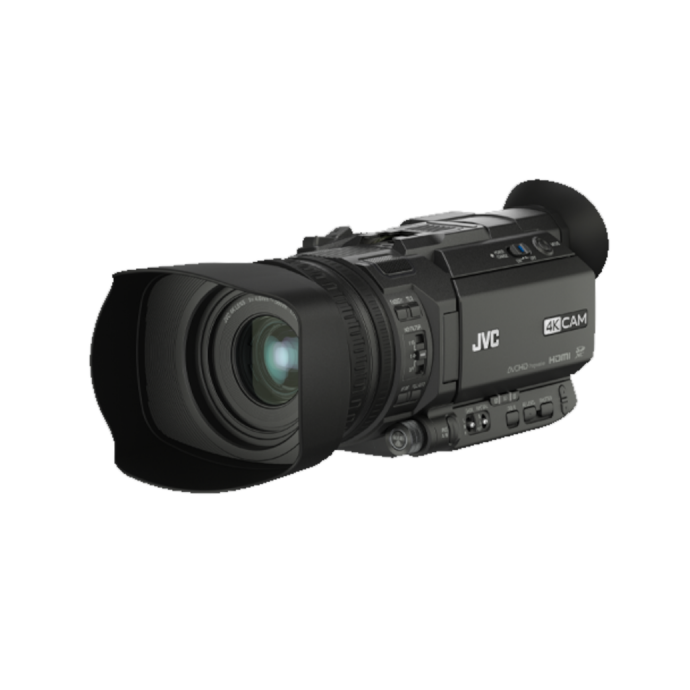
If your work involves unpredictable action, a camcorder like the JVC GY-HM170U 4K Cam HDMI Handheld Camcorder with Integrated 12x Lens can make more sense than building a separate body-and-lens kit. You get quick framing changes, a doc-friendly form factor, and less downtime when events move faster than your setup.
2. Choose Zooms When You Need to React Instantly
Flexibility often beats theory in vérité shooting
In forum threads, filmmakers regularly share stories about missing moments while swapping lenses. That is where zooms keep winning the practical argument. If your subject suddenly steps back, enters a crowded room, or moves from a tight interview setup to a wide environmental scene, a zoom lets you adapt in seconds.
- Use a zoom-first setup when you cannot direct the subject.
- Stay wider than you think if action may unfold unexpectedly.
- Punch in gradually instead of physically moving and disrupting a scene.
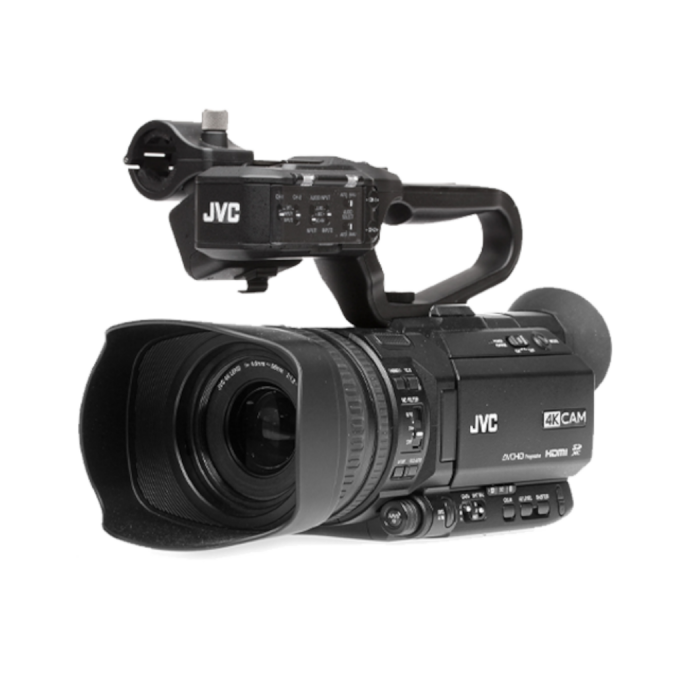
The JVC GY-HM250SP Compact Handheld Camcorder with Integrated 12x Lens and Sports is a good example of a tool that suits fast-paced productions where reframing speed matters more than swapping between focal lengths for a particular look.
3. Choose Primes When You Control the Scene
Interviews and stylized B-roll are where primes shine
Even filmmakers who prefer zooms for fieldwork often mention keeping primes in mind for selected parts of a documentary. Why? Because primes can offer a faster maximum aperture, a more deliberate shooting style, and a cleaner visual separation for interviews or detail shots.
If your documentary includes carefully staged interview segments, pickups, or cinematic inserts, that is the kind of scenario where forum members often praise primes. But many also point out that they do not want to build an entire production around lens changes if most of the day is uncontrolled coverage. For that reason, some shooters use a zoom-based camera for primary capture, then reserve a more specialized setup for select scenes.
4. Think About the Cost of Missed Moments, Not Just Image Character
Documentary value is often in access and timing
A prime may deliver a beautiful image, but a missed emotional beat has no replacement. In user discussions, the strongest argument for zooms is rarely technical; it is editorial. The best shot is the one you actually capture.
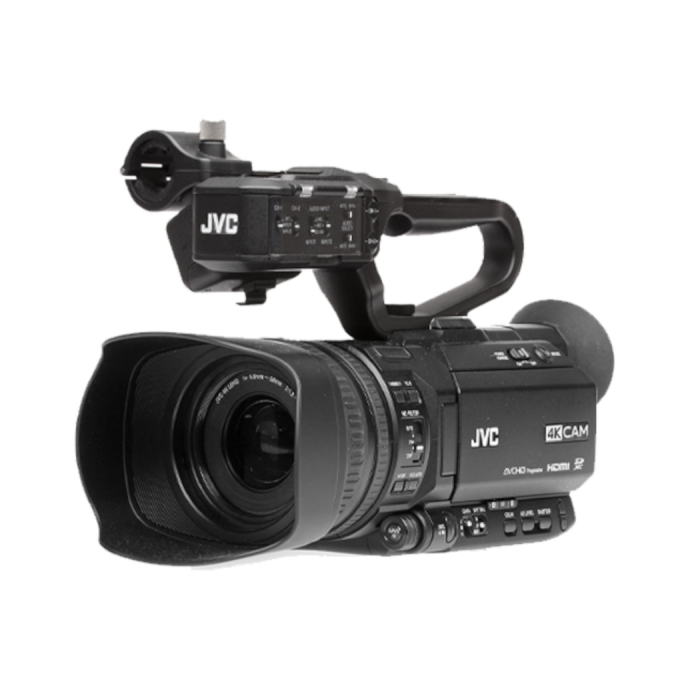
Integrated-lens models such as the JVC GY-HM180U 4K Cam HD-SDI Handheld Camcorder with Integrated 12x Lens are appealing because they reduce friction. There is no scramble to swap glass, no sensor exposed in rough conditions, and no pause while the story moves on. For many documentary filmmakers, especially solo operators, that kind of reliability matters as much as absolute lens speed.
5. Build Your Gear List Around Roles, Not Hype
Use a practical forum-style checklist
When filmmakers share documentary gear lists, the most helpful ones are usually organized by purpose. Instead of asking whether zooms are better than primes, ask what each tool is supposed to do on your shoot.
- Main coverage camera: A versatile camcorder with an integrated 12x zoom, such as the JVC GY-HM250U, can handle wide establishing shots, medium coverage, and tighter moments without changing your workflow.
- Interview setup: If you want a more stylized look, this is where some filmmakers add a prime-based second system.
- Backup body: A compact option like the JVC GY-HM170U can be useful for secondary angles or field backup.
- Live or event production: The JVC GY-HM250SP is especially relevant when documentary work overlaps with sports or event-style capture.
This approach reflects what real doc shooters often report: the most efficient kit is rarely the most glamorous one.
6. Consider Ergonomics as Part of the Lens Decision
The best focal range is useless if the camera slows you down
Forum members comparing lens kits often end up talking about far more than optics. In documentary filmmaking, ergonomics affect how long you can operate handheld, how quickly you can move between setups, and how discreetly you can work in sensitive environments.
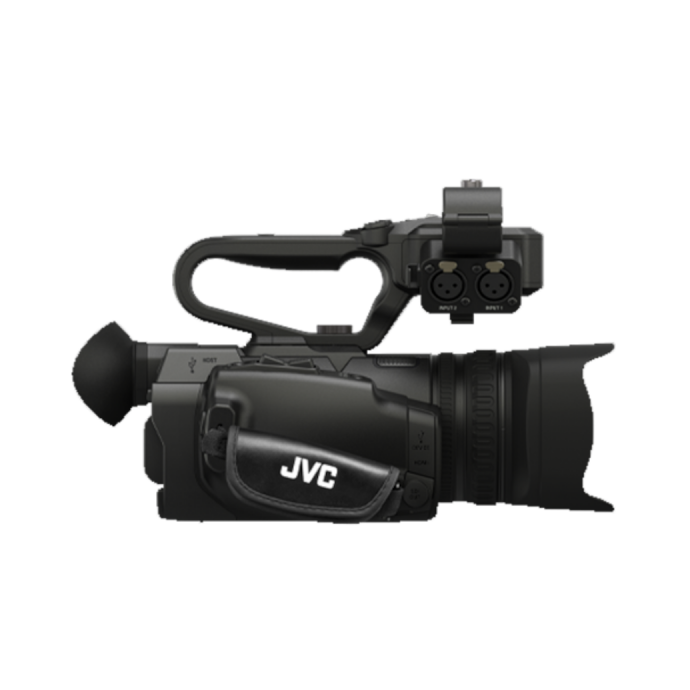
A compact handheld design with an integrated lens can simplify the entire experience. The JVC GY-HM250U and JVC GY-HM180U both fit naturally into the kind of agile production style many documentarians prefer. That means fewer accessories, quicker starts, and less attention drawn to the crew.
7. Let Real-World Workflow Decide the Winner
Your editing timeline will reveal what mattered most
A useful tip from experienced documentary shooters is to review your finished projects and note what footage carried the story. Was it carefully composed shallow-depth footage? Or was it the unexpected reaction shot, the quick push-in, the wide room reveal, and the candid moment caught at the edge of an event?
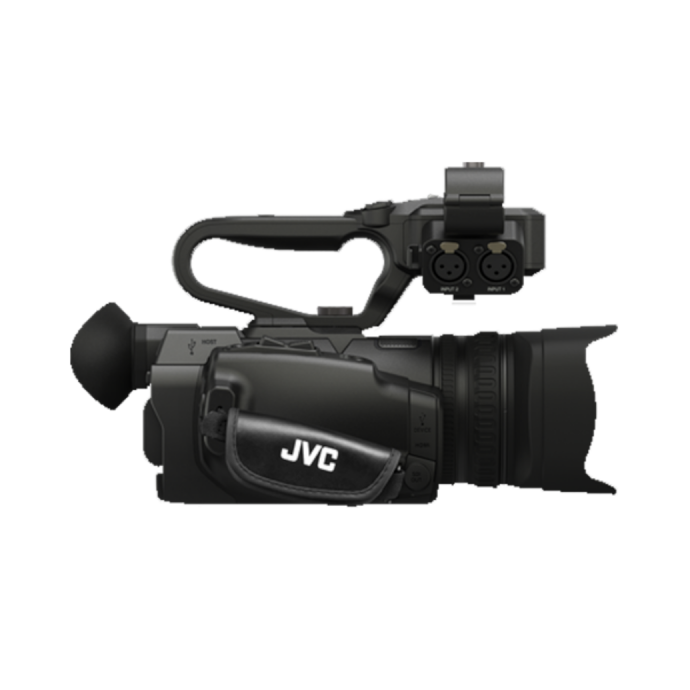
For many documentary editors, the clips that save a scene are the ones captured with speed and flexibility. That is why integrated-zoom camcorders like the JVC GY-HM250U, JVC GY-HM180U, and JVC GY-HM170U continue to make sense for practical doc production. You may still love primes, but your workflow may show that a responsive zoom setup does more of the heavy lifting.
Conclusion
The zoom-versus-prime debate is not going away, and that is a good thing; it forces filmmakers to think carefully about how they actually work. For documentary projects, the smartest choice is usually the one that protects the moment, supports your shooting style, and keeps your gear list efficient. If you are building a practical documentary setup, camcorders with integrated zoom lenses are well worth serious consideration. Explore documentary-friendly video tools at Unique Photo and put together a kit that helps you stay focused on the story.