Documentary filmmaking rarely gives you a second chance. A subject turns, light changes, a moment unfolds, and you need to decide quickly whether flexibility or visual purity matters more. That is why the zoom-versus-prime debate is so important for doc shooters. While traditional interchangeable-lens conversations often compare the speed and character of primes against the versatility of zooms, many documentary filmmakers also rely on fixed-lens camcorders and PTZ cameras with powerful built-in zoom ranges to stay nimble in unpredictable environments. Here are practical tips to help you choose the right approach for your next documentary project.
Understand What the Story Demands
1. Start with access, not just image style
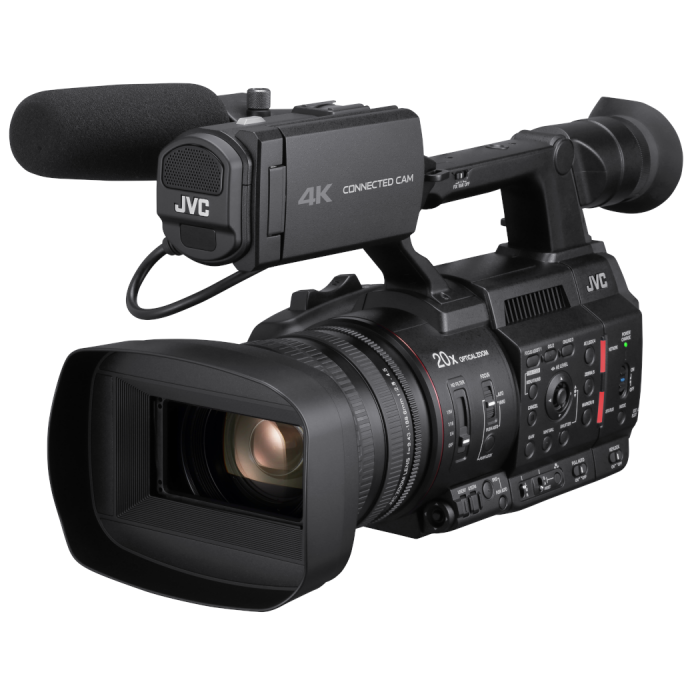
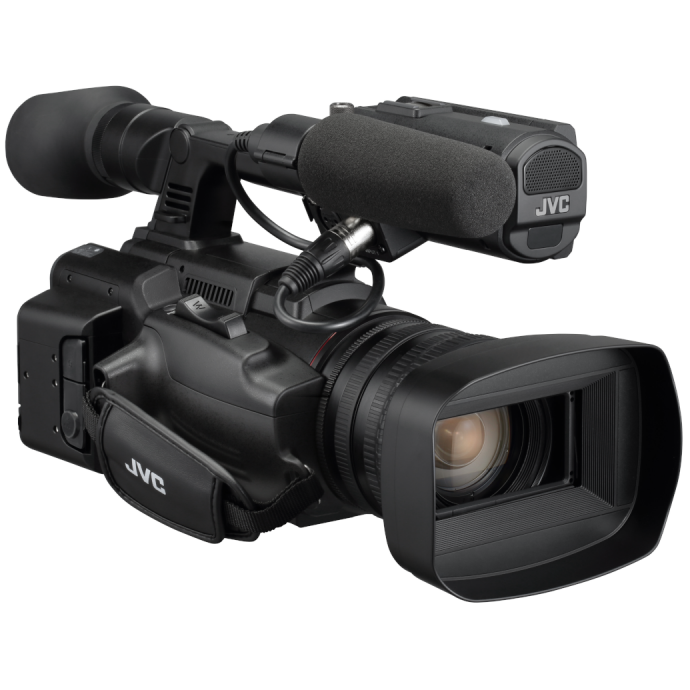
If you can get physically close to your subject, a prime-style approach can reward you with a more deliberate visual language. But if you are shooting vérité, events, interviews in tight spaces, wildlife, or sensitive real-world situations where moving around is disruptive, zoom capability often becomes the smarter documentary tool. A camera like the JVC GY-HC500MC Handheld 4K 20x Zoom Connected Camcorder gives you a broad focal range in one body, letting you react instantly instead of stopping to swap lenses.
Ask yourself: will the story reward careful lens changes, or will it punish hesitation?
Choose Zooms When Flexibility Is Everything
2. Use zooms for unfolding, unscripted moments
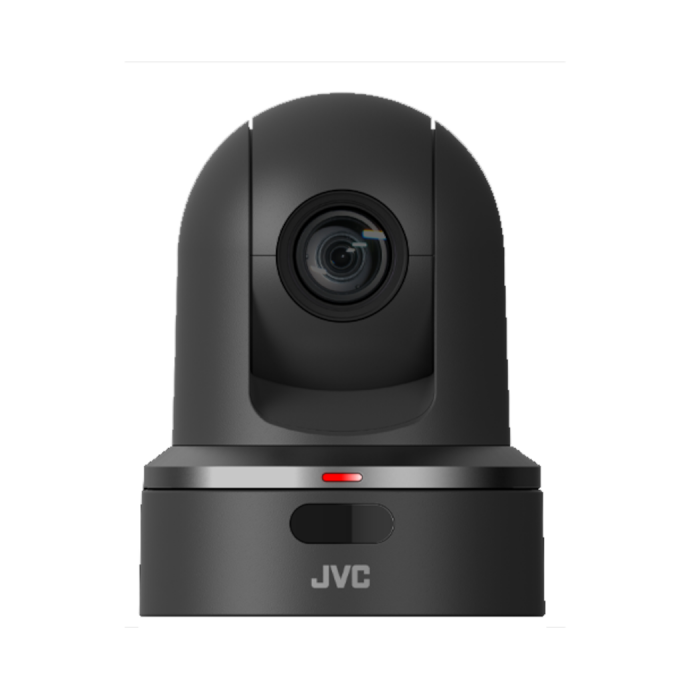
In documentary production, flexibility is often worth more than theoretical optical advantages. A zoom lets you reframe from wide establishing shots to tight emotional close-ups in seconds. This matters when your subject is moving unpredictably or when you need coverage without interrupting the scene. Built-in long zoom options, such as the JVC KY-PZ100 HD 30x Zoom Robotic PTZ Network Video Production Camera, are especially useful for live documentary environments, panel discussions, houses of worship, or observational setups where camera placement is fixed but framing needs to change constantly.
- Better for run-and-gun coverage
- Ideal when you cannot move your camera position
- Helpful for capturing both context and detail quickly
Choose Prime Thinking When You Want Intention
3. Even if you use a zoom camera, shoot with prime discipline
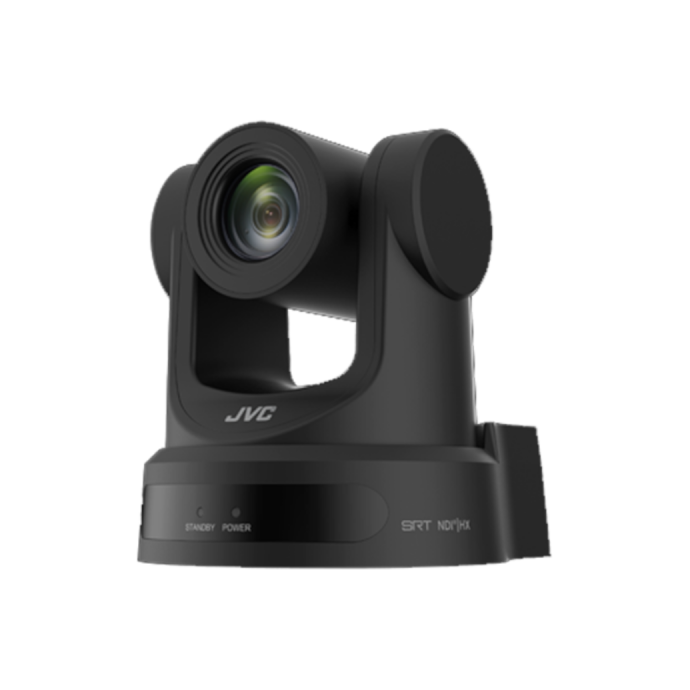
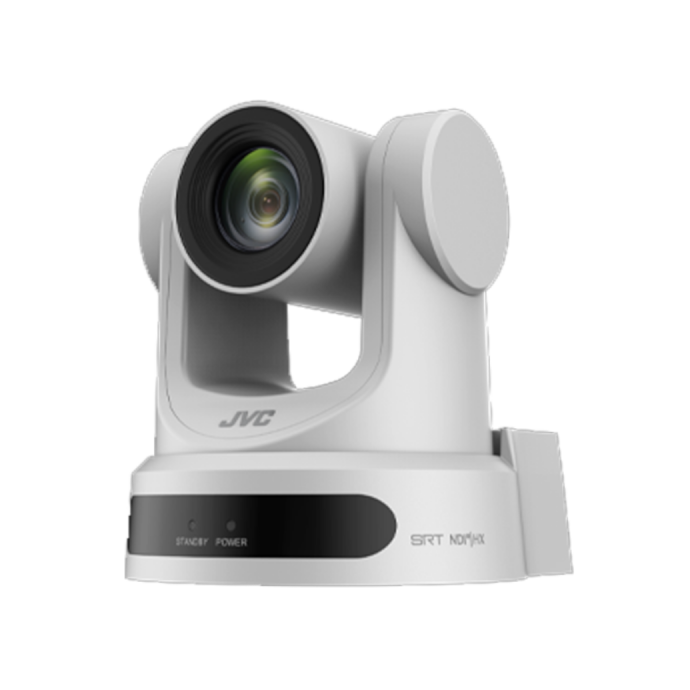
Many documentary filmmakers love primes because a fixed focal length encourages consistency and intentional framing. But you can apply that same mindset even when using a zoom-equipped camera. For example, with a PTZ option like the JVC KY-PZ200N HD NDI HX PTZ Remote Camera with 20x Optical Zoom, you can decide to stay mostly at one or two focal lengths during interviews, then use the zoom range only when the moment truly calls for it. That helps the film maintain a cohesive visual feel instead of looking constantly reframed just because zoom is available.
The lesson: zoom capability does not mean you must zoom all the time.
Think About Crew Size and Production Speed
4. Smaller crews usually benefit more from zooms
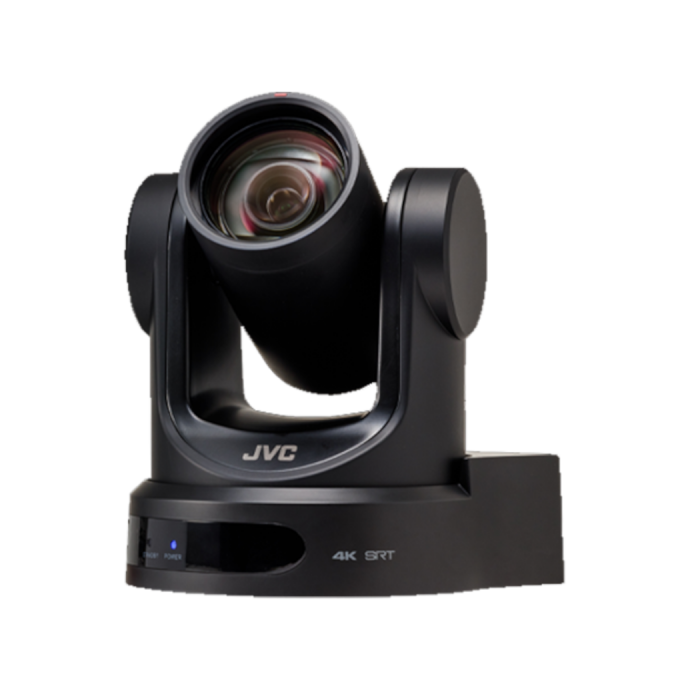
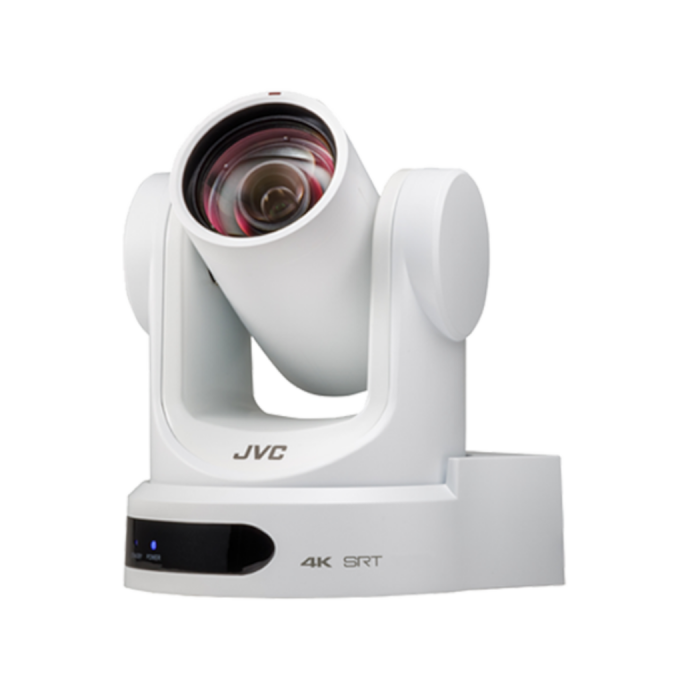
If you are a solo operator or part of a two-person documentary team, zooms are often the practical winner. One camera with a strong optical range can cover wide, medium, and close shots without extra gear or delays. The JVC KY-PZ400N 4K NDI HX PTZ Remote Camera with 12x Optical Zoom is a strong example for locked-off or remotely controlled documentary angles where you want clean 4K capture and fast reframing without adding another operator.
Primes often shine when you have more time, more control, and enough support to build each shot carefully. Zooms shine when the story will not wait.
Consider Whether Remote Shooting Changes the Equation
5. PTZ documentary setups strongly favor zoom versatility
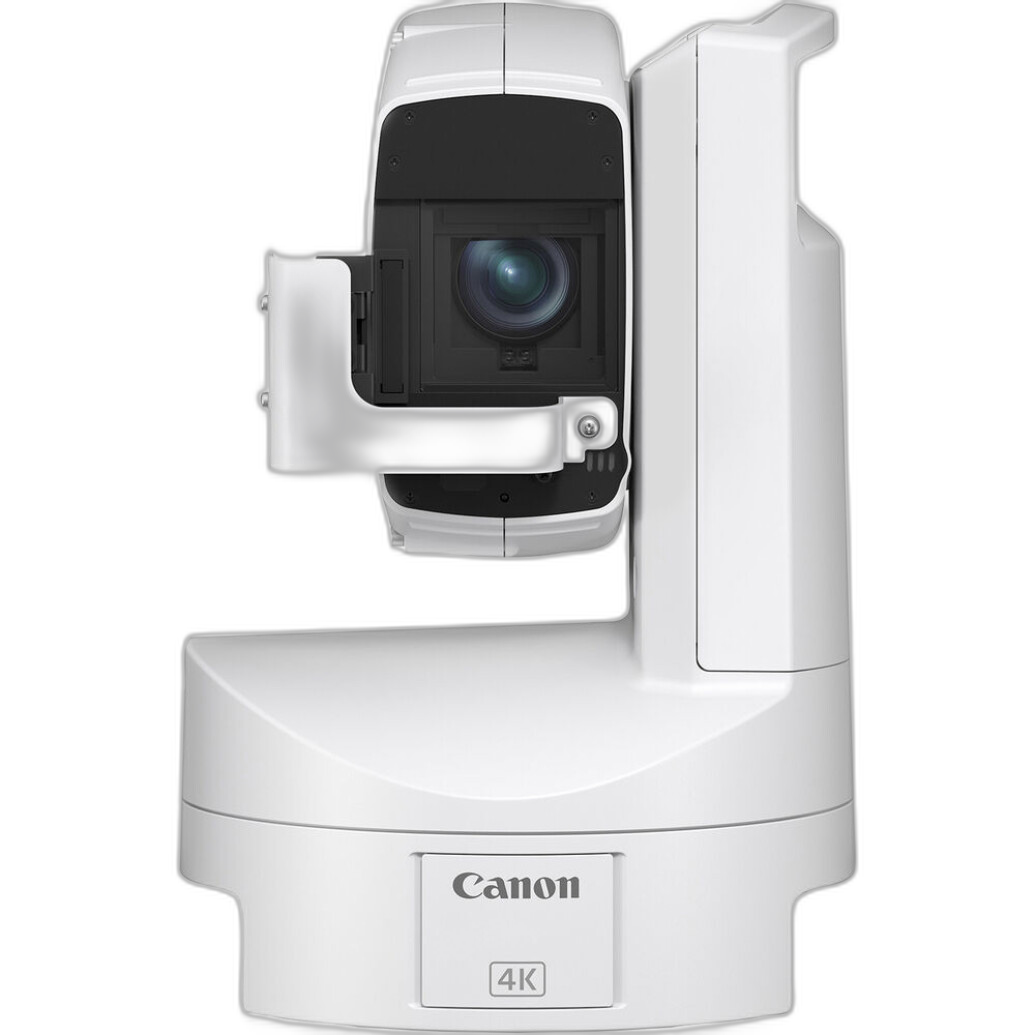
For documentaries that incorporate conferences, live events, educational spaces, worship environments, or remote interviews, PTZ cameras change the lens conversation. Since the lens is integrated, the question becomes less about swapping primes and more about whether the zoom range supports your storytelling needs. Cameras like the Canon CR-X300 Outdoor 4K PTZ Camera with 20x Zoom offer substantial reach for hard-to-access placements, outdoor setups, and multi-camera productions where flexibility from a control position is essential.
- Great for inaccessible mounting positions
- Useful when discretion matters
- Excellent for multi-angle documentary coverage with minimal crew
Match Focal Range to the Kind of Documentary
6. Different doc genres favor different lens behavior
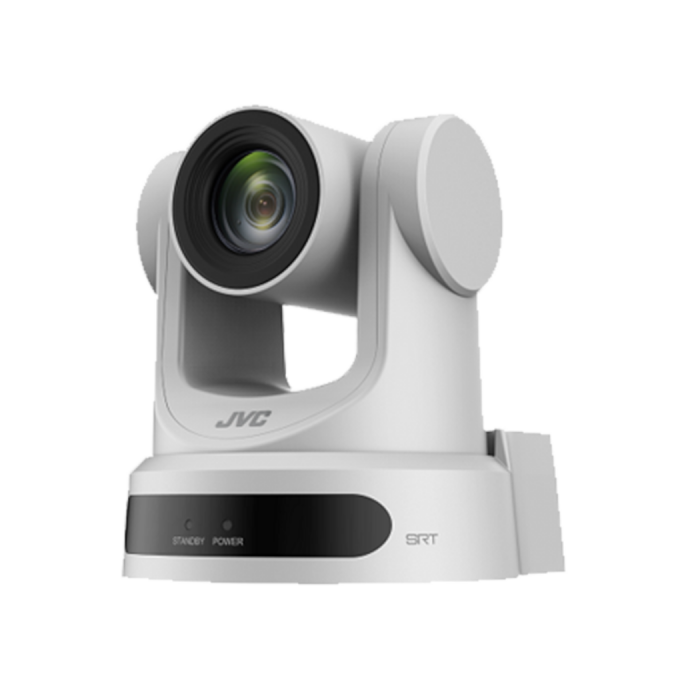
Character-driven vérité documentaries often benefit from moderate focal lengths and minimal visual interruption, while event, nature, and institutional documentary work may demand longer zoom ranges. If your project involves stage presentations, distant subjects, or large spaces, a 20x or 30x zoom can be more valuable than a bag full of primes. The JVC KY-PZ200 HD PTZ Remote Camera with 20x Optical Zoom and the white JVC KY-PZ200N HD NDI HX PTZ Remote Camera with 20x Optical Zoom fit especially well in clean multi-camera installations where reach and discreet positioning matter.
Before choosing, list the most common shot types your film will need. Your answer will usually point toward the right lens philosophy.
Do Not Ignore Image Consistency
7. A consistent look often matters more than lens ideology
Some filmmakers argue for primes because they want cleaner separation, a more cinematic aesthetic, or a disciplined visual structure. Those are valid reasons. But documentary audiences care first about clarity, emotion, and credibility. If a zoom helps you capture decisive moments reliably, that consistency can outweigh the subtle aesthetic benefits of changing lenses. In multi-camera documentary coverage, matching cameras like the JVC KY-PZ400N 4K NDI HX PTZ Remote Camera with 12x Optical Zoom in black or white can also help create a uniform look across interviews, events, and cutaway angles.
Good documentaries are built on trust and access. The right lens choice is the one that keeps your coverage coherent and dependable.
Build a Hybrid Mindset
8. The best answer is often not zoom or prime, but when to think like each one
For many documentary creators, the real solution is a hybrid approach. Use zoom-capable tools when you need speed, coverage, and adaptability. Use prime-inspired discipline when shaping interviews, recreations, or more controlled scenes. A handheld zoom camcorder like the JVC GY-HC500MC can be your responsive field camera, while PTZ options from JVC or Canon can quietly extend your coverage in fixed positions. Instead of treating zoom and prime as opposing camps, think of them as two storytelling modes.
Conclusion
In documentaries, the better lens choice is usually the one that helps you stay present when real life unfolds. Zooms excel when access is limited, crews are small, and moments move fast. Prime thinking excels when you want visual intention and a controlled style. If you are building a documentary kit, consider how zoom-equipped professional solutions like JVC PTZ cameras, the Canon CR-X300, or the JVC GY-HC500MC can support real-world storytelling without slowing you down. Explore these tools at Unique Photo and choose the setup that helps you capture the story as honestly and effectively as possible.