Essential Tips for Shooting Documentaries and Feature Stories
Shooting documentaries and feature-style stories demands a balance of sensitivity, speed, and craft. At Unique Photo, we help creators build reliable field workflows—from candid coverage and consent to low‑light lens choices, sound strategy, and edit-ready organization.
How can I capture candid moments without disrupting the scene?
Minimize your footprint and let the action breathe. Arrive early, observe the rhythm of the room, and choose a shooting position you can hold for a while. Keep movements slow and predictable; pre-focus or use back-button focus to avoid hunting. Work with compact lenses and keep your camera close to the body to reduce visual and audible presence. Anticipate beats rather than chasing them—frame the space where something is likely to happen and allow the subject to enter the composition naturally. When possible, set exposure and white balance before a critical moment so you aren’t fiddling while it unfolds. For continuing education on real-world storytelling techniques, consider attending Unique Photo events that dive into fieldcraft and narrative thinking.
What’s the best way to ask permission in sensitive environments?
Lead with respect and clarity. Introduce yourself, explain your purpose in one sentence, and offer an easy out. In very fluid situations, capture wide environmental cutaways first, then approach subjects during a natural break. For identifiable individuals and especially minors, obtain informed consent; be clear about where the project will appear. If a scene is highly sensitive (medical, legal, or culturally private), prioritize dignity over the shot—sometimes the ethical choice is to step back. Keep release forms handy and be prepared to stop filming if comfort levels change. Trust and transparency will earn you better access and better stories.
Which lenses work best for low‑light feature stories?
Fast primes are your friend. A 35mm or 50mm with a bright aperture (f/1.4–f/1.8) offers a natural perspective with speed and discretion. For versatility, a stabilized 24–70mm f/2.8 balances reach and low‑light performance. When transitioning between interiors and daylight exteriors, carry essential filters to maintain consistent shutter angles and exposure without changing your look. Tiffen’s compact filter kits are an efficient way to keep your pack light while staying prepared for reflections or bright windows.
How should I record audio for vérité and interviews?
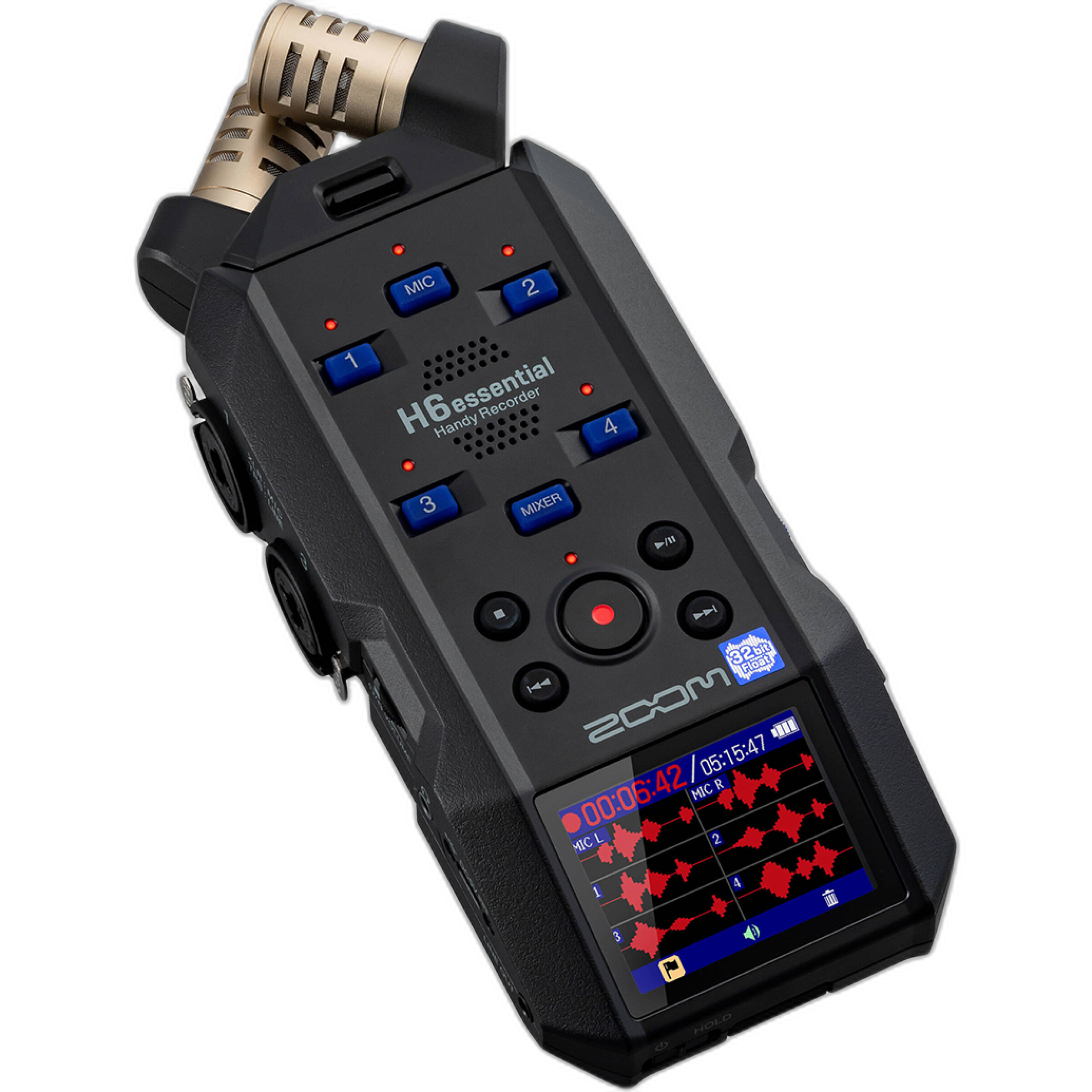
Treat audio as a co-star. Use dual-system sound to protect takes and simplify mixing. A handheld recorder with 32‑bit float capture gives enormous headroom, reducing the risk of clipped peaks during unpredictable moments and preserving whispers without quieting the scene. Mount a compact mic for ambient vérité coverage, then add lavs or a short shotgun when you can control placement. Always capture 30–60 seconds of room tone at every location for seamless edits, and monitor through closed-back headphones. Wind management is essential outdoors—use proper windscreens and check for handling noise before rolling into critical beats.
How do I build a compact, reliable run‑and‑gun rig?
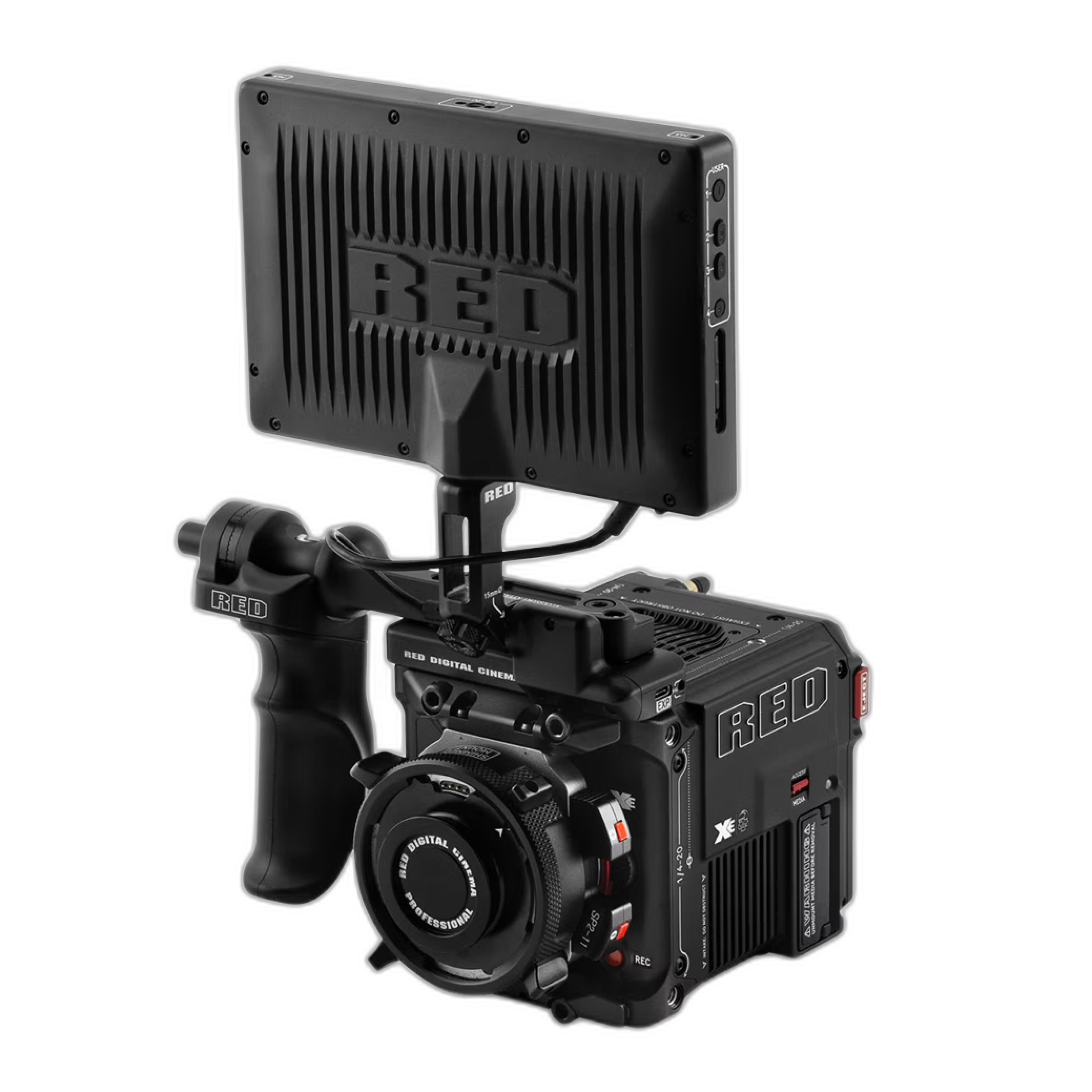
Prioritize balance, access, and power management. Keep your camera trim—top handle, low-profile plates, and cables secured with right-angle connectors. If you need slow motion or high dynamic range for challenging interiors, a cinema body with strong codecs and modular accessories can be transformative. For productions that demand pro I/O, robust data rates, and room to grow with grips and power distribution, a streamlined cine kit offers performance without overbuilding. Match the rig to your story: lighter for vérité, more modular when the schedule allows control.
How do I organize shots for editing and storytelling?
Start with a simple beat sheet: list the characters, locations, and the emotional or informational beats you need in each scene. In the field, aim for shot variety—wide establishers, mediums, cutaways, and meaningful details—and capture beginnings and endings to ease transitions. Slate verbally at the top of takes (e.g., “Market exterior, beat two, arriving”), and keep audio and video time-synced when possible. At night, back up, checksum-verify, and add clear folder structures (Project_Date_Location). Use consistent clip naming conventions and brief notes so editors can find story beats quickly. Transcribe interviews and tag selects; the rough cut will come together faster and cleaner.
What’s a practical data and backup workflow on the road?
Follow the 3‑2‑1 rule: three copies of your media, on two different types of storage, with one off-site. In the field, back up to two separate drives and keep them in different bags. Verify copies with checksums, label everything, and keep a media log that notes card IDs, locations, and any sync points. When possible, keep audio on its own card set so you can offload and verify in parallel with video.
How can I practice and improve quickly?
Run micro‑drills. Give yourself 20 minutes in a public space to find a clean establishing shot, a character moment, and three detail cutaways. Repeat in different lighting and noise conditions. Invest in continuing education to shortcut trial-and-error: our guest speakers and instructors share field-tested techniques you can apply on your next shoot.
Which Unique Photo products and classes can help right now?
- For dependable, flexible audio in dynamic environments, consider the Zoom H6Essential Series 6-Track 32‑Bit Float Handheld Recorder (SKU: ZOM3064) for dual-system capture in the field.
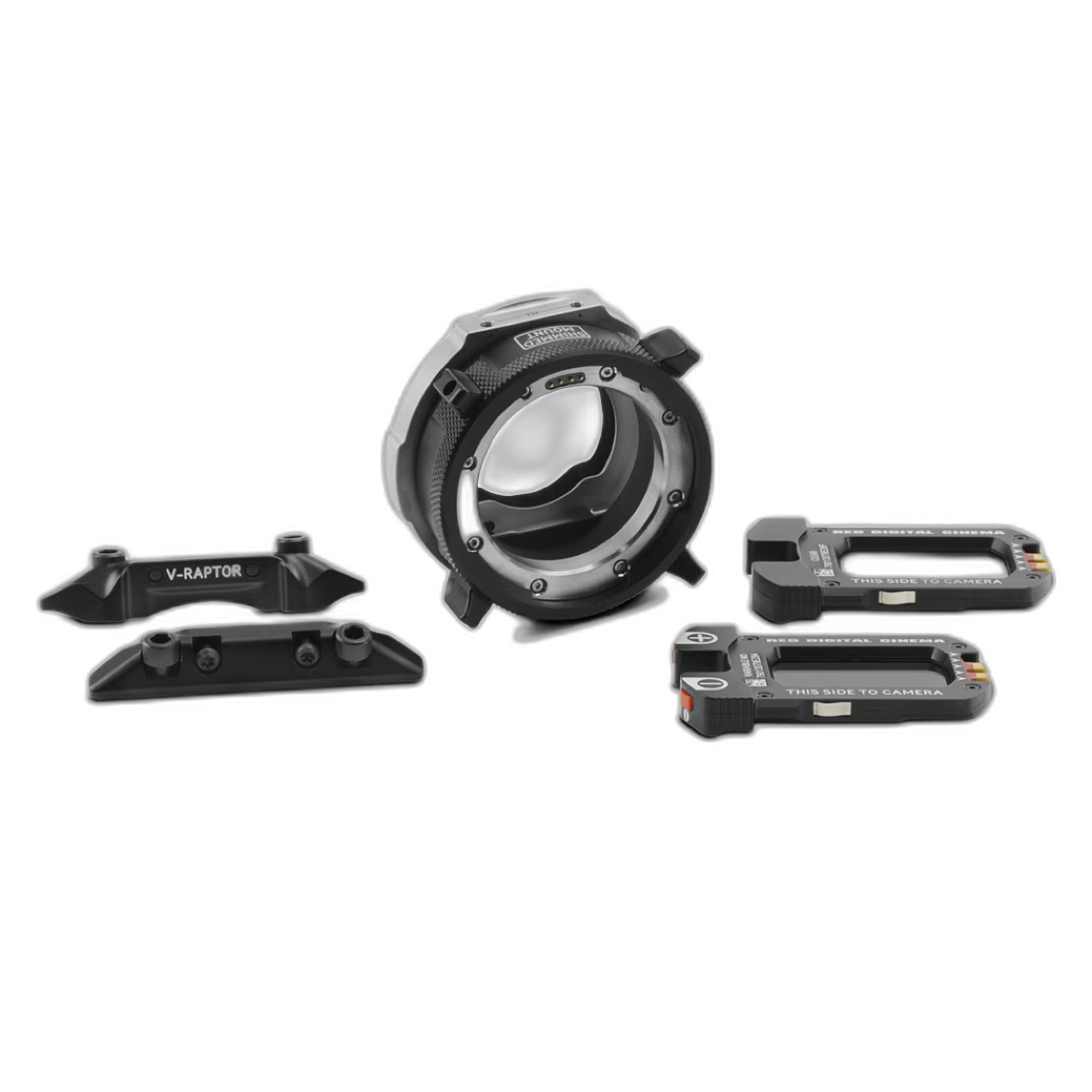
- If your story demands premium dynamic range, high frame rates, and modularity, explore the Red Digital Cinema V‑RAPTOR XE Cine Essentials Pack (Canon RF) (SKU: RED2184).
- Build storytelling instincts and production confidence through Unique Photo learning experiences like EXPO: Stories from the Road – Photography Across Worlds with Matt Borowick (SKU: UUU7365) and CS: Shooting Commercials for Social Media with Taylor Ballantyne (Sony) (SKU: UUUCS8337).
Ready to elevate your documentary toolkit? Visit Unique Photo in-store or online for gear, filters, audio solutions, and hands-on classes—plus expert advice tailored to your next story.