Do Lens Sharpness Ratings Really Matter? A Real-World FAQ
Lens reviews often spotlight sharpness scores, lab charts, and corner-to-corner measurements, but photographers usually care about one thing: how images actually look in real shooting conditions. The truth is that sharpness ratings are useful, but they only tell part of the story. Understanding how test data translates to portraits, travel, landscapes, and everyday photography will help you make a smarter buying decision.
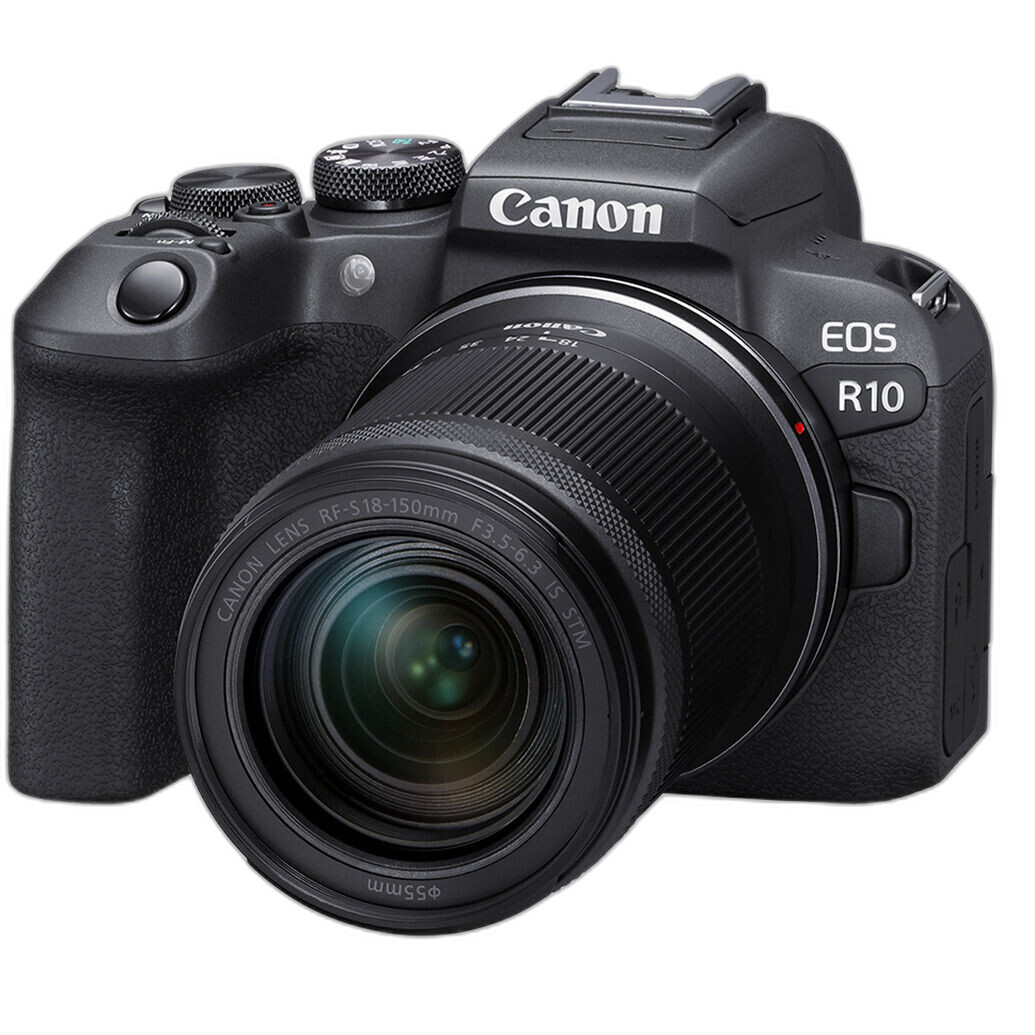
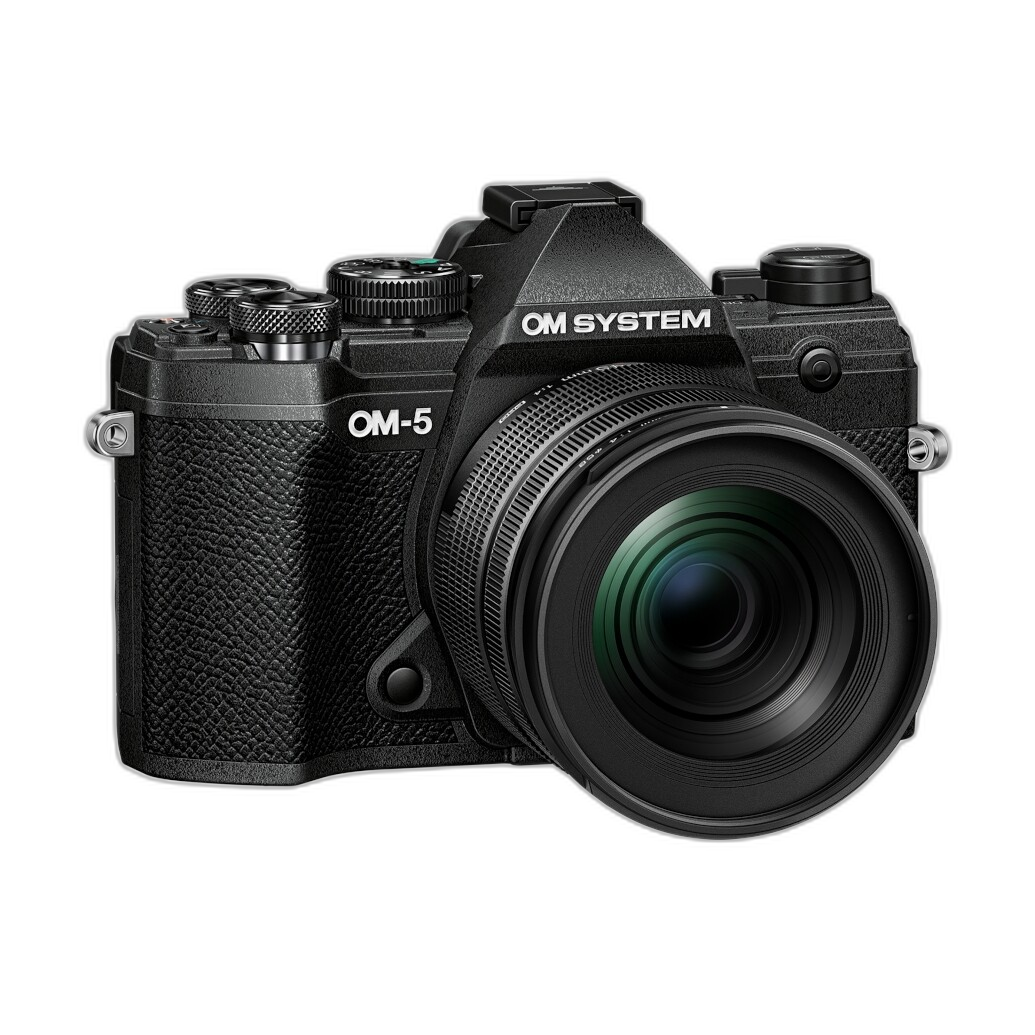
If you're comparing kits like the Canon EOS R10 with 18-150mm lens or the OM SYSTEM OM-5 with 12-45mm f/4 PRO lens, it helps to know when a chart matters and when your own shooting style matters more.
Are lab sharpness tests useful, or are they too artificial?
Lab tests are useful because they create a controlled baseline. They can show how a lens performs at different apertures, how sharp the center is compared to the edges, and whether performance changes at different focal lengths. That information is especially helpful when you are narrowing down choices between similar lenses or camera kits.
However, lab testing does not fully replicate real-world shooting. In practice, your shutter speed, focus accuracy, subject distance, lighting, atmospheric haze, and even handholding technique can influence the final image more than a small difference in test-chart resolution. A lens that looks slightly better in a lab may not produce visibly better photos for your style of photography.
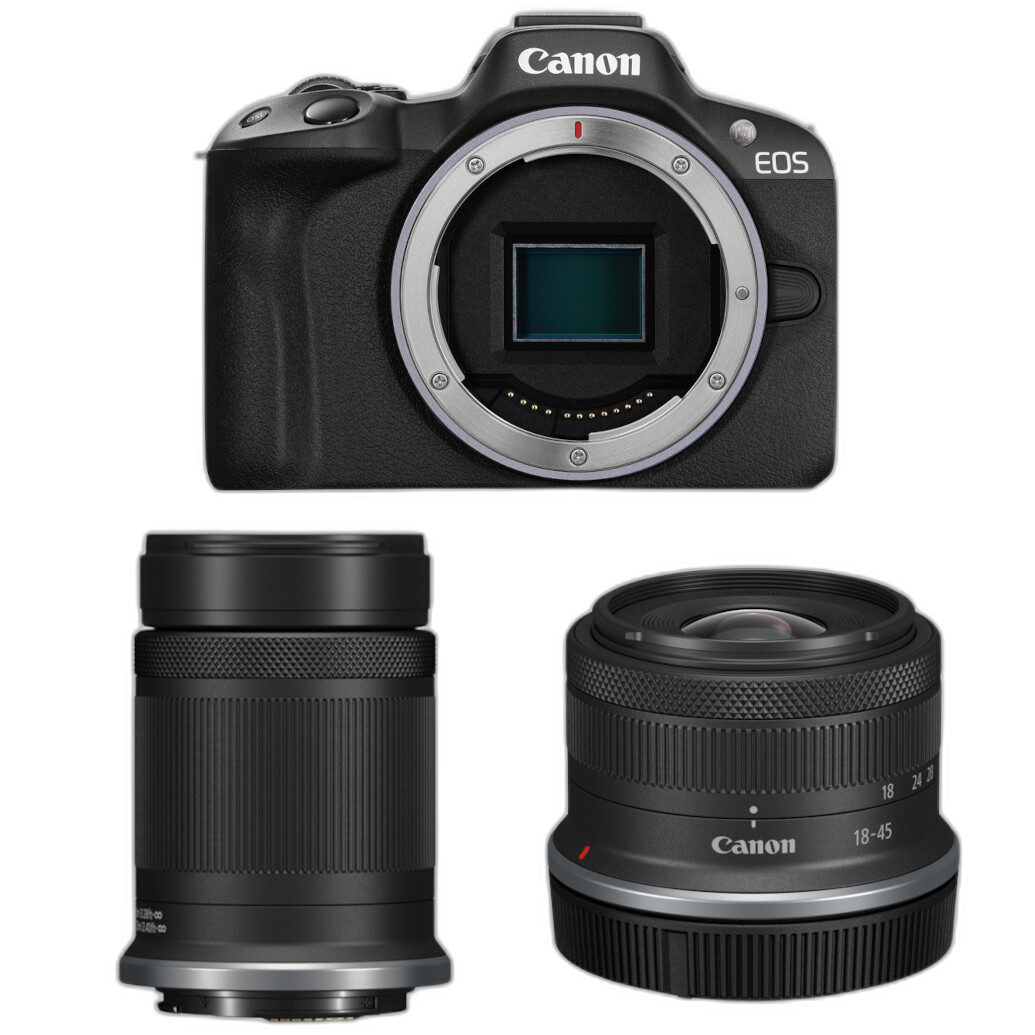
For many photographers, a versatile kit such as the Canon EOS R50 with RF-S 18-45mm and 55-210mm lenses offers more practical value than chasing tiny sharpness differences on paper. In actual use, focal range, autofocus performance, stabilization, and portability all affect keeper rate.
Do sharpness ratings reflect real-world field performance?
They reflect potential performance, not guaranteed results. A sharpness chart can tell you what a lens is capable of under ideal conditions, but field performance depends on how you shoot. If you photograph moving subjects, for example, autofocus consistency may matter more than a modest difference in measured resolution. If you shoot travel and street photography, weight and responsiveness can have a bigger impact than edge sharpness at 200% magnification.
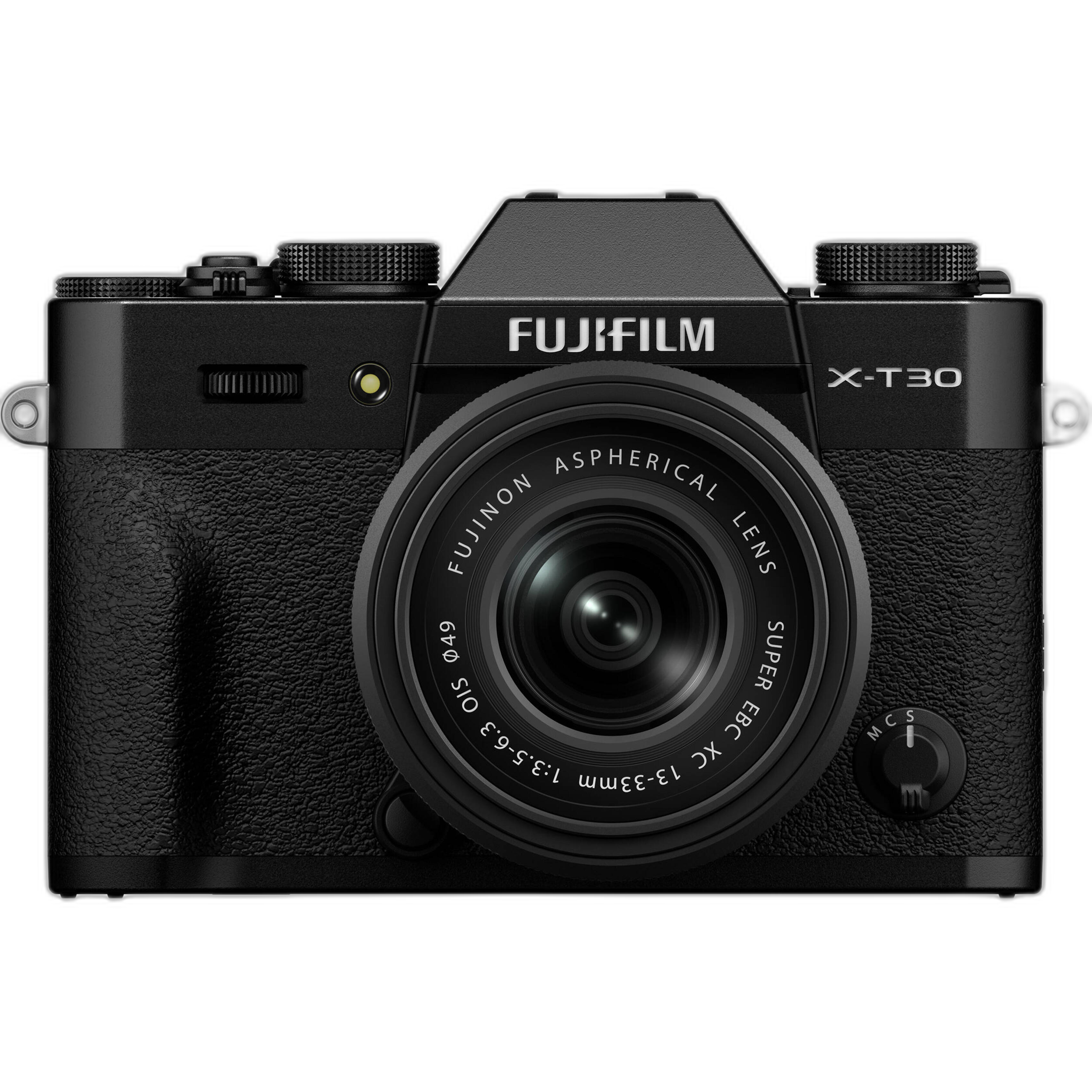
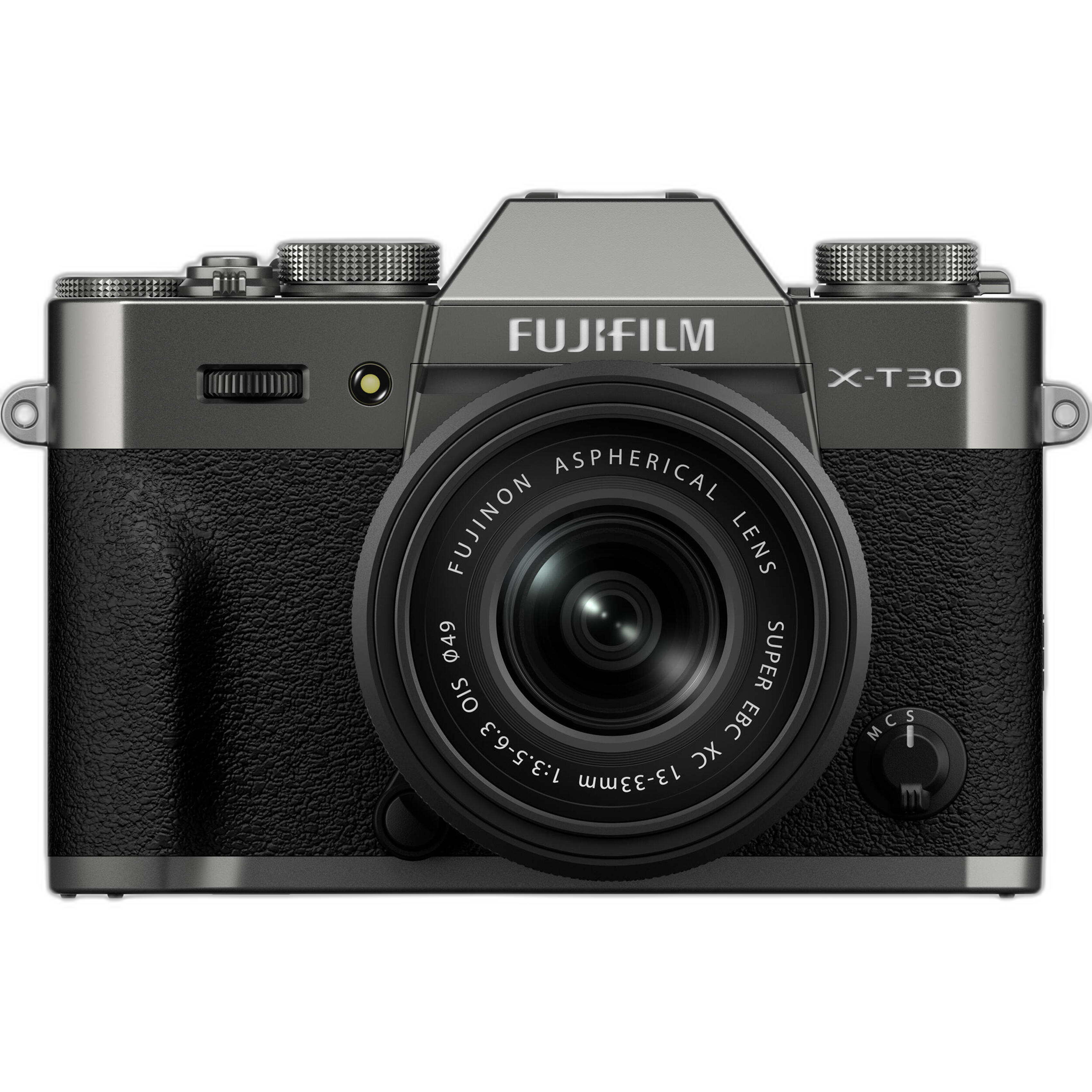
That is why complete camera-and-lens systems deserve attention. The FUJIFILM X-T30 III kit with XC13-33mm lens is a good example: many photographers care just as much about color rendering, handling, and overall shooting experience as about pure lab sharpness. A camera that encourages you to shoot more often usually delivers better real-world results than one chosen only for technical scores.
How much do aperture and focal length affect perceived sharpness?
A great deal. Most lenses are not equally sharp at every aperture or zoom position. Many become sharper when stopped down a little from their widest aperture, often improving in the mid-frame and corners. Zoom lenses may also perform differently at the wide end, middle, and telephoto end.
That means a single published sharpness number can be misleading if it doesn't match how you actually use the lens. A travel photographer shooting at f/8 for landscapes may see very different performance than a portrait shooter working wide open for shallow depth of field. Likewise, a superzoom used at the long end may not look like the same lens tested at a shorter focal length.
If you want a setup known for balanced everyday performance, the Canon EOS R10 with 18-150mm lens gives you a flexible focal range for travel, family, and general-purpose photography. The practical advantage of having the right focal length available often outweighs a minor chart advantage from a more specialized lens.
Does subject distance change how sharp a lens appears?
Yes. Lenses can behave differently up close, at portrait distance, and at longer distances. Some optics are optimized for distant subjects such as landscapes, while others perform especially well at closer working distances. Focus breathing, field curvature, and close-focus design can all influence what you see.
This matters because many reviews are based on fixed test distances that may not match your actual use. If you shoot portraits, products, or close-up lifestyle scenes, you should pay attention to sample images made in those situations. A lens that looks excellent on a distant chart may not be the best fit for your preferred subject matter.
The OM SYSTEM OM-5 with 12-45mm f/4 PRO lens is a strong example of a kit that appeals to photographers who want dependable real-world performance across travel, nature, and general photography. It combines portability with a lens designed for practical use in the field, where consistency often matters more than headline sharpness numbers.
Should I trust sample images more than MTF charts?
Use both, but understand what each one does best. MTF charts and lab measurements are helpful for comparing optical performance in a standardized way. Sample images show how a lens behaves in more realistic conditions, including contrast, rendering, flare resistance, background blur, and overall character.
Sample images are often more meaningful when you want to know whether a lens creates the kind of results you like. They can reveal whether a lens feels crisp in practical shooting, even if the chart differences are minor. At the same time, sample images can be influenced by editing, focus technique, camera settings, and photographer skill, so they are not perfect either.
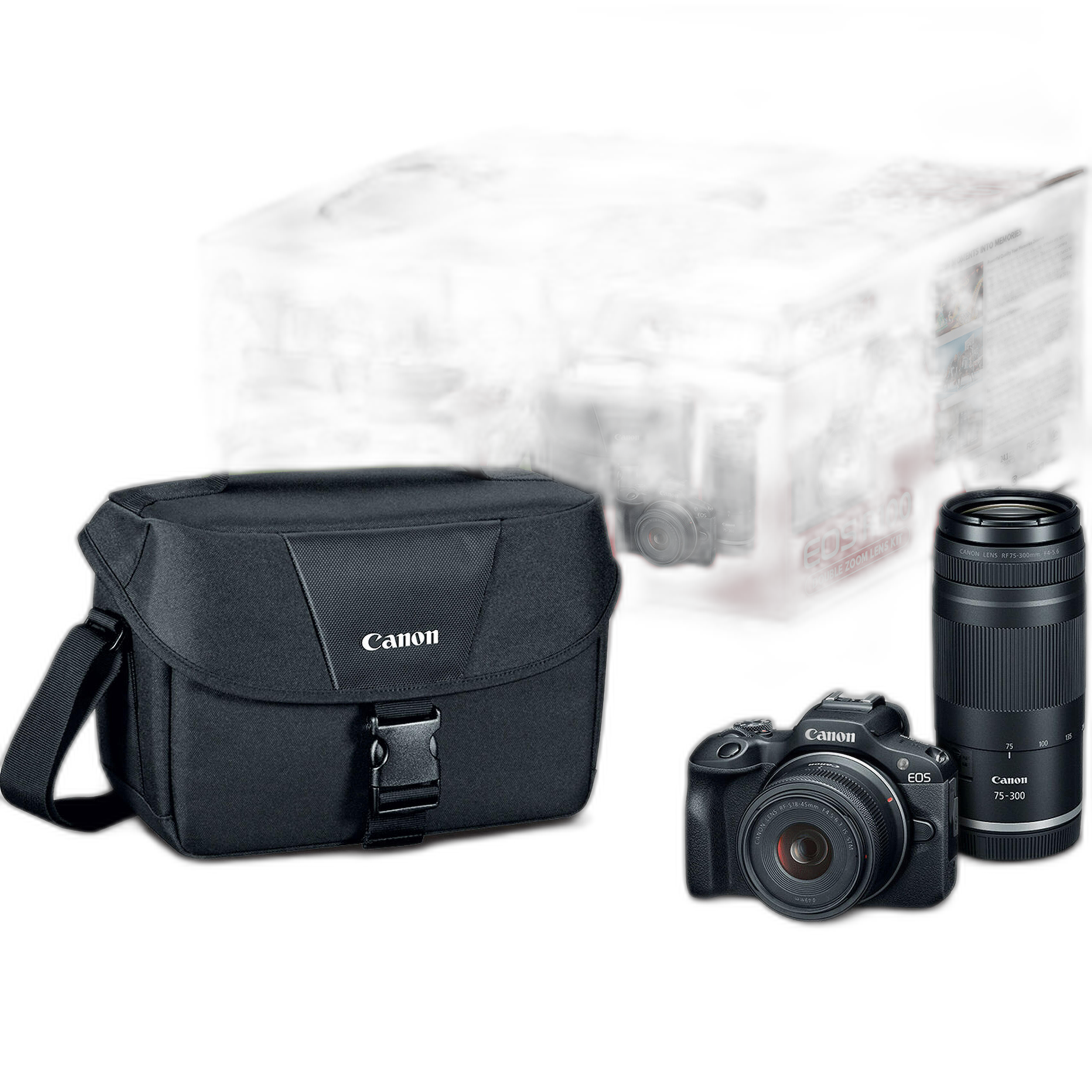
A smart approach is to use charts for objective comparison and samples for subjective preference. If you are shopping for an easy-to-use entry point into interchangeable-lens photography, the Canon EOS R100 Double Lens Zoom Kit gives you flexibility to explore wide and telephoto shooting while learning how different lenses render real scenes.
How important is sharpness compared to autofocus, stabilization, and handling?
For many photographers, those factors are just as important—or more important. A lens can test extremely well in a lab, but if it focuses slowly, feels awkward to use, or requires a shutter speed you cannot reliably handhold, your real-world results may suffer. Sharpness only matters when focus lands where you want it and the camera remains steady enough to capture detail.
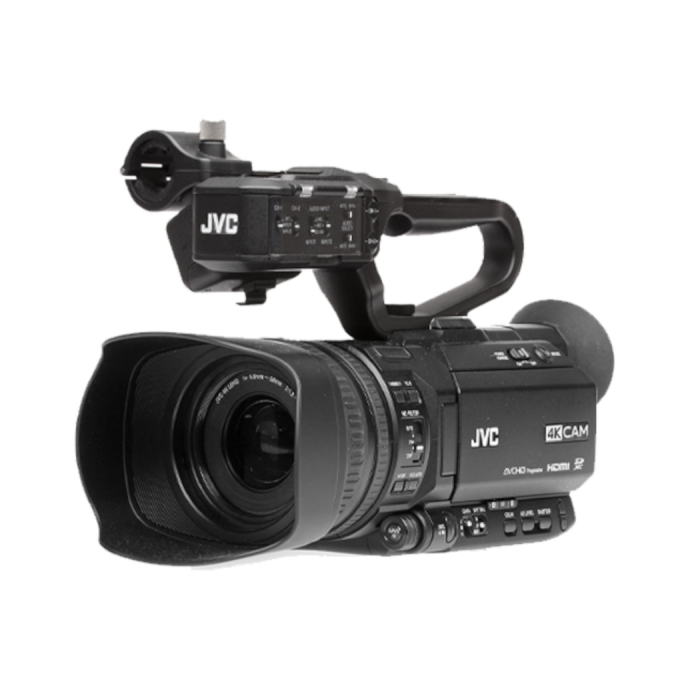
This is especially true for hybrid shooters and video creators. In video work, overall image quality depends on more than lens resolution; autofocus smoothness, zoom range, ergonomics, and recording features all influence the final production. For users who prioritize dependable integrated performance, camcorders such as the JVC GY-HM180U 4K Cam HD-SDI Handheld Camcorder with integrated 12x lens can make more sense than obsessing over still-photo sharpness ratings alone.
Can modern cameras make lens sharpness differences easier to see?
Yes. Higher-resolution sensors, better displays, and heavy cropping can reveal differences that might have gone unnoticed in smaller prints or older cameras. But that does not automatically mean every difference is important. A lens that is slightly less sharp in the corners may still look excellent in prints, albums, social media posts, and most client deliverables.
Modern cameras also add variables that can improve practical sharpness, including subject detection autofocus, in-body stabilization, and better processing pipelines. The FUJIFILM X-T30 III kit and Canon EOS R50 kit are good examples of systems where the camera's performance can help you get sharper images in everyday use, even if you're not using a top-tier premium lens.
When should sharpness ratings strongly influence my buying decision?
Sharpness ratings matter most when your work is technically demanding. Landscape photographers making large prints, commercial photographers shooting detailed products, and anyone who crops heavily may benefit from studying optical test data more closely. In those situations, edge performance, consistency across the frame, and performance at working apertures can be genuinely important.
Even then, you should still evaluate the whole system. Weather resistance, lens range, body ergonomics, and portability all affect whether a setup works for your assignments. For many buyers, the best choice is not the lens with the highest score, but the one that delivers reliable results in the environments they actually shoot in.
What is the best way to choose a lens if sharpness charts don't tell the whole story?
Start by identifying your real subjects: portraits, travel, landscapes, sports, family events, video, or everyday carry. Then compare lenses based on focal range, maximum aperture, autofocus behavior, size, stabilization, and how they perform in images similar to the work you want to create. Sharpness should be part of the decision, but not the only factor.
For newer photographers, a well-rounded kit often makes more sense than chasing theoretical perfection. A package like the Canon EOS R10 with 18-150mm lens or the OM SYSTEM OM-5 with 12-45mm f/4 PRO lens can cover a wide range of scenarios with strong practical image quality. As your needs become more specialized, you can evaluate more detailed optical data with your own workflow in mind.
Sharpness ratings are best used as one tool in a bigger buying process. If you want help comparing camera kits, reading lens test data, or finding a setup that suits your shooting style, Unique Photo can help you choose gear that performs where it matters most: in your real photographs.