
Developing at Home vs. Lab Services — Pros, Cons & Recommendations
Whether you’re getting into film for the first time or refining your workflow, the big question is the same: should you develop at home or send your rolls to a lab? This head-to-head comparison breaks down costs, time, quality, and control to help you choose the right path. We’ll illustrate both approaches with real gear and services available from Unique Photo.

Quick Side‑by‑Side Comparison
| Category | Developing at Home | Lab Services |
|---|---|---|
| Upfront cost | Moderate (tanks/reels, thermometer, trays, chemicals) | None for gear |
| Ongoing cost per roll | Low (typically a few dollars in chemistry) | Medium (dev-only or dev+scan pricing per roll) |
| Turnaround time | About 30–90 minutes to process, plus drying and scanning | Usually same day to a few business days, depending on service and volume |
| Learning curve | High—technique matters; more trial and error | Low—drop off and go |
| Consistency | Good with practice; can vary between batches | High—calibrated, repeatable processes |
| Creative control | Maximum—custom development, alternative processes | High—standard processes with optional push/pull and print choices |
| Space & safety | Requires a light-safe area and good ventilation; chemical handling | No space or chemical handling required |
| Scalability | Slower for large volumes; time-intensive | Optimized for volume; easy to scale up |
| Best for | Hands-on learners, tinkerers, creative experimentation | Busy shooters, client work, high consistency needs |
Category-by-Category Analysis
Cost & Value
Home developing front-loads your budget into equipment and chemistry, but once you’re set up, per-roll costs are low—especially for black-and-white. Labs remove upfront expense and offer predictable per-roll pricing for development, scans, and prints. If you shoot occasionally, labs often cost less overall; if you shoot frequently and enjoy the process, home developing can pay for itself.

Time & Convenience
Developing at home means you control the schedule—no drop-offs or pickups—but you invest your own time measuring, timing, washing, drying, and scanning. Labs save your time and reduce variables. Turnaround can be same day to a few days depending on service and demand, making it ideal for deadlines or large batches.
Image Quality & Consistency
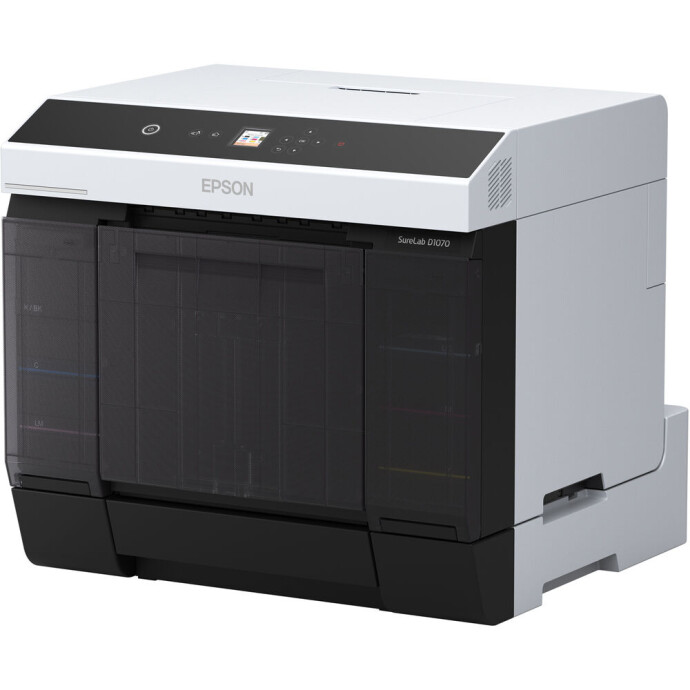
Labs rely on calibrated workflows and pro equipment to deliver consistent results. For example, pro minilab printers like the Epson SureLab D1070DE offer robust, repeatable output when it’s time to make prints.
At home, you can match or exceed lab quality with practice, but results depend on tight control of temperature, timing, and clean chemistry. Expect a learning curve before you’re reliably nailing density and contrast.
Creative Control & Experimentation
If you love tweaking processes—custom agitation, push/pull, stand development, unusual developers, or alternative techniques—home is unbeatable. You can also select your own scanning and printing workflow. Labs offer control through service options (e.g., push/pull, print sizes, paper types), but within standardized, quality-controlled boundaries.
Safety, Space & Setup
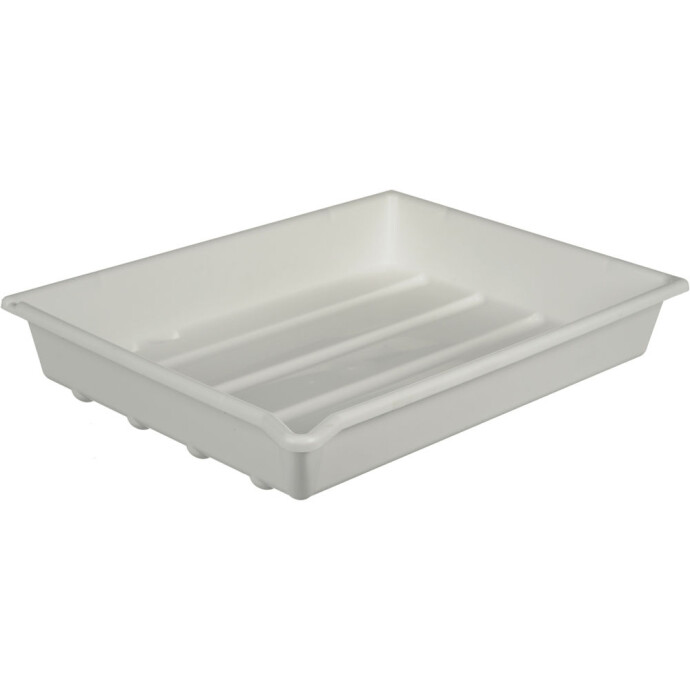
Home darkroom work requires a light-safe space for loading reels or trays and good ventilation for handling chemistry. Basic tools like trays help keep your workflow organized and clean.
If space, ventilation, or household constraints are a concern, lab services remove the setup entirely.
Organization & Workflow
As your film stack grows, labeling and cataloging become essential—especially at home where you manage every step. Simple accessories can streamline this.

Scalability & Volume
Labs shine when you’re on deadline or handling large volumes: you can offload processing and get consistent deliverables without tying up your evenings. Home developing scales more slowly—great for personal work and learning, less ideal for tight client schedules unless you enjoy marathon processing sessions.
Recommendations by Photographer Type
- Casual shooters and busy professionals: Lab services for predictable, fast, and consistent results.
- Hands-on learners and creative tinkerers: Home developing for maximum control and low per-roll costs.
- Hybrid approach: Develop at home for control, then order archival lab prints for exhibition or delivery.
Our Pick
Conclusion
Whether you prefer the hands-on satisfaction of trays and chemistry or the convenience and consistency of professional lab work, Unique Photo has you covered—from darkroom essentials to lab print services. Start where your schedule and creative goals point you, and evolve into a hybrid workflow as your skills and needs grow.