Essential Film Photography Techniques Every Newcomer Should Know: Darkroom vs Hybrid Printing
If you’re just getting into film photography, the way you finish your negatives will shape how quickly you master exposure, color, and contrast. In this head-to-head, we compare two proven paths—traditional RA-4 darkroom printing and a modern hybrid/dry‑lab workflow—to help you choose the best learning track. Each approach teaches core techniques differently, from hands-on dodging and burning to digital color balancing and consistency.
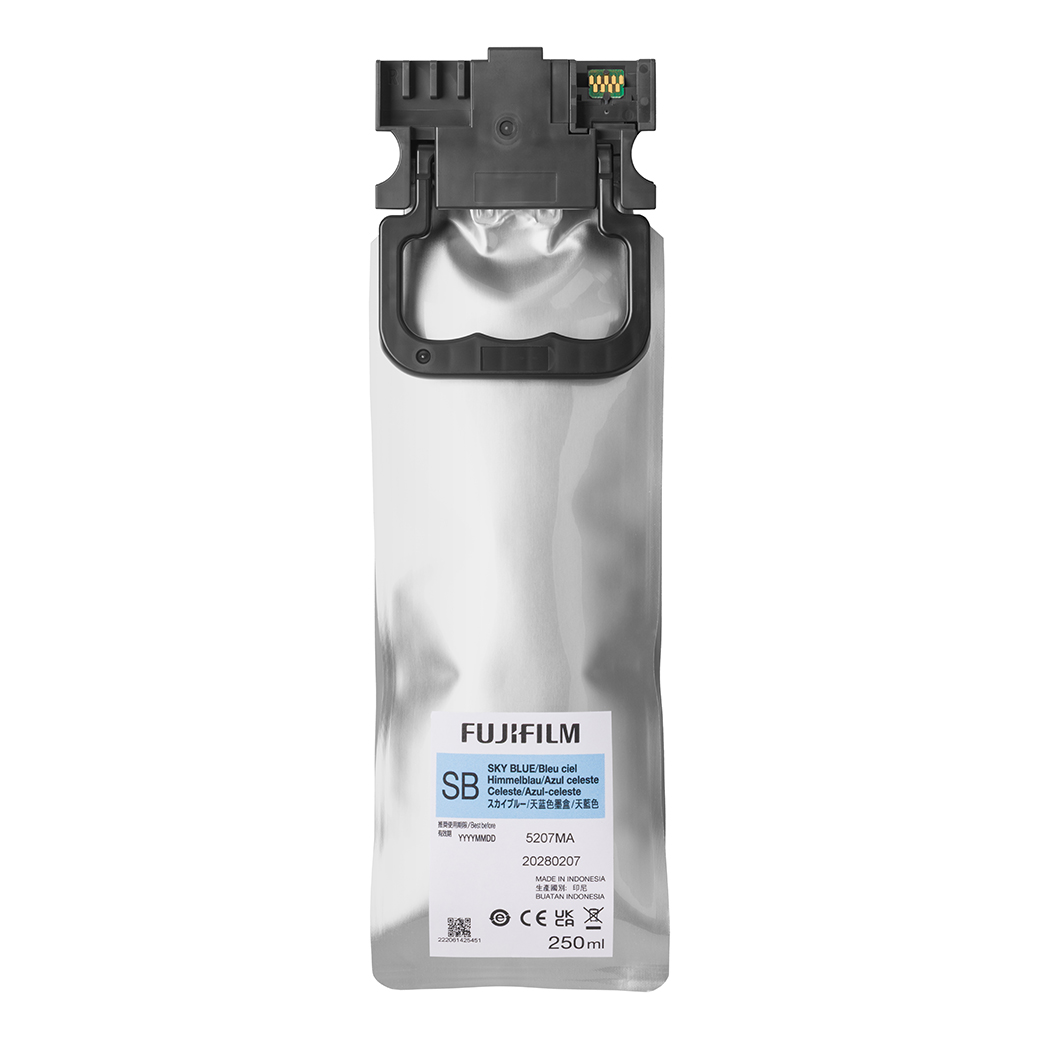
Representative supplies pictured below:
Side-by-Side Comparison
| Attribute | Traditional RA-4 Darkroom Printing | Hybrid/Dry-Lab Output |
|---|---|---|
| Process Type | Optical enlarger projects negative onto color paper; chemical (RA-4) development. | Negative is scanned; tonal/color adjustments made digitally; printed on a dry lab/ink system. |
| Representative Supplies | Fujifilm DIGITAL PRO Glossy color paper; Fujifilm Digital RA PRO chemistry. | Fujifilm DX400W ink set (Sky Blue shown) and compatible media. |
| Hands-On Techniques Learned | Contact sheets, test strips, dodging & burning, color filtration at the enlarger. | Histogram evaluation, curves/levels, soft proofing, consistent output profiles. |
| Learning Curve | Higher at first; strong tactile understanding of exposure and contrast. | More approachable; fast iteration reinforces metering and color basics. |
| Time per Print | Longer—exposure tests and chemical processing. | Shorter—repeatable settings and quick reprints. |
| Consistency | Dependent on technique, chemistry control, and notes. | High—digital settings can be saved and applied. |
| Color Control | CMY filtration at enlarger; changes affect entire image globally. | Per-channel and local adjustments before output; precise. |
| Space/Equipment | Requires light-tight darkroom, enlarger, RA-4 processing. | Requires scanner/computer; access to a dry lab or print service. |
| Reinforces Film Fundamentals | Excellent for grasping density, contrast, and the effect of exposure on print. | Excellent for learning evaluation and repeatable corrections from scan to print. |
Exposure and Metering: Contact Sheets vs Scanning Histograms
Beginners learn exposure in different ways across these workflows. In the darkroom, contact sheets and test strips reveal how negative density translates to print. In a hybrid approach, a scan’s histogram and preview quickly show where highlights and shadows fall. Both methods strengthen your metering discipline—spot meter scenes, bracket early on, and review your results critically.
Composition and On-Location Workflow
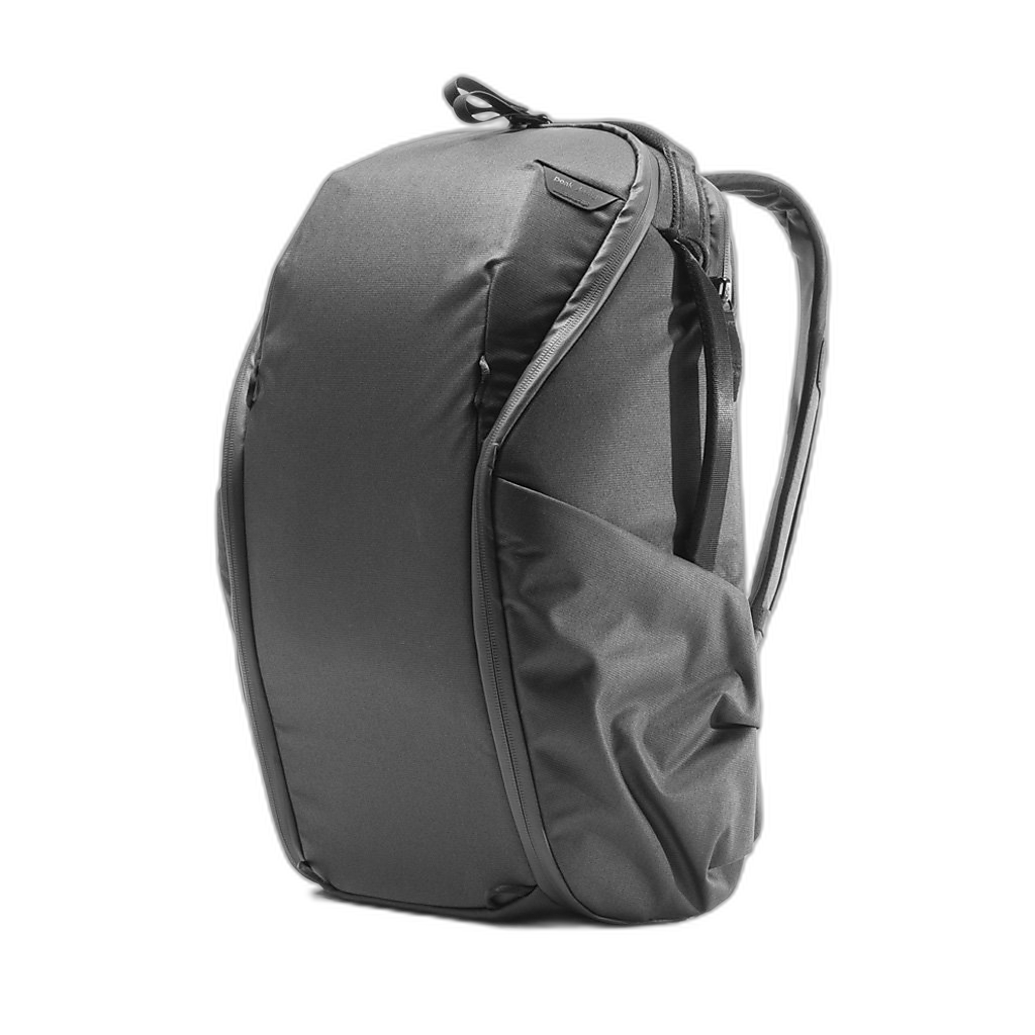
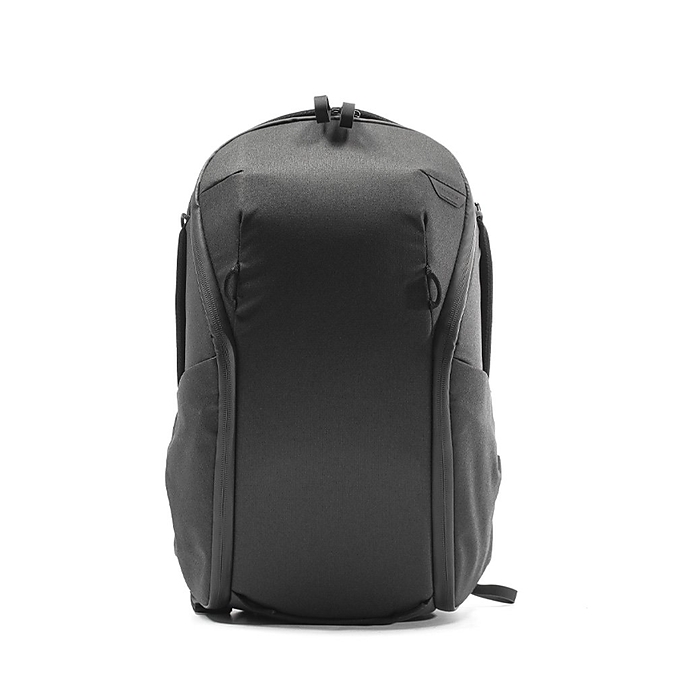
Sharp composition starts before you even load your film. Keep your kit organized so you can work deliberately: extra rolls, filters, and a notebook for exposure data. Comfortable carry means fewer missed shots and better attention to framing and timing.
Color Balancing and Contrast Control
With RA-4, you’ll dial in CMY filtration at the enlarger and learn how global color shifts affect skin tones and skies. Hybrid editing lets you make precise, local tweaks before printing—ideal for newcomers who want fast feedback and consistent color.
Printing Workflow: Tactile Craft vs Repeatable Speed
Darkroom printing builds intuition: you’ll see how small exposure moves change the print and how dodging and burning sculpt contrast. It’s deeply rewarding, but it takes time. Hybrid/dry‑lab output prioritizes efficiency—once you’ve profiled your scan and dialed in tones, identical reprints are straightforward. That consistency helps beginners connect camera settings to predictable results.
Building a Hybrid Skill Set
Many film shooters combine both: scan for quick learning and consistent prints, then return to the darkroom for select negatives when you want the full tactile experience. Structured learning accelerates either path—classes that focus on field craft and tonal control translate directly to better negatives and better prints.
Our Pick: Hybrid/Dry‑Lab Printing for Newcomers
If you’re starting from zero, we recommend the hybrid/dry‑lab route first. Scanning your negatives and outputting to a consistent printer ecosystem (e.g., systems that use Fujifilm DX400W inks like the Sky Blue shown) offers fast, repeatable feedback so you can master metering, color, and contrast without a full darkroom. Once your fundamentals are solid, explore RA-4 printing with Fujifilm DIGITAL PRO Glossy paper to deepen your craft.
Conclusion
Both paths teach essential film techniques—choose the one that fits your space, time, and learning style. Unique Photo has you covered with lab supplies, carry solutions, and hands-on education through Unique University. Visit us online or in-store to get set up and keep your film journey moving forward.