Contest-Quality Photography FAQ: Gear, Sharpness, Editing, and Print Prep
Creating an image that stands out in a photo contest takes more than a great subject. Judges often respond to a combination of strong composition, technical precision, thoughtful post-processing, and a polished final presentation.
At Unique Photo, we help photographers refine every step of that process—from choosing dependable gear to preparing files for exhibition-quality prints. Below, we answer some of the most common questions about building a contest-ready workflow.
What matters most for contest-quality images: gear or technique?
Technique usually has the bigger impact. Sharp focus, intentional composition, controlled exposure, and strong timing will elevate an image more than expensive equipment alone. That said, reliable gear can make it easier to execute your vision consistently, especially in demanding situations like low light, wide landscapes, or carefully staged fine-art work.
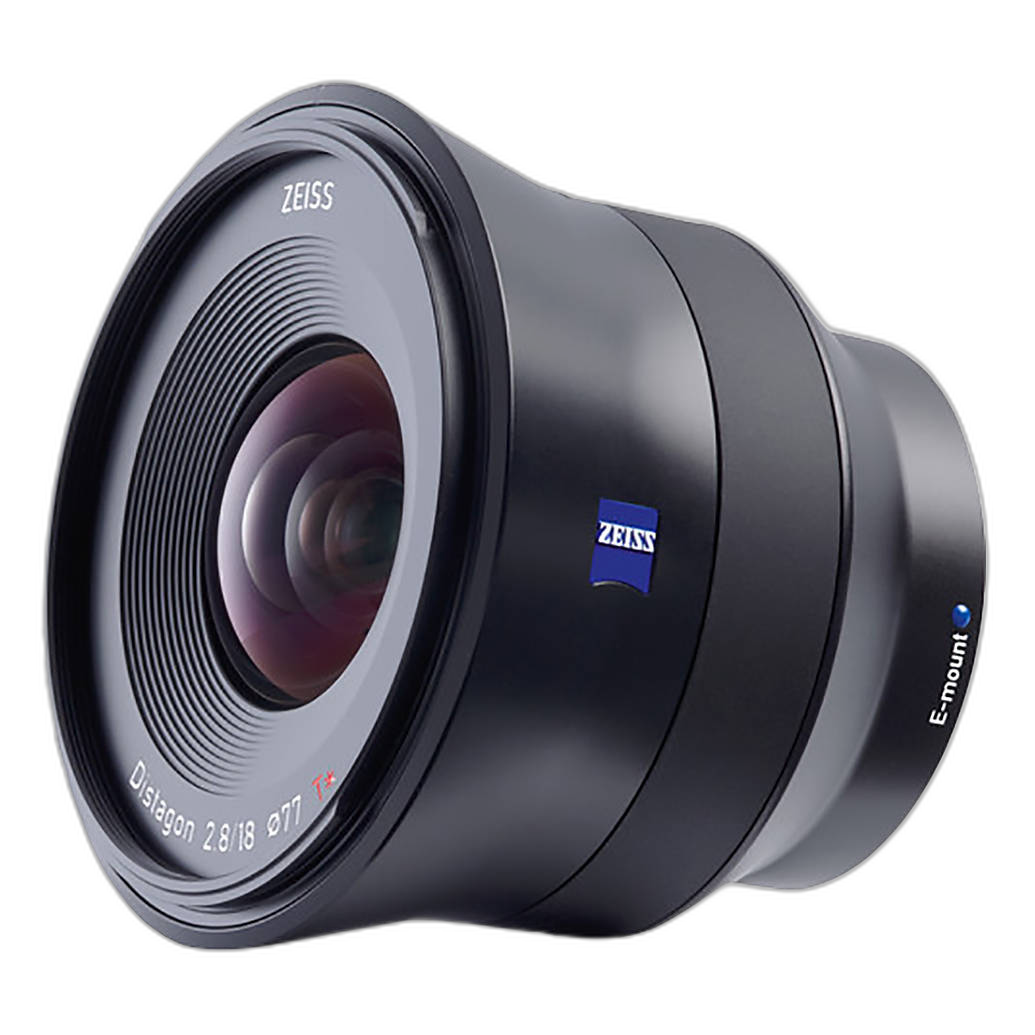
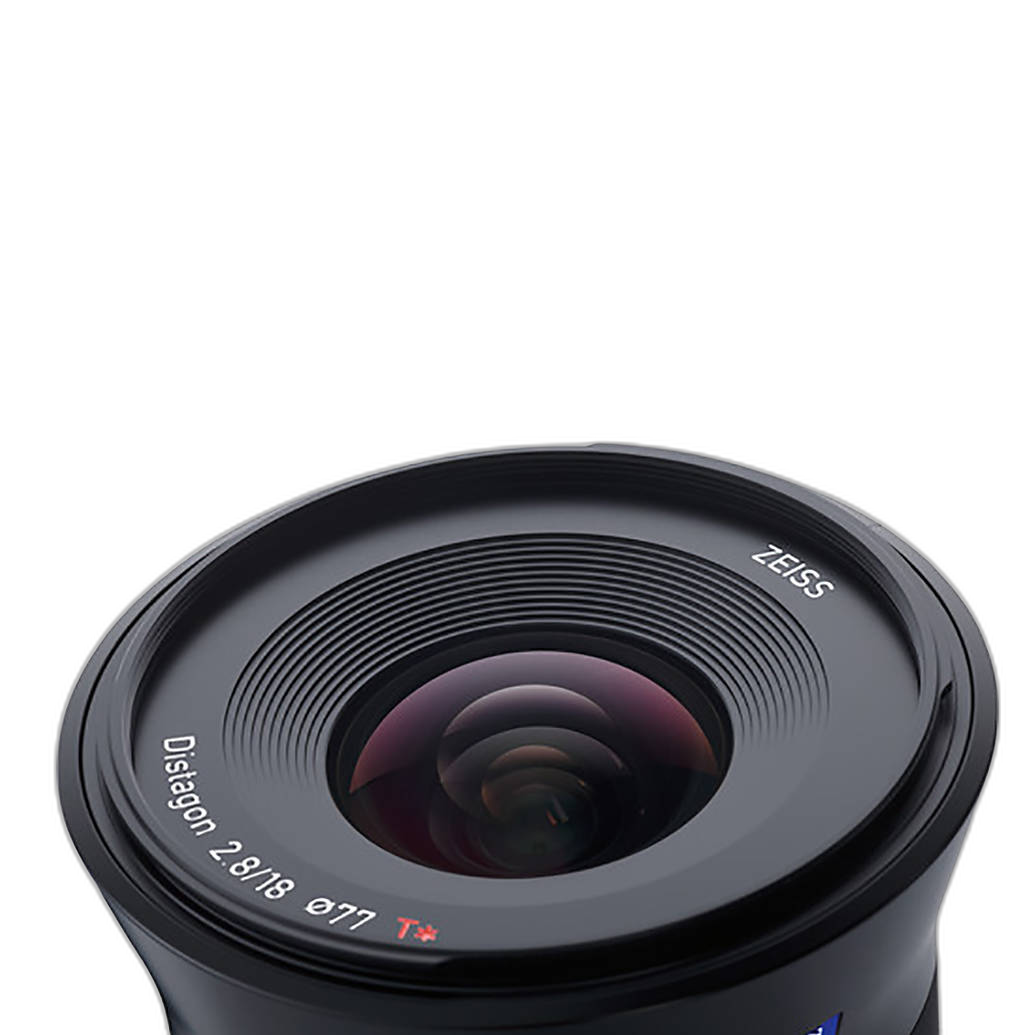
For example, if you regularly enter landscape, architecture, or environmental portrait categories, a high-quality ultra-wide lens can make a real difference in edge-to-edge detail and contrast. The Zeiss Batis 18mm f/2.8 for Sony E-mount is a strong option when you need excellent sharpness, dramatic perspective, and dependable autofocus in a compact full-frame setup.
The key is matching your tools to the kind of work you want to submit. A well-planned image from a modest kit can absolutely outperform a technically sloppy image made with premium gear.
How do I get the sharpest possible files for competition?
Sharpness starts before editing. Use a shutter speed appropriate for your subject and focal length, stabilize the camera whenever possible, and focus with intention on the most important part of the frame. If the scene allows, stop the lens down slightly from wide open to improve corner performance and overall consistency.
For landscapes and architectural work, a lens with strong optical performance helps preserve fine detail across the frame. The Zeiss Batis 18mm f/2.8 is especially useful when you need clean rendering for big prints, and its wide field of view can be an asset for immersive contest entries.
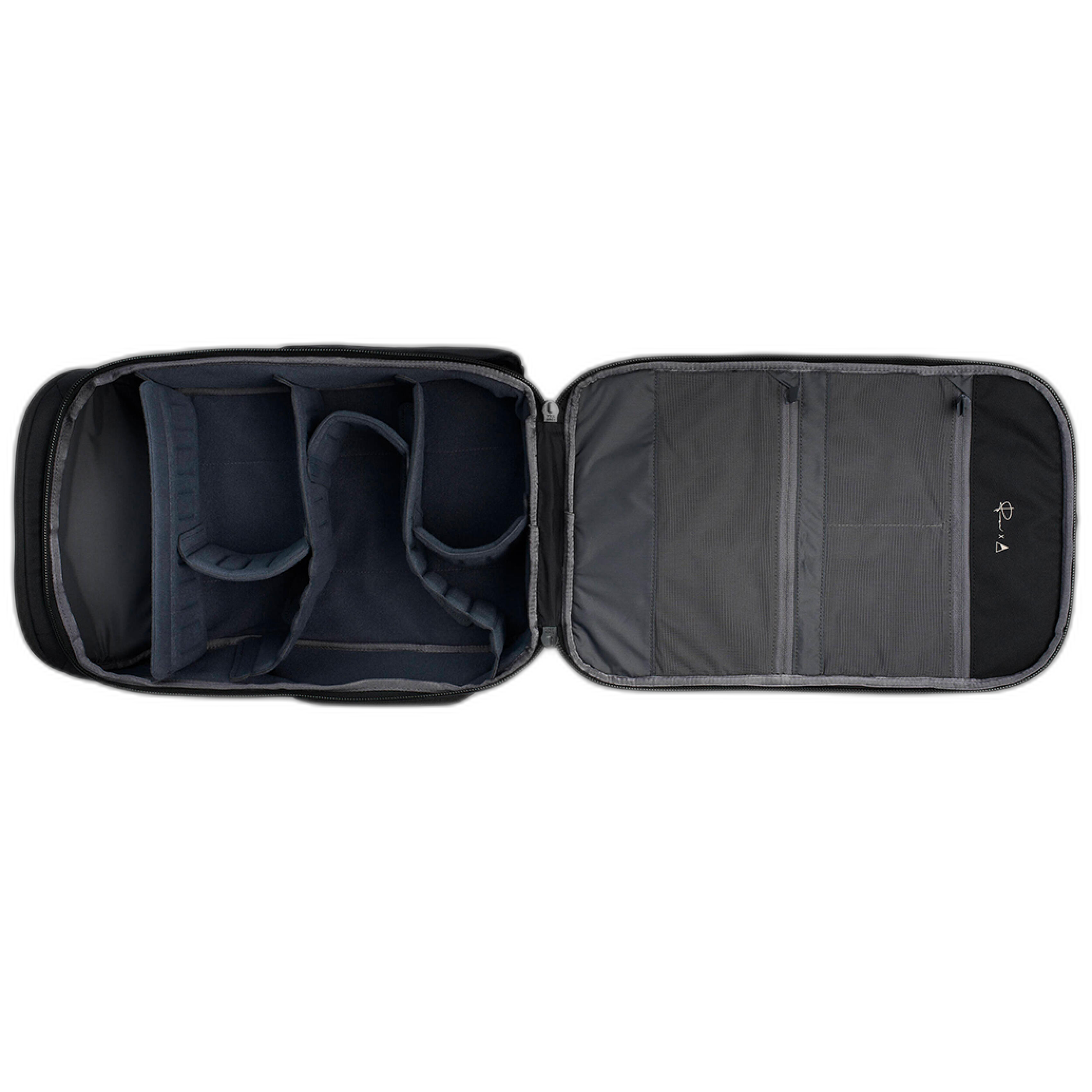
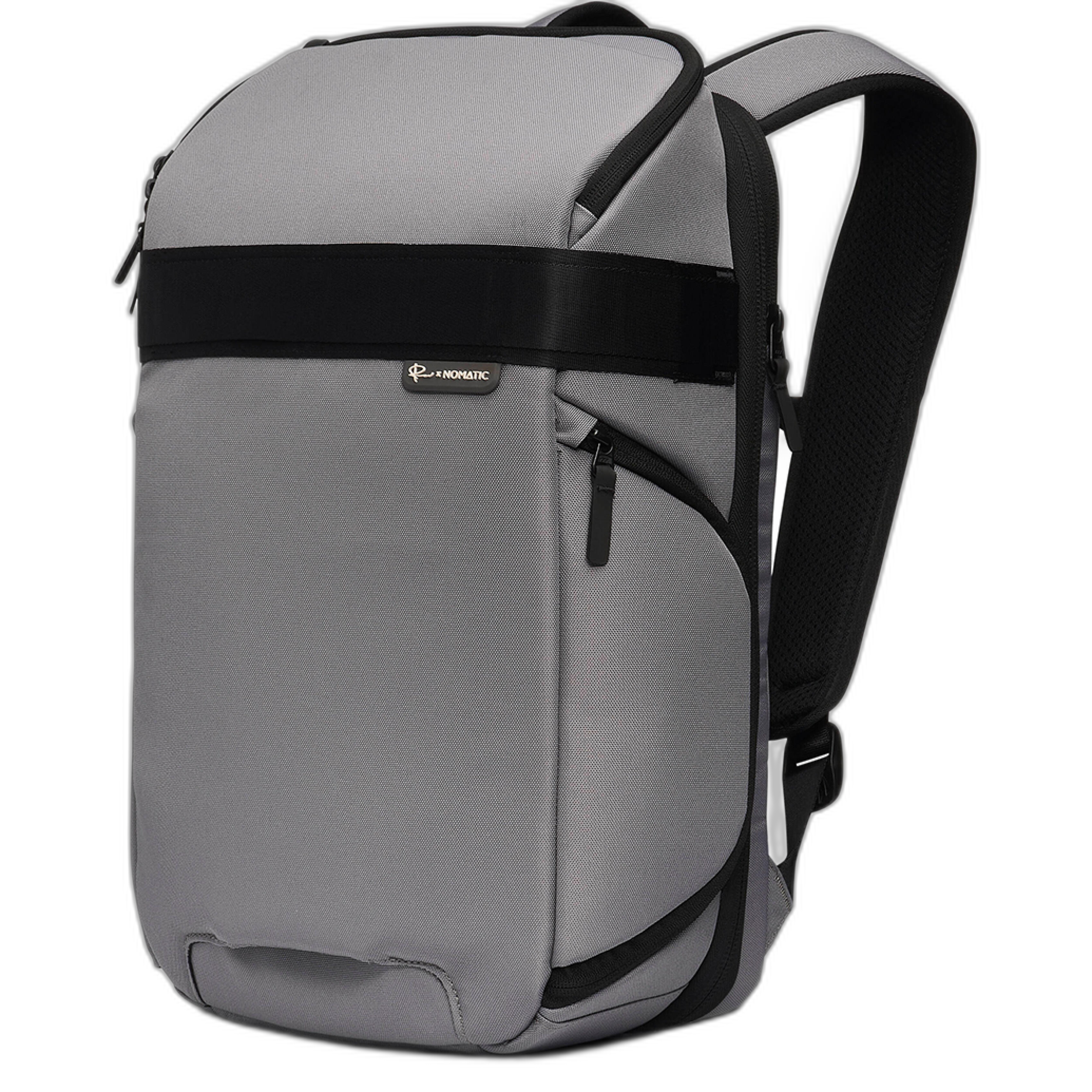
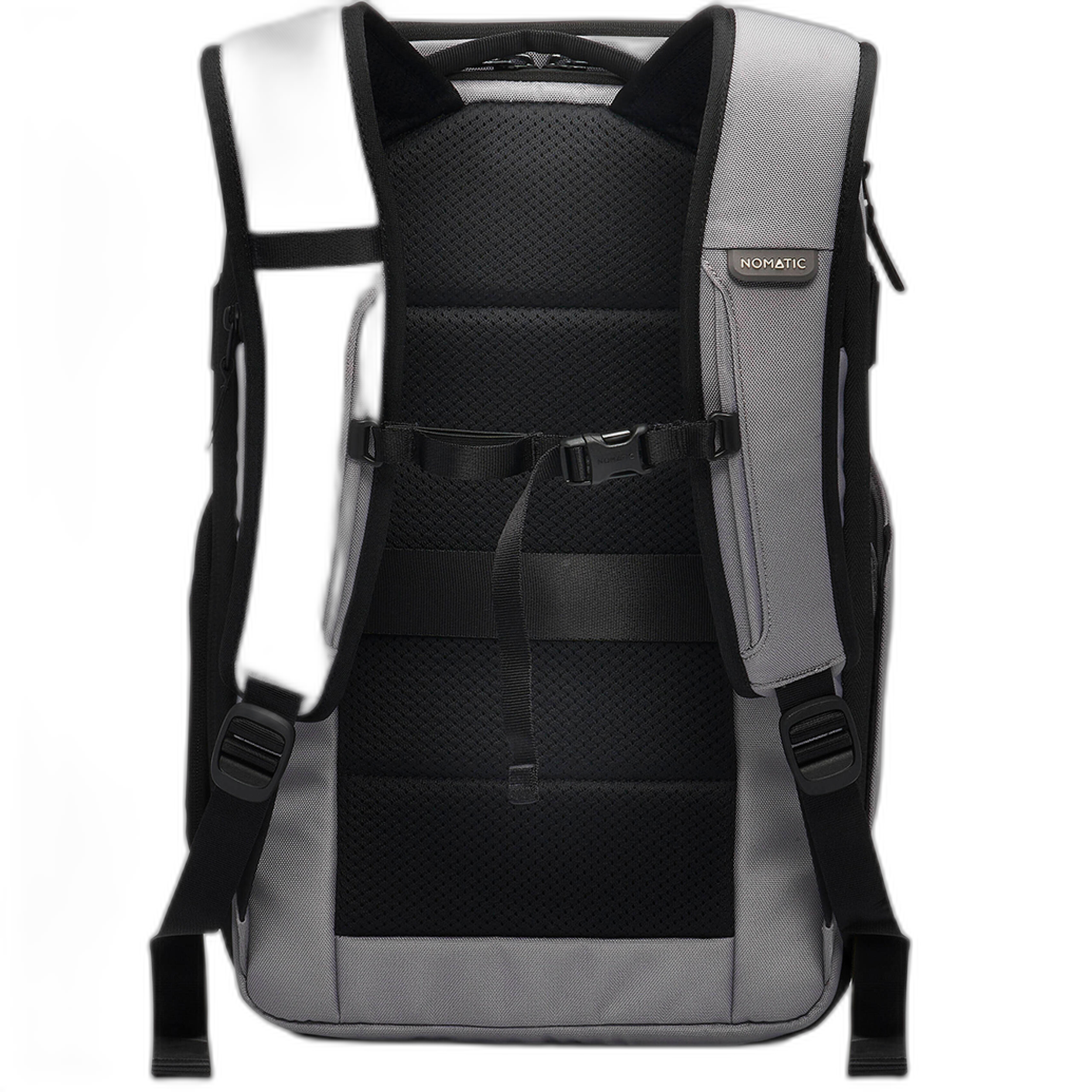
Also pay attention to practical issues that can reduce sharpness in the field. Fatigue, rushed lens changes, and carrying gear awkwardly all contribute to mistakes. A comfortable carry solution like the PGYTECH Camera Strap Slim can help you keep your camera ready without overcomplicating your setup, while a bag such as the Nomatic Luma Camera Pack 18L can protect your kit and keep accessories organized on location.
What camera settings are best when I want maximum image quality?
There is no single universal setting, but a few principles are consistently helpful. Shoot in RAW whenever possible so you retain the greatest flexibility for highlight recovery, white balance adjustment, and careful tonal refinement. Use the lowest practical ISO to preserve dynamic range and minimize noise, but do not sacrifice shutter speed so much that motion blur ruins the frame.
Aperture depends on the subject. For landscapes, photographers often work around the lens's sharpness sweet spot rather than automatically choosing the smallest f-stop. Going too far closed down can introduce diffraction and reduce fine detail. For portraits or selective-focus images, wider apertures may better support the artistic intent, as long as focus placement is precise.
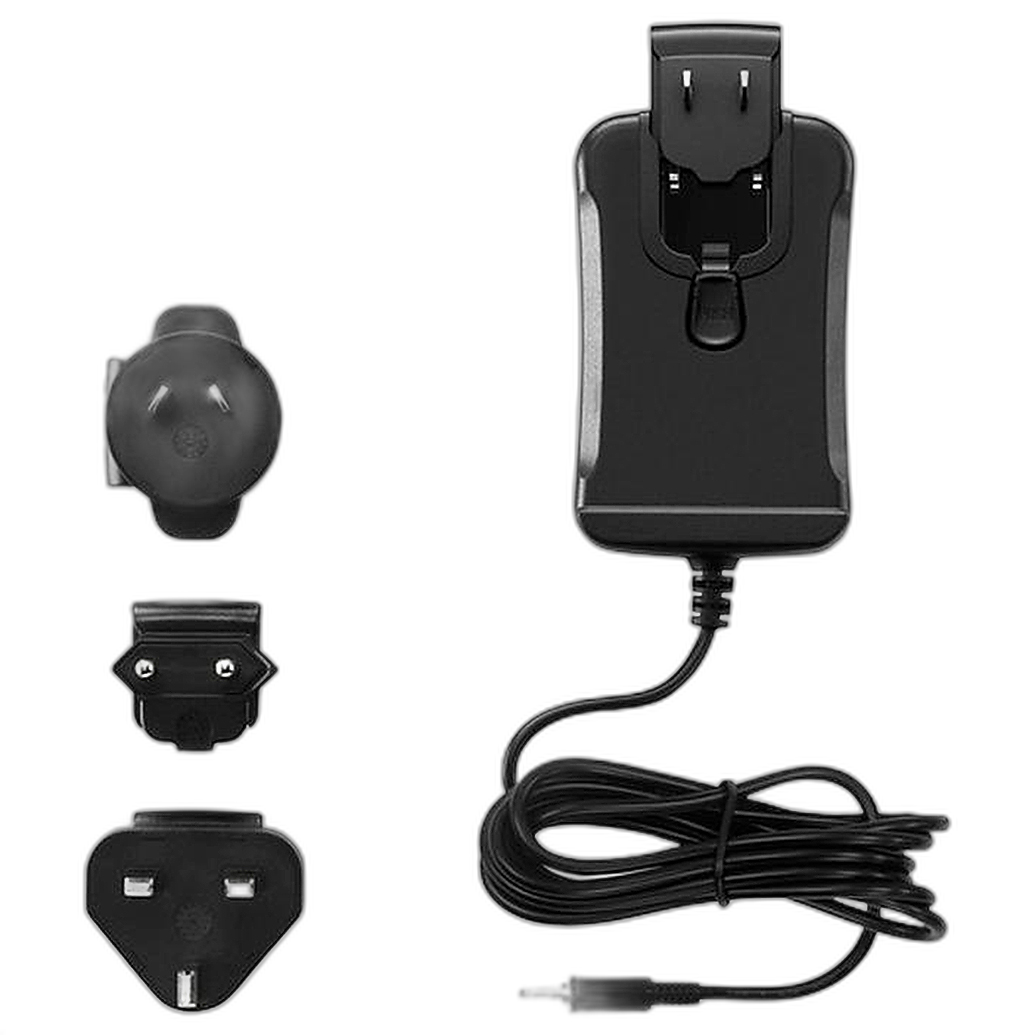
If you are shooting a long session, powering your camera consistently is also part of maintaining quality. Interrupted sessions, battery swaps at the wrong time, or unstable power on a video-capable hybrid setup can break your rhythm. For Blackmagic users, the Blackmagic Design Power Supply for Pocket Cinema Camera is a practical accessory for studio, tethered, or extended stationary use.
How much post-processing is too much for a competition image?
The best editing is purposeful and invisible unless the category specifically rewards a stylized look. Most contest-ready files benefit from tonal balancing, color correction, selective contrast, sharpening, and careful cleanup. Problems start when editing distracts from the image itself—oversaturated color, halos from aggressive clarity, unrealistic skin texture, crushed shadows, or obvious AI-like artifacts can all weaken an otherwise strong submission.
A good rule is to edit in service of the subject. Ask whether each adjustment improves readability, mood, and print quality. Then review the file at multiple magnifications and, ideally, on a calibrated display. What looks dramatic on one screen may print harshly or feel exaggerated to judges viewing the work under controlled lighting.
When preparing a final file, sharpen according to output. A file intended for web judging should not be sharpened the same way as one intended for a large fine-art print. Subtlety usually wins.
How should I prepare images for printing and presentation?
Print presentation is often where serious entries separate themselves. Start with a final file that has enough resolution for the intended print size, then soft-proof for the paper type if possible. Pay close attention to shadow detail, color neutrality, and local contrast, since prints often appear darker and less saturated than backlit screens.
Composition matters here too. Leave enough visual breathing room so the print does not feel cramped when matted or framed. Inspect the file for sensor dust, edge distractions, and small retouching errors before sending it to print. These details become much more obvious at larger sizes.
If you expect to travel with prints or create work on location before a deadline, organized gear storage helps avoid damage and delays. The Nomatic Luma Camera Pack 18L is useful for photographers who want a compact bag for cameras, lenses, and accessories while moving between shoots, editing sessions, and print labs.
Is specialty gear worth it for contests like landscape, fine art, or cinematic categories?
Specialty gear can absolutely be worthwhile when it directly supports the style of images you want to produce. An ultra-wide prime, for example, can open up strong compositional options for landscapes, interiors, and dramatic environmental scenes. The Zeiss Batis 18mm f/2.8 is a good example of a lens that suits photographers who need both a wide perspective and premium optical quality for detailed final output.
For motion-oriented or hybrid creators entering cinematic stills or multimedia competitions, protecting your investment also matters. If you work with RED systems, the RED Extended Warranty for KOMODO-X can provide additional peace of mind, especially when your camera is central to paid projects and deadline-driven submissions.

The most effective upgrades are the ones that solve a real problem in your workflow rather than simply adding complexity.
Can film or instant photography still compete in modern contests?
Yes—if the concept and execution are strong. Film and instant photography can bring a distinctive aesthetic, tactile quality, and intentional pace that many judges appreciate. What matters is whether the final image feels resolved and purposeful, not whether it was captured digitally or on film.
Photographers exploring analog work often look for distinctive used gear to create a specific visual character. Unique Photo's used selection can be a valuable resource for that kind of creative experimentation. The right film camera can be part of a compelling contest strategy when the look supports the story you want to tell.
Keep in mind that analog submissions still need careful presentation. Clean scans, accurate tonal work, and thoughtful print preparation are just as important for film as they are for digital capture.
How do I protect my gear and stay organized when working toward a deadline?
Contest preparation often involves repeat shoots, location scouting, editing revisions, and last-minute file checks. Staying organized reduces the chance of avoidable mistakes like forgotten batteries, scratched lenses, or damaged files. A dedicated bag with efficient access can save time and help keep your setup consistent from shoot to shoot.
The Nomatic Luma Camera Pack 18L is a practical choice for photographers who want a sleek backpack for everyday field use, and its compact size makes it suitable for carrying a focused kit rather than overpacking. Pairing it with a comfortable strap system can also make long shooting days easier to manage.
Just as important, consider protecting major gear purchases with manufacturer-backed coverage when available. Warranty options can be especially useful for advanced camera systems that play a critical role in professional or competition work.
Great contest images come from a combination of vision, discipline, and preparation. Whether you are refining sharpness, upgrading a lens, improving your carry setup, or getting ready to print your best work, Unique Photo has the gear and expertise to help you move from a good image to a submission you are proud to enter.
Visit Unique Photo to explore lenses, bags, accessories, power solutions, and used gear that support a more polished, competition-ready workflow.